The router is the product
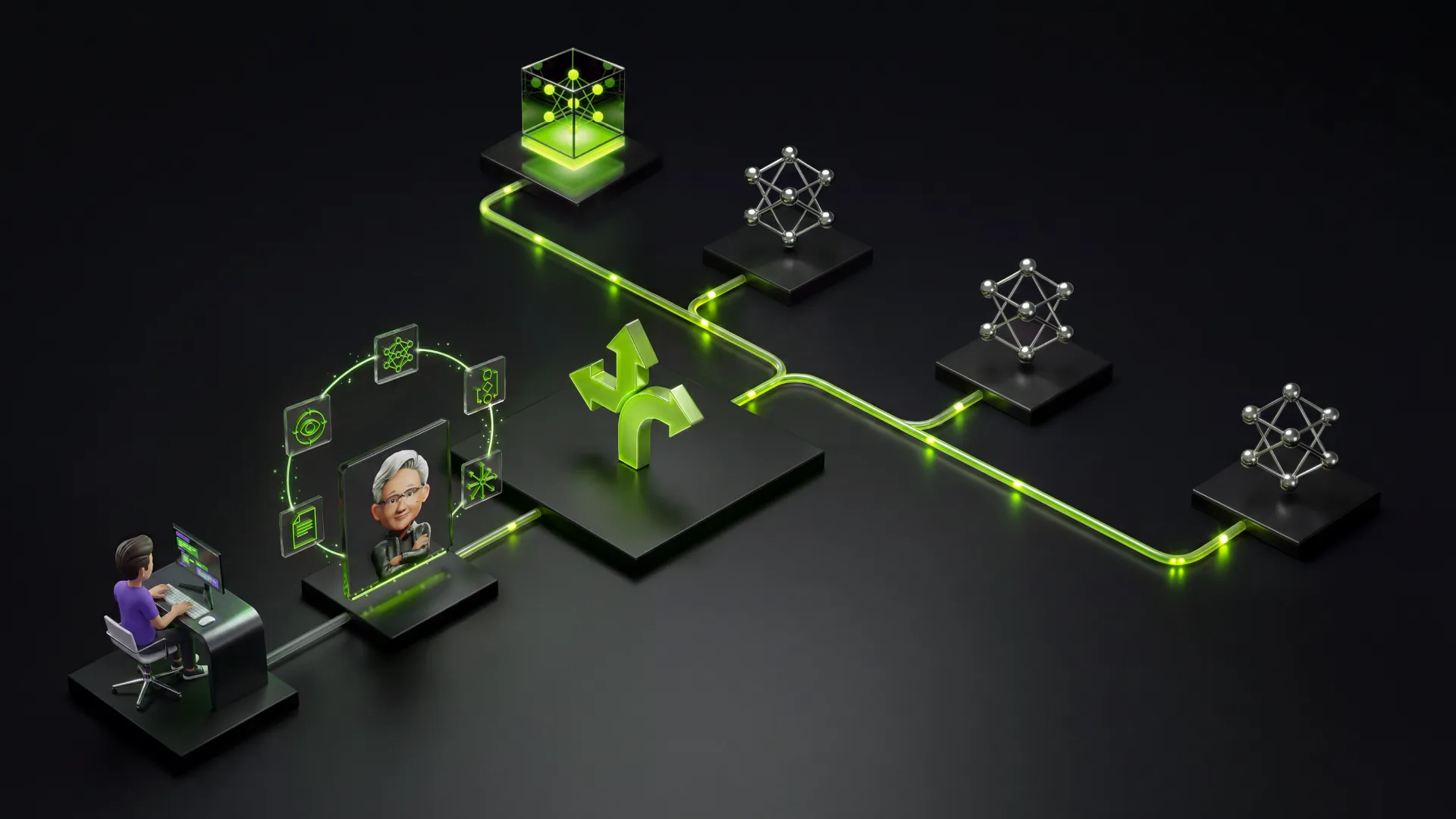
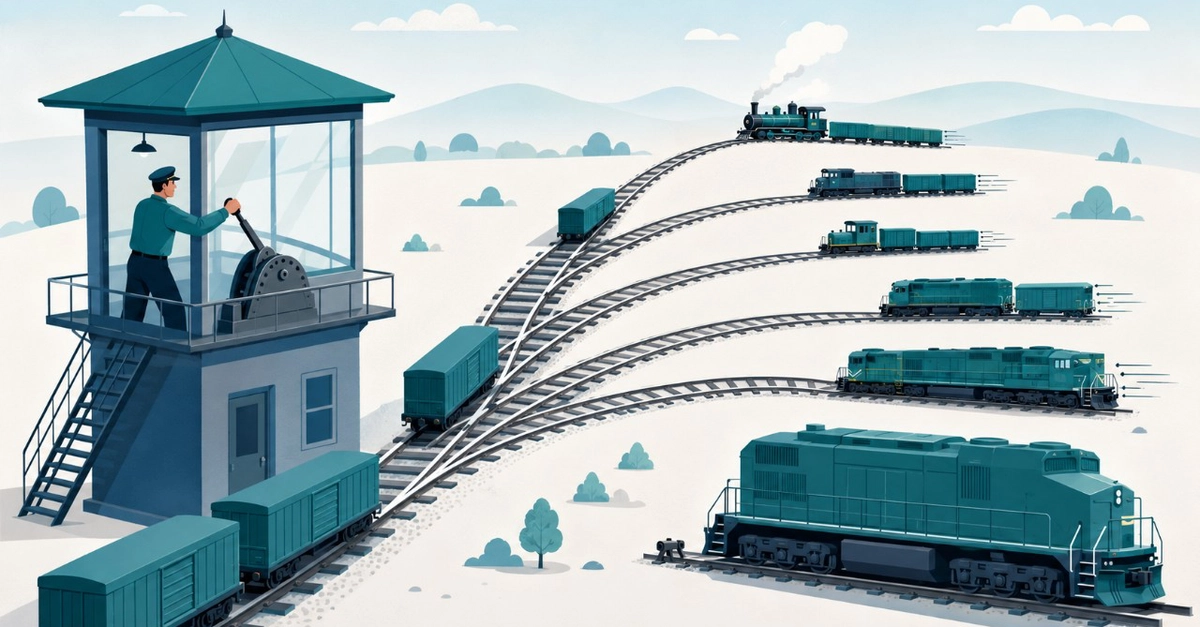
OpenSquilla puts a small machine learning model in front of your large ones. Before each turn, a local classifier called SquillaRouter reads the request and sends it to the cheapest model that can handle it. That single decision, repeated every turn, is what the project means by "same budget, more capability, better results."
Most agent frameworks treat model choice as a config value you set once. OpenSquilla treats it as a live routing problem. The README calls the tool a "token-efficient, microkernel AI agent," and the microkernel framing is literal: routing, persistent memory, a layered sandbox, built-in web search, and on-device embeddings all hang off a single shared turn loop rather than a stack of independent services.
One loop, many front doors
The design choice that follows from the microkernel is that every entry point runs the same loop. Whether a request arrives from the Web UI, the CLI, or a chat channel, tool dispatch, retries, and decision logging behave identically. You are not maintaining three slightly different agents that drift apart over time. You are maintaining one, exposed through several doors.