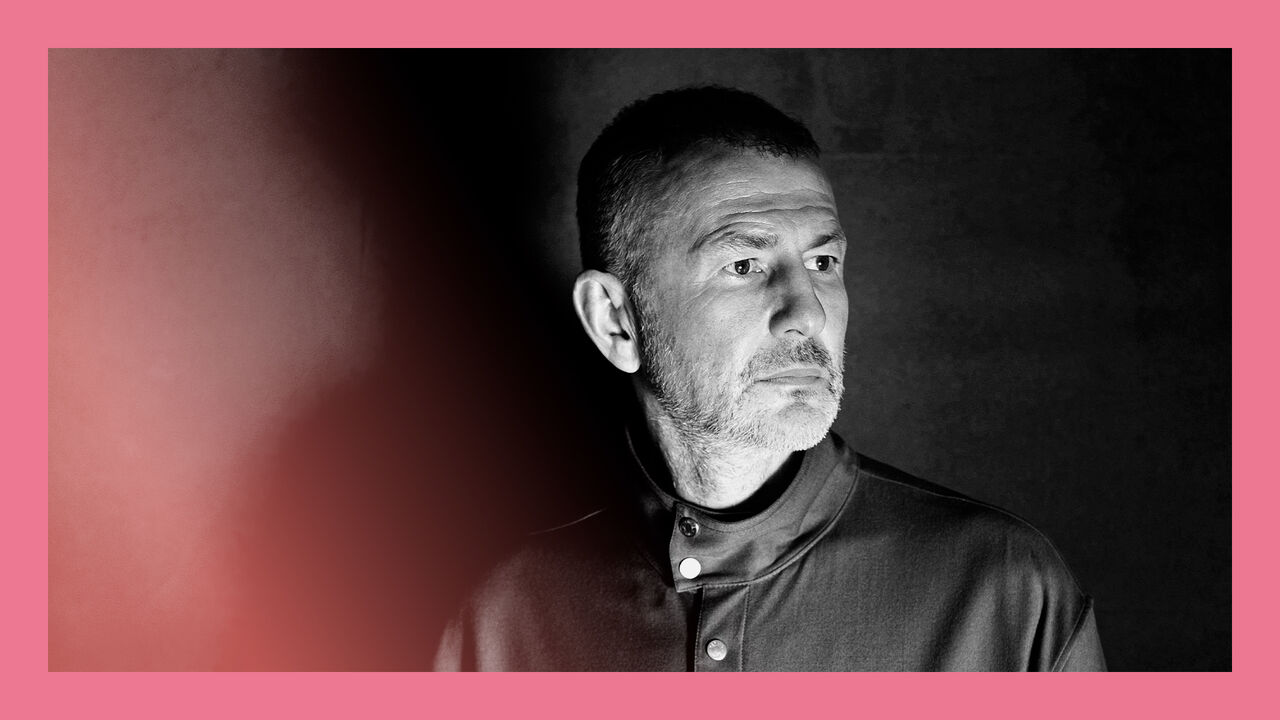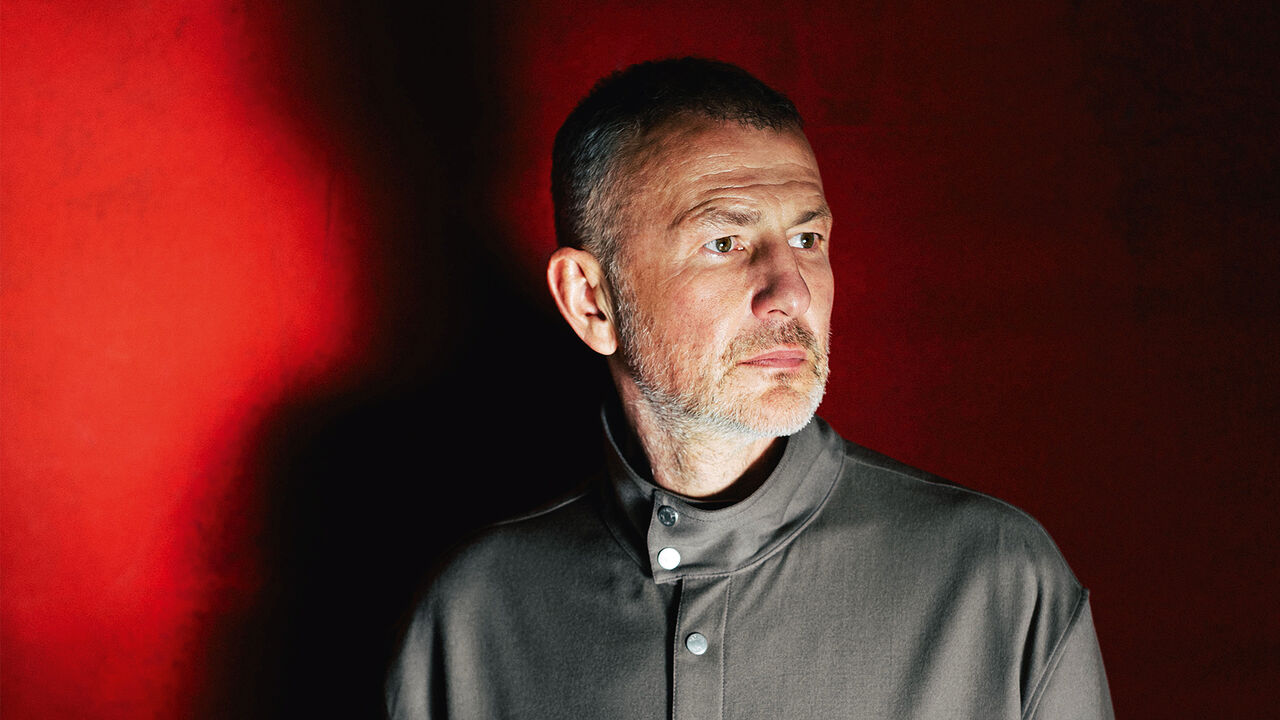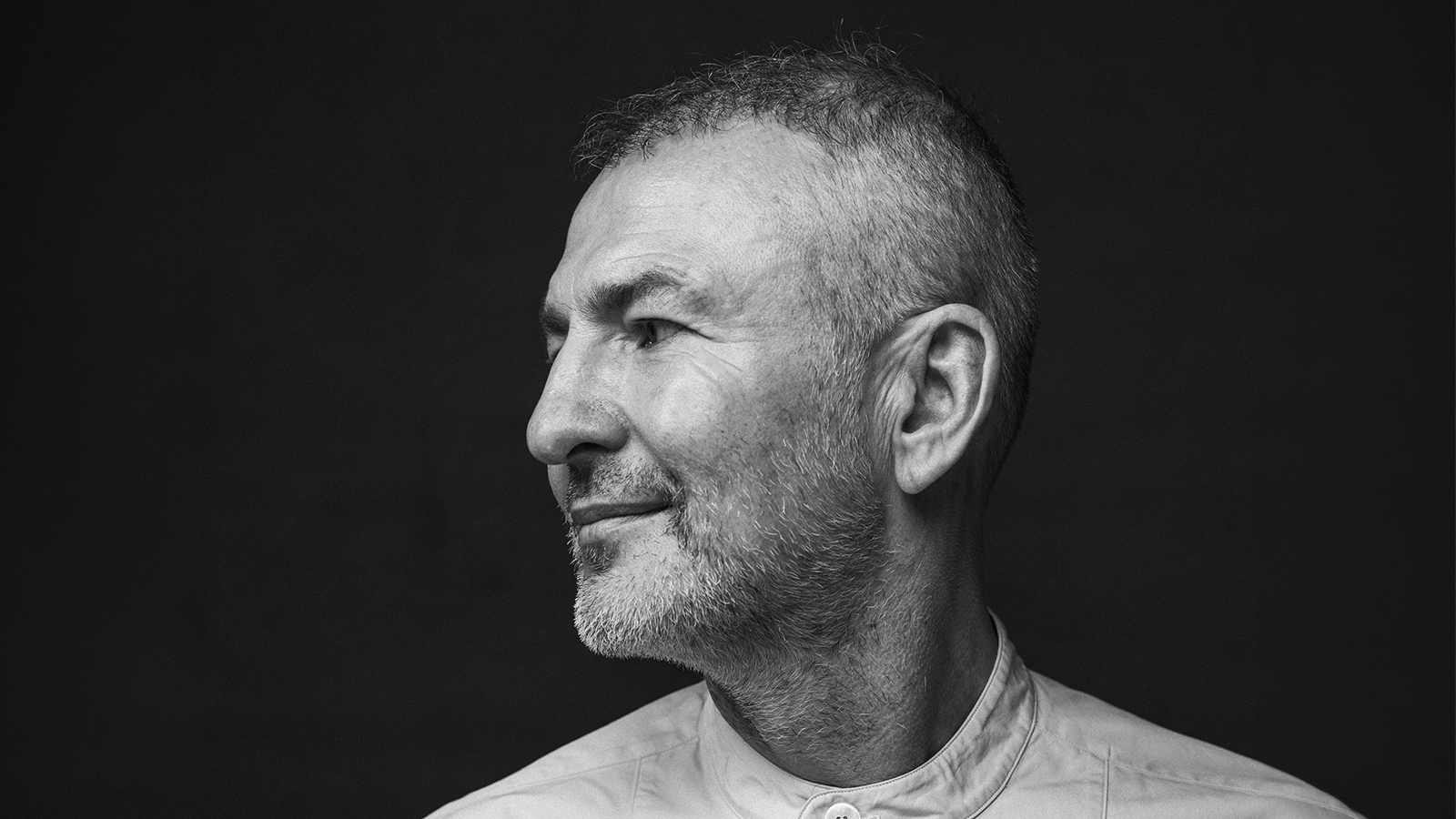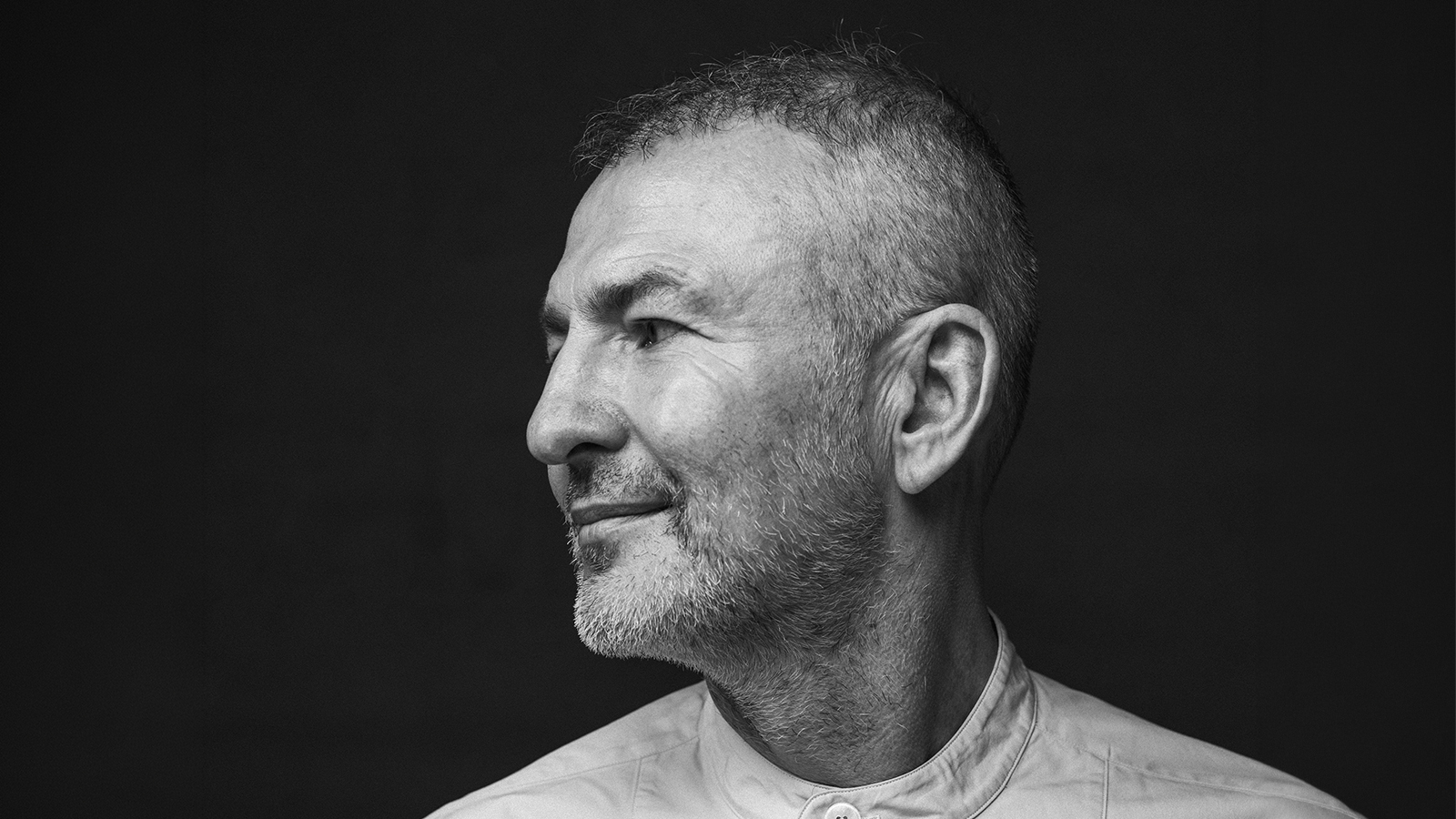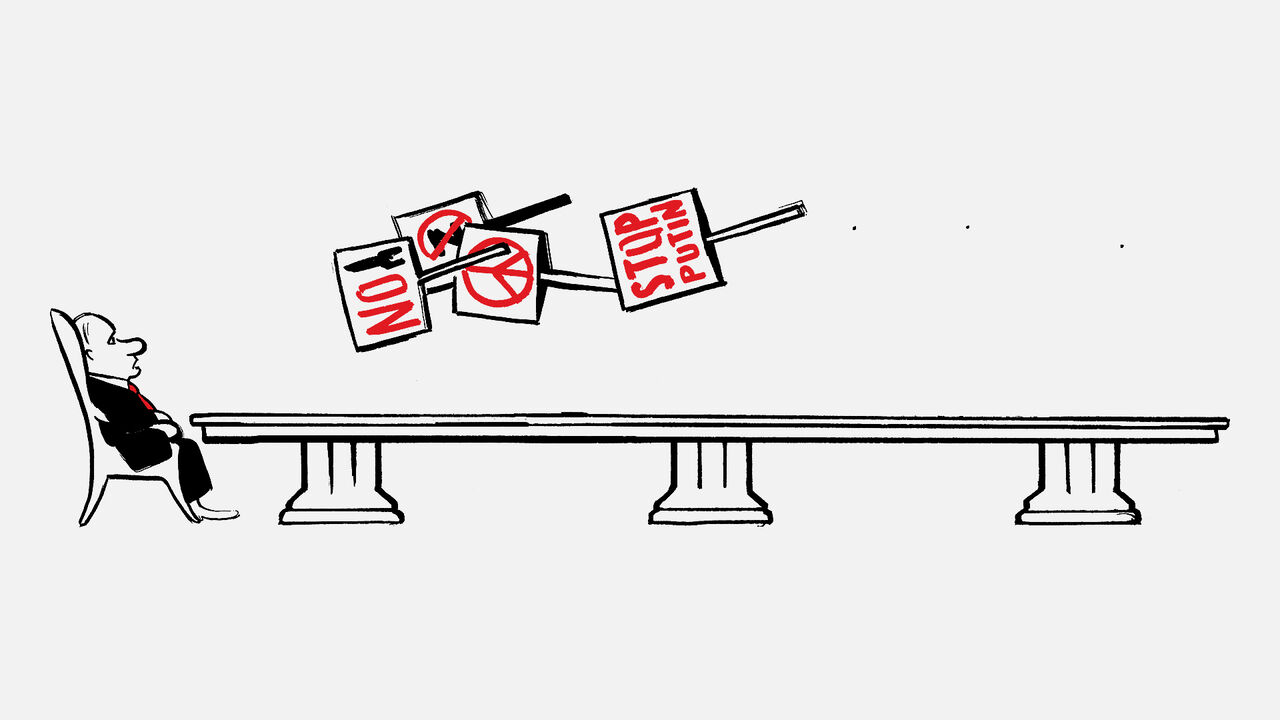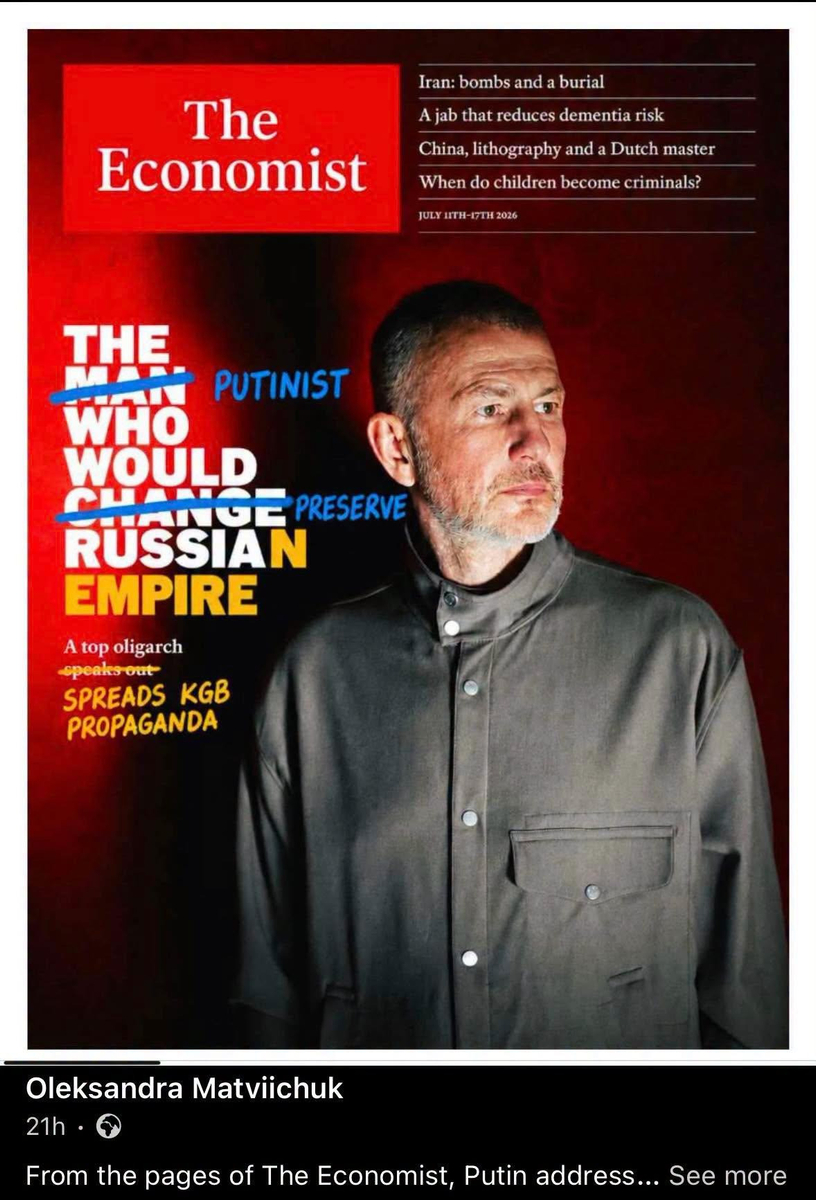
The Economist recently devoted an entire issue to Andrey Melnichenko, a Russian fertilizer magnate who, we are told, has broken the oligarchs’ code of silence to offer his “vision” for Russia’s future. The magazine gave him a cover, a leader, a 7,500-word profile, and space to publish an essay laying out his ideas. Western readers are invited to see this as a courageous act of independent thinking from within the Russian elite. They should not be deceived.JOIN US ON TELEGRAMFollow our coverage of the war on the @Kyivpost_official. The first question any serious observer should ask is: how does a sanctioned oligarch, living in Moscow, give 60 hours of interviews to a Western magazine, publish an essay advocating political change, and survive? In Putin’s Russia, far less ambitious acts of independence have resulted in prison, poisoning, or mysterious falls from windows. Yet Melnichenko publishes a manifesto for post-Putin Russia and faces no consequences? The answer is obvious to anyone who understands how power operates in Moscow: this initiative must have been approved at the highest level. Russian oligarchs do not act independently of the Kremlin. They exist at the pleasure of the security services. Their function is to serve as wallets, intermediaries, and sometimes messengers. Melnichenko’s intervention is not a break with the system. It is a product of it. In any case, what matters is not Melnichenko’s sincerity but the function his words serve: to repackage Russian maximalist demands in language palatable to Western intellectuals.
Why The Economist Scoop Was a Polite Version of the Same Moscow Threat
The storied British news journal merely flogged a standard Russian threat couched as a “wind of change.”
1,315 words~6 min read