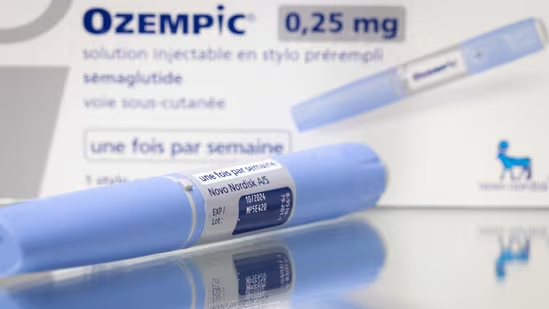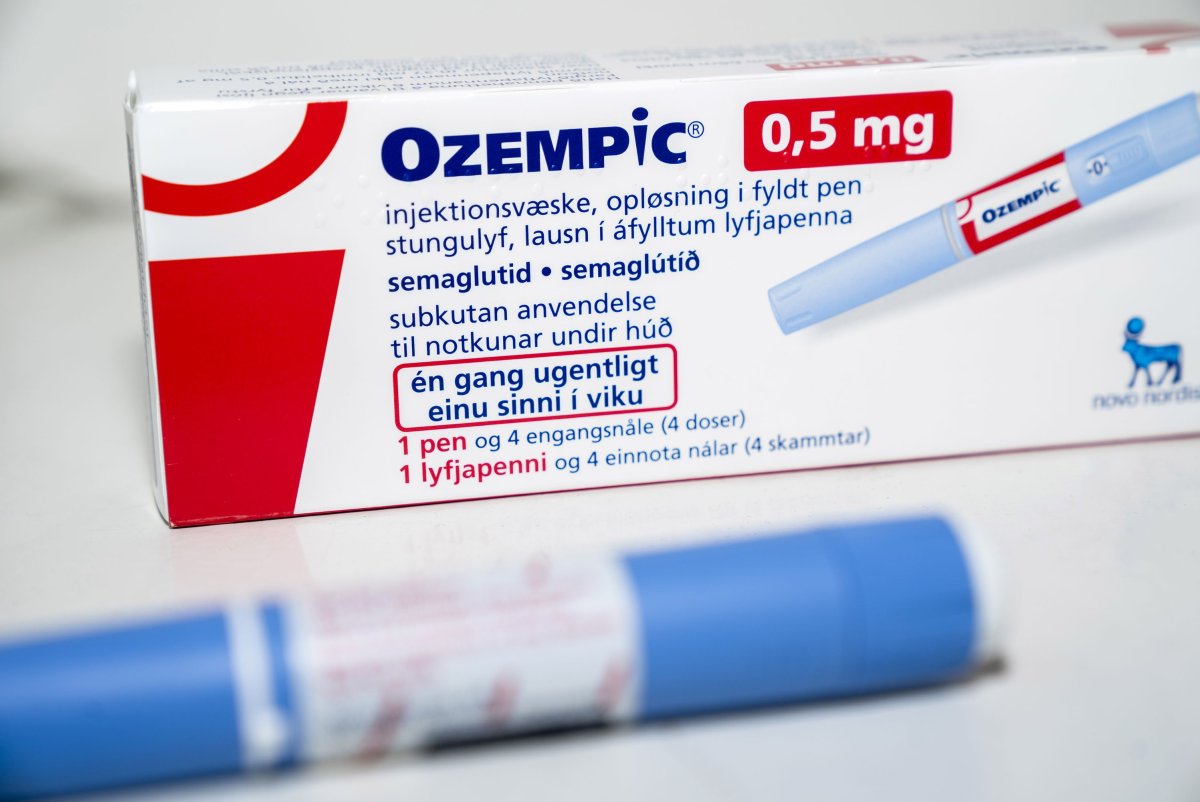
Popular weight-loss and diabetes medications such as semaglutide and Ozempic belong to a broader group known as GLP-1 drugs. A study funded by the National Institutes of Health (NIH) has now identified a previously unrecognized way that some newer oral drugs in this class may affect the brain.
In mice, the medications reduced hedonic feeding, which means eating for enjoyment rather than because the body needs energy. The drugs appeared to do this by changing activity in a reward circuit located deep inside the brain.
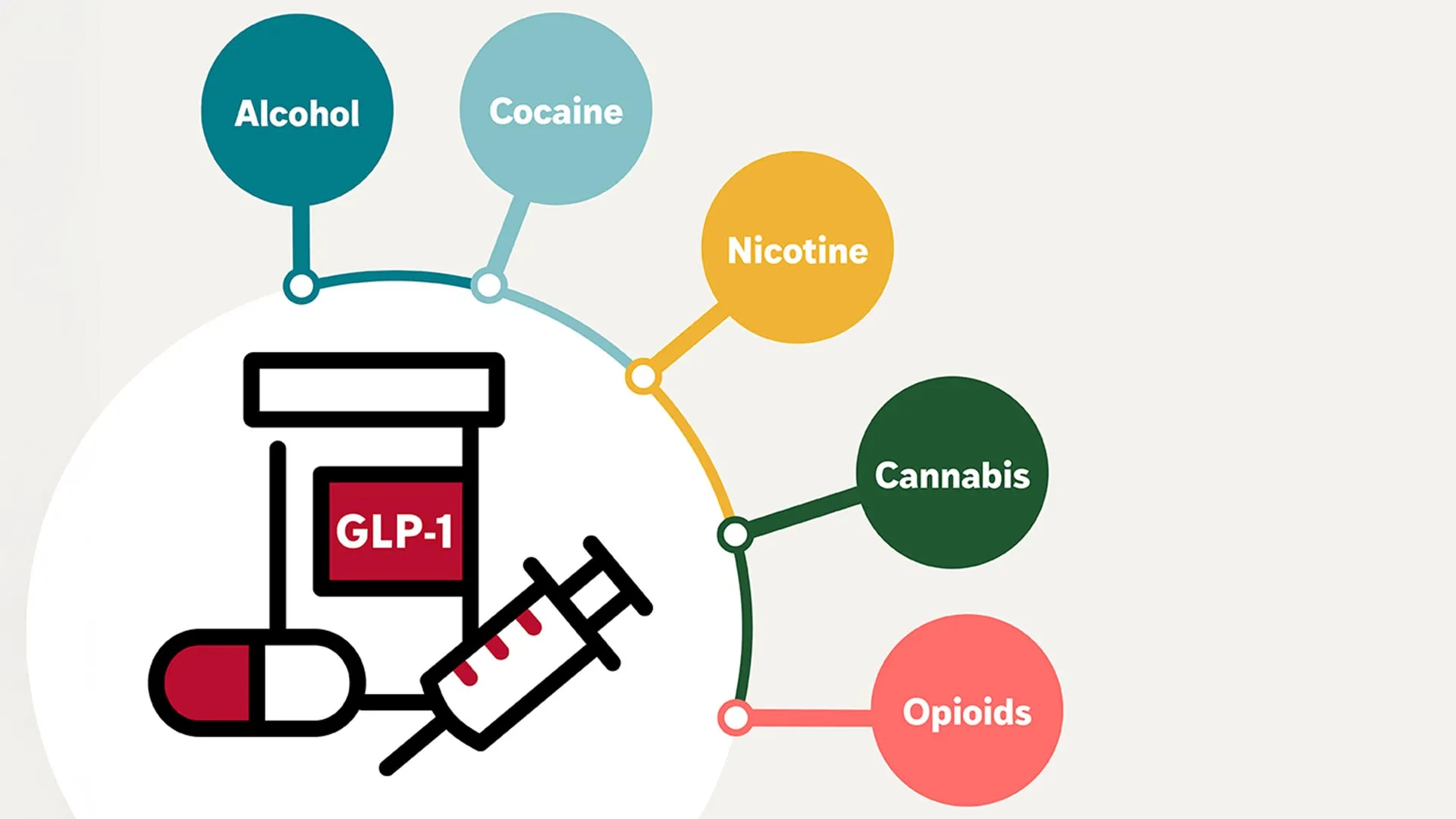
This newly mapped pathway is separate from the appetite-control systems previously linked to drugs such as semaglutide. Researchers say it may also offer clues about whether GLP-1 medications could eventually be used to address other problems involving reward and craving, including substance use disorder.
Oral Alternatives to Injectable GLP-1 Drugs
The University of Virginia team studied small-molecule GLP-1 receptor agonists. These compounds differ from larger peptide medications such as semaglutide, which is used in well-known drugs including Ozempic, Wegovy, and Rybelsus.