Audio By Vocalize
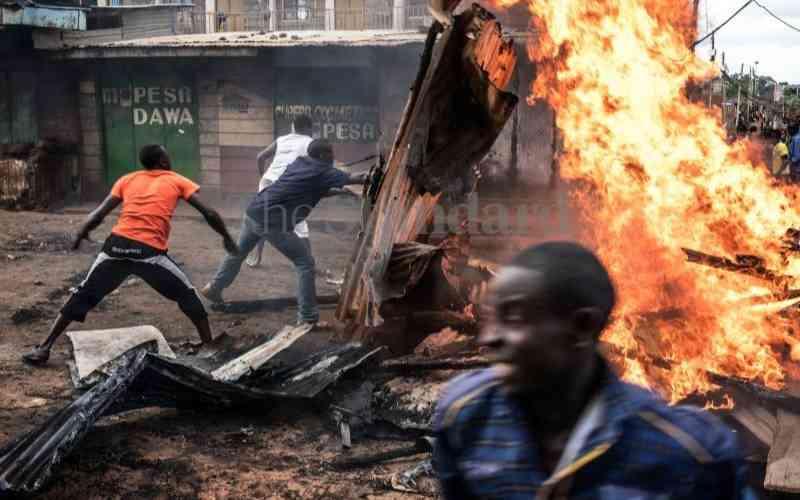
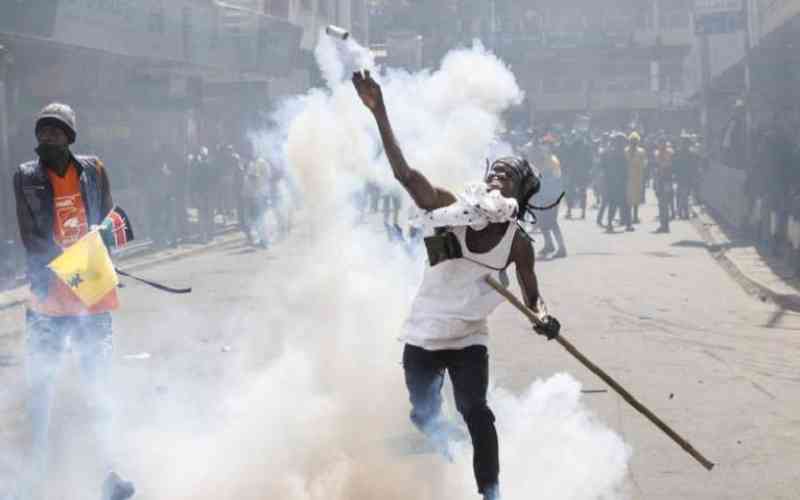
A political rally in Kenya. [File,Standard]
In his Swahili play Visiki, Khaemba Ongeti dramatises how politicians weaponise cultural identity to win votes. In the play, which was a set book when many of us sat our final secondary school examinations, two politicians retreat to their respective backyards to mobilise support ahead of an election. They soon realise they have little to show their people by way of development.
Faced with that uncomfortable reality, they devise a familiar political strategy, known in modern Kenyan parlance as ‘selling fear’. One convinces supporters that another community poses an existential threat to their future. The other responds in kind, persuading her followers that they have no hope unless they prevent their perceived rivals from ascending to power. It is a simple yet devastating lesson in how fear, rather than ideas, becomes political currency.
Visiki belongs to a long tradition of set books that capture the realities of political life and alert ordinary people to the dangers posed by those seeking either to acquire or retain power. Incumbents often portray outsiders as enemies, creating imaginary threats around which supporters are expected to rally. Those pursuing power, meanwhile, cultivate ethnic strongholds so they can emerge as indispensable regional ‘kingpins’, hoping such leverage will secure them a seat at the high table, where politicians have become notorious for helping themselves generously to what has come to be known as the national cake.