Audio By Vocalize
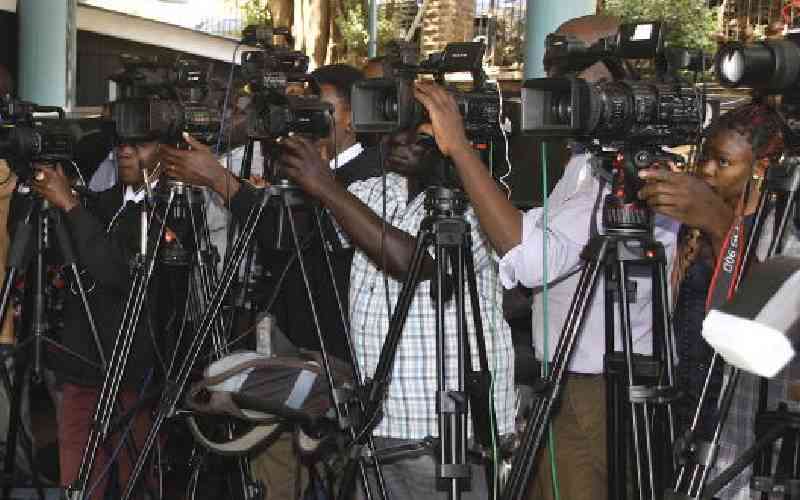
Artists and celebrities are increasingly being used to shape political narratives in Kenya. [File Courtesy]
Unlike in the past, government does not fear Kenyan artists
Early last week, I read an article by Kingwa Kamencu in Debunk Media about the political history of our artists. Kamencu noted that one of the first things that our colonial masters were keen to do was ban local arts, having understood that art is the expression of the soul of a people, and that it is capable of inspiring social and political change. This trend continued after independence, with artists fleeing into exile for speaking truth to power. It is against this history that the spectacle that was the Africa Forward Summit sits, as we see artists being heralded by their government, but one must ask: At what cost?
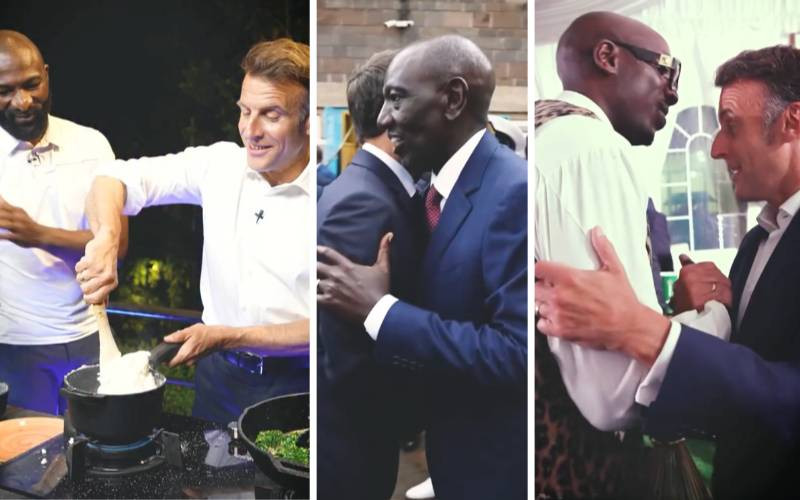
The Summit in Nairobi was presented as a bold reimagining of Africa’s relationship with Europe, particularly France. Hosted jointly by the governments of Kenya and France, it brought together heads of state, investors, entrepreneurs and celebrities under the auspices of bringing forth a shared future between the continent and France. The summit leaned heavily on celebrity culture. Kenyan musician Bien-Aimé Baraza, sports and food personality Dennis Ombachi, and marathon icon Eliud Kipchoge all became visible symbols of Kenya’s branding exercise during the summit. President Emmanuel Macron was photographed jogging through Nairobi with Kipchoge and released a video making ugali and sukuma wiki with Ombachi, in a carefully curated performance of accessibility and friendship. Bien performed at a spectacular show at the end of the summit, dressed as the fashionista-dictator Mobutu Seseseko. These three narratives were the most viral from the summit, proving that our most beloved creators were at the forefront of sanitising France’s image on the continent.