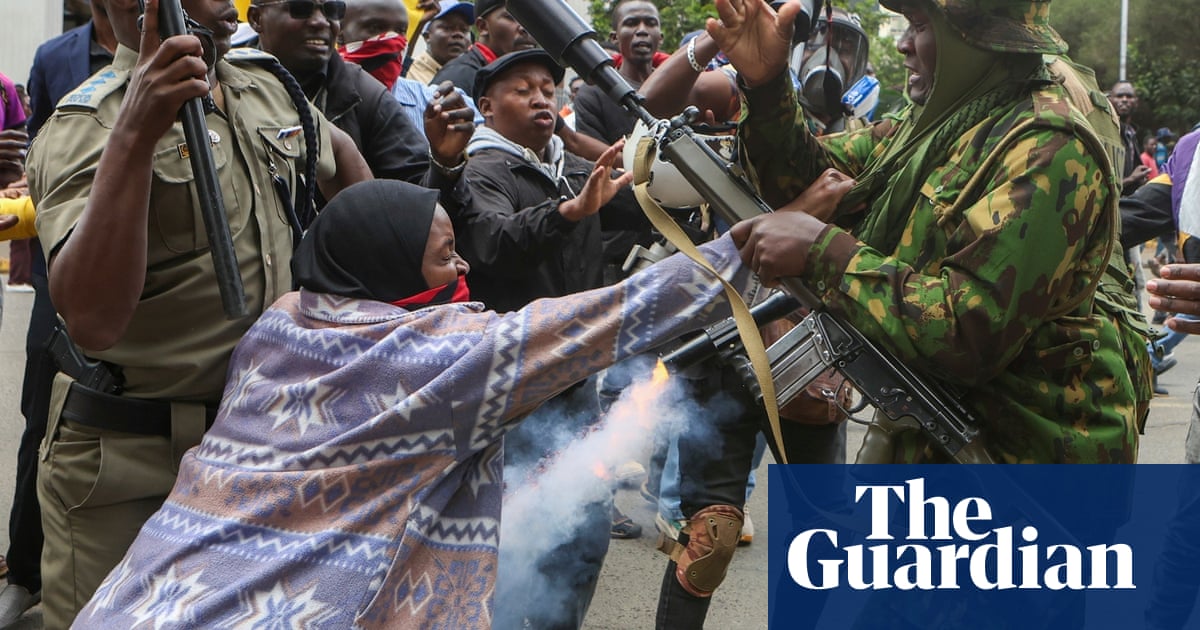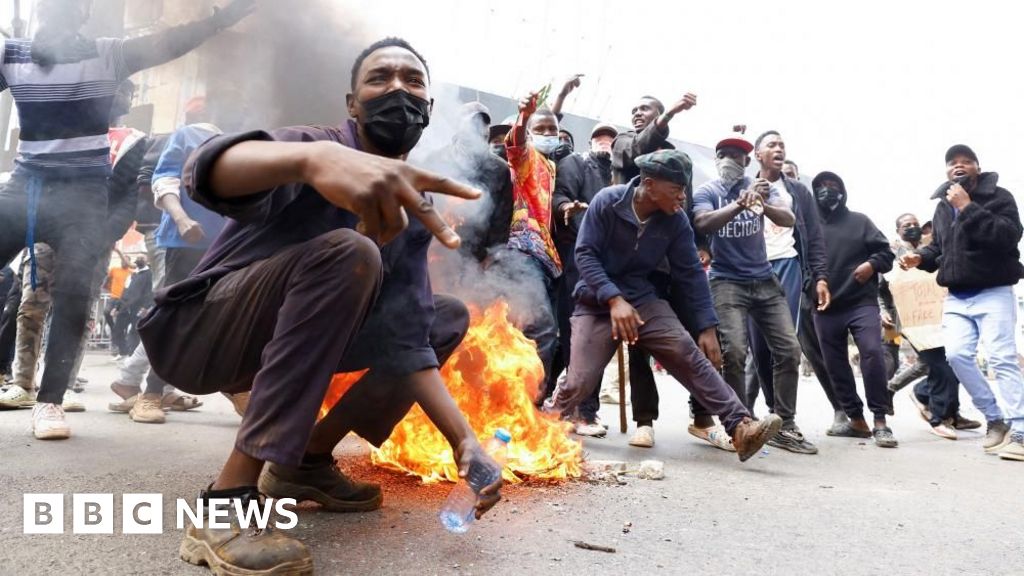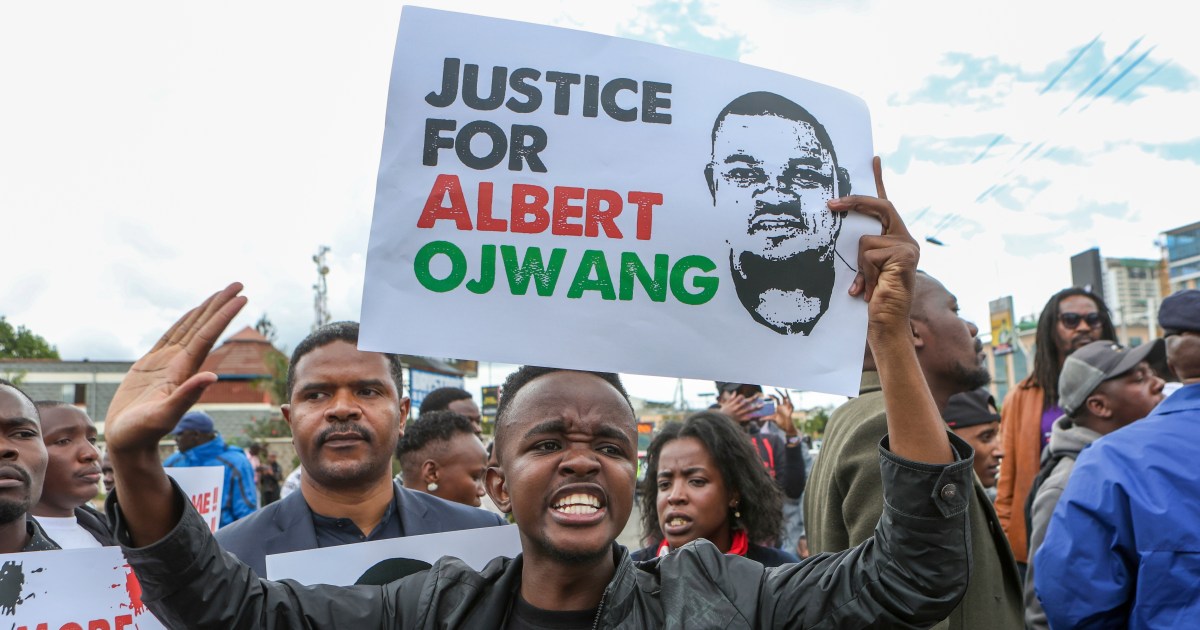
Albert Ojwang’s death in Kenya marks a regional crackdown aiming to crush youth-led protests before they re-emerge.
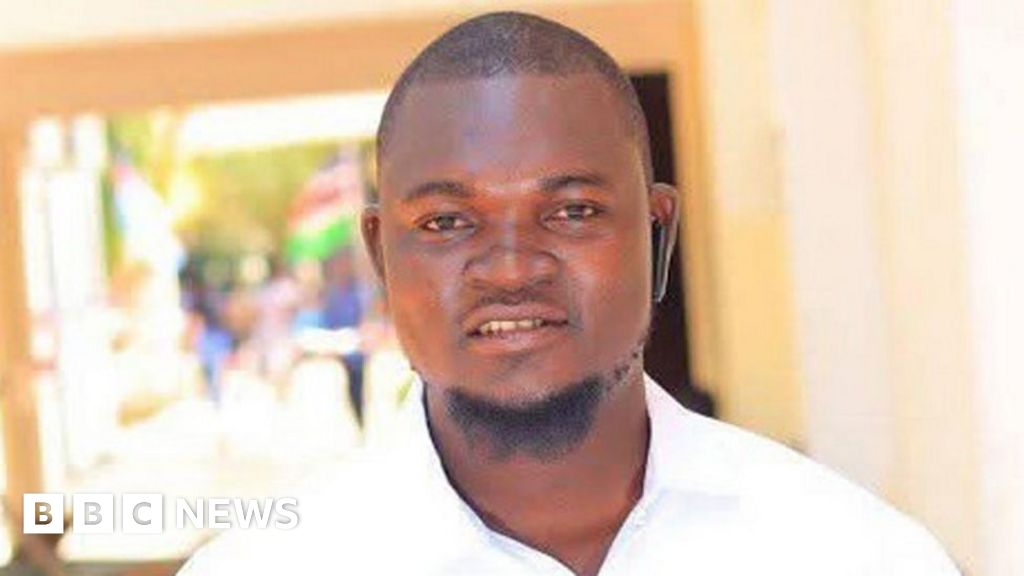
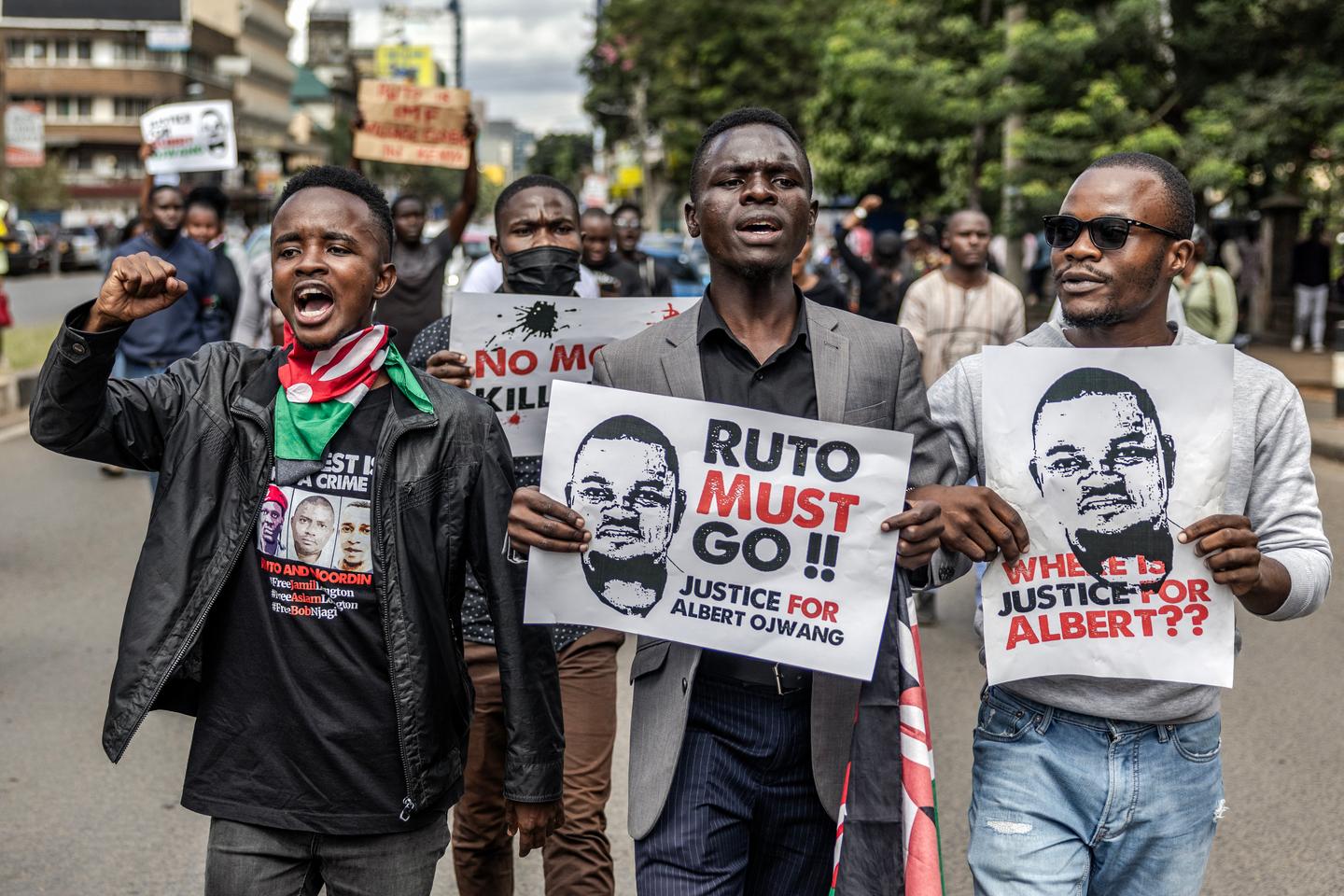
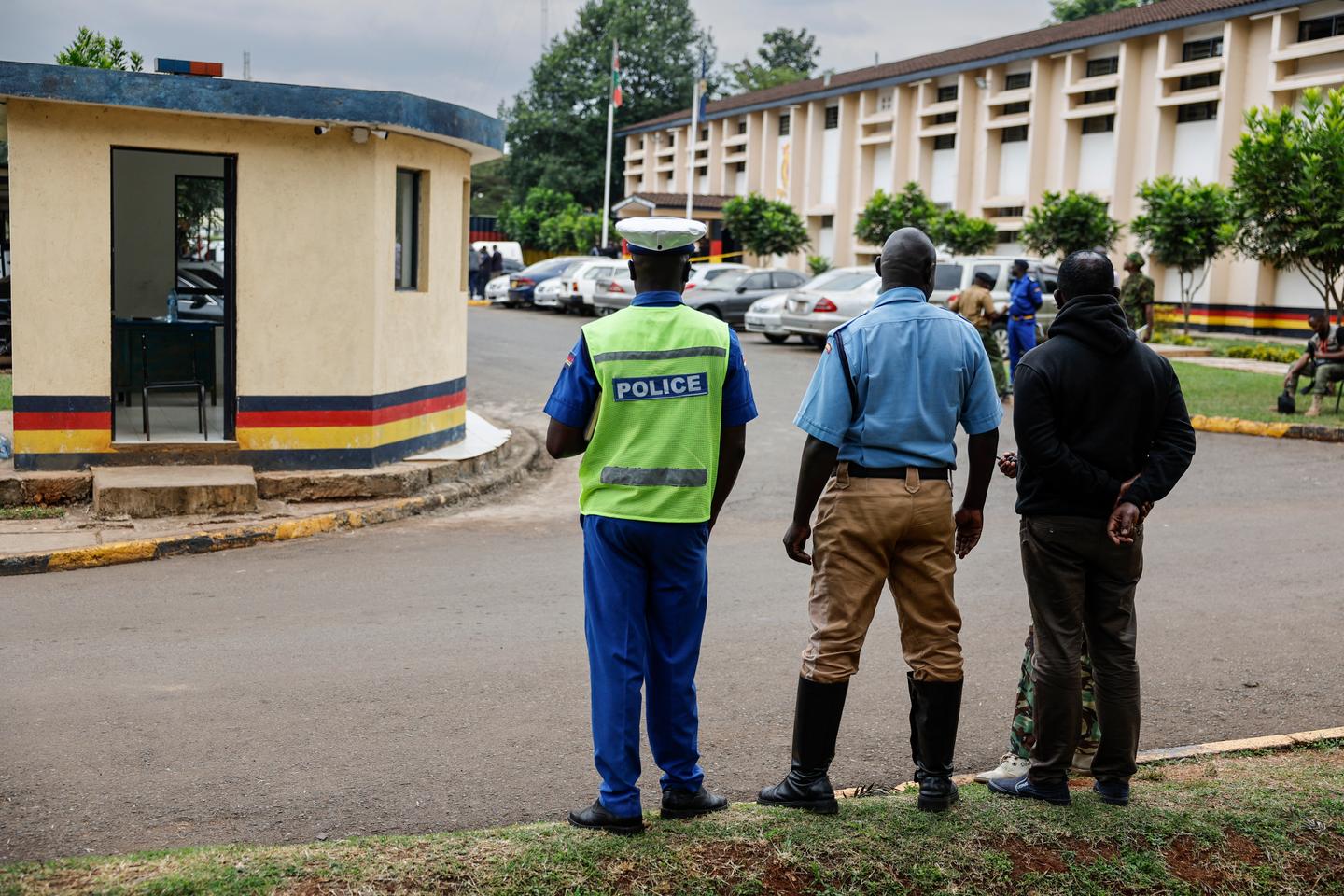
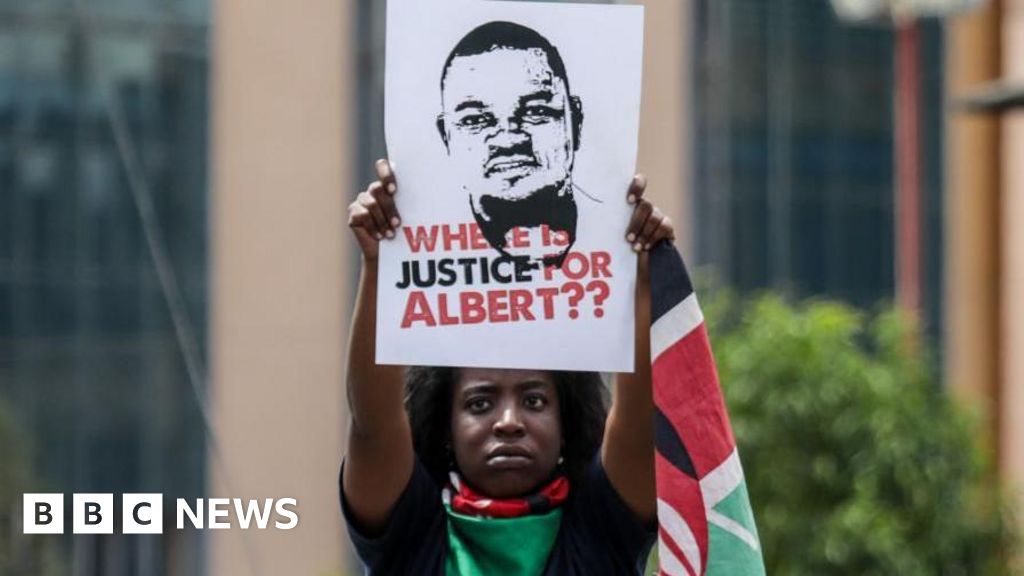
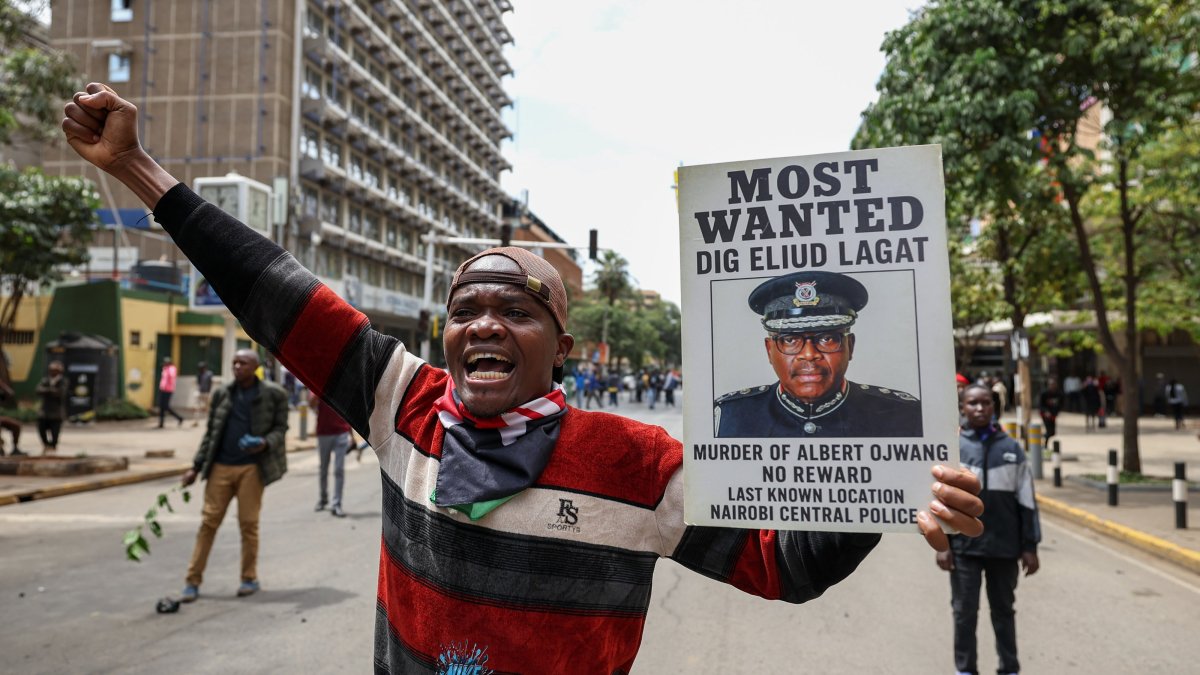
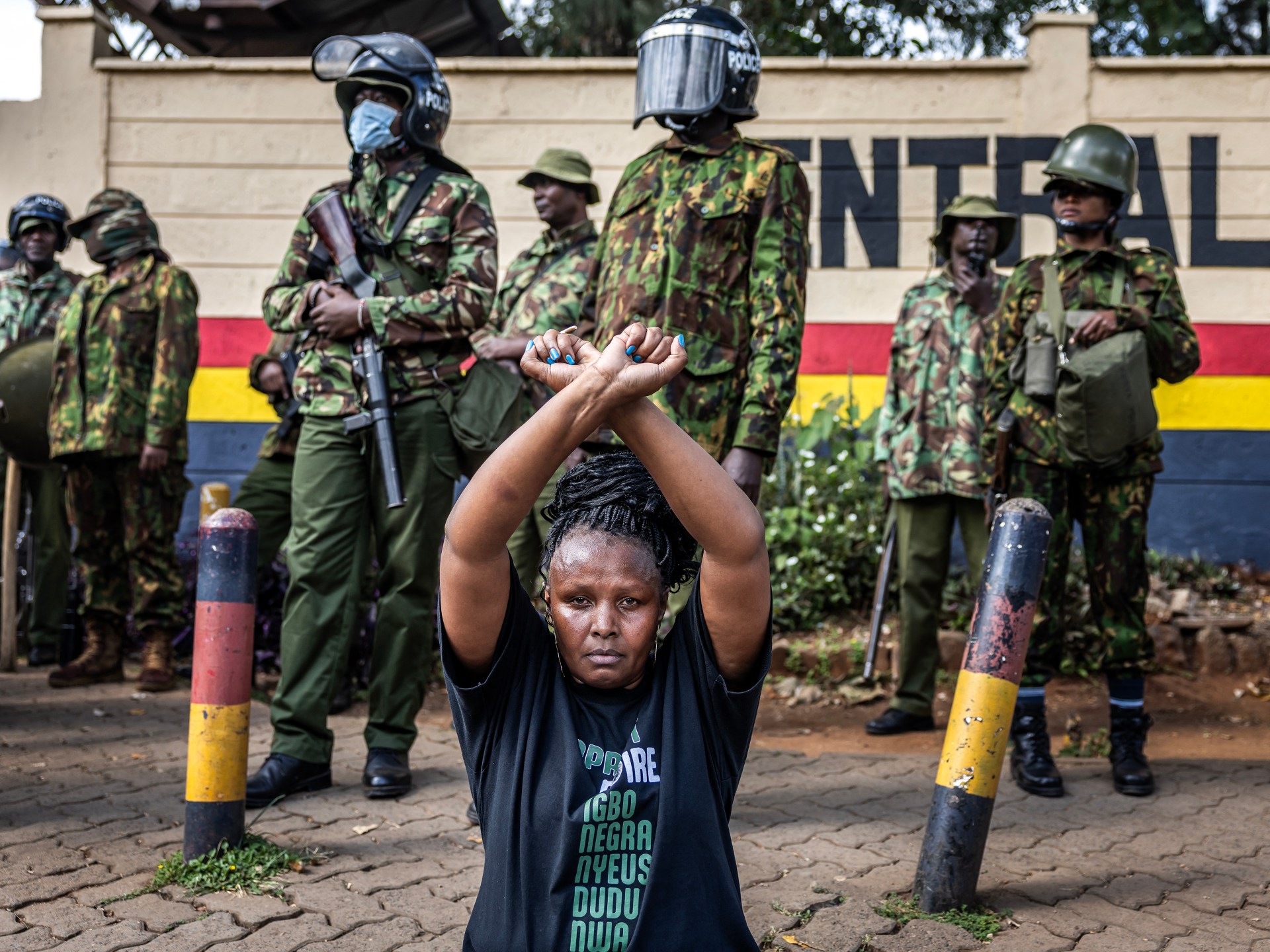
Last Friday, Albert Ojwang, a young blogger in the western Kenyan town of Migori, was arrested over a complaint by a senior police officer regarding a post on X and taken 350km (217 miles) away to the Central Police Station in the capital, Nairobi. By the next day, he was dead, with police claiming – incredibly – that he had committed suicide by banging his head against the cell walls. The truth, as confirmed by a postmortem, is that he was beaten to death.
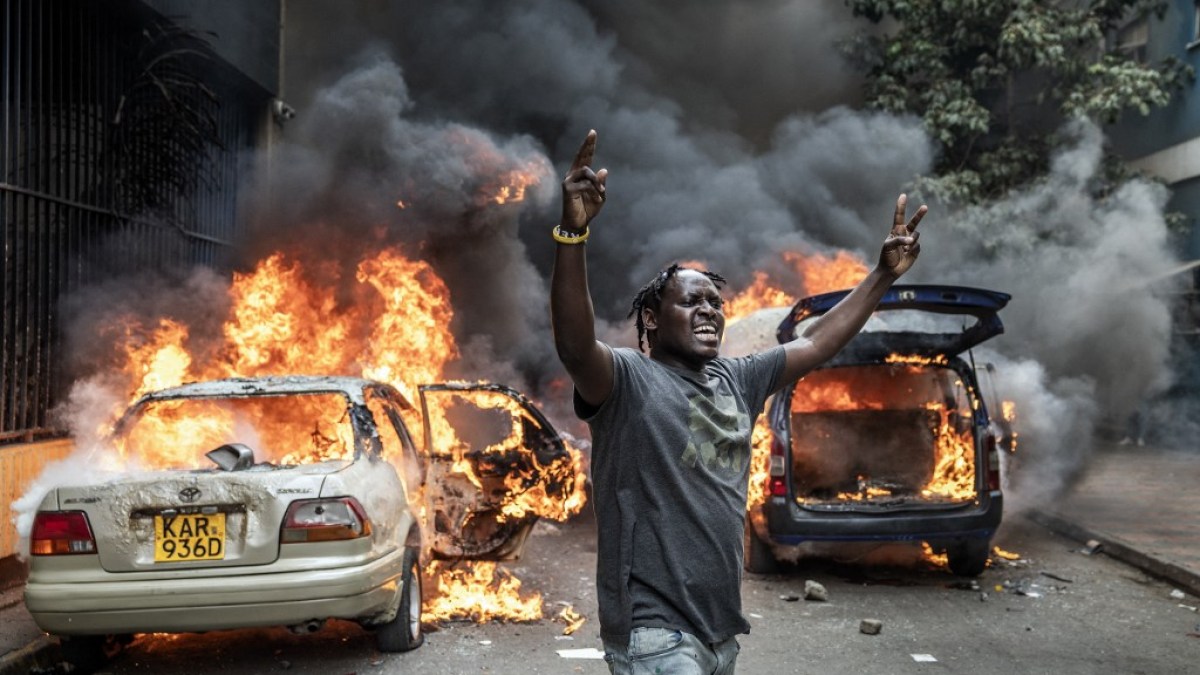
This comes as no surprise to Kenyans who are depressingly familiar with police violence. But Ojwang’s arrest and brutal murder were more than that. The incident is a chilling message to a troublesome generation as the country approaches what has become its protest season – “do not test us”.
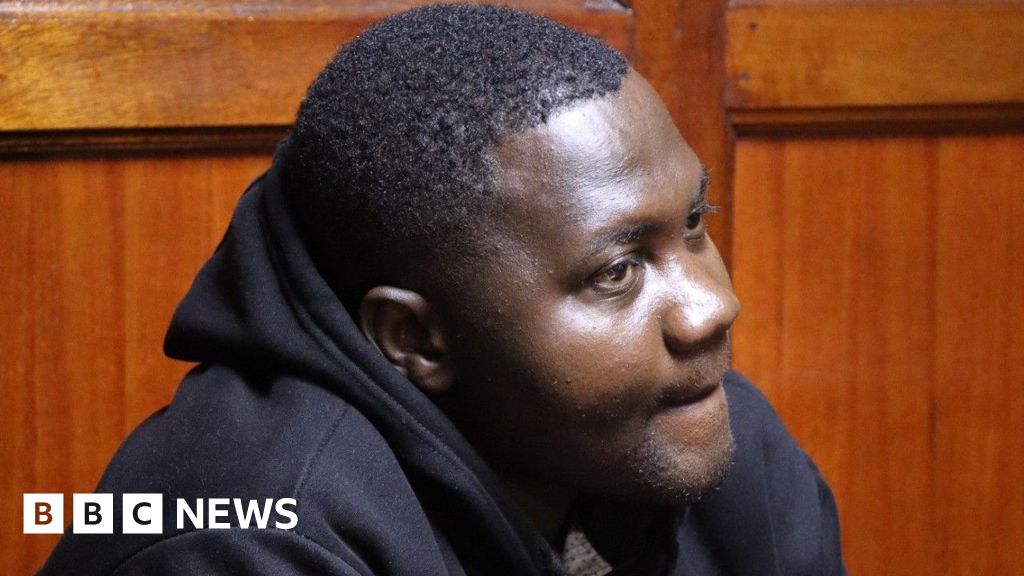
Not long before, Rose Njeri, another young Kenyan, was arrested. Her “crime”? Designing a digital tool to make it easier for the public to participate in hearings on the government’s controversial 2025 Finance Bill. The irony is both cruel and stark: a government that routinely exhorts citizens to engage in “public participation” arrested a citizen for doing precisely that efficiently and at scale.