Get the latest news and updates from Dawn
PAKISTAN’S debt burden dominates economic debate. So does its education crisis. Yet these are too often treated as separate challenges. They are not. In the long run, Pakistan cannot solve one without solving the other. The country’s recent budgets rightly reflect the difficult task of restoring macroeconomic stability. Fiscal discipline matters. Reducing debt matters. But there is a danger in treating education as simply another expenditure competing for scarce public resources. It is, in fact, one of the investments that will ultimately determine whether today’s stabilisation succeeds.
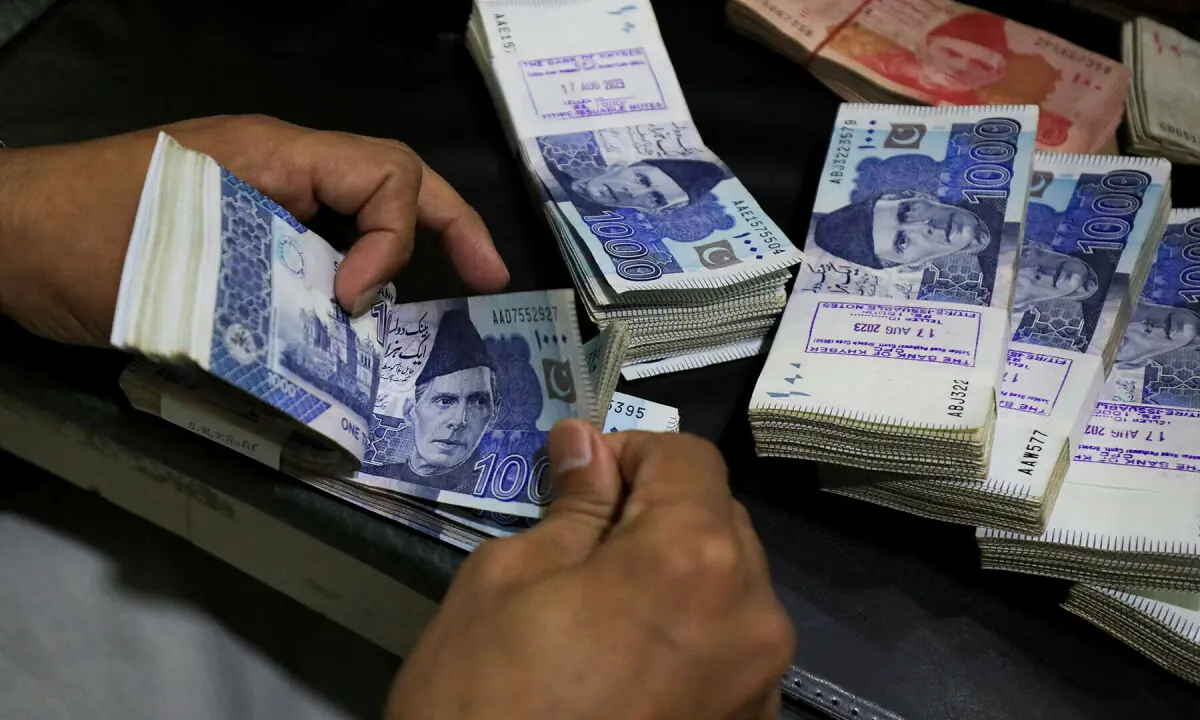
This year’s federal budget allocates more than Rs8 trillion to debt servicing — by far its largest expenditure. That reality cannot be ignored. Pakistan must continue strengthening its public finances and creating the fiscal space needed for sustainable growth.
But another reality deserves equal attention. Pakistan remains among the lowest public investors in education in South Asia. Despite declaring an education emergency, recent federal and provincial budgets devote only modest development resources to the sector, much of which is ultimately absorbed by recurrent costs. Teachers’ salaries must, of course, be paid. But salaries alone do not improve learning. Children also need trained teachers, quality learning materials, functioning classrooms, digital access and support during the critical early years when reading skills are formed.