Guest Post by By Somtochukwu Igwegbe
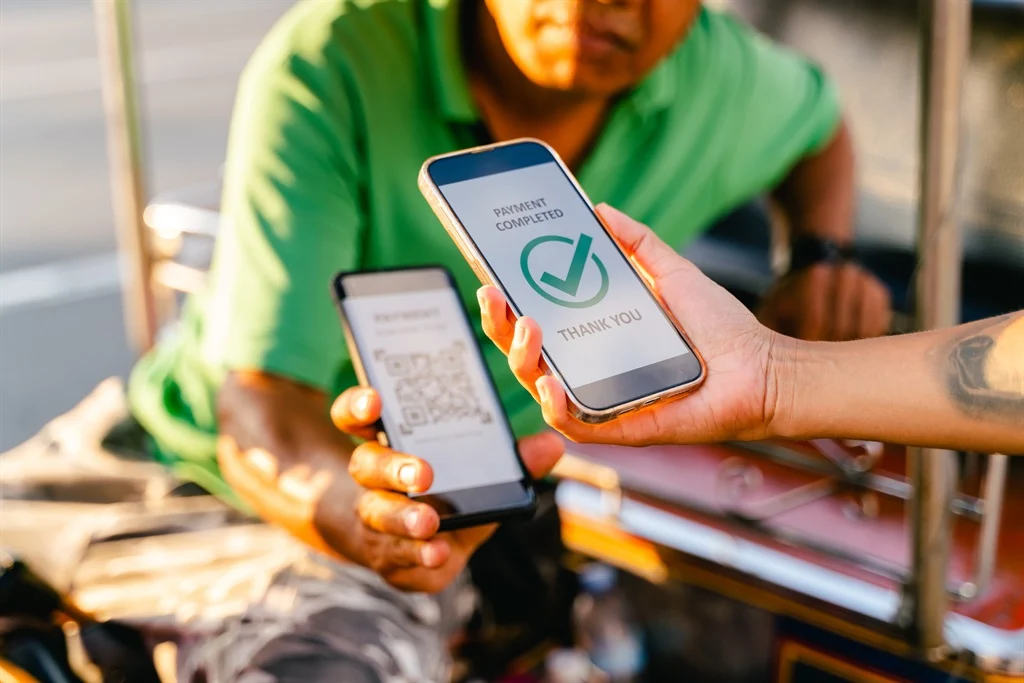
More than two trillion dollars moved through mobile money worldwide in 2025, and roughly two-thirds of that value flowed through sub-Saharan Africa, according to GSMA’s State of the Industry Report on Mobile Money 2026. For a fifth of adults in the region, a mobile money account is the only financial account they will ever hold. Behind every transfer sits ordinary public-key cryptography, the same RSA and elliptic-curve math that a sufficiently powerful quantum computer would eventually break.
That threat hasn’t arrived yet, but data doesn’t need it to arrive today to be at risk. Encrypted traffic captured now can be stored and decrypted later, once the right hardware exists, a problem cryptographers call “harvest now, decrypt later.” The White House’s June 2026 executive order on post-quantum migration cites this same risk as the reason federal agencies can no longer treat the transition as a distant deadline. For identity records, health data, and financial archives that need to stay confidential for a decade or more, the clock is already running.
A Room full of Cryptographers, Arguing About Everything but Cryptography
On June 26, the Africa Quantum Consortium (AQC), the pan-African body founded by Farai Mazhandu to coordinate the continent’s quantum strategy, convened a roundtable titled “Securing Africa’s Digital Backbone”. The session drew registrations from more than twenty countries, with more sign-ups in the final day than in the three months prior. In the room: Professor Çetin Kaya Koç, founder of the field’s leading cryptographic hardware conference, and Michael Osborne, who has led IBM’s quantum-safe cryptography effort since 2018, alongside African bank technologists, regulators, and students.