In 1937, a botanical garden in Tahiti planted an ornamental tree that would one day become a warning sign for some of the world’s most vulnerable rainforests.
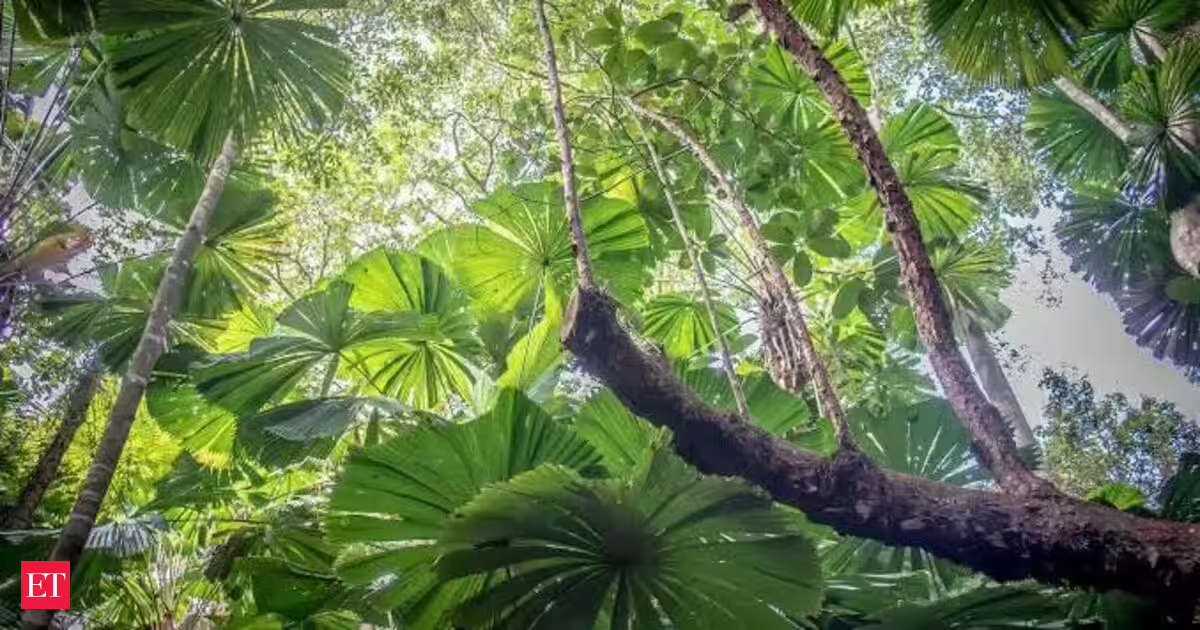
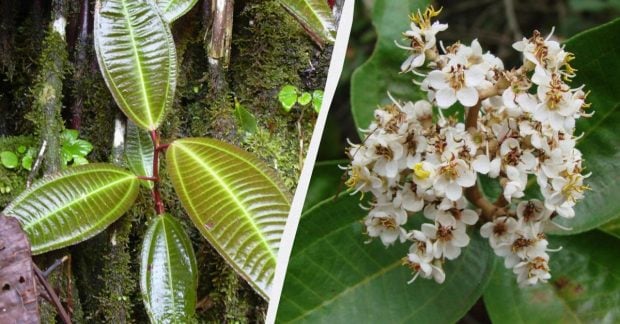
What began as a beautiful landscaping choice has grown into a serious biosecurity threat, with a single mature miconia tree capable of producing more than 8.9 million seeds in one fruiting season and posing a major risk to Queensland’s World Heritage rainforests.A plant with a dangerous pastThe tree in question is miconia, a tropical plant native to the Americas that was once valued for its striking appearance.
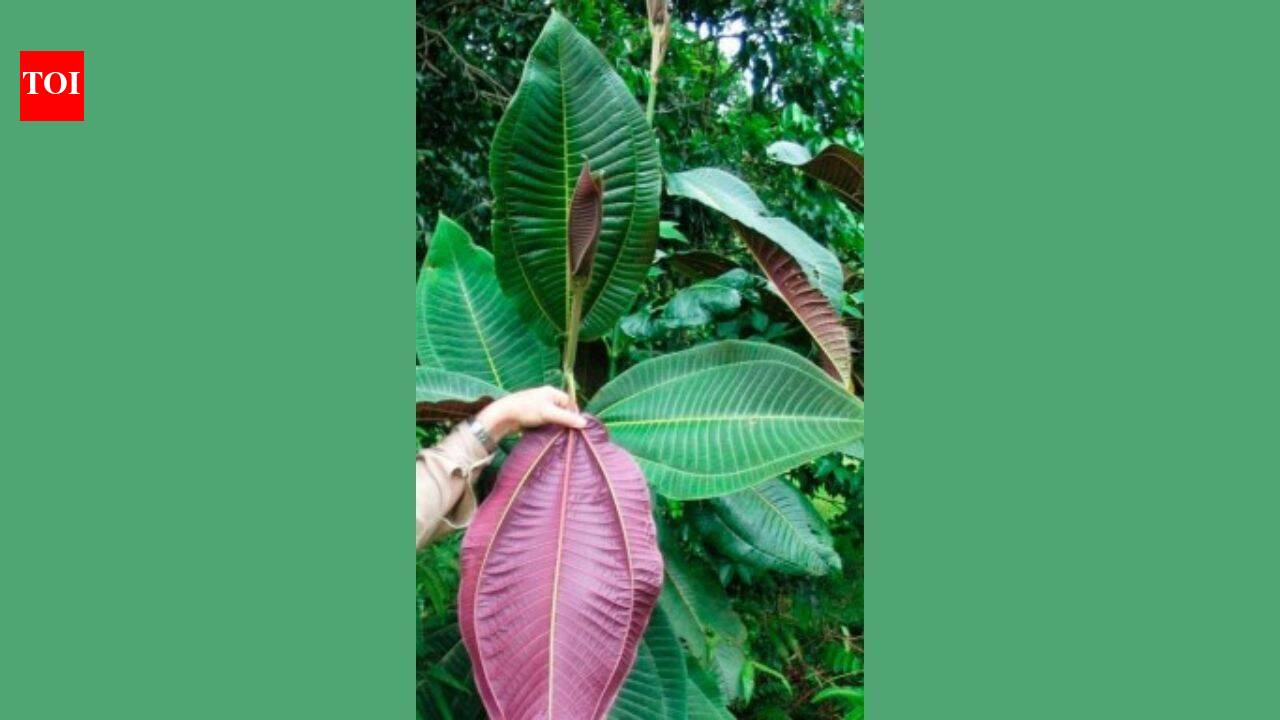
Its large leaves, purple undersides and lush growth made it attractive to gardeners, and that ornamental appeal helped it spread far beyond its original range.
Over time, however, miconia earned a far darker reputation in places such as Tahiti and Hawaii, where it became notorious for invading forests and smothering native vegetation, according to a report by the Department of Agriculture and Fisheries, Biosecurity Queensland.The Tahiti link goes back to 1937, when a botanical garden planted the species as an ornamental tree.
From there, the plant escaped cultivation and spread aggressively across the island’s landscapes.