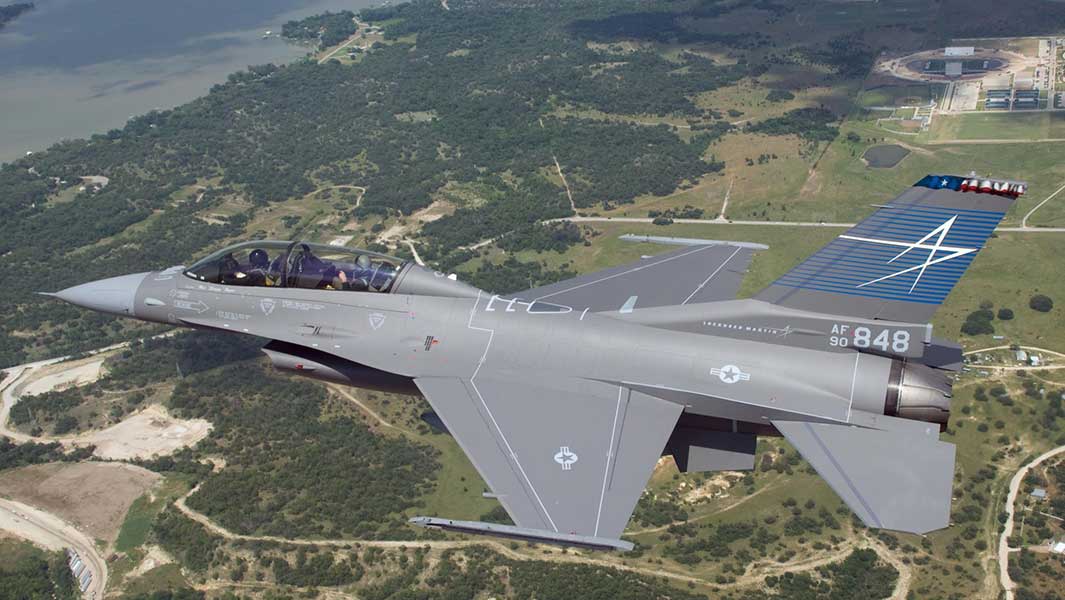
Trading volumes in major defense contractors surged in the conflict’s opening days—rising for some as much as 140% above their average level during Trump’s second term—but the gains didn’t last. Northrop Grumman is now down over 30%, L3Harris Technologies has fallen over 20%, and Lockheed Martin has declined nearly 13%. Raytheon Technologies (RTX)—No. 49 on the Fortune 500—was at one point down about 18%, though the stock has since recovered to up 4% after the company reported better-than-expected second-quarter earnings.
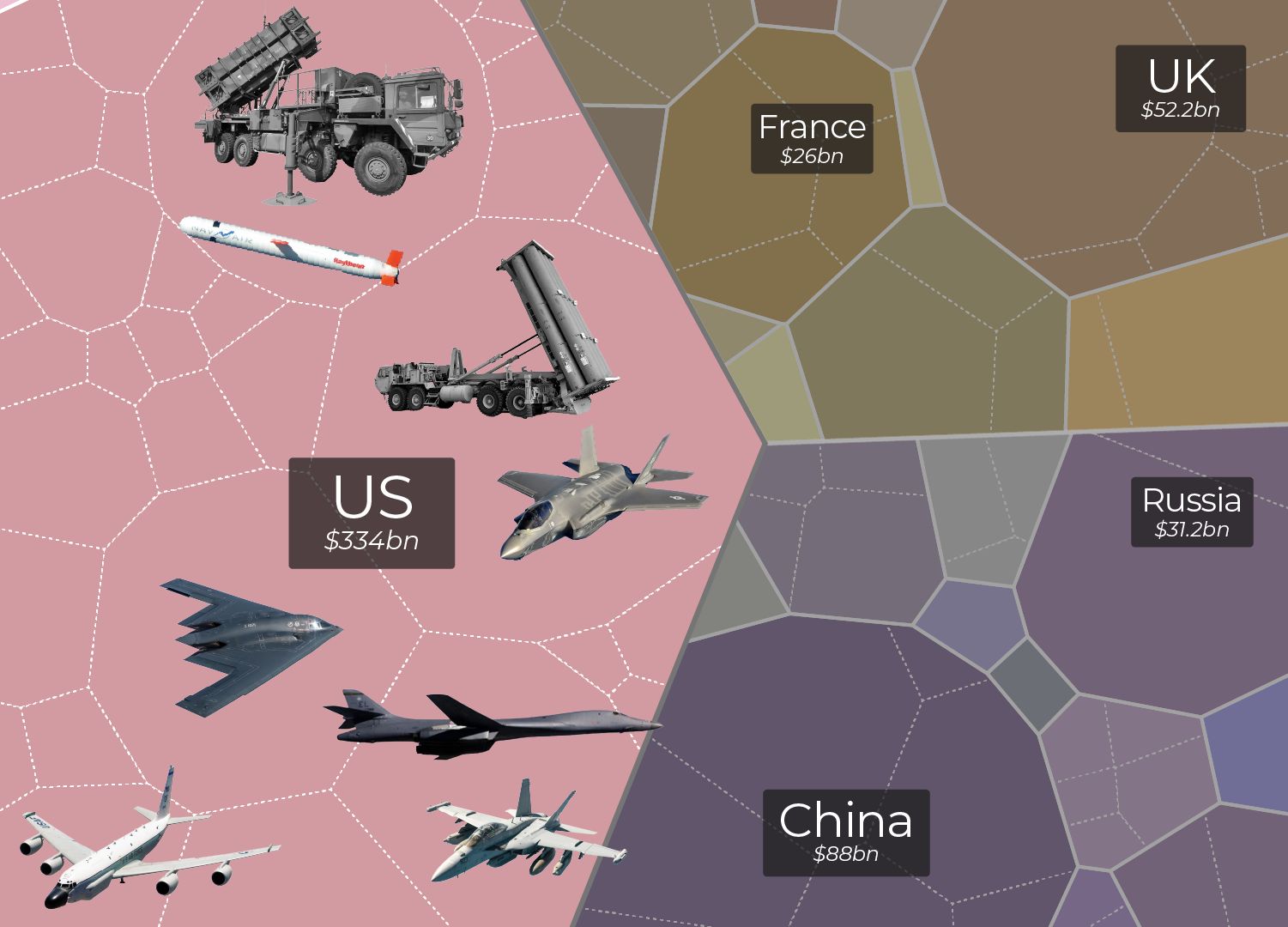
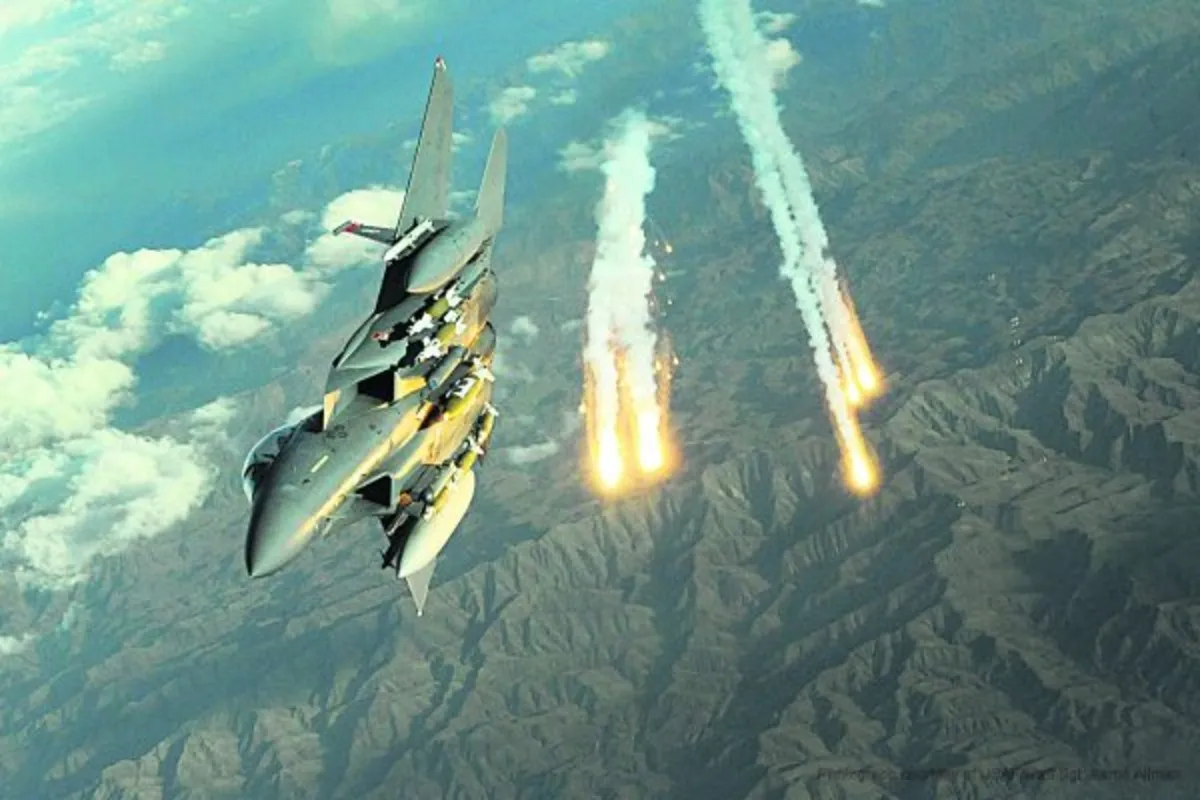
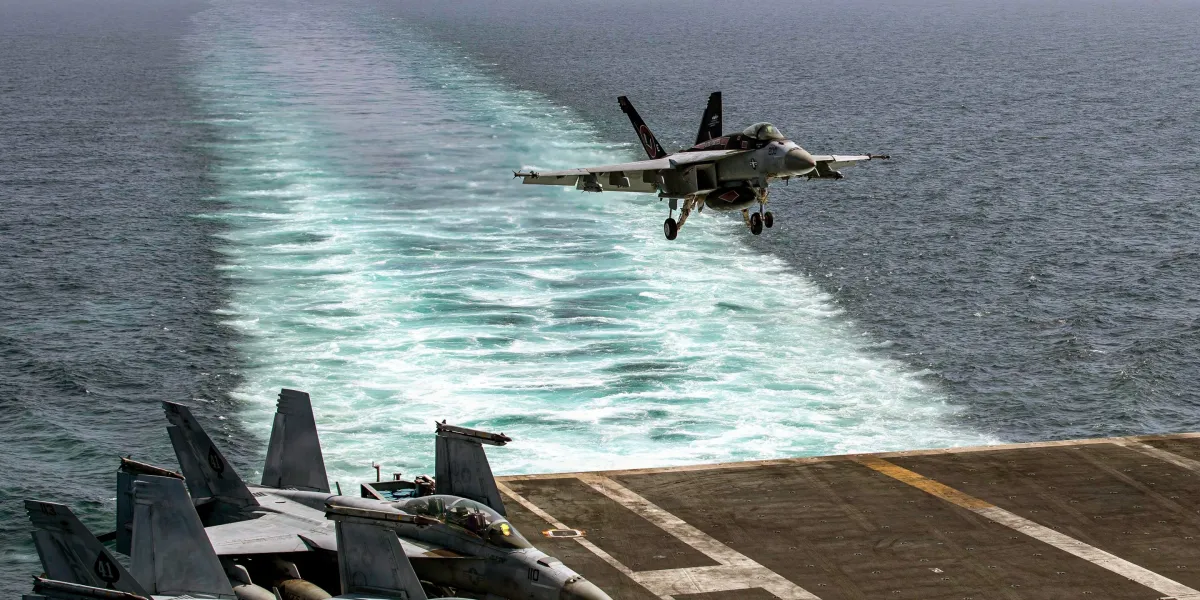
At first glance, the selloff seems counterintuitive. The Pentagon has fired thousands of high-end munitions during the conflict, including more than 1,000 Tomahawk cruise missiles and hundreds of THAAD, Patriot, and SM-3 interceptors to protect U.S. and allied forces, according to the Center for Strategic and International Studies. Replenishing those depleted stockpiles is likely to benefit defense contractors, on top of the Trump administration’s push for a $1.5 trillion defense budget—a 42% increase.
Markets, however, have remained unimpressed. According to Guy Rozentsveig, managing director in industries at investment bank Solomon Partners, one reason is simple: “The consensus opinion is that a lot of that good news was already priced in.”