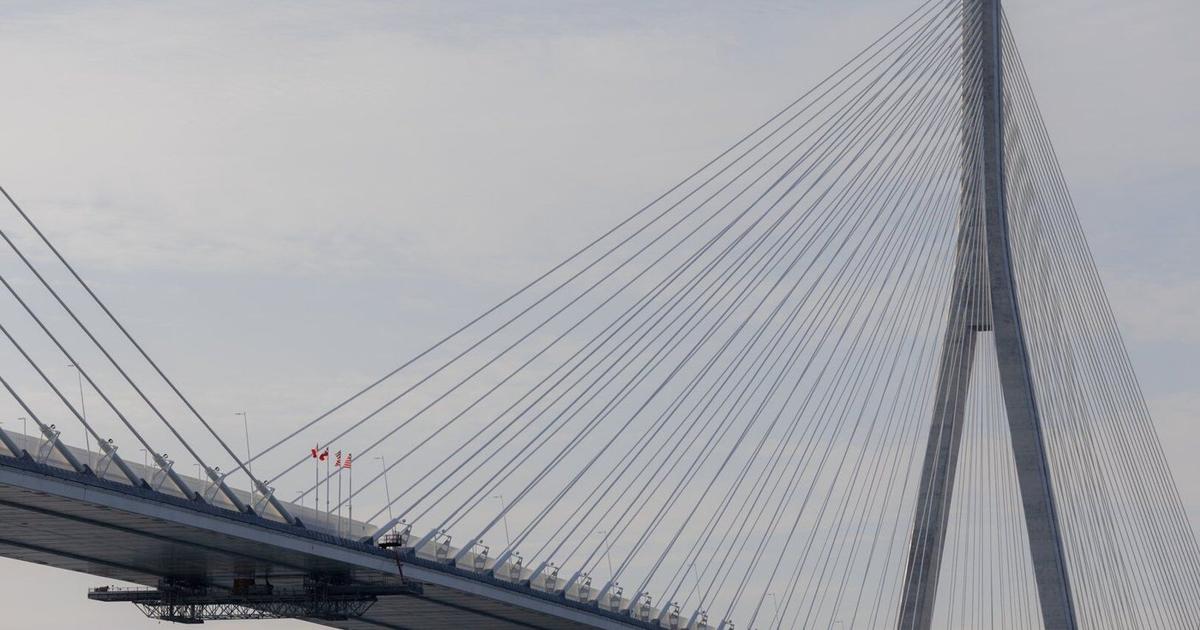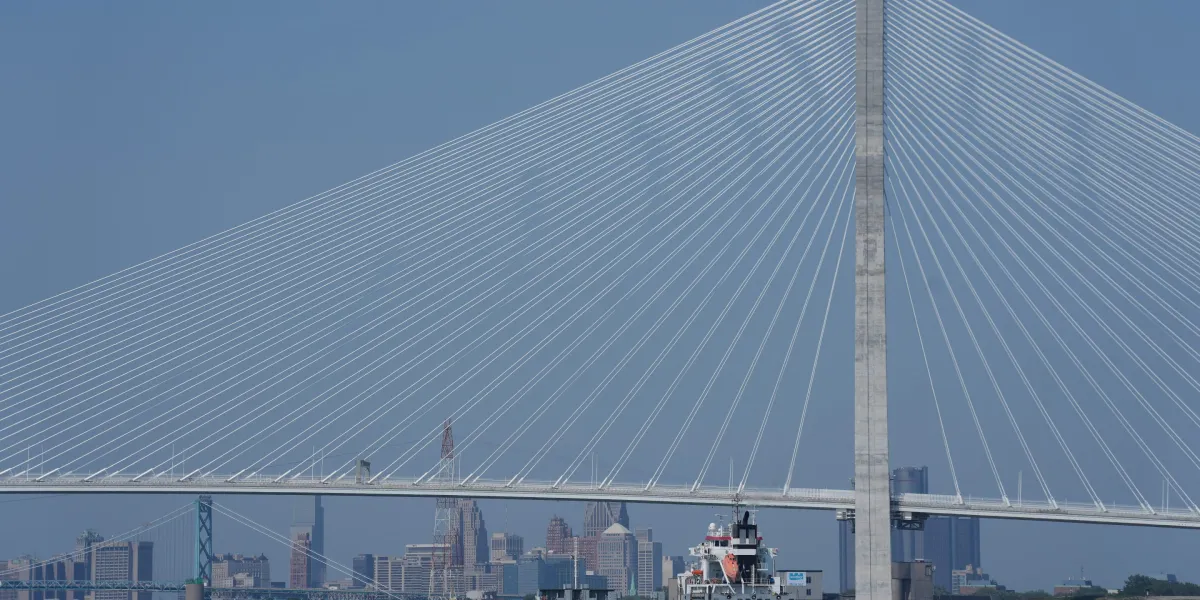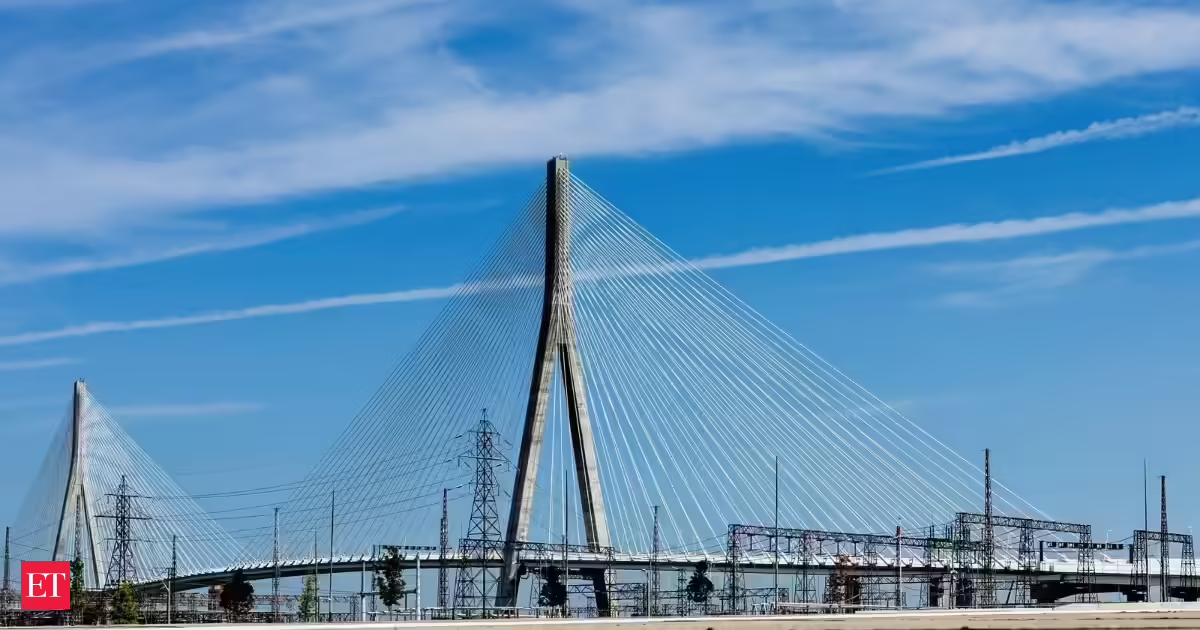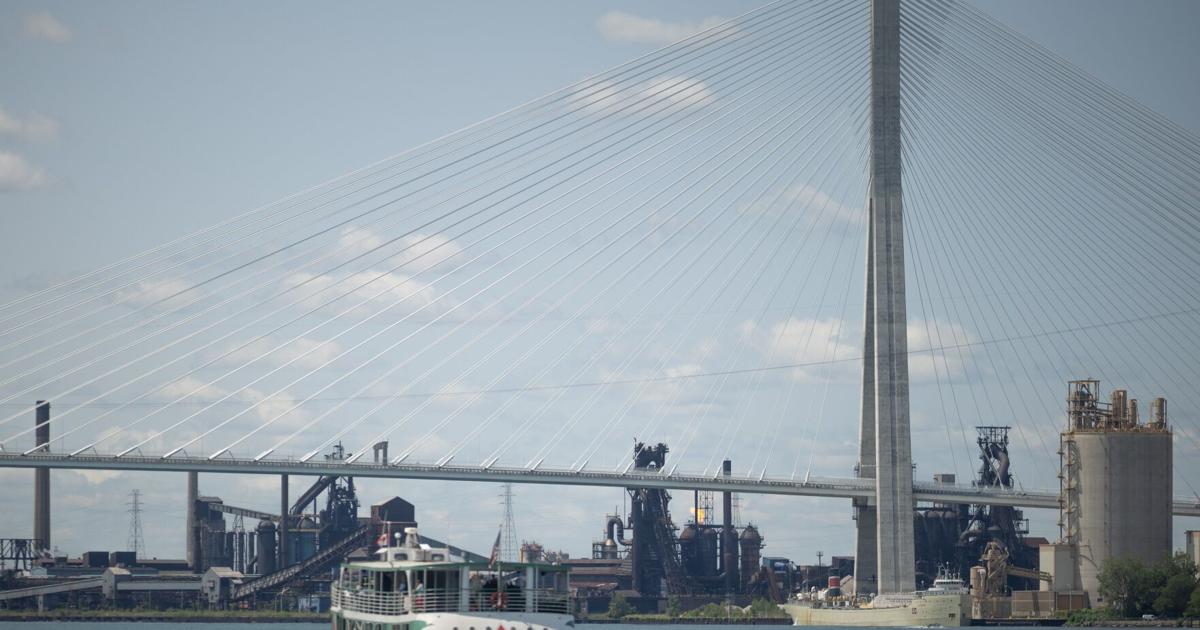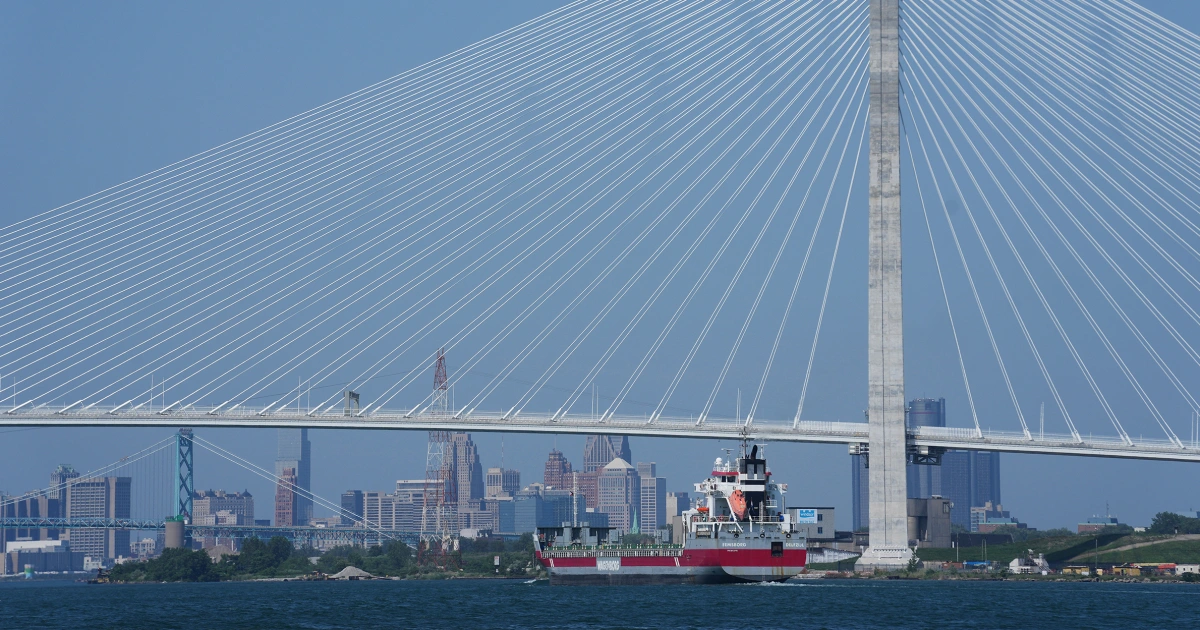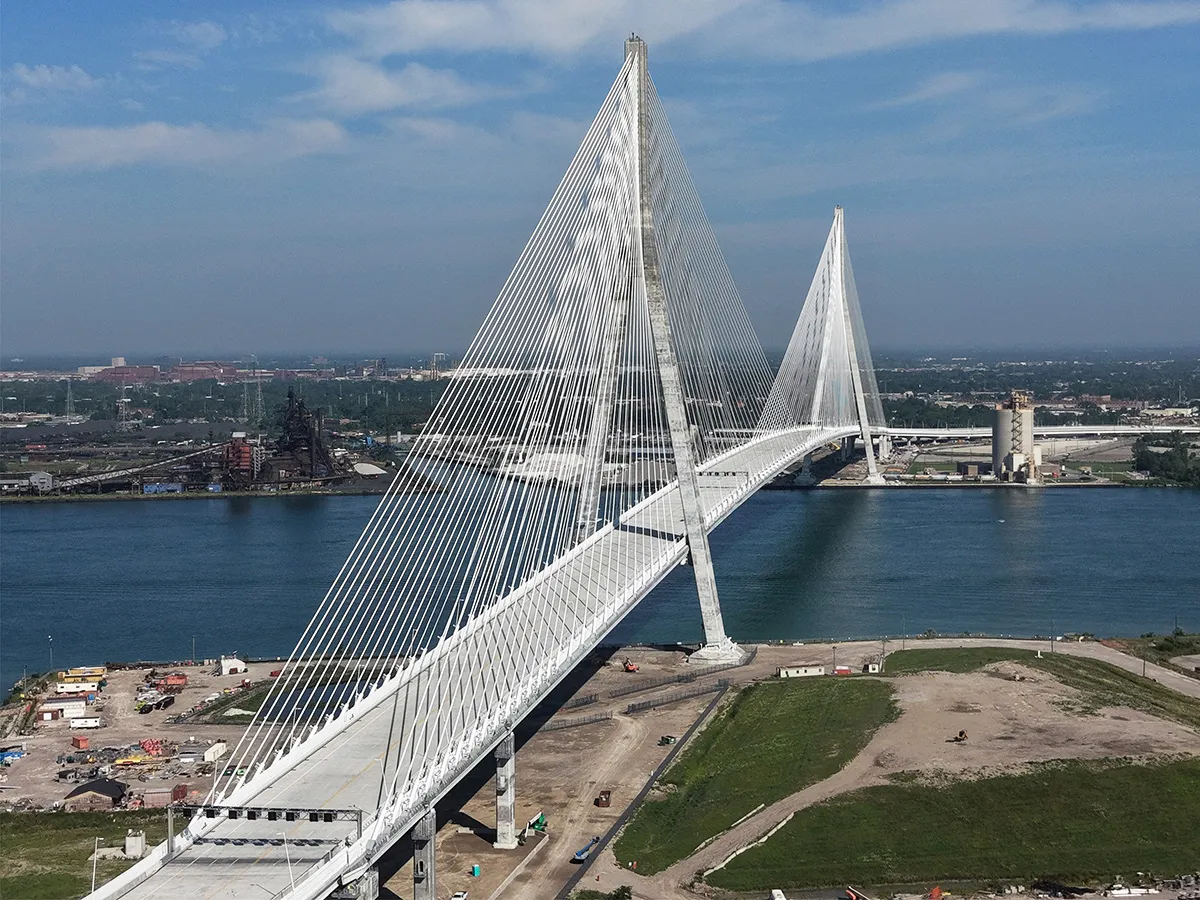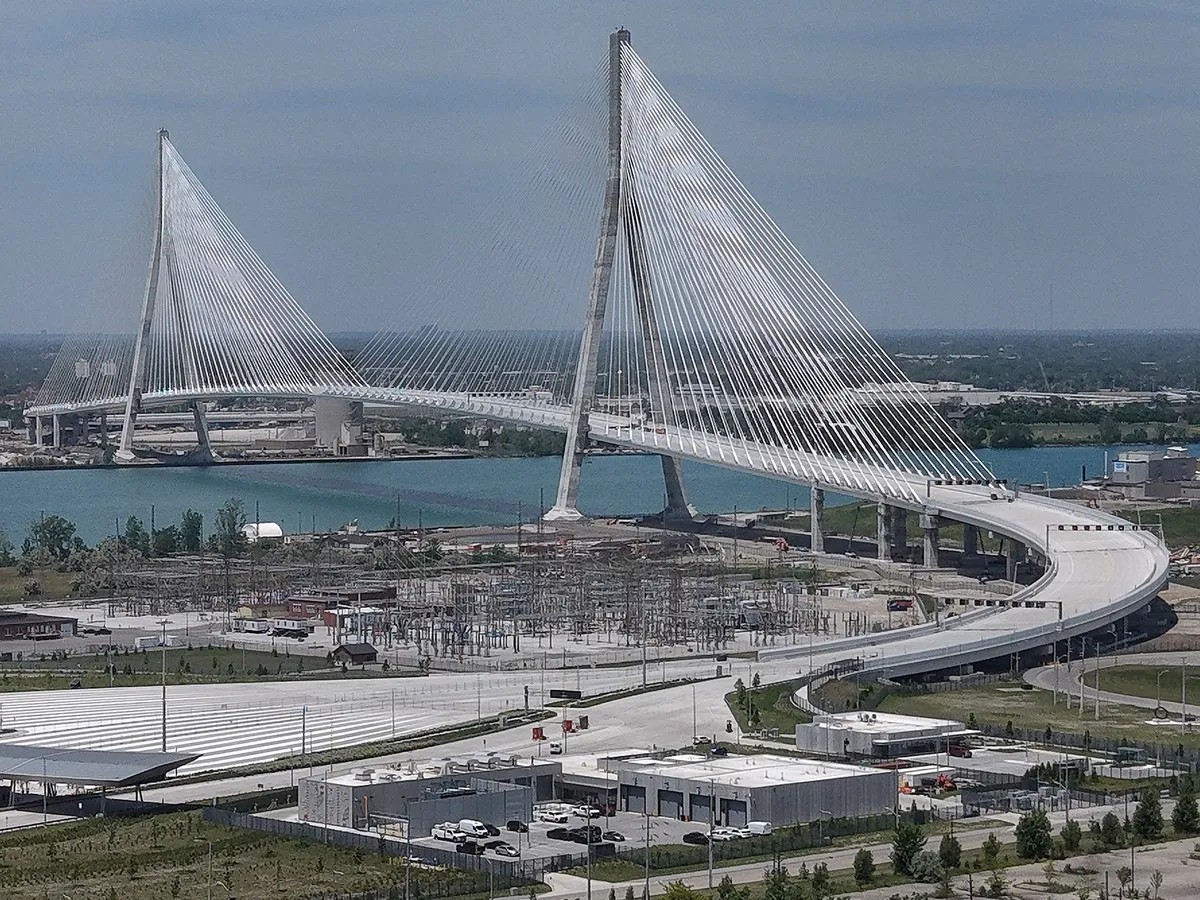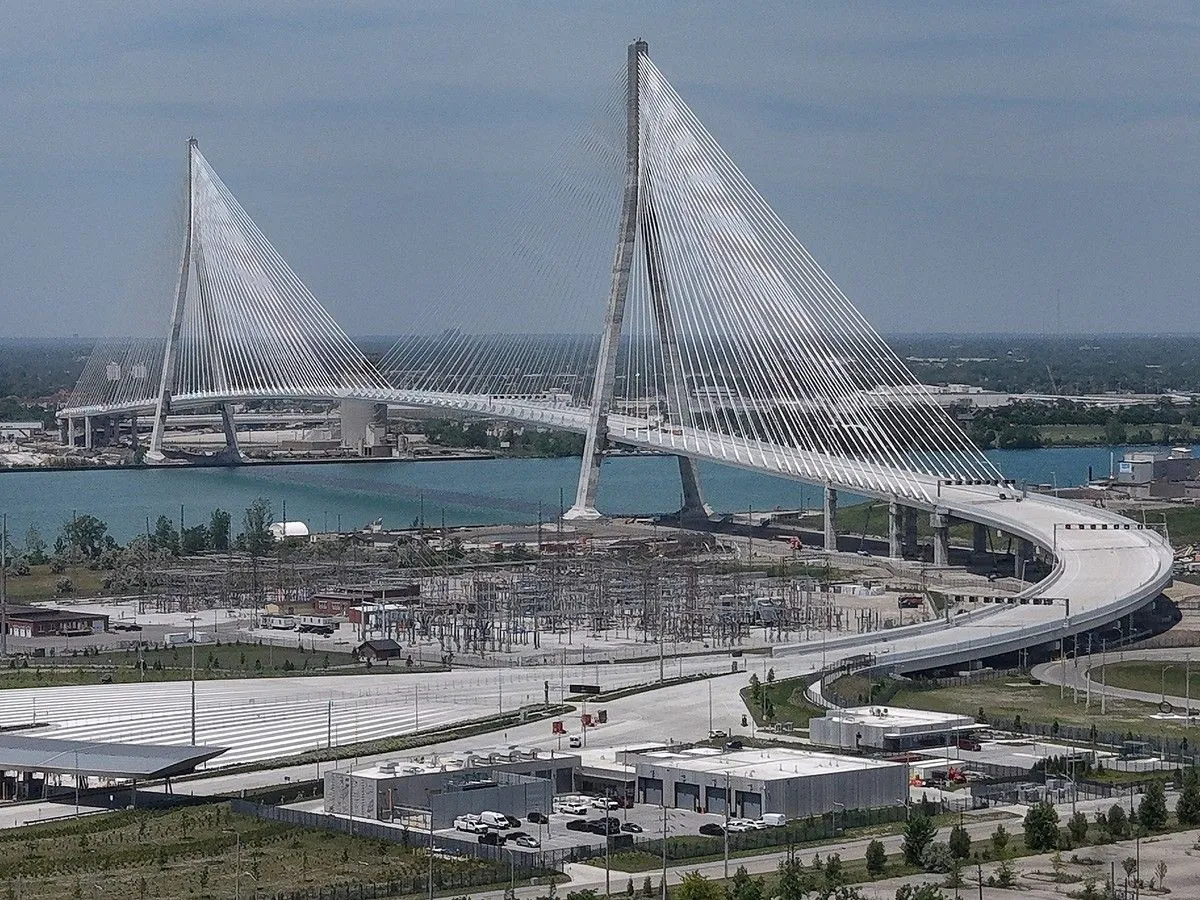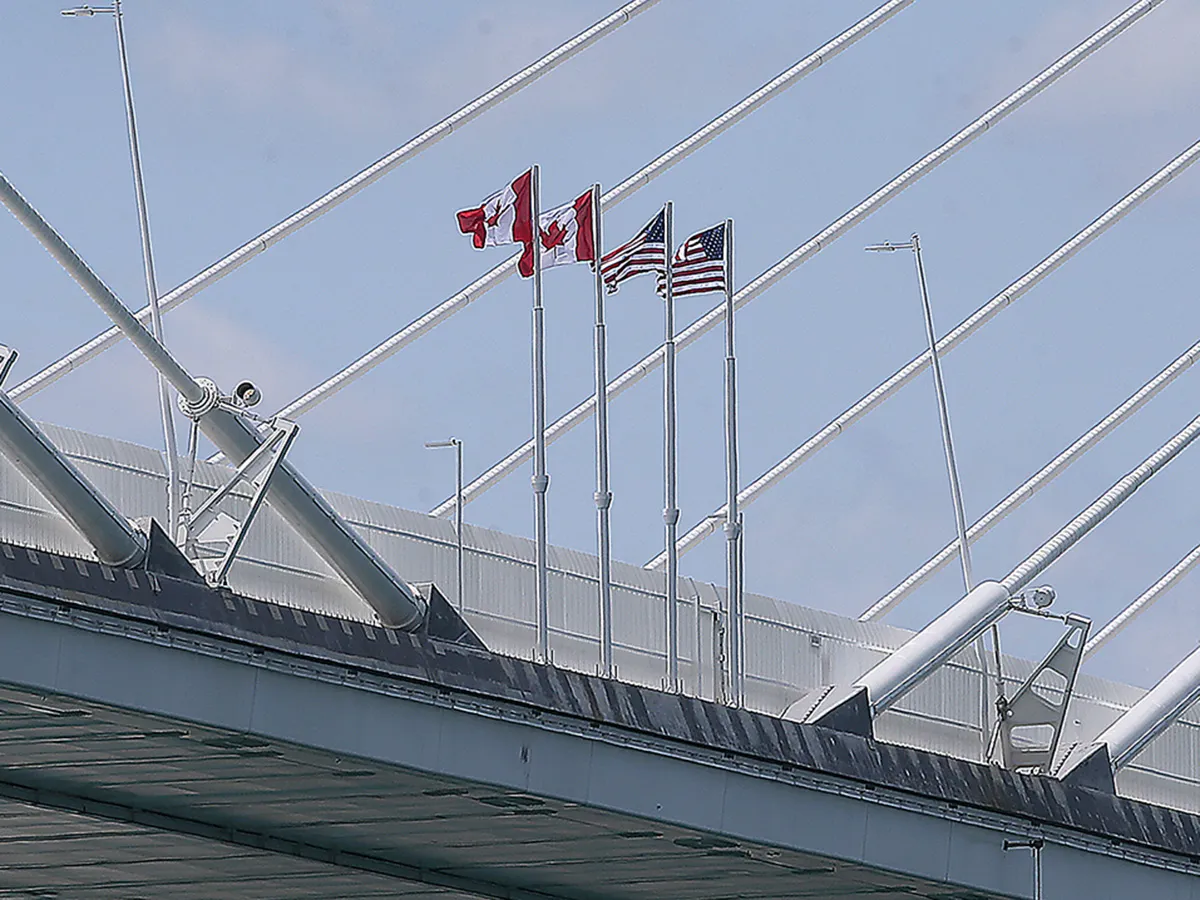
Skip to Content Subscribe Our Offers My Account Manage My Subscriptions FAQ Newsletters Canada Canadian True Crime Canadian Politics Health World Israel & Middle East Financial Post NP Comment Longreads Puzzmo Diversions Comics NP News Quiz New York Times Crossword Horoscopes Life Eating & Drinking Style Sponsored Play for Ontario Travel Travel Canada Travel USA Travel International Cruises Travel Essentials Culture Books Celebrity Movies Music Theatre Television Business Essentials Advice Lives Told Tails Told Shopping Buy Canadian Home Living Outdoor Living Kitchen & Dining Tech Style & Beauty Personal Care Entertainment & Hobbies Gift Guide Travel Guide Amazon Prime Day Deals Savings National Post Store More Sports Hockey Baseball Basketball Football Soccer Golf Tennis Driving Vehicle Research Reviews News Gear Guide Obituaries Place an Obituary Place an In Memoriam Classifieds Place an Ad Celebrations Working Business Ads Archives Healthing Epaper Manage Print Subscription Profile Settings My Subscriptions Saved Articles My Offers Newsletters Customer Service FAQ Newsletters Canada World Financial Post NP Comment Longreads Puzzmo Diversions Life Shopping Epaper Manage Print Subscription HomeNewsCanadaWorldWhy the Gordie Howe International Bridge was 'a bad deal for Canada from the start'The new six-lane bridge connecting Windsor, Ont., to Detroit, Mich., is a grand, ambitious structure — and ‘a sweetheart deal for the U.S.’Last updated 0 minutes ago You can save this article by registering for free here. Or sign-in if you have an account.Canadian and American flags on the Gordie Howe International Bridge on Wednesday, July 22, 2026.We learned this week the outcome of Canada’s gunpoint re-negotiation with the United States over revenue from the new Gordie Howe International Bridge, an impressive $6.4-billion cross-border span that Canada paid for and is now finally able to open for traffic on Monday.Enjoy the latest local, national and international news.Exclusive articles by Conrad Black, Barbara Kay and others. Plus, special edition NP Platformed and First Reading newsletters and virtual events.Unlimited online access to National Post.National Post ePaper, an electronic replica of the print edition to view on any device, share and comment on.Daily puzzles including the New York Times Crossword.Support local journalism.Enjoy the latest local, national and international news.Exclusive articles by Conrad Black, Barbara Kay and others. Plus, special edition NP Platformed and First Reading newsletters and virtual events.Unlimited online access to National Post.National Post ePaper, an electronic replica of the print edition to view on any device, share and comment on.Daily puzzles including the New York Times Crossword.Support local journalism.Create an account or sign in to continue with your reading experience.Access articles from across Canada with one account.Share your thoughts and join the conversation in the comments.Enjoy additional articles per month.Get email updates from your favourite authors.Create an account or sign in to continue with your reading experience.Access articles from across Canada with one accountShare your thoughts and join the conversation in the commentsEnjoy additional articles per monthGet email updates from your favourite authorsSign In or Create an AccountorThe reality of the forced amendments — hammered out under threat from U.S. President Donald Trump who demanded changes to a long-standing binational contract at the eleventh hour — is not so much that it makes the new bridge a terrible deal for Canada, it’s that the changes made a bad deal even worse, according to a source with high-level knowledge of the business of border infrastructure.“The original deal makes me wonder why Trump was moping about it being a bad deal. It was a steal for the U.S., an absolute steal,” said the cross-border specialist who requested their name not be published as they are not authorized to discuss the matter.Get a dash of perspective along with the trending news of the day in a very readable format.By signing up you consent to receive the above newsletter from Postmedia Network Inc.A welcome email is on its way. If you don't see it, please check your junk folder.The next issue of NP Posted will soon be in your inbox.We encountered an issue signing you up. Please try again“It was already a sweetheart deal. Trump didn’t need to do anything more to make it a great deal. At the time, everyone in the bridge community all said the same thing: This is a sweetheart deal for the U.S.“Canada was screwed from the beginning. It was a bad deal for Canada from the start, and it will continue to be a bad deal for Canada moving forward.”Economically, it might make the Gordie Howe a bridge too far.The new six-lane bridge connecting Windsor to Detroit with a main span of 853 metres, the longest of its kind on the continent, is an ambitious and grand structure that took 26 years to create.Visually, with tall towers anchoring splays of 216 diagonal steel cables, it evokes the masts and rigging of sailing ships of yore, like the clippers run by American privateers during the War of 1812 that hijacked merchant shipping.Looking at the bridge’s economics, its imagery of something out of step with its time seems appropriate, despite its modern amenities; and with recent events, conjuring American raiders of the past aiming north of the border also seems suitable.The bridge project formally began in 2012 when a deal was signed by the government of Canada and the state of Michigan for a new border-straddling bridge. The deal created the Windsor-Detroit Bridge Authority (WDBA), a Canadian not-for-profit Crown corporation, that would fund construction of the bridge, the plazas for customs facilities, and connecting the bridge to the highway systems in both countries.The deal stipulated that all tolls from bridge traffic in both directions will be collected only on the Canadian side, and used to reimburse Ottawa for funding the project before sharing revenue with Michigan.While the business case for a new bridge was debated, its name appealed on both sides of the border, in honour of Gordie Howe, a much-loved and respected Canadian hockey star who spent 25 seasons in the NHL bringing the Detroit Red Wings to glory. Howe died in 2016, two years before bridge construction began.This January, the new bridge was given final approval by Trump’s administration as an official port of entry into the United States. Washington noted the bridge aligned with the mission of U.S. Customs and Border Protection (CBP) by “protecting the American people, safeguarding our borders, and enhancing the nation’s economic prosperity.”This February, however, as the opening of the bridge drew close, Trump took a more personal interest in it and announced he would block its opening until Canada “compensated” the U.S. “for everything we have given them.” He demanded American ownership of “at least half” of the bridge. A view of the Canadian side of the Gordie Howe International Bridge. Photo by Dan Janisse/Windsor Star/PostmediaTrump’s demands triggered unhappy negotiating that ended this month with an agreement to amend the original deal, allowing the bridge to open but requiring Canada, for the next 15 years, to share half the bridge’s revenue with the U.S., after recovering operating costs, but before repaying its debt.Trump’s much publicized amendments, however, might not make much of a real-world difference, according to an analysis by a cross-border infrastructure insider. That’s not because Canada won at the negotiating table this month, but because Canada cut such a lousy deal in 2012.The question now is, given the economic outlook for the bridge, will there be any operating profit at all to share.The new bridge was originally pitched to alleviate high traffic volume at other border crossings. The WDBA’s own published origin story roots its timeline in 2000 with “concerns that the existing Ontario-Michigan crossings would not support the anticipated increase in traffic.”That increase never came. Instead, traffic plummeted.From that start in 2000 through to 2024, when ironworkers building from both sides joined their segments over the Detroit River, cross-border traffic with Ontario dropped 41 per cent.According to figures provided by the Bridge and Tunnel Operators Association — a binational organization of operators of 13 bridges and tunnels connecting Ontario to Michigan, New York, and Minnesota — even with the rebound after COVID lows, traffic kept dropping. It is down for passenger vehicles and for trucks.Combined truck and passenger vehicle crossings over the Ambassador Bridge — just 3.5 kilometres downriver from the Gordie Howe bridge — has dropped almost by half, from 12,220,000 in 2000 to 6,226,578 in 2024.The spiral isn’t unique to the Ambassador. Traffic on the Blue Water Bridge across the St. Clair River at Sarnia, Ont., is down 33 per cent during the same time. The Peace Bridge connecting Buffalo, N.Y., to Niagara Falls, Ont., is down 42 per cent. To the northwest, the Sault Ste. Marie International Bridge is down 58 per cent.The downturn in traffic is pinned on many things, such as requiring passports to cross the border after the 9/11 terror attacks, shifting U.S. trade to Mexico, relocated manufacturing, the value of the Canadian dollar, less interest in cross-border shopping, and, more recently, Trump’s tariffs and decreased interest in visiting.With the new bridge, dropping traffic volume will be divided further. Drivers diverting to the Gordie Howe could cut the Ambassador’s traffic in half, the border crossing insider said.“The Gordie Howe bridge was built under what I would term very optimistic traffic projections. Those traffic projections are not going to be met.”One future-facing feature the Gordie Howe offers is free pedestrian and bike lanes.The U.S. CBP facilities on the American side of the bridge are on a 68-hectare site, one of the largest border facilities in North America. On the Canadian side, facilities for the Canada Border Services Agency (CBSA) cover 53 hectares.It includes 36 primary inspection lanes and 41 secondary inspection bays on the U.S. side, and 24 primary inspection lanes and 16 secondary inspection bays in Canada.Canadian taxpayers paid to build it all.Further, according to the U.S. General Services Administration, the Gordie Howe site does not require the U.S. to pay any rent for its large presence on the American end of the bridge. The WDBA’s deal for the U.S. border post lasts 20 years with four 20-year options, likely stretching it to a rent-free century.That’s a rarity for border infrastructure, where the U.S. government typically pays rent for their facilities.Across Canada, the Customs Act requires operators of international bridges, tunnels, railways, airports and ports to provide free facilities for Canadian border agents. At most borders, the cost of providing free CBSA facilities is roughly cancelled by revenue from U.S. CBP facilities on the other side.Not at the Gordie Howe, where the WDBA gets no rent from either side. The bridge authority is also required to pay to maintain all of it.Tolls from border traffic — particularly from commercial trucks — are the big money maker for border infrastructure, but there is another way to pump it up: Duty free goods such as gas, booze, tobacco and food.The Gordie Howe bridge doesn’t offer any of that.“At the Ambassador Bridge, what you have on the U.S. side is duty-free diesel fuel and gas,” said the insider. “If you’re a trucker and you’re going into Canada and you can fill up duty-free, why would you cross at the Gordie Howe bridge?” Toll booths at the Gordie Howe International Bridge. Photo by JEFF KOWALSKY/AFP via Getty ImagesThere also aren’t general goods duty-free stores at the Gordie Howe, which is unusual for a large crossing. It leaves the bridge without a boost to nudge up revenue.Drivers not needing duty free may make a different route calculation, however, as the base tolls to cross the Ambassador are considerably more expensive than at the Gordie Howe.Stephen Laskowski, chief executive of the Canadian Trucking Alliance, said commercial carriers are happy to have the new crossing. Representing more than 5,500 carriers, he said the direct highway access at both ends of the Gordie Howe is appealing to trucking and increased competition will likely lower tolls everywhere.“You’re going to see some significant shifts in traffic towards the Gordie Howe bridge,” Laskowski said. “It’s just more relief than anything that they can now implement some logistical plans into their operations that are going to introduce savings.”In Prime Minister Mark Carney’s shifting descriptions of the amended deal, he said net proceeds from the bridge would be minimal or negative in the early years. It seems a recognition of the challenge of profitability.At the Gordie Howe, the base rate for a passenger vehicle is US$5.75 while a commercial vehicle costs US$8.75 for each axle on the truck. It is cheaper if using a pass.For a simplistic modelling estimate, assume the new bridge attracts half of the traffic that is currently crossing the Ambassador Bridge; that half of all traffic uses the cheaper pass rate; and all trucks are the common configuration of an 18-wheeler with five axles.Those tolls would generate about $45 million a year.The bridge’s operating expenses, however, will be double that, at least, the border expert estimates, giving a lowball estimate of $90 million.Under the bridge agreement, the WDBA pays a private sector partner, a business consortium called Bridging North America, $1.9 billion over the next 30 years to run the bridge’s day-to-day operations. That is about $63.5 million a year from WDBA regardless of traffic volume.The WDBA has other expenses, too.“They have their own staff. They have a PR department. They have marketing. They have a whole staff and their own facilities,” the border source said. Those sorts of additional expenses could be $10 million. The WDBA also must pay taxes to the city of Windsor for its facilities on the Canadian side, estimated to be in the millions. Children play hockey during the opening ceremony for the Gordie Howe International Bridge in Windsor, Ont., on July 24, 2026. Photo by JEFF KOWALSKY/AFP via Getty ImagesGiven the operating expenses and diminishing traffic, even without paying off the debt, this modelling estimate suggests it will be hard to find any profit to share with the U.S. — or with Canada’s taxpayers.“It will never ever be able to get to the point where you have paid off that capital investment, never,” said the border source, but there’s also a reasonable chance the bridge won’t even cover routine operations.Public infrastructure isn’t just about making money, of course. Value comes from more than tolls.Even if it isn’t the deal Canadians wanted, it doesn’t mean the Gordie Howe bridge isn’t an important and beneficial project, said Windsor’s mayor, Drew Dilkens.“I expect very little money will actually flow, if any at all, into that (U.S.) regional economic development fund over 15 years,” Dilkens said of the new revenue sharing clause pushed by Trump. “Regardless of the outcome, this bridge will exist for more than a hundred years leaving plenty of time to ensure Canada is repaid the full cost of construction.”He said the Gordie Howe bridge offers a big boost to the economy and local industries, particularly in the auto industry. “Getting auto parts to assembly plants quickly and reliably further supports our primary industry,” he said.Dilkens said that the bridge being “in the hands of a government entity and not held under private ownership” brings stability, diversity and security.Ryan Donally, chief executive of the Windsor Essex Chamber of Commerce, expects the bridge to experience gradual growth as traffic adjusts to a new option.Beyond the tolls and traffic and routing, Donally said, the Gordie Howe brings an importance that is not tracked by accountants or appearing on spreadsheets.It brings greater security.He noted the pandemic protest blockade in 2022 that shut down the Ambassador Bridge, disrupting billions of dollars in trade and forcing manufacturing shutdowns.“It comes down to economic safety, but also national security,” Donally said. “If I recall, the original discussion that we needed another border crossing is because of 9/11 and recognizing that having redundancy is having safety.”A request for comment from the WDBA about its finances, the bridge’s economic challenges, and on the analysis by the border specialist went unanswered prior to publication deadline.With additional reporting by the Windsor StarOur website is the place for the latest breaking news, exclusive scoops, longreads and provocative commentary. Please bookmark nationalpost.com and sign up for our daily newsletter, Posted, here. Join the Conversation This website uses cookies to personalize your content (including ads), and allows us to analyze our traffic. Read more about cookies here. By continuing to use our site, you agree to our Terms of Use and Privacy Policy.
Why the Gordie Howe International Bridge was 'a bad deal for Canada from the start'
The new six-lane bridge connecting Windsor, Ont., to Detroit, Mich., is a grand, ambitious structure — and "a sweetheart deal for the U.S."
2,706 words~12 min read