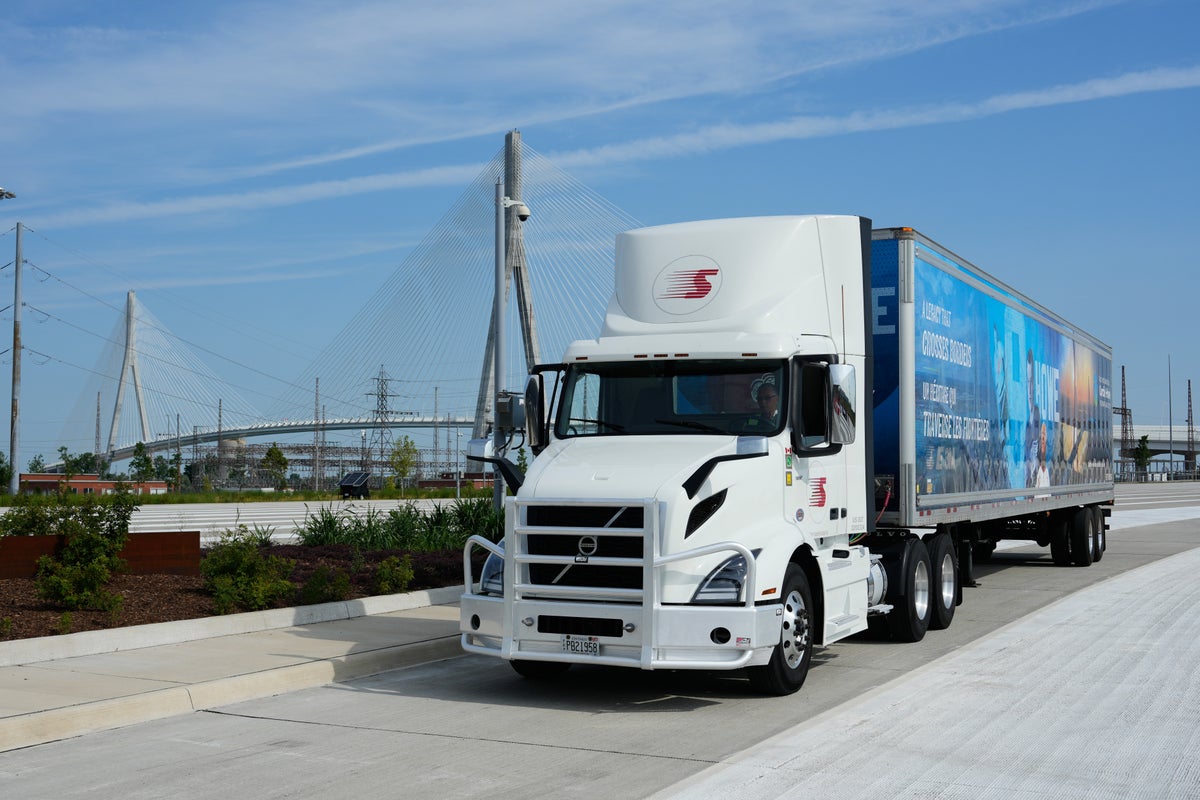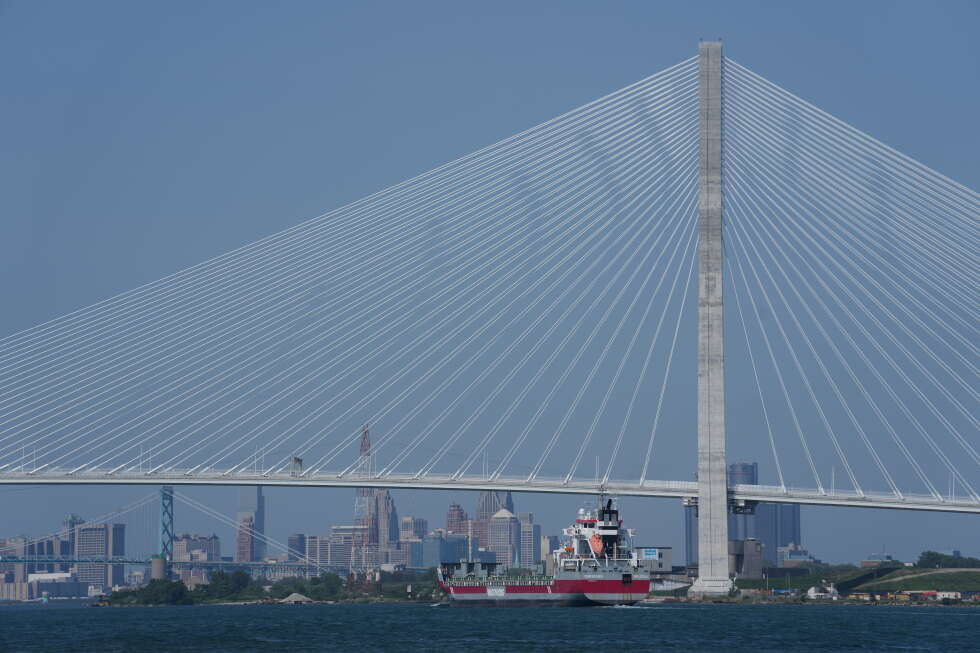
On Monday, the Gordie Howe International Bridge will open to traffic for the first time. The structure connects Detroit, Michigan, in the U.S., with Windsor, Ontario, in Canada, and provides a new link between the two countries. The opening also comes during a time of increased trade tension, with the U.S. proposing new tariffs on certain Canadian goods.Johanne Couture has been driving a truck for 32 years. She’s based in Ontario and crosses the U.S.-Canadian border multiple times a week. She is pumped to have the Gordie Howe Bridge as an option for future drives. “It'll be faster, it'll be less congested,” Couture said. “You know, different people will go to different bridges.”An economic analysis of the Gordie Howe estimates the new bridge will save truck drivers 850,000 hours annually.Couture owns and operates her own truck-driving business and said for her, that could translate to an additional 3-5% each year in revenue. “You know there's going to be a lineup, but a half-hour lineup versus a three-hour lineup is two-and-a-half-hours of making money time that I don't lose in my day,” she said.And when trucks are running on time, that helps everyone else stay productive, said Jason Miller, a professor of supply chain management at Michigan State University.“It reduces the chance that a factory could run out of parts because, hey, a truck gets delayed two or three hours on the bridge … and you’re basically at a standstill which could cost hundreds of thousands of dollars an hour,” Miller said.However, he said this reduction in friction is being counteracted by the tariffs both countries have in place.In 2025, the U.S. exported fewer goods to Canada than the year before — and imported fewer, as well. So, even if it’s a smoother ride across the border, both countries still have to want to buy each other’s stuff.
Gordie Howe Bridge cuts U.S.-Canada trade tension — tariffs add it back
The Gordie Howe International Bridge connecting Detroit and Windsor, Ontario, opened to traffic on Monday, offering a new crossing that an economic analysis estimates will save truck drivers 850,000 hours annually.
307 words~1 min read