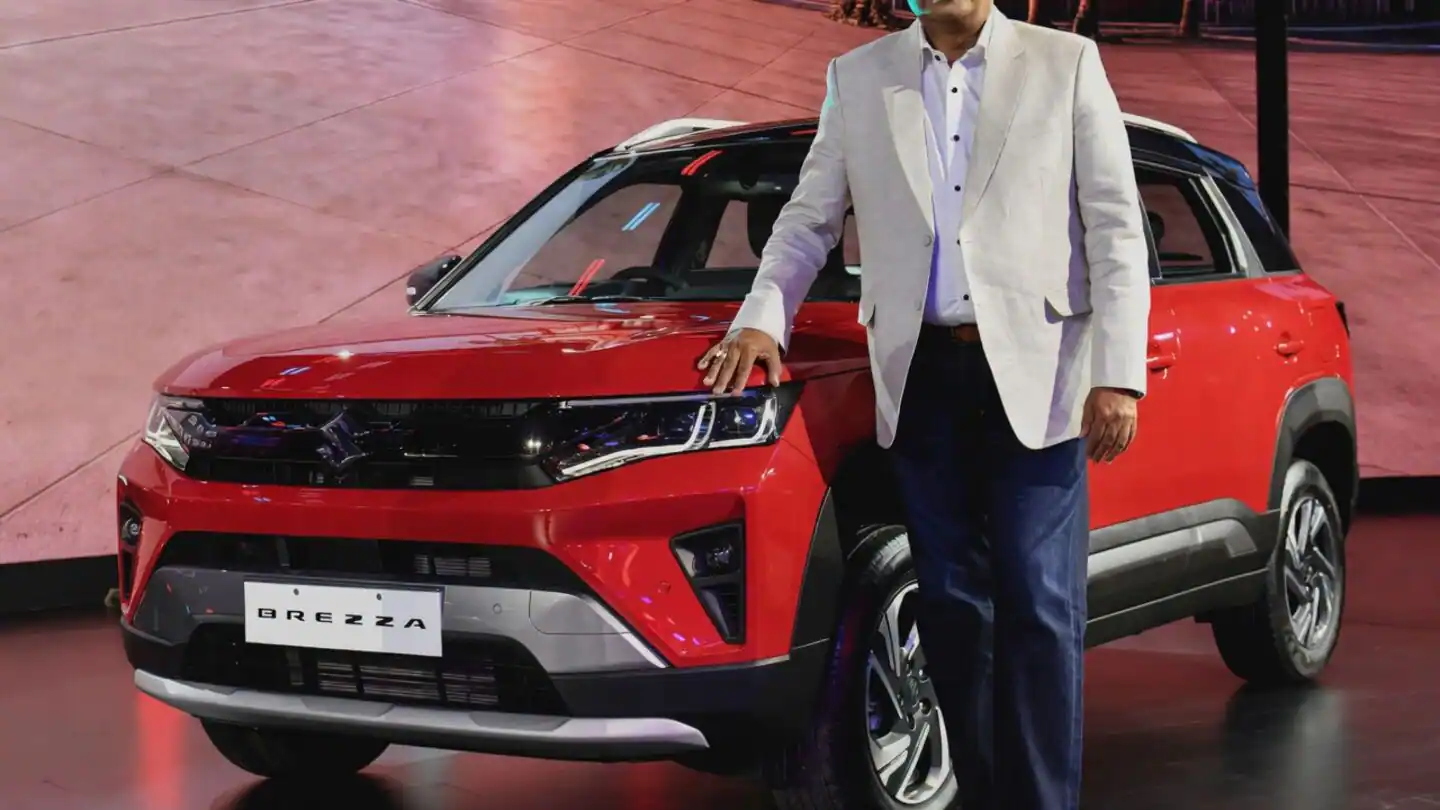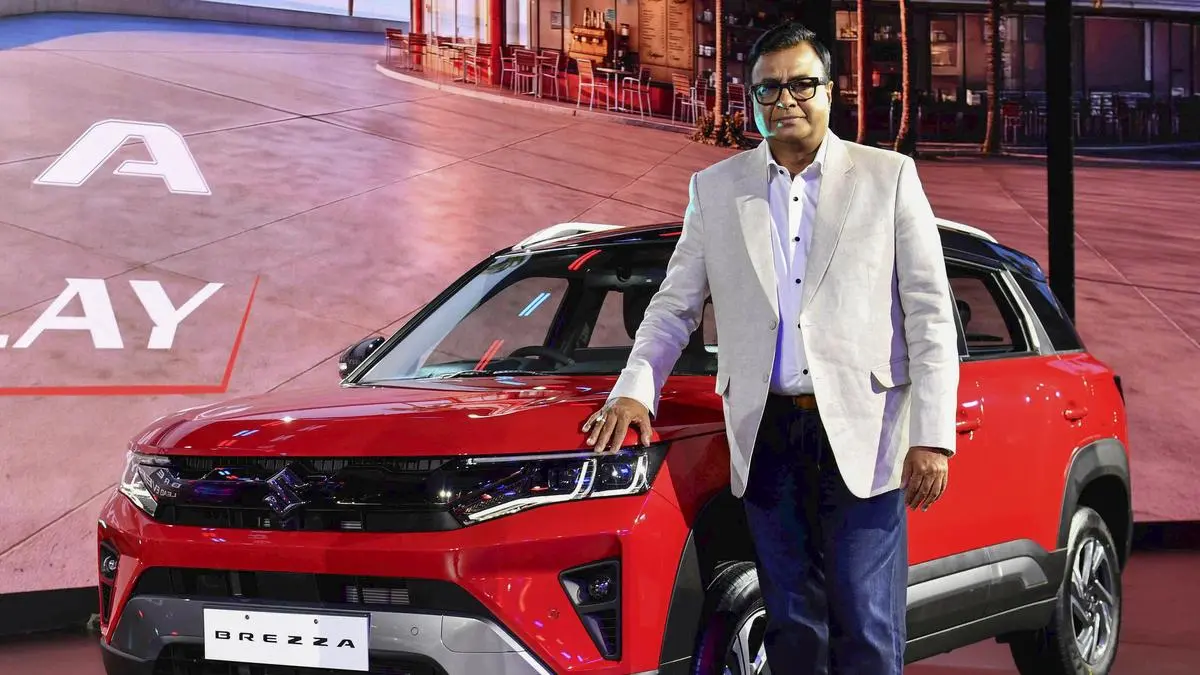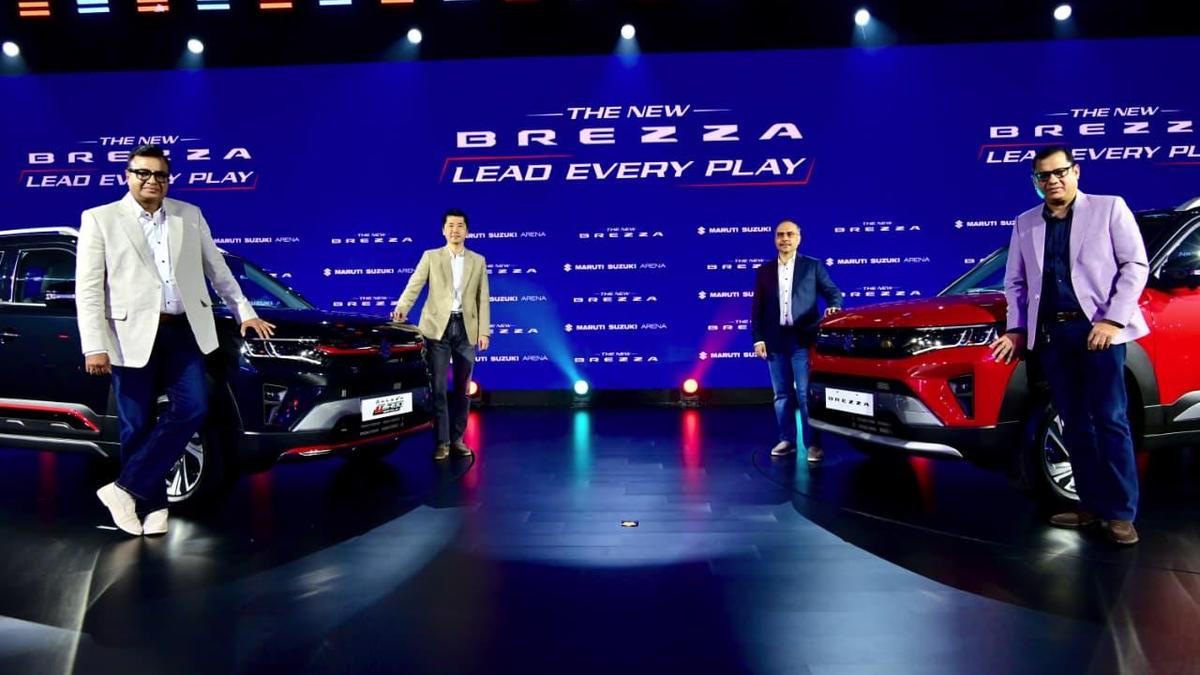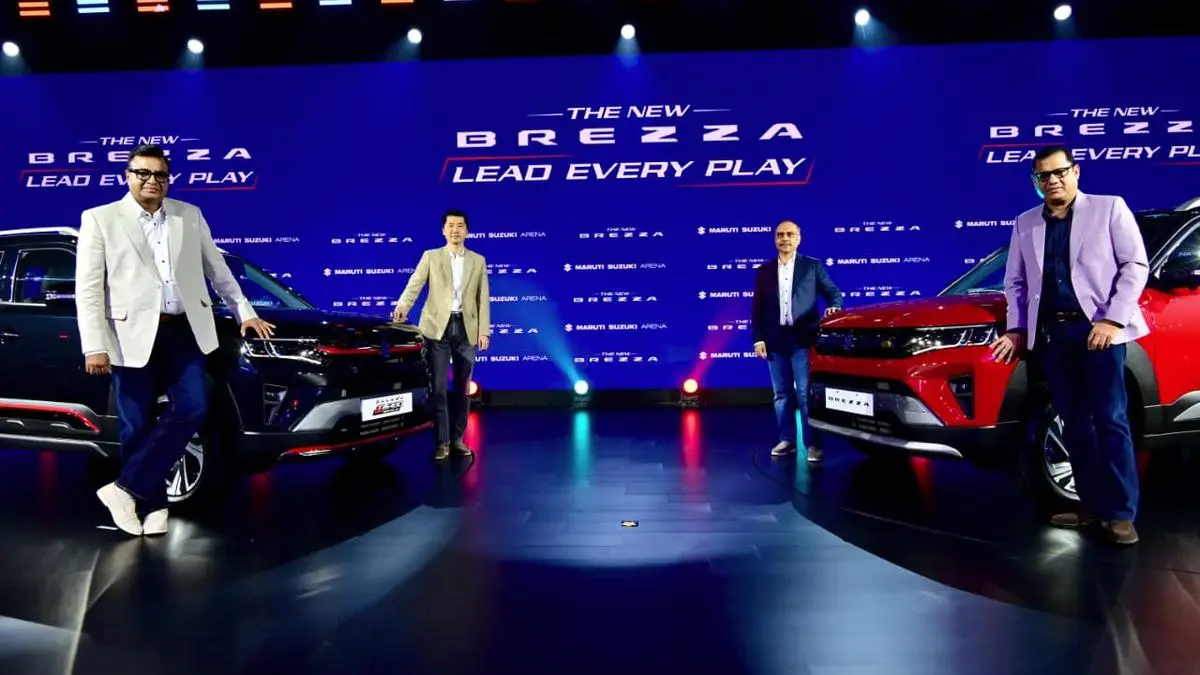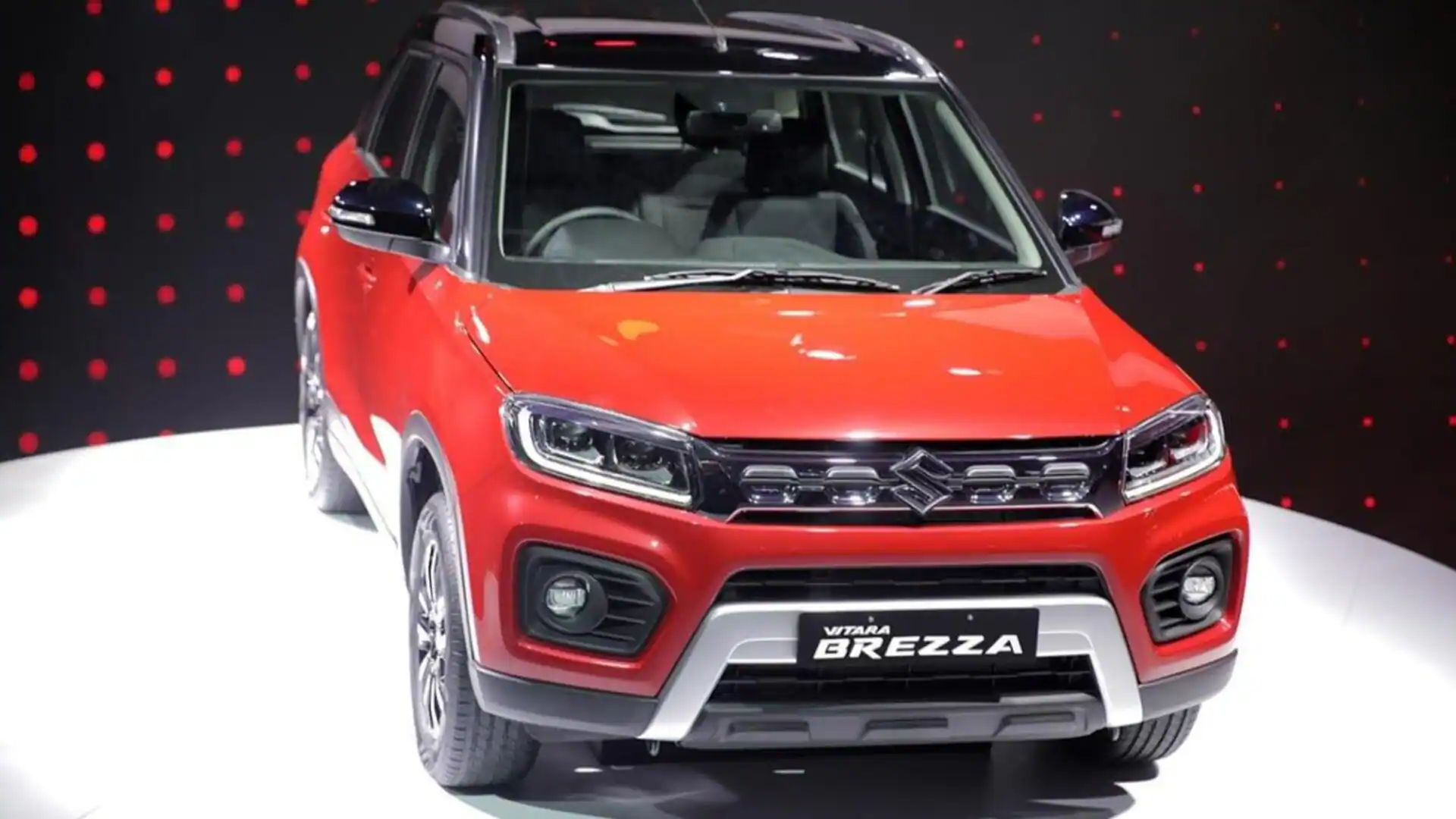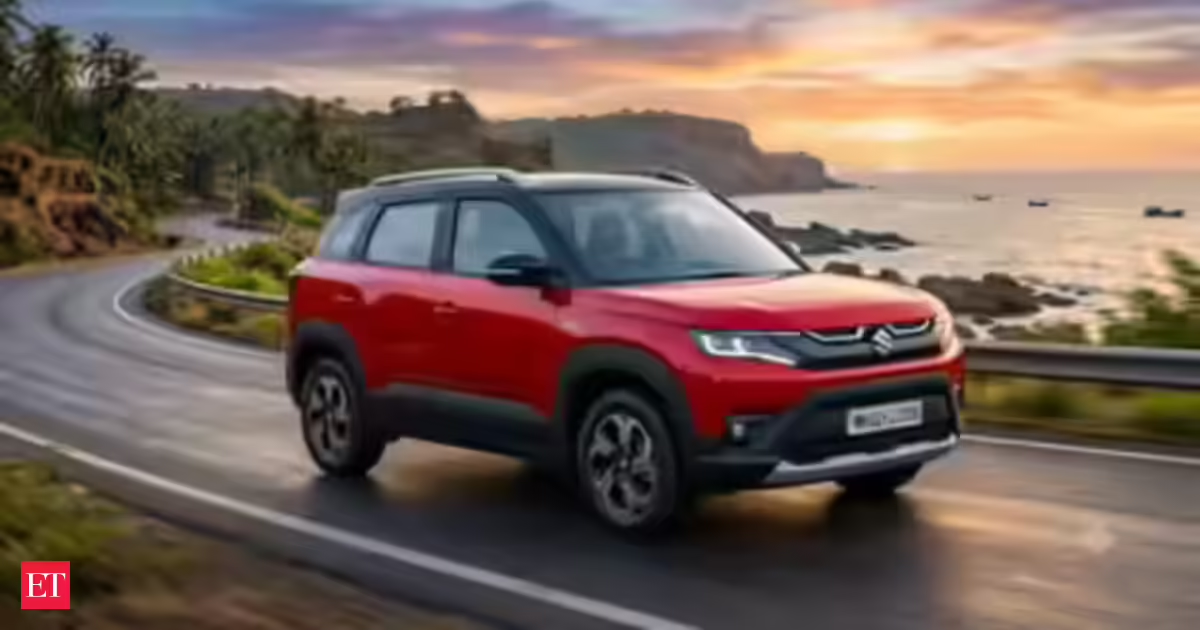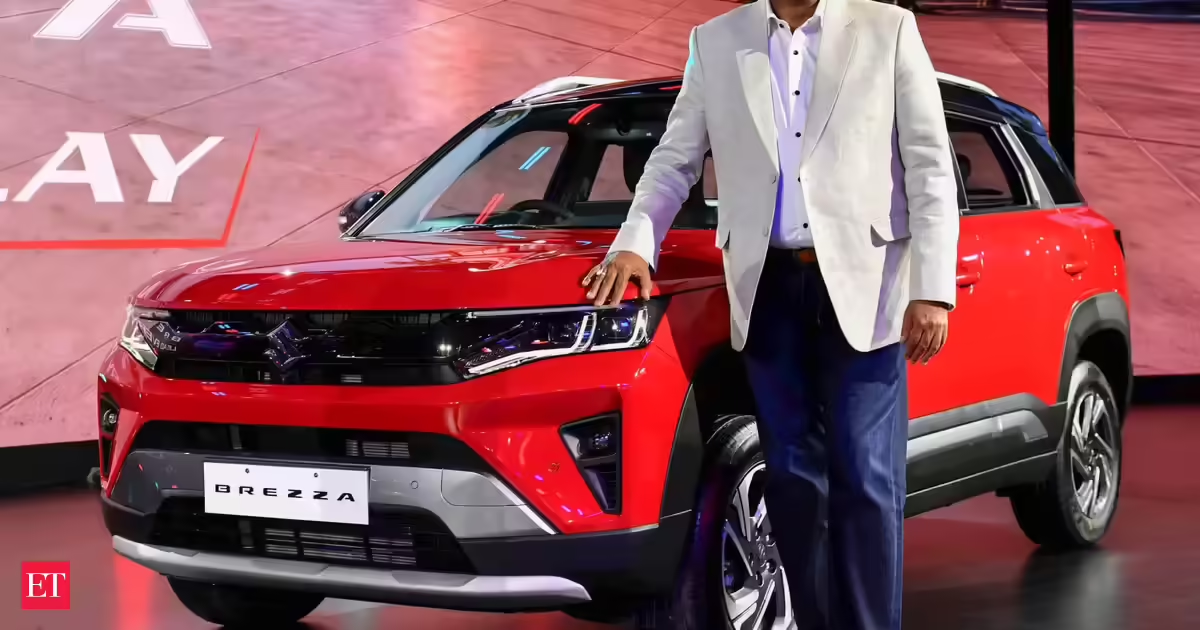
SynopsisMaruti Suzuki said it was forced to raise car prices by up to ₹30,000 after the West Asia crisis pushed up input costs, despite delaying increases for months. The company is now counting on the new Brezza SUV, e-Vitara and a multi-powertrain strategy to drive growth while defending its market leadership.PTIMaruti Suzuki links price hike to West Asia crisis, backs new Brezza growthMaruti Suzuki has linked its latest price increase to higher costs triggered by the West Asia crisis, saying it had delayed passing on the impact for as long as possible before increasing prices. At the same time, India's largest carmaker is banking on the newly launched Brezza, equipped with updated powertrain options, to strengthen its position in the highly competitive compact SUV market.Also Read: Maruti Suzuki announces price hike of up to Rs 30,000The automaker announced on Tuesday that it will increase prices by up to Rs 30,000 across its model range from August 2026. The latest revision marks another round of price increases this year as the company continues to face higher commodity, logistics and operating costs.Maruti Suzuki says West Asia crisis pushed up costsSpeaking after the launch of the new Brezza, Maruti Suzuki Senior Executive Officer (Marketing and Sales) Partho Banerjee said the company had tried to shield customers from rising costs for as long as it could."There has been cost pressure due to the West Asia crisis, and unfortunately, despite our best efforts, we have to pass on part of the cost to our customers," Banerjee said.Also Read: Maruti Suzuki launches Brezza facelift: Check price in IndiaMaruti Suzuki had said on Tuesday it had spent the past few months trying to reduce the impact of higher costs through various cost-cutting measures. However, with input cost inflation remaining high and the adverse cost environment continuing, the company said it had no option but to pass on part of the additional burden while trying to keep the increase as low as possible.The latest announcement follows similar comments made by Maruti Suzuki earlier this year. In May, the company said it was taking steps to offset rising costs through efficiency improvements. In February, it said it was evaluating another price increase as the cost of commodities and precious metals continued to climb despite efforts to improve efficiencies.Maruti Suzuki bets on new Brezza to strengthen SUV positionAlongside the price increase, Maruti Suzuki unveiled the new Brezza at a starting price of Rs 7.39 lakh, introducing two updated powertrain options, including an S-CNG Turbo variant and a refined K15 engine.Banerjee said the turbo version has been designed mainly for city driving and targets younger buyers. The CNG variant, meanwhile, uses the company's underbody tank technology.Confident about the brand's prospects in the compact SUV segment, Banerjee said, "We were the market leaders, and we will remain the market leaders. It's just a matter of time."Maruti Suzuki expands EV charging networkOn the electric vehicle business, Banerjee said customer response to the e-Vitara has been encouraging, although production continues to face capacity constraints.He said Maruti Suzuki is expanding its charging infrastructure to support electric vehicle adoption and has installed nearly 12,000 chargers across the country for e-Vitara customers.Maruti Suzuki sticks with multi-powertrain strategyBanerjee said Maruti Suzuki will continue to pursue its multi-pathway strategy by offering different powertrain technologies across vehicle segments rather than relying on a single solution.He added that the company is also increasing its investment in digitisation and artificial intelligence through a dedicated digital vertical. According to Banerjee, these technologies will play a bigger role in Maruti Suzuki's products and operations in the coming years.For Maruti Suzuki, the latest price increase reflects the growing pressure facing carmakers from higher input and operating costs, while the launch of the new Brezza underlines its effort to defend leadership in one of India's fastest-growing passenger vehicle segments.(with ANI inputs)Read More News on...moreless
Rs 30,000 hike: Why Maruti Suzuki had to make cars costlier for you
Maruti Suzuki said it was forced to raise car prices by up to ₹30,000 after the West Asia crisis pushed up input costs, despite delaying increases for months. The company is now counting on the new Brezza SUV, e-Vitara and a multi-powertrain strategy to drive growth while defending its market leadership.
638 words~3 min read