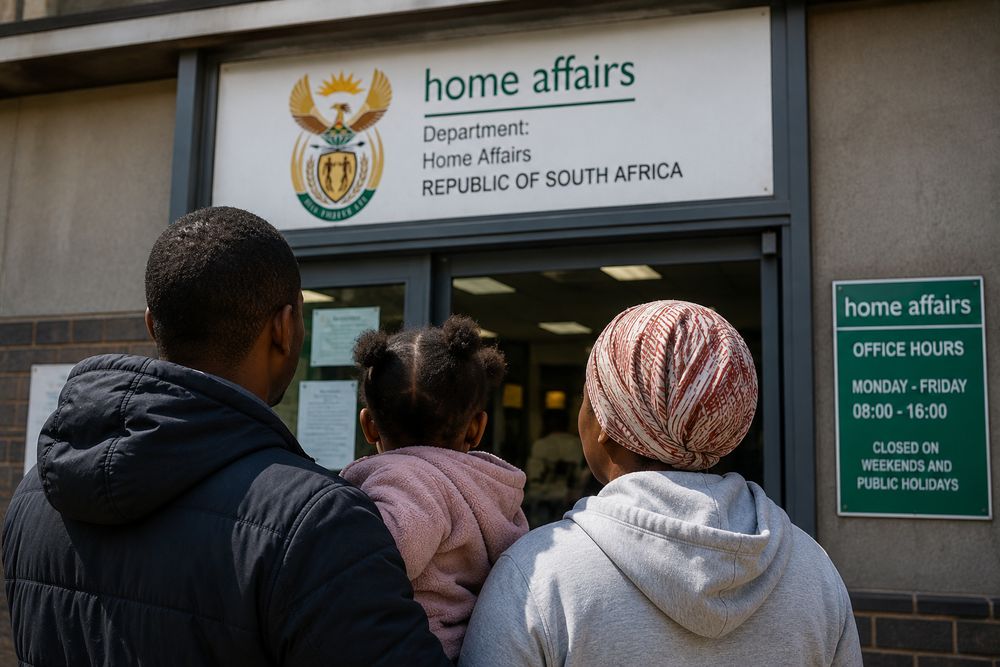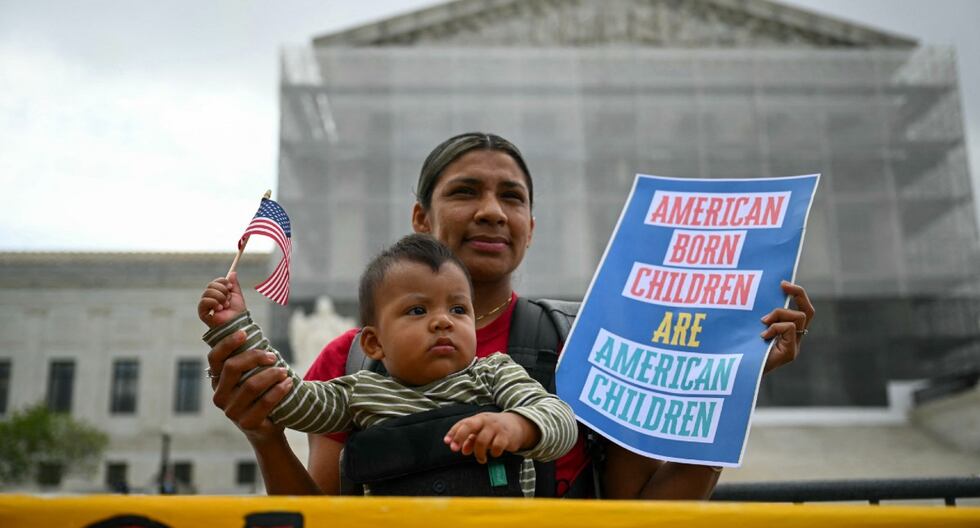
Most parents assume their children’s citizenship is fixed at birth. In fact, childhood is a window during which a family can shape citizenship options, and most routes become harder, slower, or closed once a child reaches adulthood. This window has become a priority for wealthy families across Africa.
The World Citizenship Report 2026 (WCR), produced by CS Global Partners, found that family security and generational protection now rank as the leading reason behind a second citizenship, ahead of planning for instability and ahead of asset protection or financial gain. Access to education and healthcare for family members ranked above business expansion. Parents, the data suggests, view citizenship as a plan spanning generations rather than a hedge for themselves alone. They want their children to study and work anywhere in the world, without visa restrictions, limited scholarships, or reliance on one country’s passport.
Behind this urgency lies a drop in confidence around governance, a trend affecting high-net-worth families worldwide, and one that carries particular weight for African families. The WCR found that only 33.5% of high-net-worth individuals remained confident their existing citizenship would provide the same security over the next decade. Around 27% had lost confidence altogether and were seeking a second citizenship for their families.