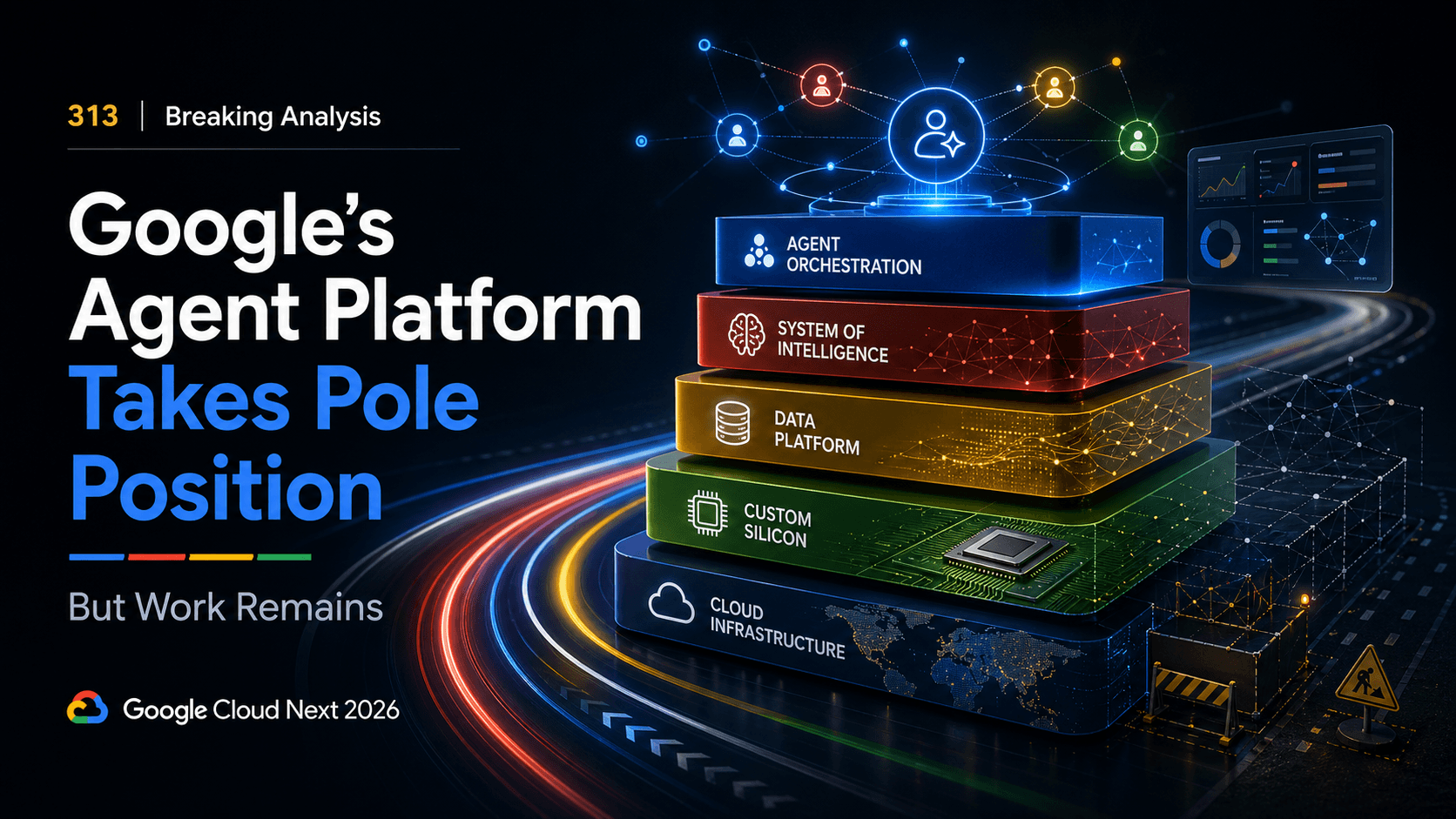
Google is overhauling its global data center architecture to support the transition from basic large language models to autonomous AI agents. This transformation involves integrating custom silicon, advanced networking, and specialized software to handle the massive scale of processing required for these persistent, multi-step digital assistants.
Building a Foundation for Persistent AI Agents
The shift from simple chatbots to autonomous agents represents a massive change in computational demand. While early AI models focused on answering singular prompts, agents work continuously to complete complex tasks. This shift requires a different approach to how data centers function. Recent statistics show that Google’s facilities now process over 3 quadrillion tokens every month. This figure represents a sevenfold increase compared to the previous year, highlighting the speed at which AI adoption is accelerating.
Infrastructure leaders at the company note that agents do not just respond to users. Instead, multiple agents often collaborate to solve a single problem. This creates a ripple effect where millions of users could trigger billions of automated transactions. Estimates suggest that agentic workloads could generate 100 times more inference transactions than traditional AI tasks. To manage this, the company has created a new blueprint for its facilities that prioritizes elasticity and long-term operation.