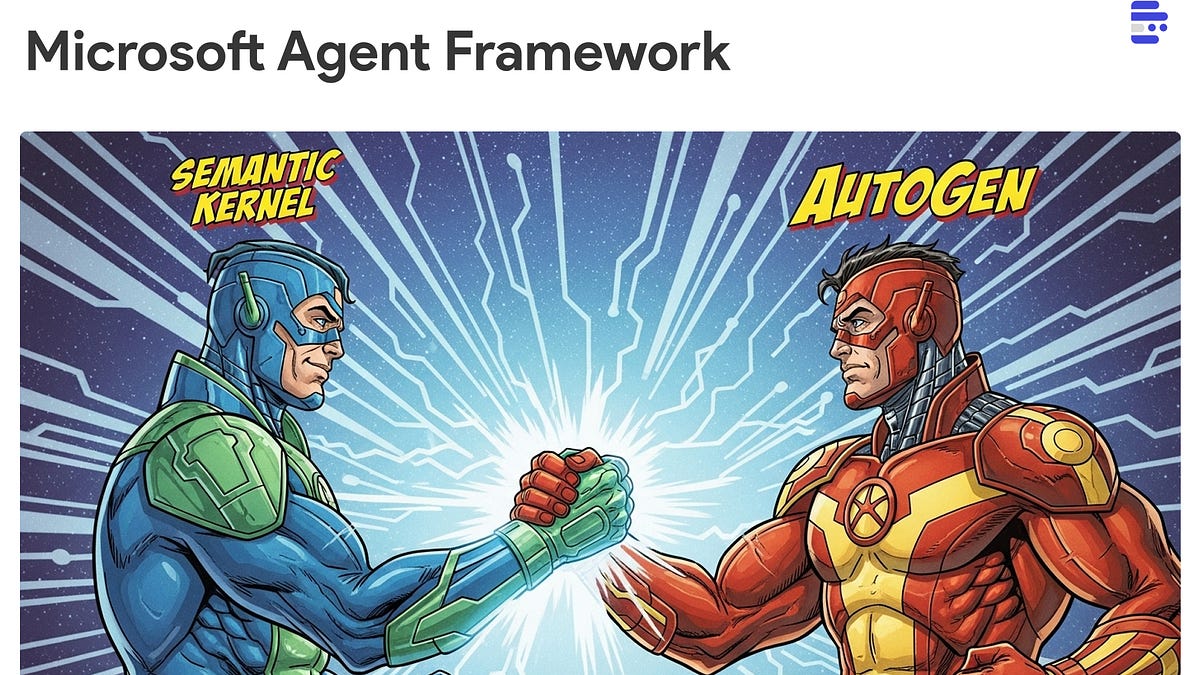
Microsoft recently simplified the landscape for artificial intelligence developers by consolidating its various tools into a single, unified Agent Framework. This move effectively ends the long-standing debate between using Semantic Kernel, AutoGen, or Foundry for building autonomous systems. Developers now face a standardized path for AI integration.
Transitioning to a Unified Development Standard
The competition between different software development kits often consumes significant time during the initial phases of a project. For over a year, engineering teams debated the merits of various Microsoft offerings, searching for the one that would serve as a permanent foundation for enterprise-grade AI. Each option presented a different philosophy regarding orchestration and flexibility. This period of uncertainty frequently led to analysis paralysis, as teams feared committing to a library that might eventually lose official support.
Microsoft resolved this tension by introducing a single Agent Framework, which reached general availability in early 2026. By moving previous tools like Semantic Kernel and AutoGen into maintenance mode, the company provided a clear roadmap for the future. The new framework offers stability across both .NET and Python environments. This consolidation ensures that developers spend less time evaluating tools and more time building functional applications. The shift proves that while specific libraries change, the underlying goals of enterprise software remain consistent.