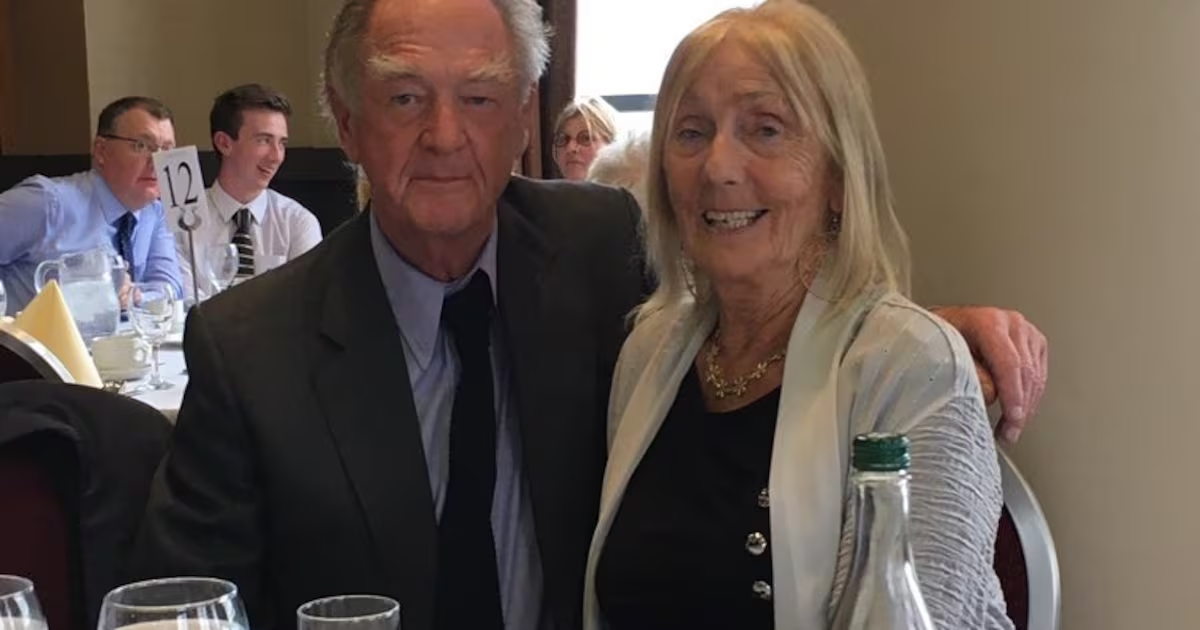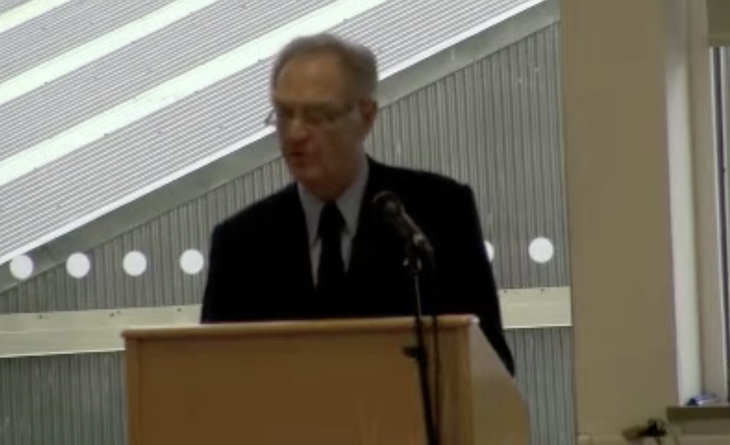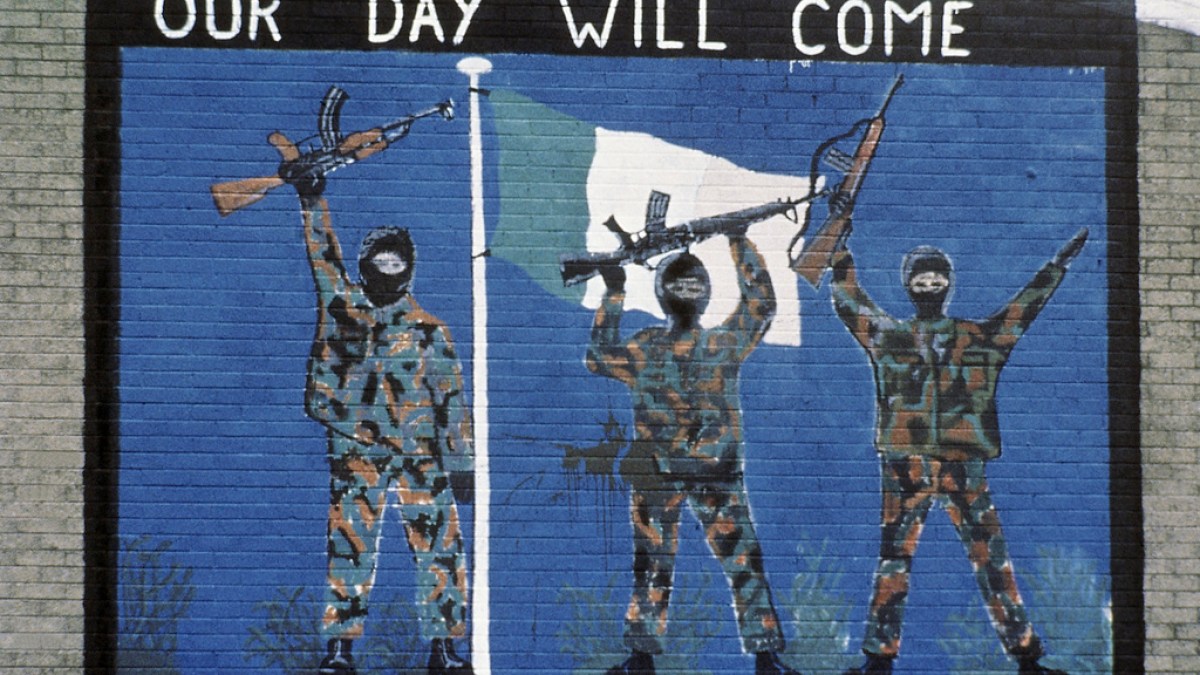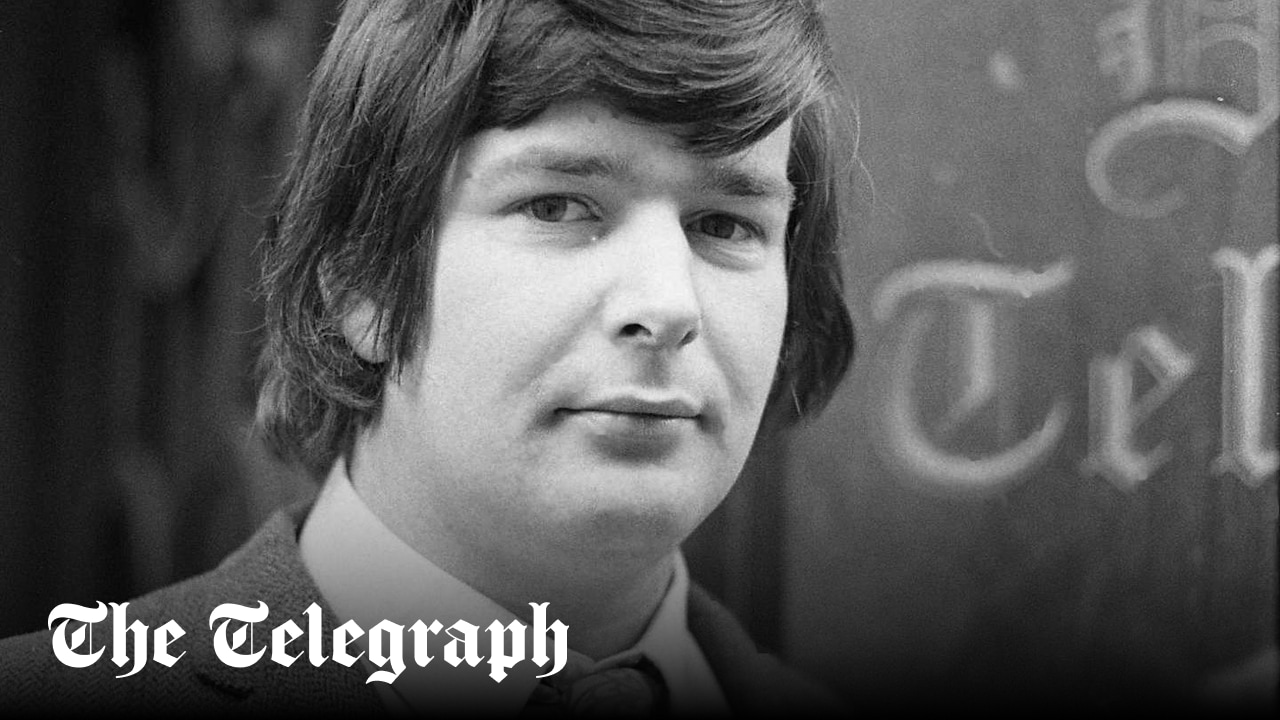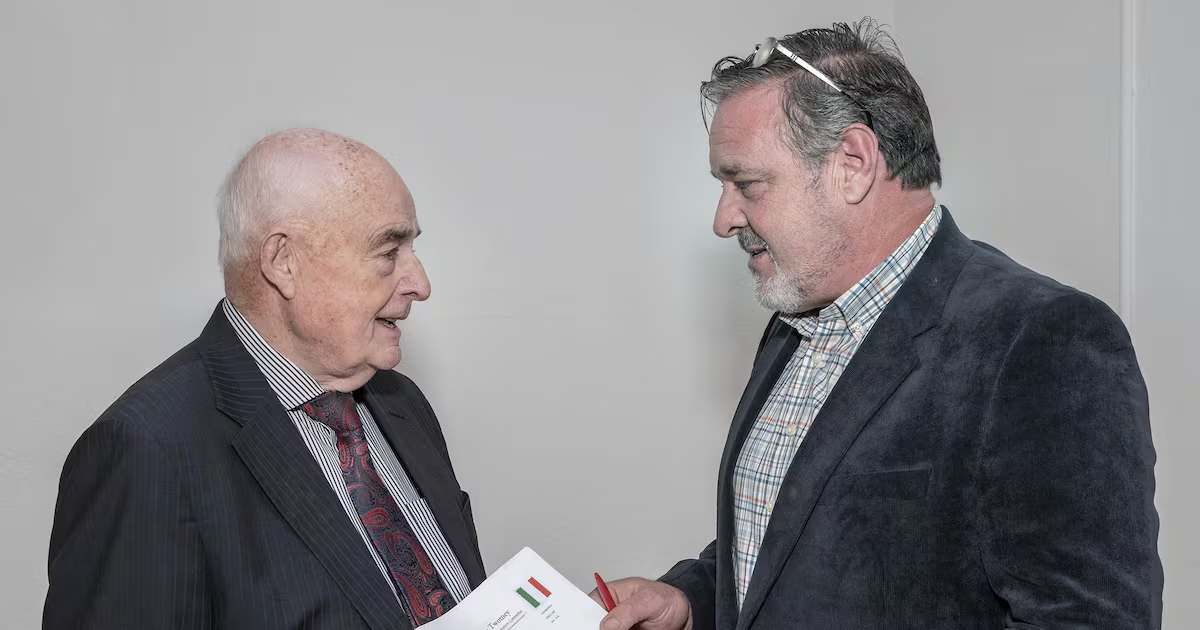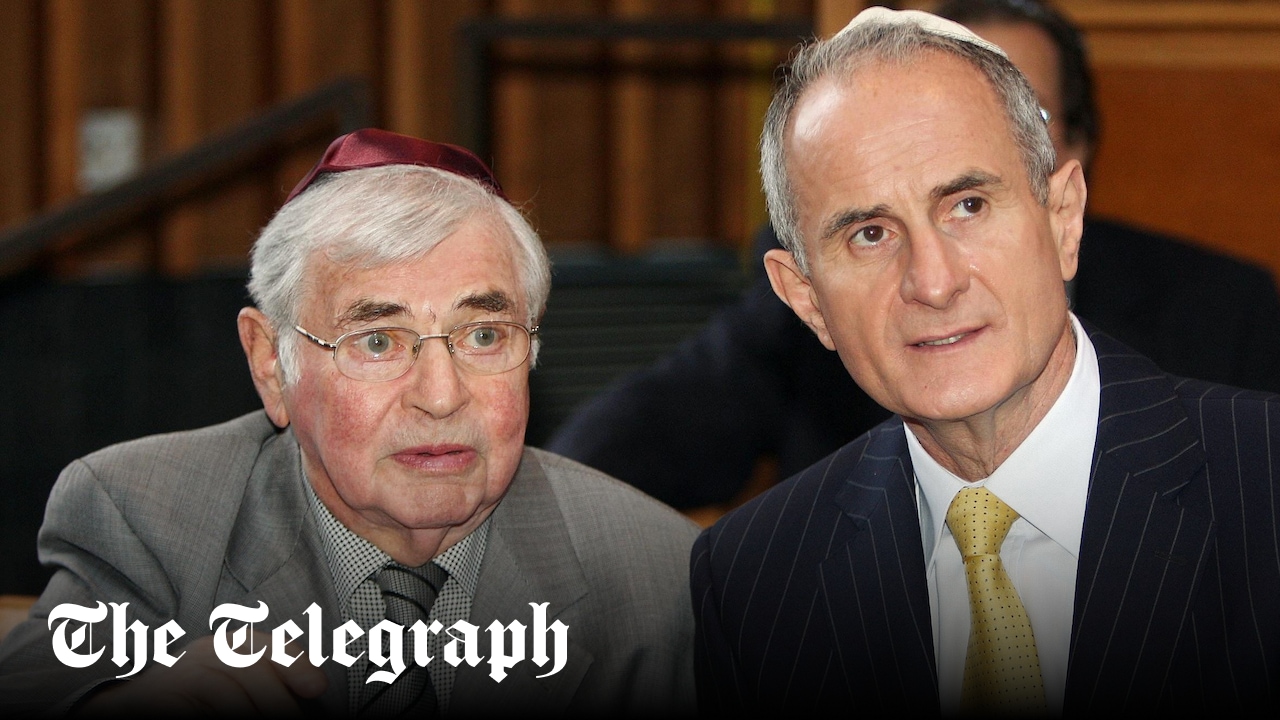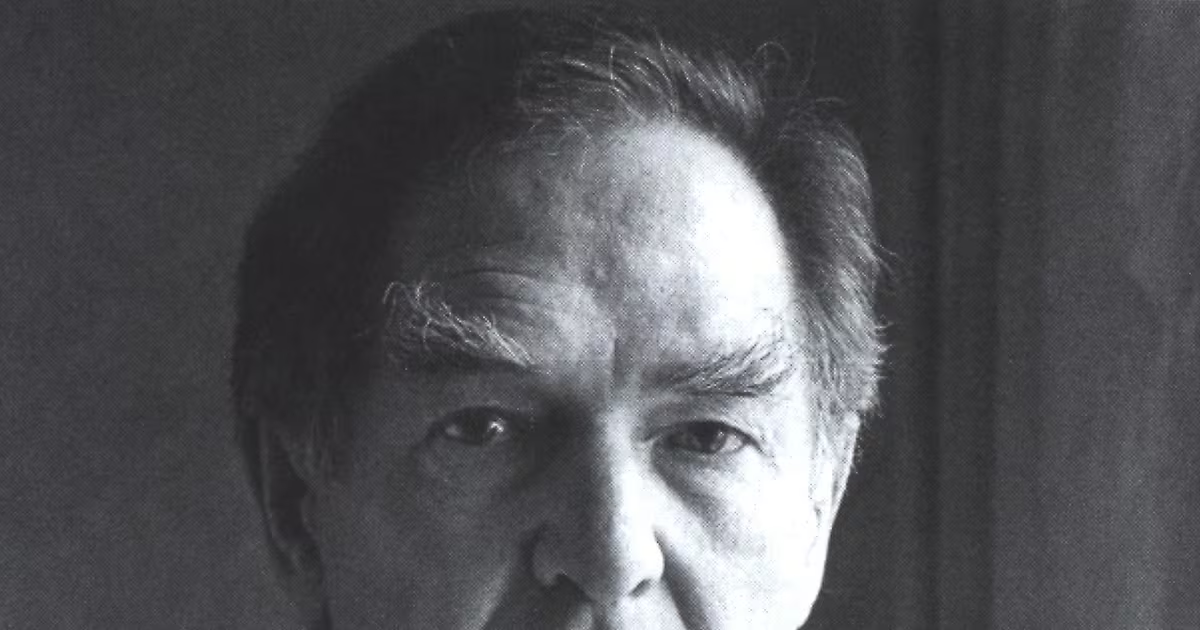
Born: October 18th, 1935Died: June 29th, 2026Michael Oatley, who has died aged 90, was an urbane, risk-taking senior British spy who helped create and sustain the secret back channel with the Provisional IRA that ran for more than 20 years and was a vital component in the success of the Northern Ireland peace process.Oatley was posted to Northern Ireland early in 1973 ostensibly as assistant political adviser to the then northern secretary William Whitelaw but in reality as an MI6 officer.This was during the bloodiest period of the Troubles and as the conflict escalated Oatley came to the conclusion that ending the violence perforce meant opening dialogue with the Provisional IRA. To this end he was instrumental in setting up the back channel with the IRA that operated in the mid-1970s, during the hunger strikes, and most effectively in the early to mid-1990s leading to the 1994 IRA ceasefire and ultimately to the Good Friday 1998 political accord.The three back channel members, acting as intermediaries between the IRA and MI6, were Derry businessman the late Brendan Duddy; Denis Bradley, the former vice-chairman of the Northern Ireland Policing Board, who was then a Derry-based priest; and Noel Gallagher, another Derry businessman.Bradley said Oatley was “charming and had all the qualities that make for a good diplomat (spy) in that you knew who he really was”, that he was sympathetic and “only wanted the best for the situation in which we all found ourselves”.In his book Peace Comes Dropping Slow, Bradley wrote of Oatley: “My experience of British diplomats was that they either had a quiet disdain for the North and the Troubles, or that they fell in love with the place, with its people and with the puzzle that is its history.“Some of those who fell in love with the place also wanted to become saviours and solvers of the Troubles. Oatley developed some of those salvific traits.”[ British MI6 officer Michael Oatley who played key role in ending the Troubles diesOpens in new window ]In the lead-up to the 1975 IRA ceasefire, which lasted some six months, negotiations between Oatley and other British officials with senior IRA members including the late Martin McGuinness took place in Duddy’s house. The back channel members did not attend the meetings but, as Bradley said, their role “was to get people to and from meetings and to ensure that the neighbours and the media were kept in the dark” – an activity at which they were astonishingly good. It also involved smuggling some IRA army council figures across the Border from Donegal to attend these talks.Duddy described his first time meeting Oatley to BBC journalist Peter Taylor: “In comes this six foot, handsome man, beautifully spoken in a grey suit and tie. He was like a film star. I felt he was just a very articulate British diplomat who knew everything.“He was the educator. I needed him and he needed me ... We just gelled. There was never a dishonourable moment.”Oatley told Taylor that dealing with McGuinness was “rather like talking to a ranking British army officer of one of the tougher regiments, like the Paras or the SAS”.While ultimately the 1975 ceasefire broke down, Oatley, who took on the code name the Mountain Climber, was keen not to lose the channel, and it survived through the 1980 and 1990s, notwithstanding that the position of the Margaret Thatcher and John Major governments of that period was that while the violence continued there would be no dealings with the IRA. That line of communication also helped resolve the IRA hunger strikes of 1980 but not the hunger strikes the following year in which 10 men died.Oatley moved on in his career and was promoted in turn as MI6’s controller for the Middle East, for counter-terrorism and for Europe. But nonetheless he maintained an interest in the North. In 1991 Oatley, through Duddy, engineered another meeting Martin McGuinness at around the same time that the discussions between John Hume and Gerry Adams also were beginning to make some progress.[ Brendan Duddy: From chip-shop owner to secret peacemakerOpens in new window ]These discussions centred on the long-time reality that while the British army and RUC might never be capable of defeating the IRA, neither could the IRA defeat the British to secure a united Ireland. Oatley opened up the possibility of a solely political way forward with McGuinness, in turn signalling a willingness to engage in such dialogue.Oatley explained to McGuinness that he was retiring but that the baton would be passed on to other senior officials who would work equally clandestinely to develop a workable peace process. This resulted in the 1994 IRA ceasefire which, among a number of issues, collapsed in 1996 due a British demand for decommissioning before Sinn Féin could be brought into the political circle.Again, through political and diplomatic endeavour, that ceasefire was restored in 1997 with political talks then leading to the Belfast Agreement of April 1998. Oatley hitherto had remained in the shadows but in 1999 his “salvific” trait came to the fore when he went public in a Sunday Times article and in other comments in warning that decommissioning should not be permitted to derail the peace deal and the creation of powersharing at Stormont.Referring to the ending of the 1994 cessation, he said the then John Major government engaged in “picadorism at its most provocative” in not working to bring Sinn Féin in from the political cold. He wrote he had “no doubt at all” about Adams’s and McGuinness’s “commitment to finding a political way forwards”. He said decommissioning was not the central issue. “The true issue is politics or violence.” Oatley was born in London. His father was the physicist Sir Charles Oatley, who developed the first commercial electron microscope. He studied at Trinity College, Cambridge, did national service and then joined the British foreign office in 1959, after which he was recruited by MI6, initially serving in Ghana and Uganda. He was posted to Dublin in 1972 and then on to Northern Ireland the following year. After retiring from MI6, Oatley was involved in the private security business, work that included seeking to recover Saddam Hussein’s hidden wealth and seeking to retrieve for South Africa state funds misappropriated during the apartheid period. He was appointed OBE in 1975 and CMG in 1991.Throughout, he kept up his interest in Northern Ireland, staying close to the Duddy family and attending Brendan Duddy’s funeral in 2017. When, in 2007, the DUP and Sinn Féin entered into a powersharing agreement to restore Stormont, he said he was “delighted” and a “happy man” to see Martin McGuinness appointed as deputy first minister. His first wife was Pippa Howden, with whom he had two sons and a daughter. His second marriage was to Mary Jane Laurens, with whom he had a son.
Michael Oatley obituary: Senior British spy was key player in facilitating peace talks in North
MI6 officer codenamed the Mountain Climber was instrumental in setting up back channel with IRA that led ultimately to Belfast Agreement
1,140 words~5 min read