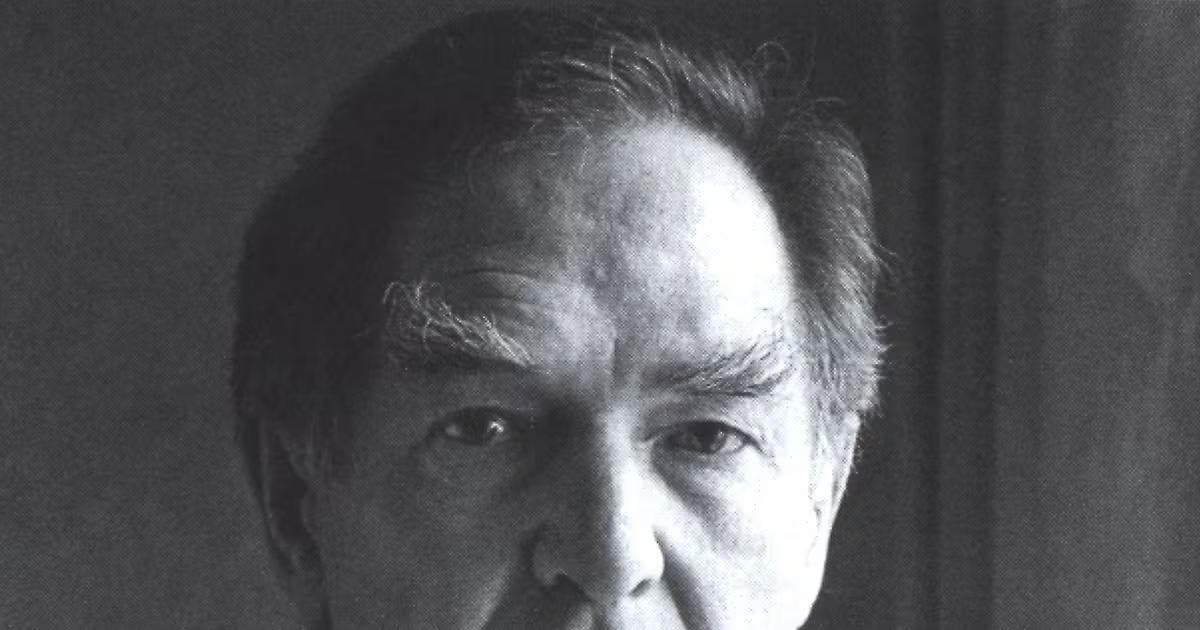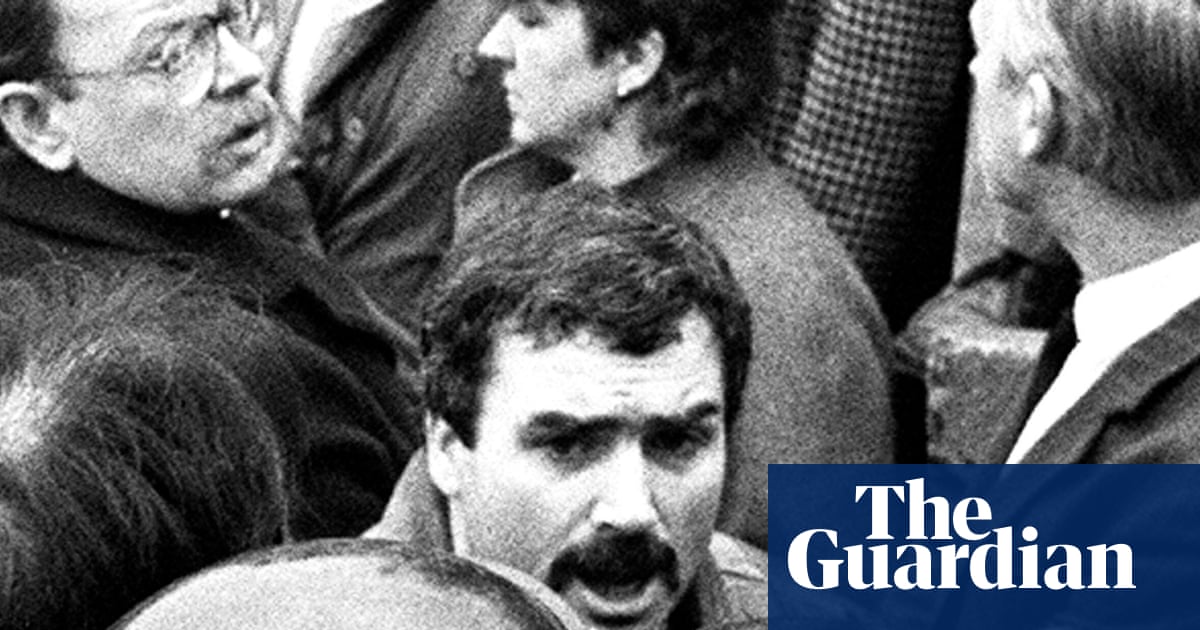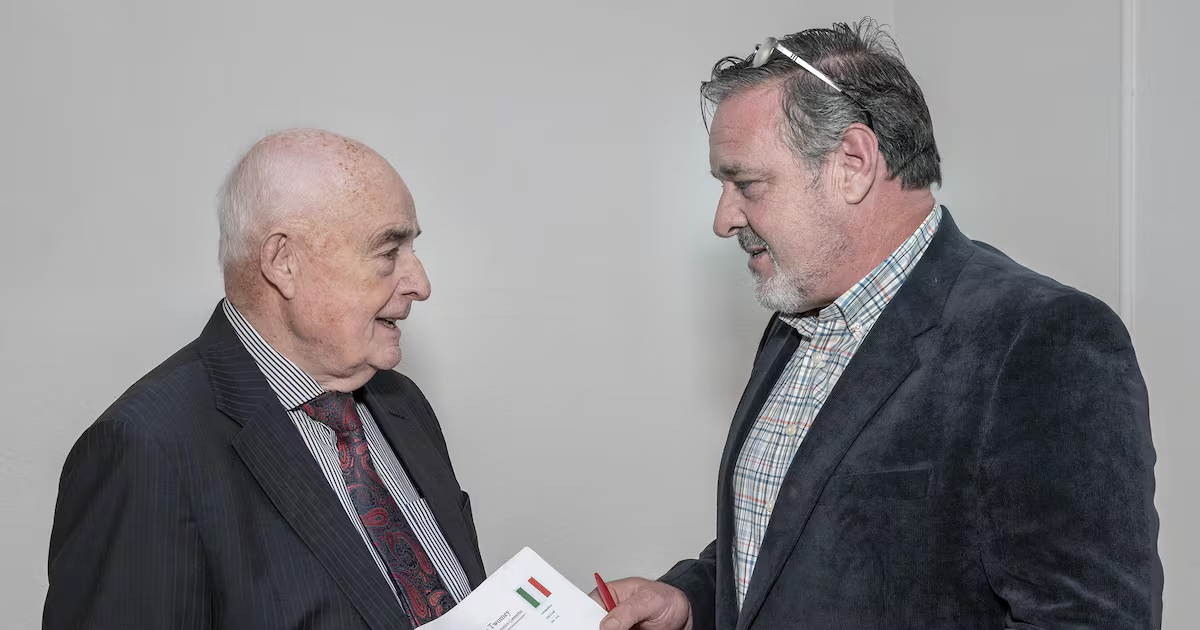
Michael Oatley, the British intelligence officer who spent decades building links with the IRA before playing a central role in bringing the Troubles to an end, has died aged 90. Described as “the most important” intelligence officer ever to have served in Northern Ireland, he died at his home in England after a long illness.Known to the IRA by the code name Mountain Climber, Oatley kept up links with republican figures throughout the 1970s, 1980s and early 1990s, going against strict ministerial instructions not to do so.Throughout the decades, he worked closely with Derry businessman Brendan Duddy when both often took serious personal risks to keep lines of communication open.Working for Conservative party Northern Ireland secretary of state Willie Whitelaw in the early 1970s, Oatley had decided early on that a British military and security response to the IRA campaign would never work.Following the collapse of the 1972 Cheyne Walk talks in London, Oatley maintained contacts, even though such ties were toxic in Whitehall, given the IRA’s England bombing campaign of the time.On occasions, senior IRA figures were smuggled across the Border into Derry from Donegal, with the help of a local RUC Catholic superintendent, Frank Lagan, to meet Oatley in Duddy’s home.Five years ago, Oatley travelled to Derry for Duddy’s funeral, where he was openly welcomed by some of those involved on all sides of the conflict, whom he had got to know over the decades.The Oatley-Duddy so-called “back channel” link brought about the IRA’s 1975-76 ceasefire, though it ended after a resumption of loyalist killings.The two men played a behind-the-scenes role in bringing about the end of the first H-Block hunger strike in 1980 after 53 days, though not the hunger strike a year later that claimed 10 men’s lives.Michael Oatley (left) with Brendan Duddy in Duddy’s home in Derry, where the negotiations took place. Photograph: Courtesy Duddy family The February 1991 meeting between Oatley and Martin McGuinness in Duddy’s home is regarded as one of the key moments in the peace process.Later, Duddy remembered his first impressions of Oatley during interviews with BBC journalist Peter Taylor: “In comes this 6ft, handsome man, beautifully spoken in a grey suit and tie.“He was like a film star. I felt he was just a very articulate British diplomat who knew everything. He was the educator. I needed him and he needed me. He could listen for hours, drinking tea without once going to the toilet. We just gelled. There was never a dishonourable moment.” Brendan Duddy: In 1990, he brought MI6 officer Michael Oatley to Derry to meet Martin McGuinness. Photograph: Trevor McBride Britain’s national security adviser, Jonathan Powell, said Oatley’s role was crucial. “No one else could have done that. If you look around the world, it’s nearly always the intelligence services that do open up these channels because it’s dangerous, it has to be deniable and can’t be official,” he said. “The intelligence services played a critical role in making peace in Northern Ireland possible.”
British MI6 officer Michael Oatley who played key role in ending the Troubles dies
Oatley’s 1991 meeting with Martin McGuinness in Derry is regarded as a key moment in the peace process
497 words~2 min read