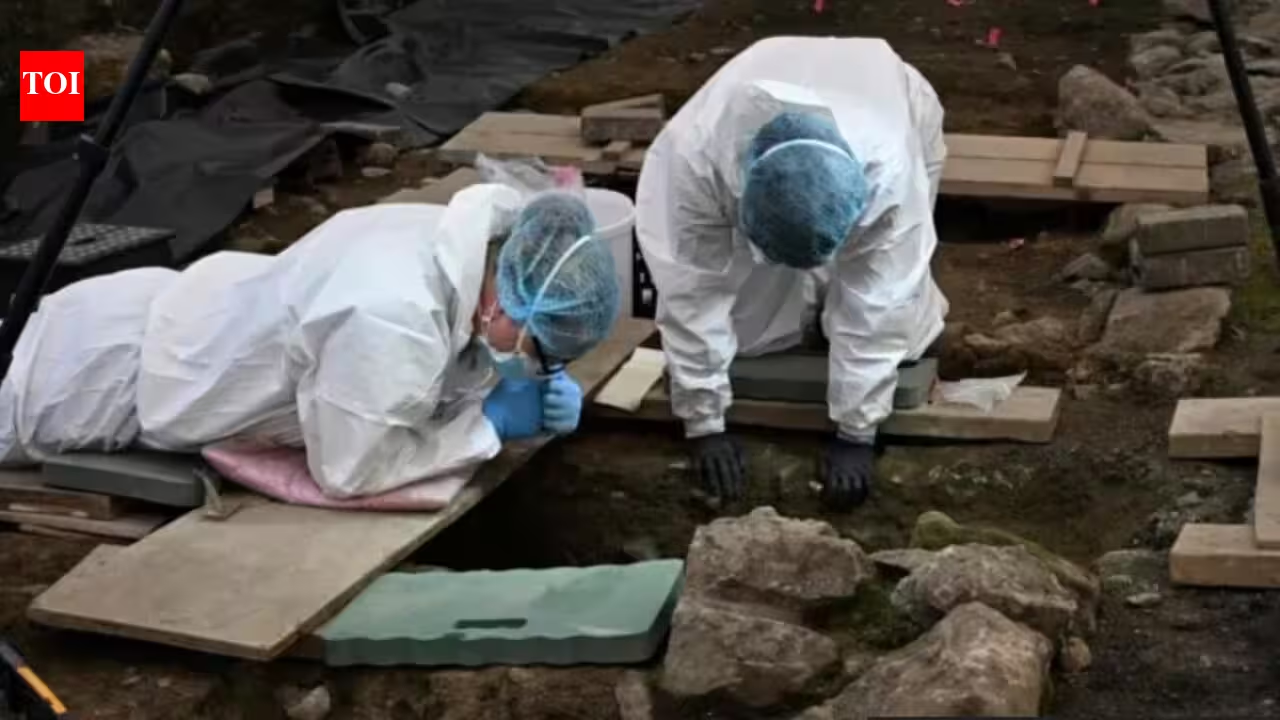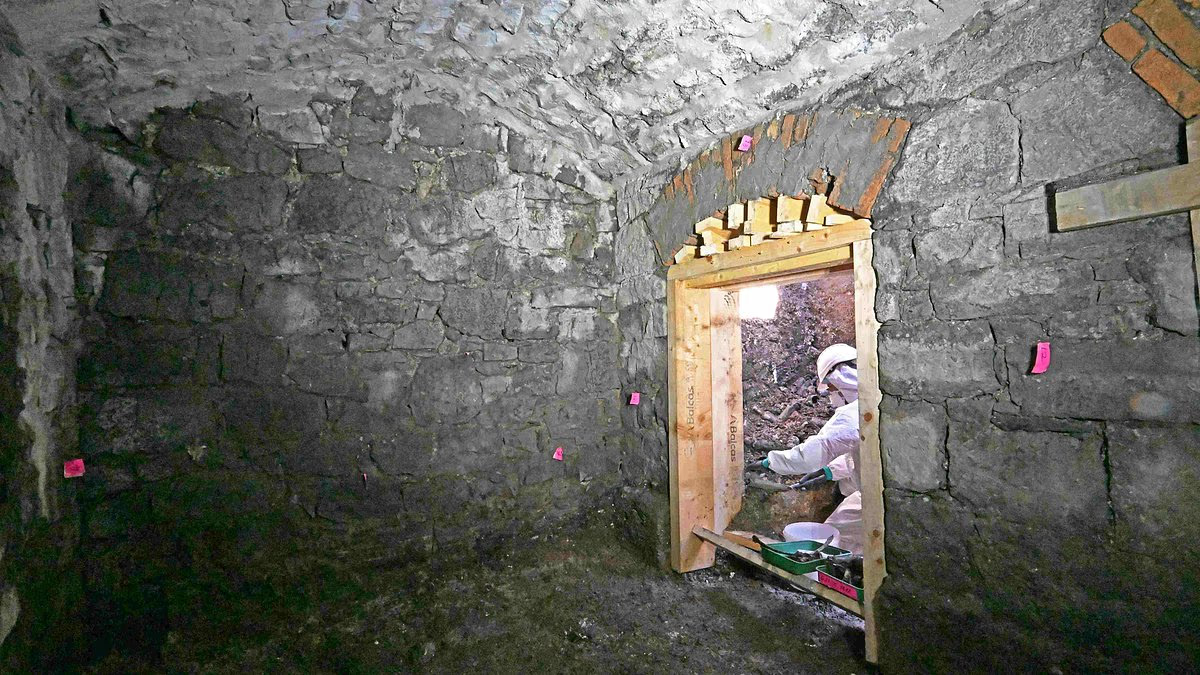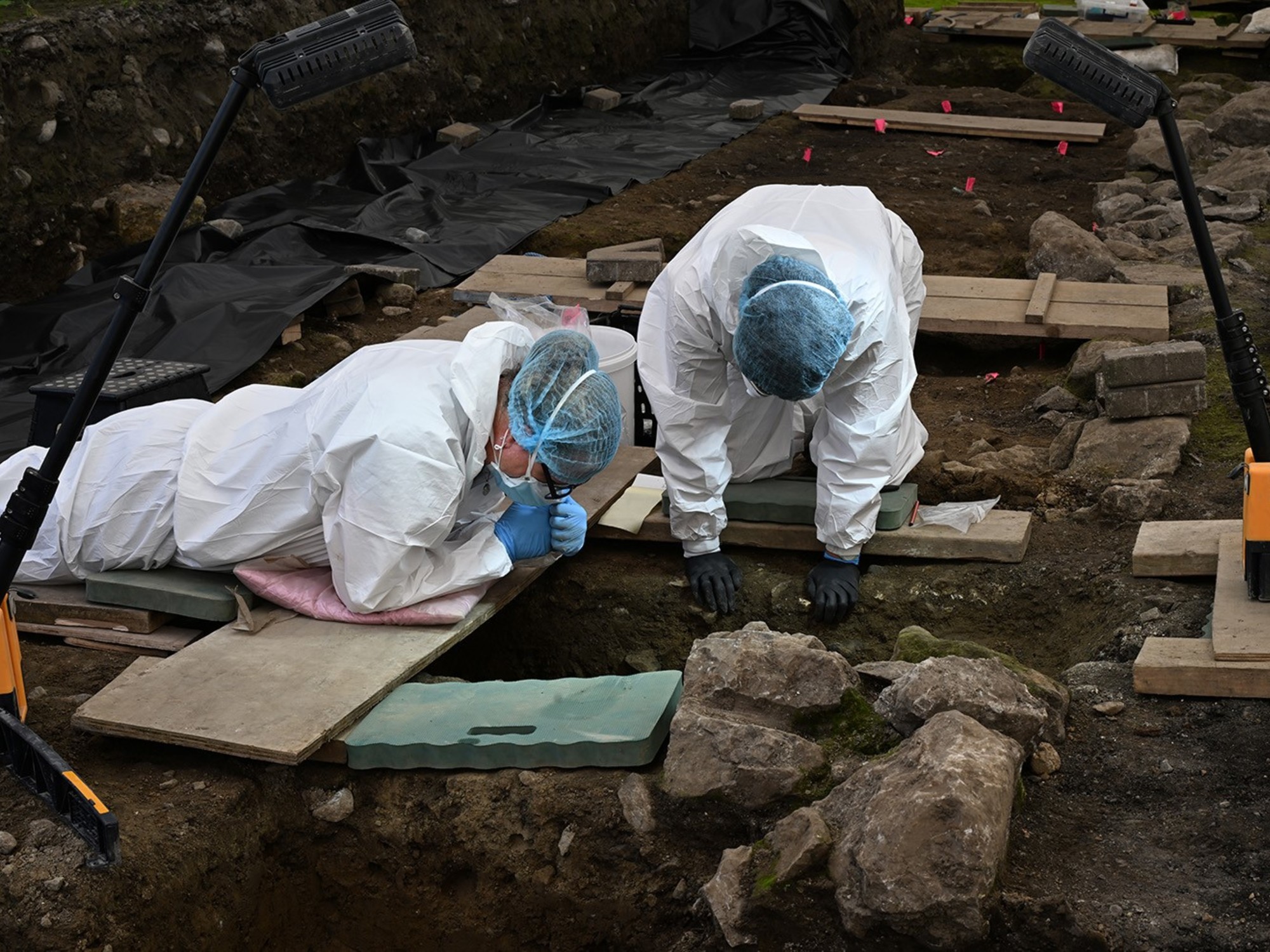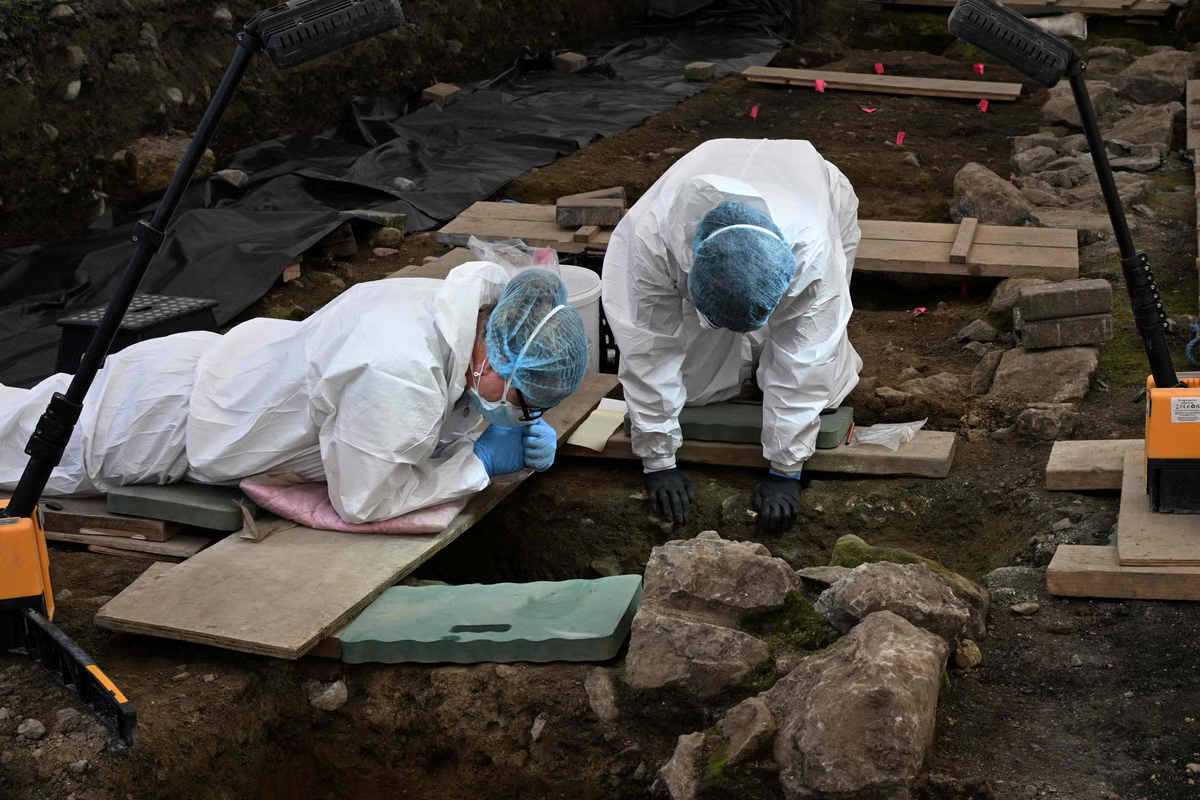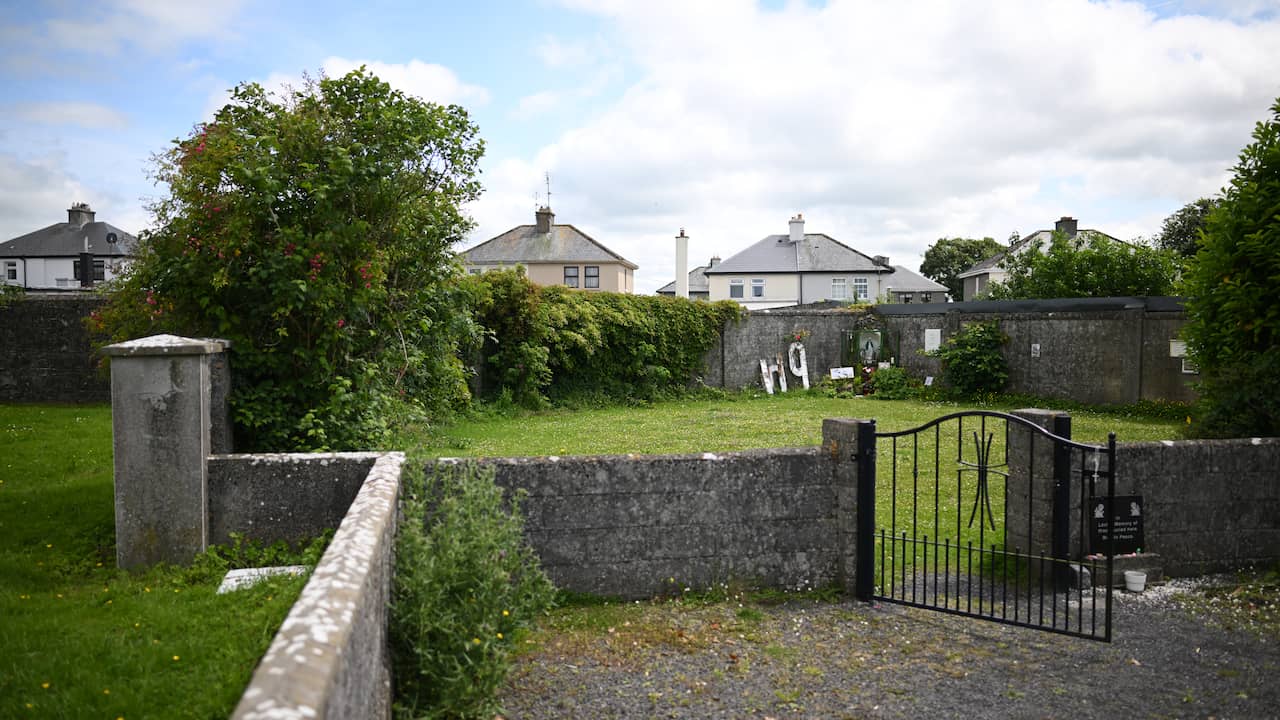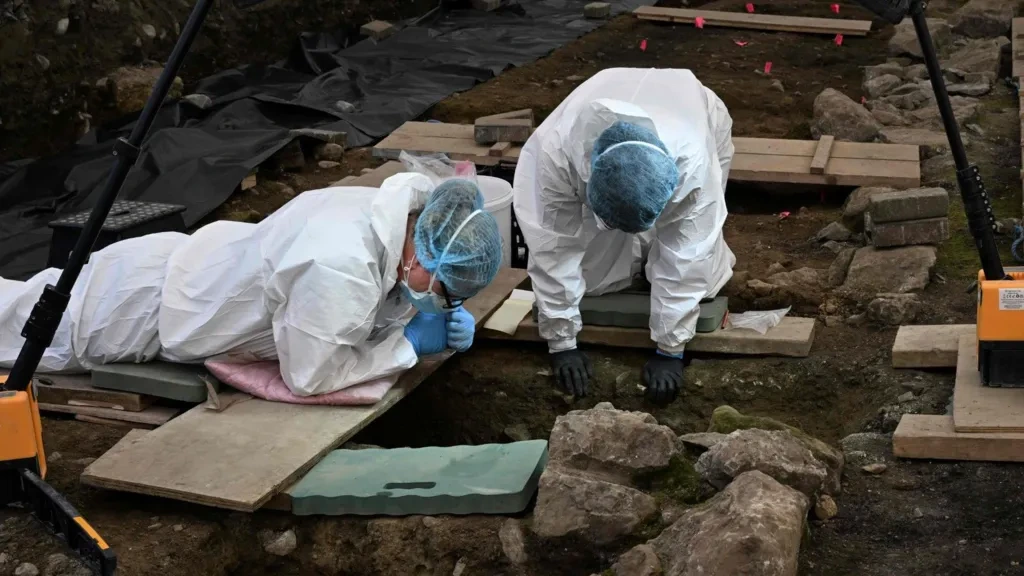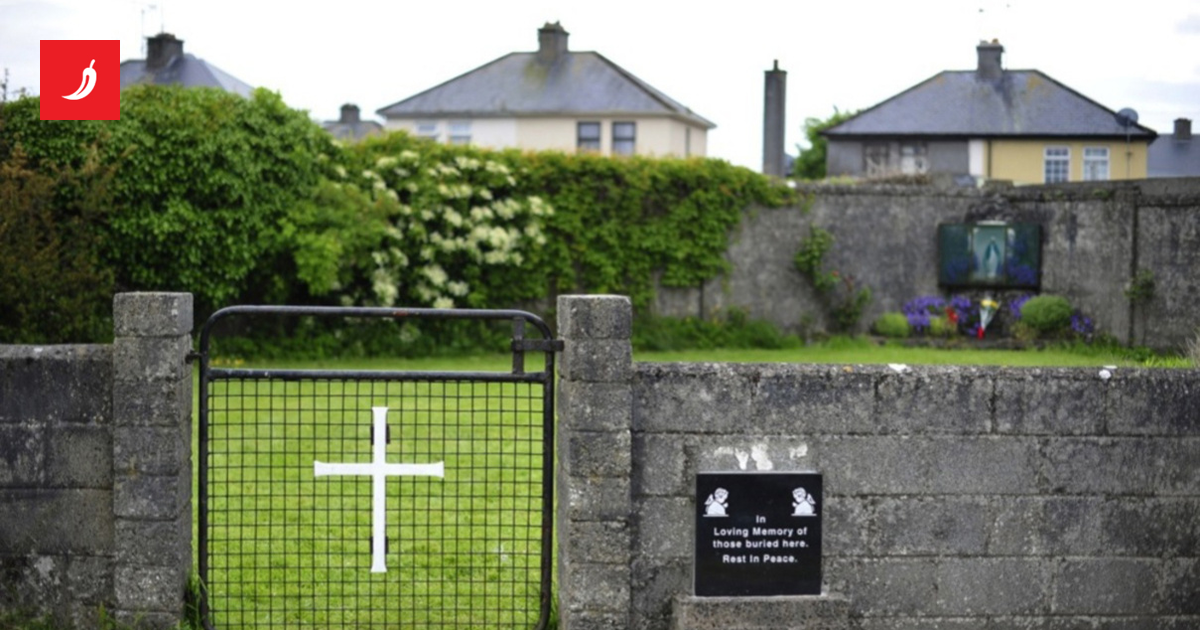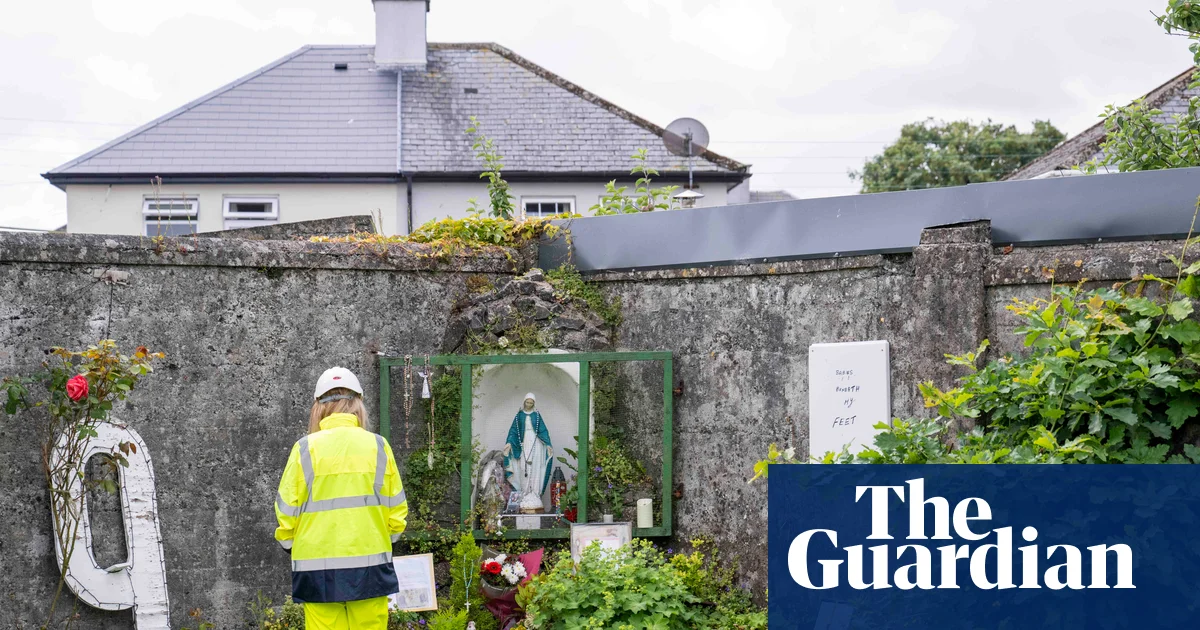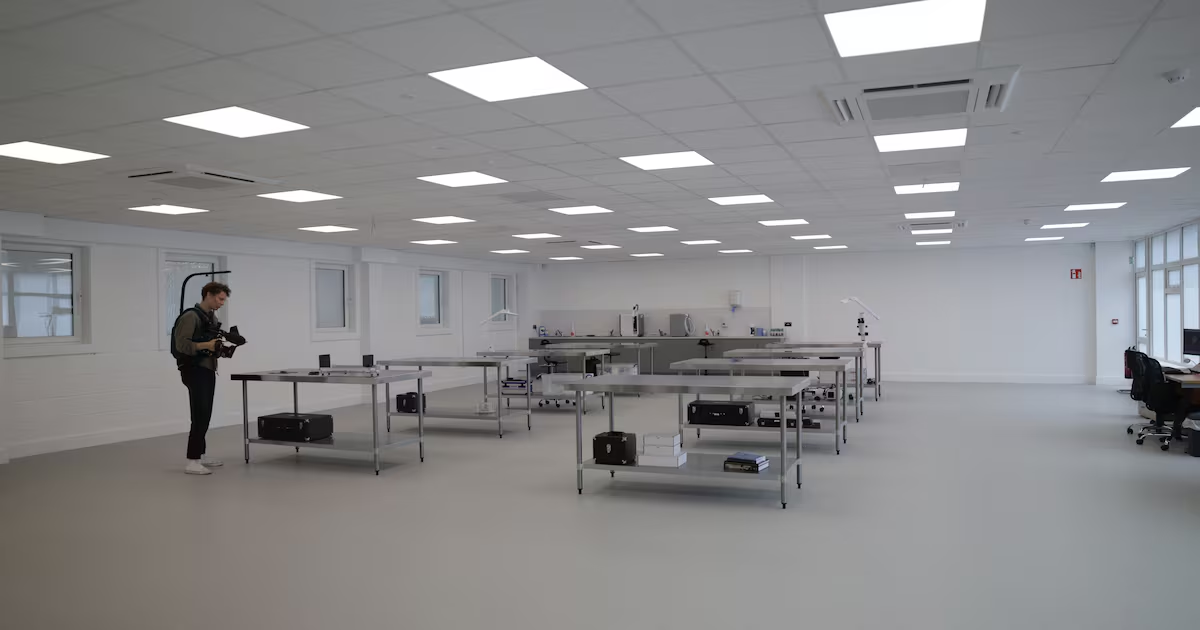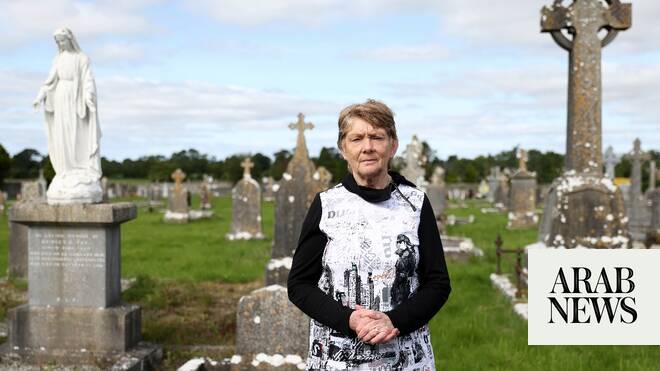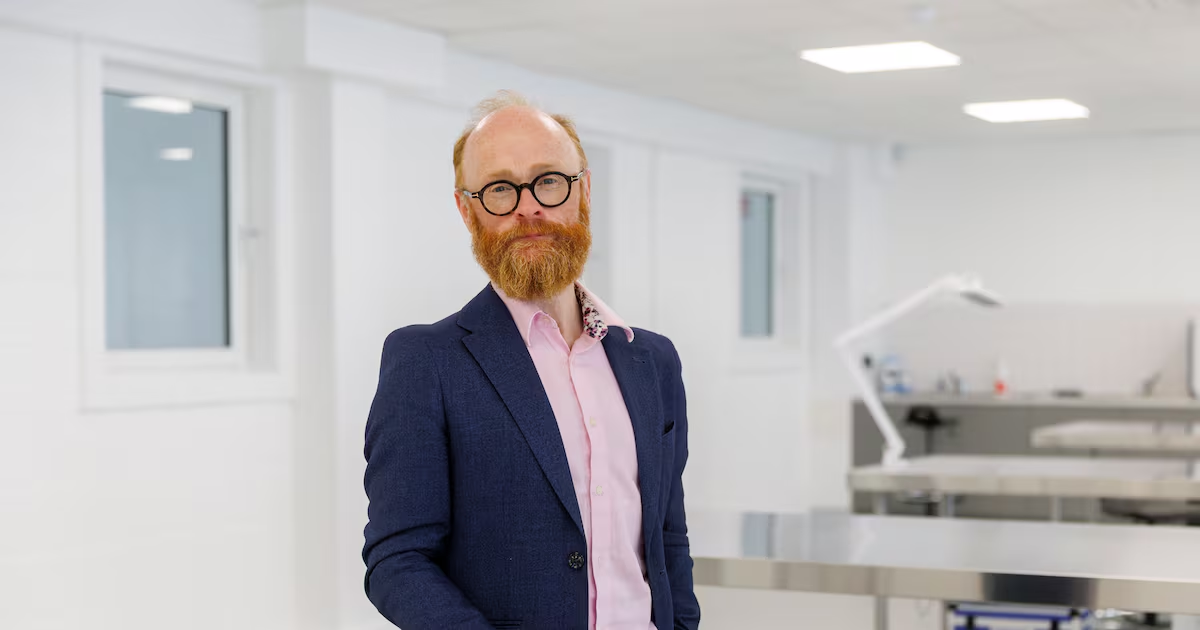
Bones ‘will always tell a story’ and you need people to tell it, says veteran forensic investigator Oran Finegan Oran Finegan, forensic lead of the Tuam former mother and baby home excavation, was a member of the team that examined remains from the 1995 Srebrenica massacre in Bosnia. Photograph: Liam McBurney/PA Wire Sat Jul 25 2026 - 06:00 • 4 MIN READWhen a slab of concrete was lifted in Tuam 10 years ago, uncovering a significant amount of human remains, many lives – young lives – were acknowledged for the first time.The remains ranged in age from 35 foetal weeks to three years, investigators said at the time.According to the research of local historian Catherine Corless, almost 800 children could be buried at the site which is incongruously situated at the back of a housing estate in the Co Galway town.A decade after a test excavation confirmed the presence of a significant amount of human remains in what appeared to be a decommissioned sewage chamber, excavation works at the site are ongoing. Ninety-nine sets of human remains have been found since last year. All are those of children.The focus, rightly, has been on the children, their families and survivors. One group that gets less attention is the people meticulously recovering the remains from the site and, in the coming months, those who will start to reassemble and analyse them in the hope of identifying people and returning them to their loved ones.“The bones will always tell a story, and what you need are individuals who can interpret those different stories,” says Oran Finegan, who is leading the forensic programme of the Office of the Director of Authorised Intervention, Tuam (Odait).“I firmly believe that all remains have a story to tell,” he told The Irish Times. “That story may be long and detailed, or it may be very short, but remains, bones, don’t just stay silent.”Laboratory and equipment at the forensic facility and mortuary in Co Galway where examinations of the remains of children found at the Tuam excavation site are being carried out. Photograph: Enda O'Dowd Finegan, a Louth native, has helped tell many of these stories. A forensic expert with more than 25 years’ experience, he previously worked with the International Committee of the Red Cross and the United Nations. Early in his career, he was part of the team that examined remains from the Srebrenica massacre. In July 1995, more than 8,000 Bosniak Muslim men and boys were rounded up from the town and killed.Three years later, Finegan found himself in a morgue in Bosnia and Herzegovina.“I started working back in ’98 in Bosnia in the morgues on cases from Srebrenica. And, sorry if what I say is a bit graphic, but ... I remember going into the morgue and there were just body bags of body parts; and there was no preparation for that. “I had never seen it before, and I remember the first case I had being put on the table and I didn’t know what to do. I couldn’t physically deal with it, and trying to overcome that and was quite challenging.”He was 22 years old at the time.Finegan says people in his line of work, of course, have to remain professional, but they also need to be able to talk about the emotional toll it takes on them.[ From the archive: Srebrenica, July 1995: ‘Will anyone come?’Opens in new window ]“I think people often feel: ‘Well, they’re forensic scientists; they’ve done this before, they get used to it,’ and I’ve heard those comments, you know, in the public before, even from forensic practitioners, and I think that does not reflect the reality that ... forensic practitioners are human beings. They will be impacted,” he says.“It has always been a challenge to walk that line between the professional and the emotional.”Finegan says, over the years, he and his colleagues often faced “horrific” conditions when they entered a morgue. He understands why some people in this sector need to compartmentalise their work from the rest of their lives but, naturally, these lines may blur. You can’t unsee certain things.Finegan sought professional support after certain missions and encourages others to do the same. Counselling services are available to people working at the site in Tuam.“It is important to acknowledge that this is a physically and emotionally challenging project to be involved in,” says Niamh McCullagh, Odait’s senior forensic archaeologist. Niamh McCullagh: 'To have each of the individuals we recover recognised as an individual,' is the goal of everyone working on the Tuam excavation, says Odait’s senior forensic archaeologist. Photograph: Enda O'Dowd She led the test excavation at the site in 2016 and is now overseeing the full excavation.“It was 10 years ago when my colleagues and I pulled back a concrete lid and found the small bones of very young infants and children lying over two metres deep in concrete chambers, their bones commingled and mixed together with discarded waste from the past,” McCullagh told reporters at a press conference in Tuam this week. “It was shocking to see.”A decade later, the painstaking work to reassemble and identify the remains will soon begin. The remains found to date are currently being stored in a centre in Headford, Co Galway, but will be moved to a new facility in nearby Toghermore next week.From the day she first lifted that slab in 2016, McCullagh and her colleagues have been trying to alleviate, even in a small way, the heavy weight carried by survivors and the relatives of those who died.[ ‘In nine short months’ Tuam excavation team uncovers 99 infants and childrenOpens in new window ] All the members of the team “share one goal”, she says: “To have each of the individuals we recover recognised as an individual ... to return the truth of their short lives to these people, who they were, how they lived, and the stories of how they died. “In essence, to restore their dignity.”IN THIS SECTION
From Srebrenica to Tuam: the emotional toll of exhuming and identifying human remains
Bones ‘will always tell a story’ and you need people to tell it, says veteran forensic investigator Oran Finegan
994 words~5 min read