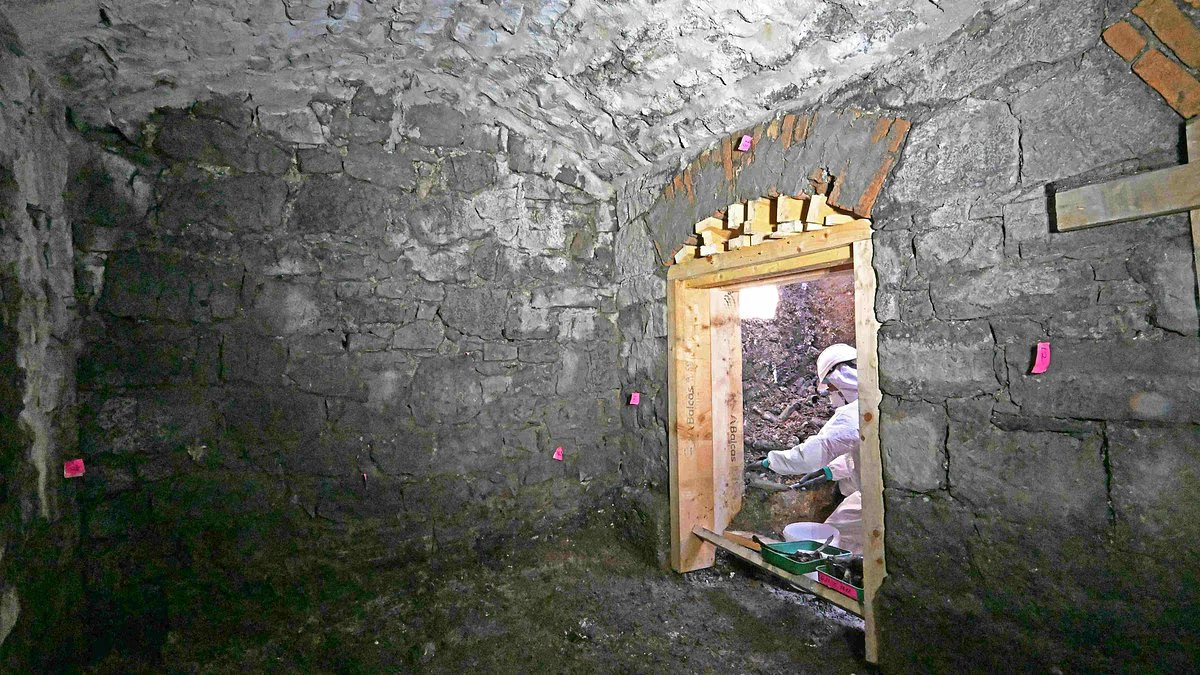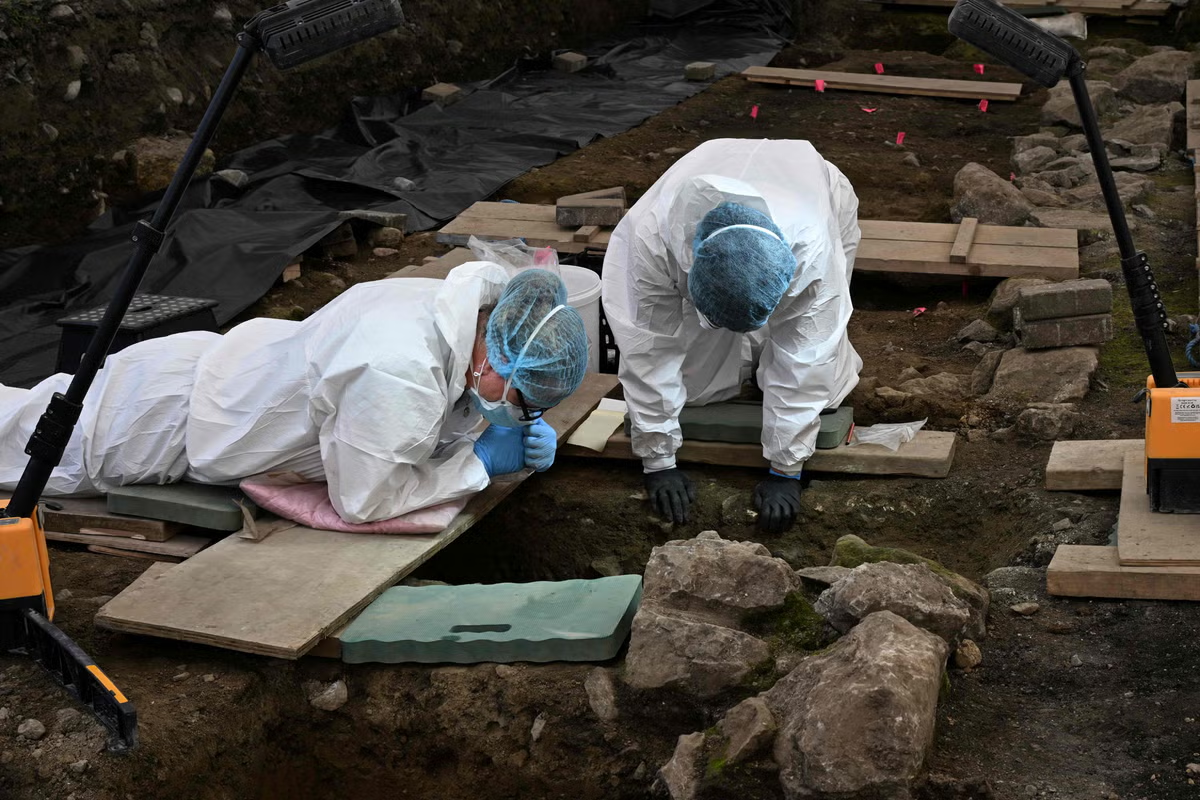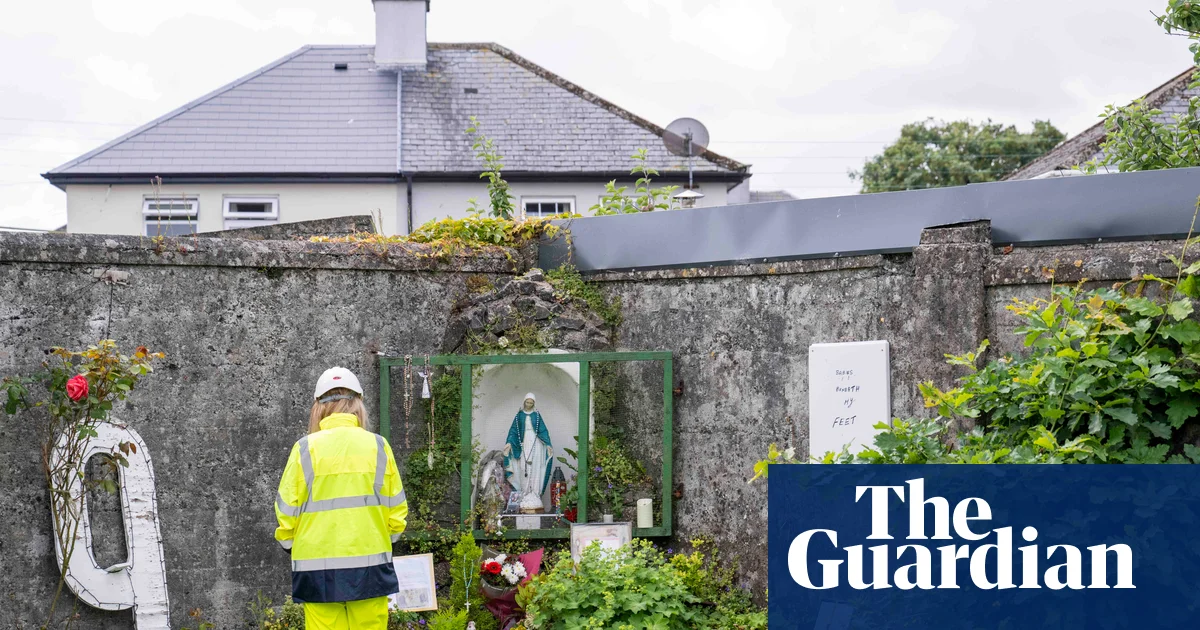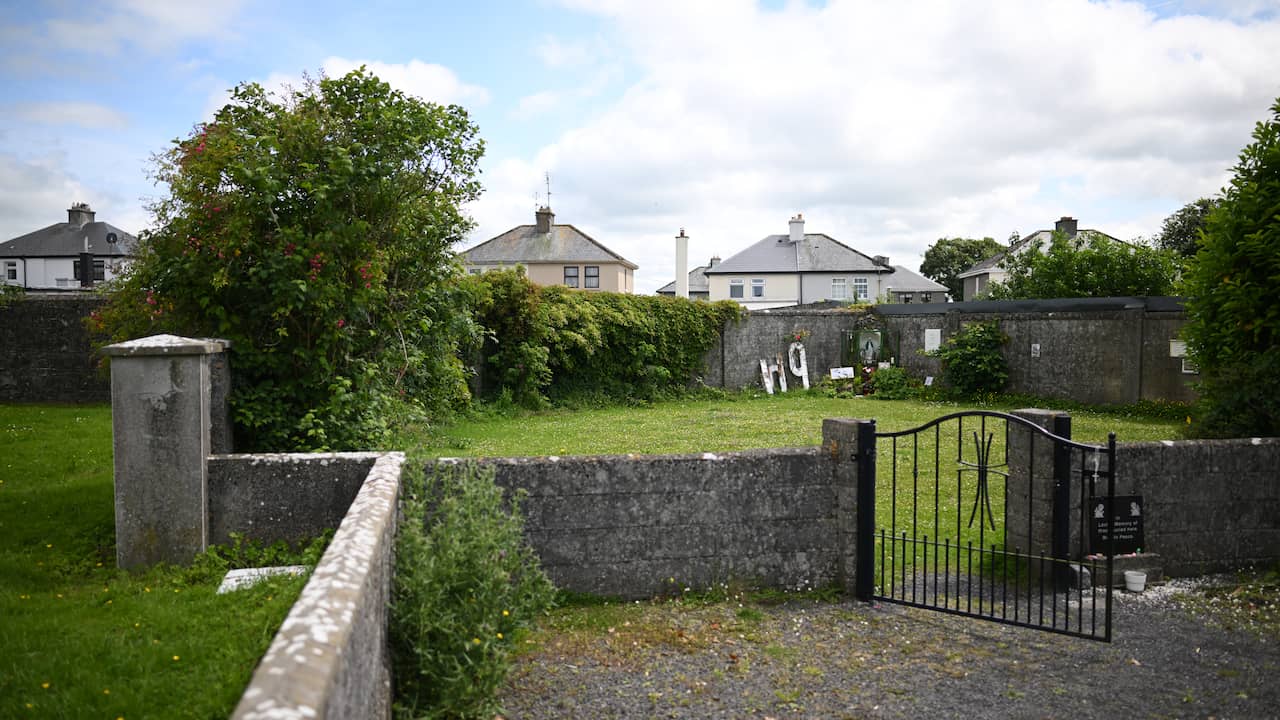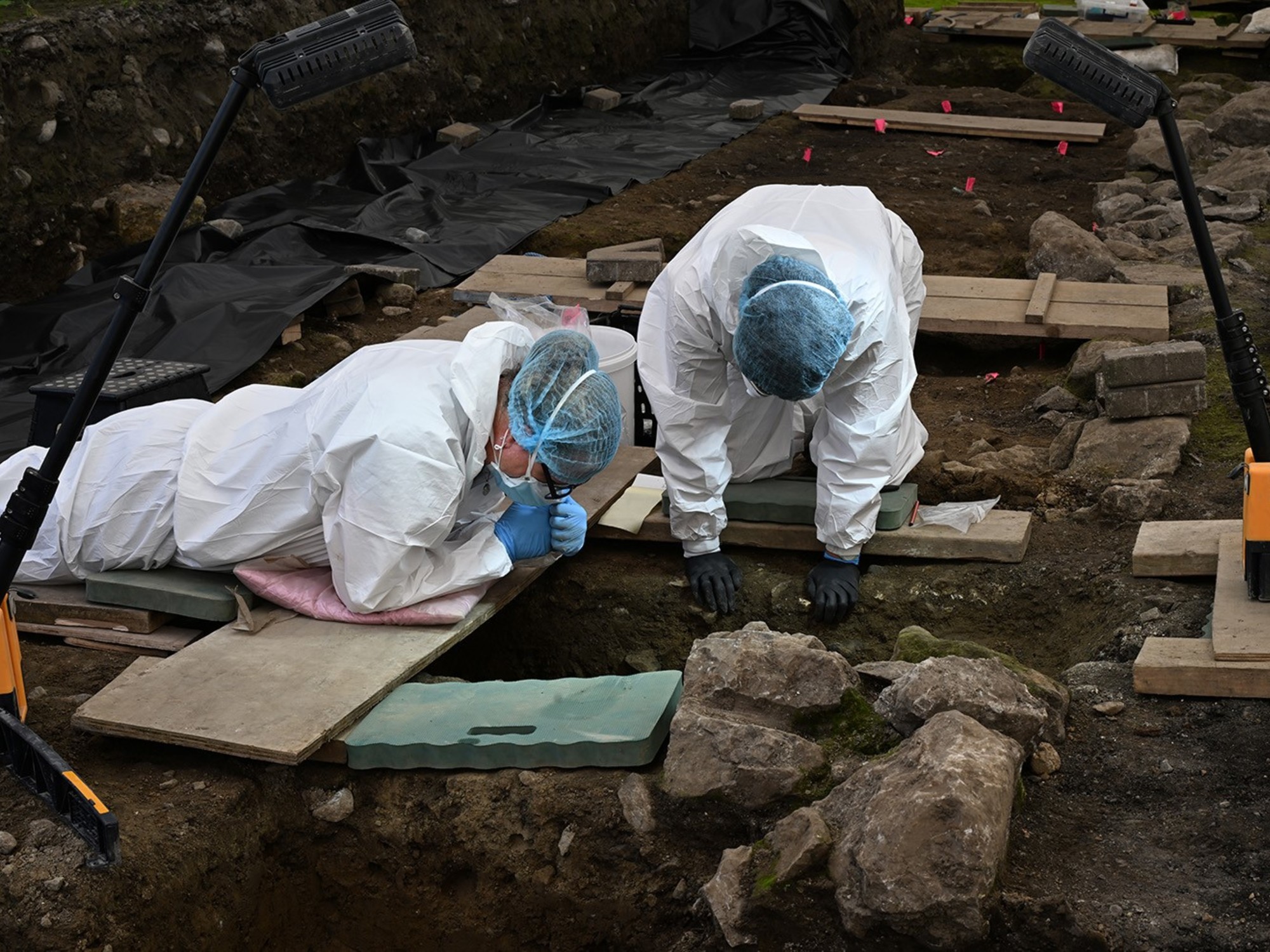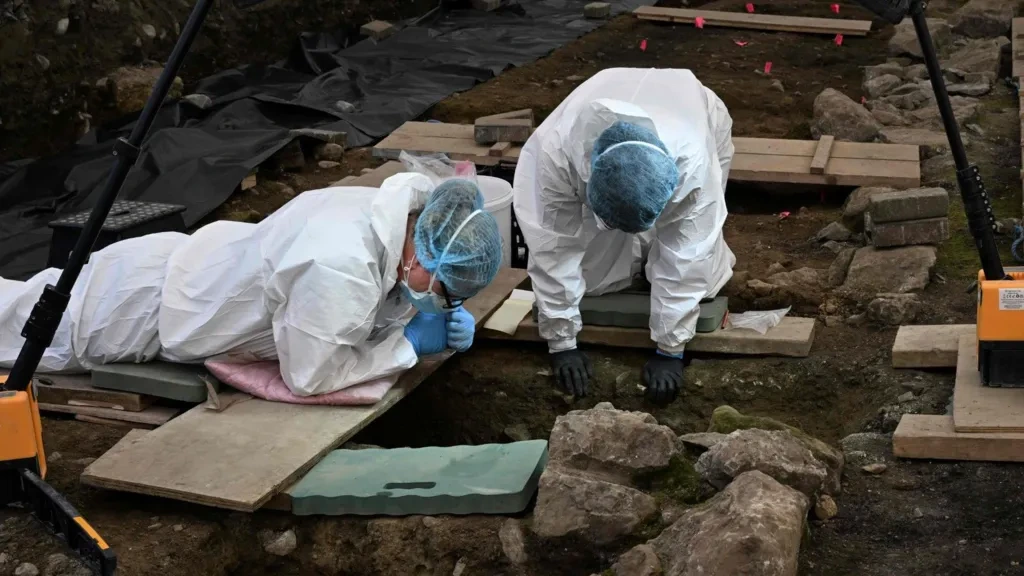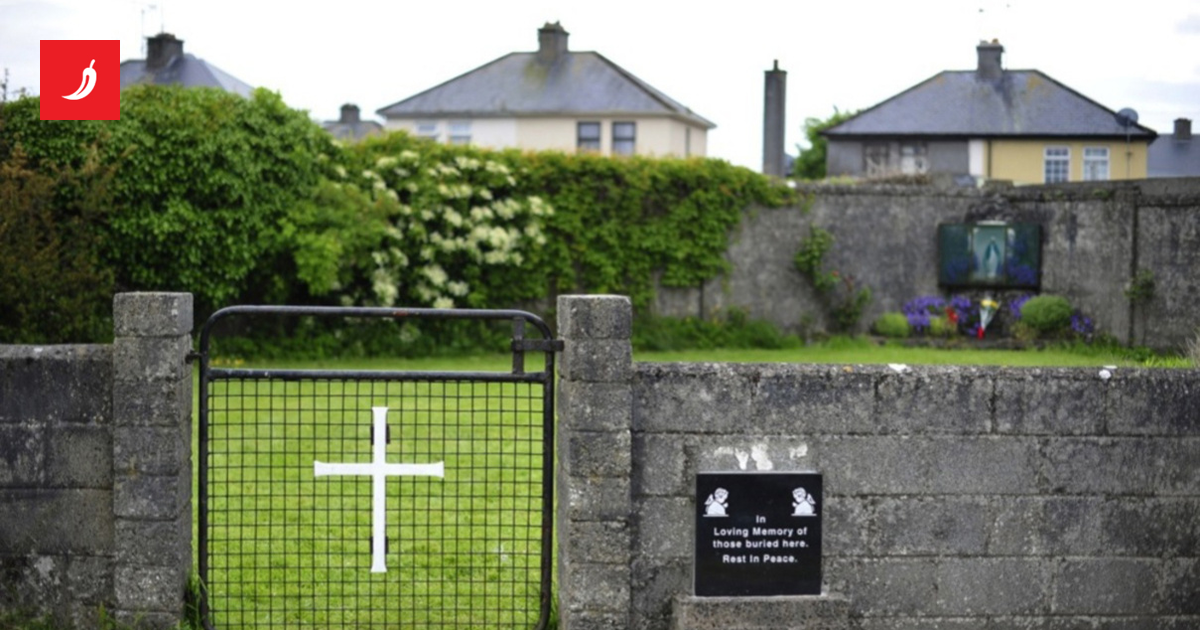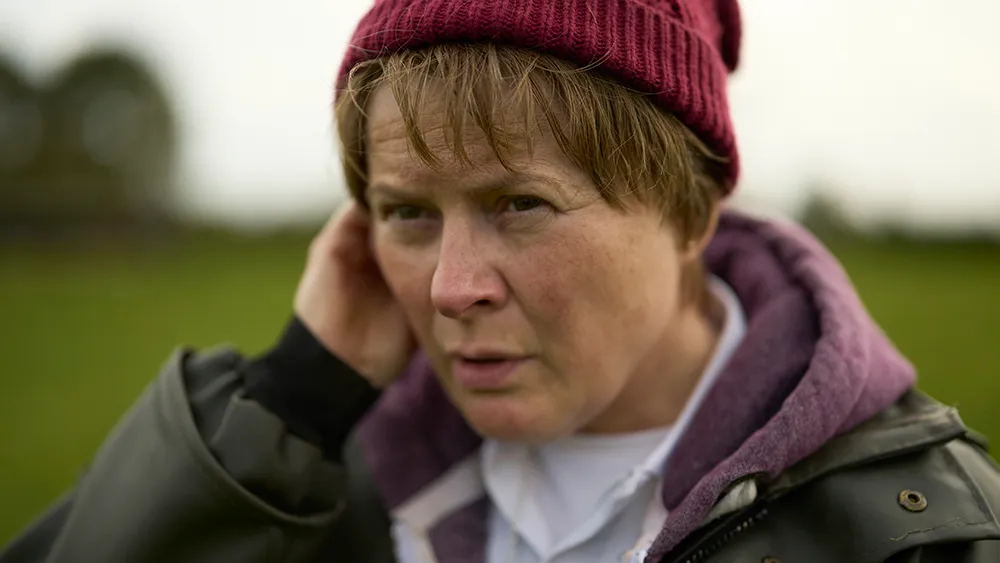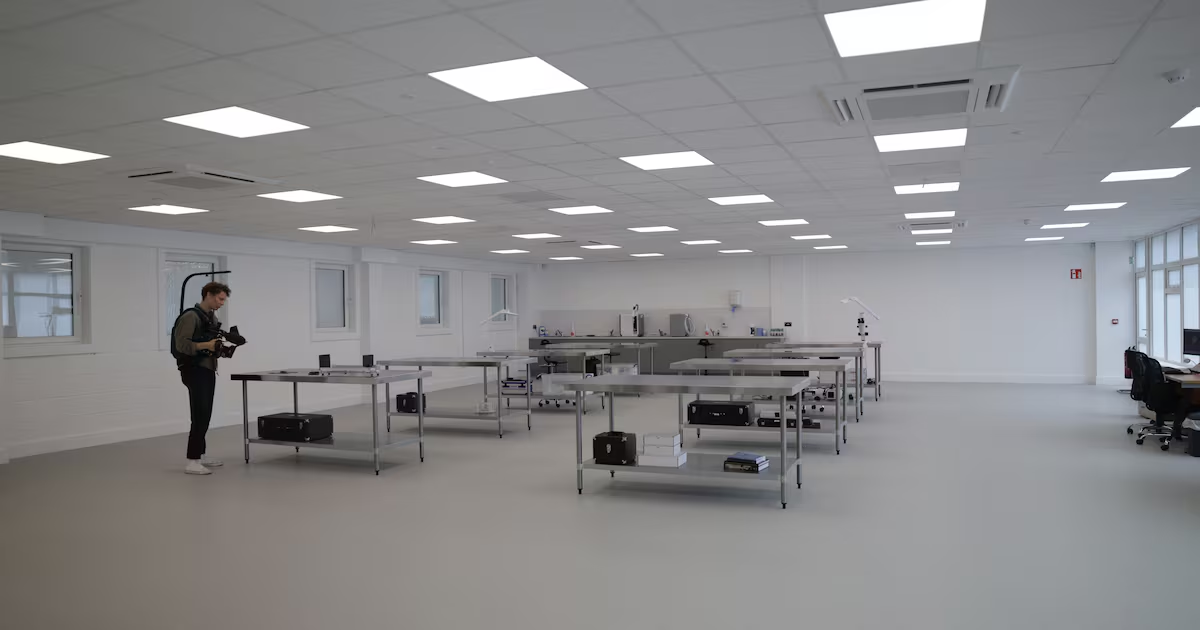
Almost 100 sets of human remains have been found to date at the site of the former mother and baby institution in Tuam, Co Galway.The remains of 22 infants were discovered in coffins during excavations at the site in June and July, bringing the total number found since last year to 99 individuals.The Office of the Director of Authorised Intervention, Tuam (Odait) provided the update on Wednesday. “In nine short months, the forensic excavation team have recovered the skeletal remains of 99 infants and children at this site,” said Odait senior forensic archaeologist Dr Niamh McCullagh.McCullagh said the fact such a high number has been found “within such a concentrated space” potentially indicates “how many more burials we will encounter as our work proceeds”.McCullagh said it was possible that hundreds of remains could be found at the site. Odait forensic laboratory co-ordinator Allysha Winburn: 'The process of identifying remains will be very complex.' Photograph: Enda O'Dowd “It’s not outside the realms of probability that we will find up to 800 individuals, but it’s impossible to say at this point.”In 2014, research by local historian Catherine Corless revealed that 796 children died at the institution that was run by the Bon Secours religious order between 1925 and 1961. A lack of burial records indicated they could be buried on the site. A test excavation in 2016 and 2017 in the memorial garden section of the site discovered a significant amount of human remains in what appeared to be a decommissioned sewage chamber. The excavations carried out to date are in a different part of the site. The team is working from its outer edges in an effort not to damage the ground as they move towards the test excavation site.McCullagh said it was difficult to say when they will start excavating the memorial garden “because we don’t know what we’re going to find between here and [there]”.Historical maps of the mother and baby institution. Photograph: PA “If we continue to find the density of burials that we have been finding, it will take some time.”The Odait opened a forensic facility and mortuary in the nearby village of Toghermore on Wednesday. Some €4.1 million has been spent on upgrading it. Experts will use the centre to clean, dry and examine any human remains found.The process of identifying remains will be “very complex”, said Odait forensic laboratory co-ordinator Allysha Winburn. She can lay out an adult skeleton in 20 minutes, but doing the same for a “very young individual” is much more difficult. “Each of my analysts might spend a day with those remains, figuring out which little portions of vertebrae go together, which side is left, which side is a right. So they would be laying out the individual’s remains meticulously.”Oran Finegan, who is leading Odait’s forensic programme, compared the process to “looking at a jigsaw and putting different pieces in. Bones will always tell a story and what you need are individuals who can interpret those different stories and bring them together. Excavation under way inside the former home in Tuam. Photograph: Office of the Director of Authorised Intervention, Tuam Toghermore campus in Tuam. Photograph: Enda O'Dowd “Our role is really to take each case and to comprehensively examine it, look at all of the different skeletal elements and try and build a profile, build a picture ... How old might the individual have been? Were they male? Were they female?”Finegan said the team will “focus on dental development, predominantly” when trying to find out the age and other characteristics of the individual remains.DNA samples have been taken from 62 people to date in an attempt to identify human remains found. Almost 200 people have applied to give DNA.In April, Cabinet approved proposals to include first cousins in the relatives eligible to give DNA as part of the identification process. The legislation needs to be passed by the Oireachtas before samples can be taken from that group. Earlier this year, members of the Odait team travelled to Britain and the US to collect samples from potential relatives. Further trips abroad are expected to take place as more people come forward. When pre-excavation work began at the site last July, the Odait said its work would take at least two years.Odait director Daniel MacSweeney said the process “will go beyond two years because of the complexity of the site”. He would not be drawn on how long. MacSweeney said the team was “very conscious that families are waiting” and “trying to move as fast as we can”.Odait spent €267,000 in 2023, rising to just over €2 million in 2024 and €4.92 million last year. The operating budget for this year is €12.35 million, which includes the €4.1 million spent on the Toghermore facility.
‘In nine short months’ Tuam excavation team uncovers 99 infants and children
Forensic facility and mortuary set up near mother and baby home site where excavation works began last year
791 words~4 min read