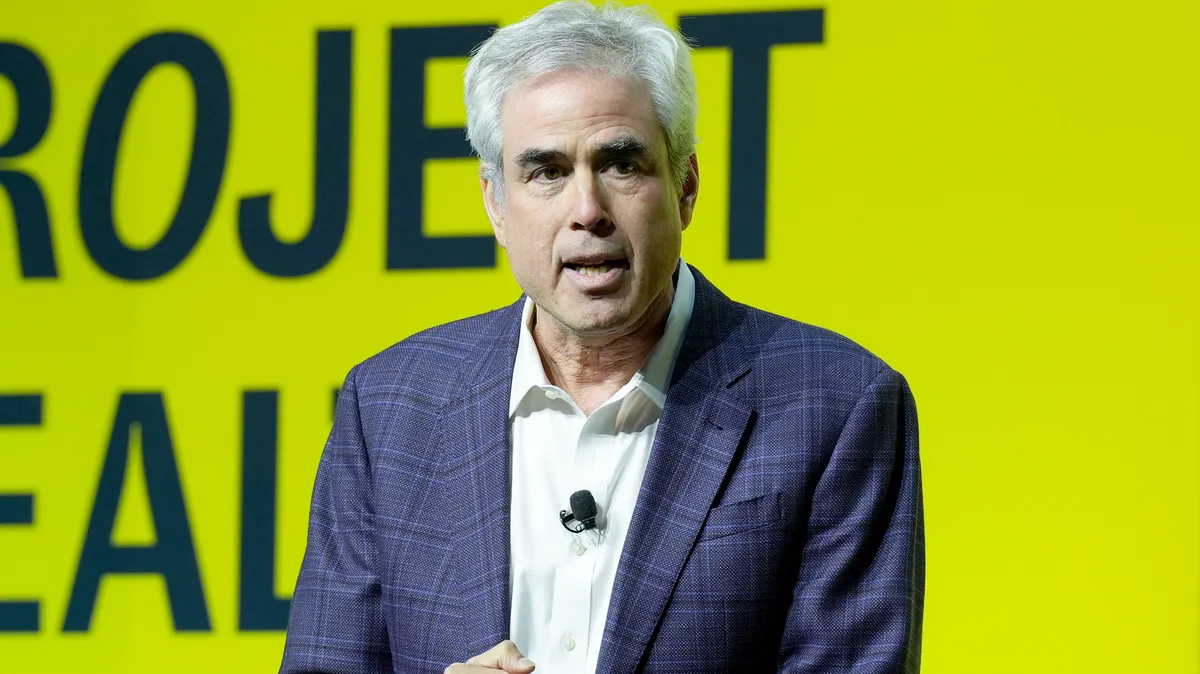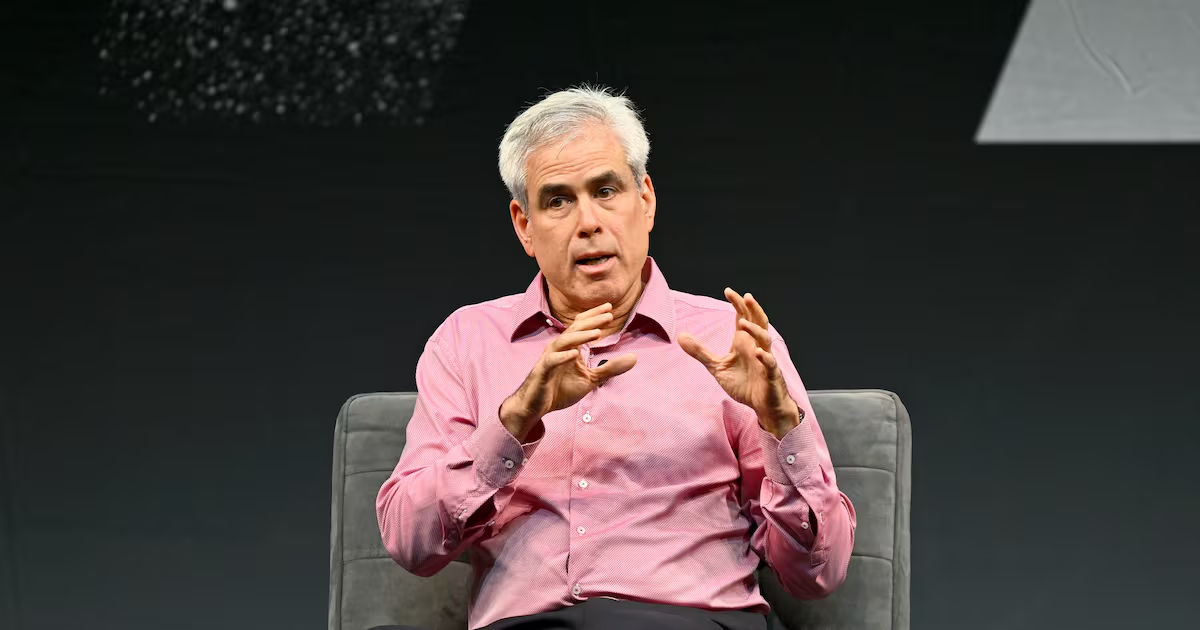
Two of my heroes are in conflict about the causes of the youth mental health crisis. I have admired evolutionary psychologist Peter Gray’s work since his 2013 book, Free to Learn, which advocates for more play and greater independence in childhood. He defines play as enjoyable, self-chosen and self-directed activities engaged in for their own sake. Play is not devoid of structure because the rules come from the players’ minds. It is intrinsically creative and imaginative. Importantly, it is not adult-led. My other hero, social psychologist Jonathan Haidt, is also an admirer of Gray’s work. They were once close collaborators, including co-founding a non-profit with Lenore Skenazy called Let Grow, which campaigns for more free time spent playing. It opposes what it calls safetyism – bans on running in school playgrounds and overzealous laws enacted to prosecute parents who do not supervise their children for every moment of the day.Their first disagreement was over video games, and they agreed to differ. Gray is a fan, believing that games build skills and allow young people to form connections without adults. Haidt was concerned about the levels of violence and the potential for addictive habits.In his last book, The Anxious Generation, and on his Substack, After Babel, Haidt argues persuasively that phone-based childhoods have replaced play-based childhoods. He believes that the precipitous drop in young people’s mental health since 2010 can be attributed to the advent of the smartphone. [ What’s the right age for my daughter to get a smartphone? I asked her older siblingsOpens in new window ]Both Gray and Haidt believe that children are over-supervised in childhood but Haidt says that they are then released into a maelstrom of malevolent influences on the internet without any protection at all, with predictably dire results for mental health.Gray is quoted extensively in The Anxious Generation. However, when Gray saw an early proof copy of the book, he was horrified. He felt that by calling for age restrictions on phone use and online activity, Haidt was repeating the mistakes made by parents for the past 70 years, that is: trying to protect young people from every risk. For Gray, despite its dangers, the online world is just another aspect of reality that young people need to learn to navigate. [ No smartphones before 14: Is this the prescription for a happy childhood?Opens in new window ]He says the scientific evidence for phones being at the root of rising depression and anxiety is inconclusive. He blames schools instead, specifically the 2010 introduction of the US Common Core State Standards Initiative, with its emphasis on higher-stakes tests. He believes the impact on students’ mental health has been immense. Gray’s book, Restoring Childhood: How to Set Kids Free in the Age of Anxiety, will be published in September. It is positioned as a counter to Haidt’s bestseller. Gray has also withdrawn from the board of Let Grow.It is always unwise to ascribe a single cause to complex phenomena. The evidence for the harms of mobile phones is indeed weaker than Haidt suggests. Kaitlyn Tiffany’s recent article in The Atlantic, examining the dispute between Haidt and Gray, includes interviews with other prominent psychologists. They describe the evidence as inconclusive or, at best, one factor among many.For sure, school can be stressful. The problem with Gray’s thesis is that Common Core only exists in the US. Countries with very different educational systems are also witnessing a youth mental health crisis. I think both Gray and Haidt are right about the negative effects of loss of freedom and independence in childhood. Many factors feed into this, not just over-protective parents. We cannot tell our children to go and play in the traffic. Gray cites a study from the 1990s of two economically similar neighbourhoods in Zurich. In one, children as young as five played outdoors but, in the other, traffic prevented it.Those with freedom to play outside spent twice as much time outdoors, were much more active, had more than twice as many friends and had better motor and social skills.We conducted our own natural experiment on this during the Covid-19 lockdowns. A Mary Immaculate College study found that junior infants pupils after the pandemic were much less independent, more anxious and lacked basic skills in toileting and even eating. However, I think Gray is naive about the freedom to roam the internet. He says adults prepared him for hazards such as never talking to strangers or accepting candy from them before they let him walk to the shops at the age of four to buy cigarettes for his grandmother. No such safeguards exist online. Powerful tech companies are constantly lobbying to prevent their introduction. As a commenter on one of Gray’s Substack posts says, a child is likely to view footage of a real rape before ever having a first kiss – something unthinkable before the internet. And then there is the fact that parents are often as addicted as their offspring. Consider the furore that would ensue if a social media ban were mooted for adults. Far from encouraging independence, many of us love the opportunity phones provide to covertly surveil our children. Despite their public disagreements, Haidt and Gray still speak a lot of sense – unfortunately not enough of us are listening. Perhaps the changes to adult behaviour they propose make us unwilling to hear them.
Breda O'Brien: Two psychologists are at war over children and phones. Which one is right?
Both Peter Gray and Jonathan Haidt believe that children are over-supervised in childhood. But they differ on phones
892 words~4 min read