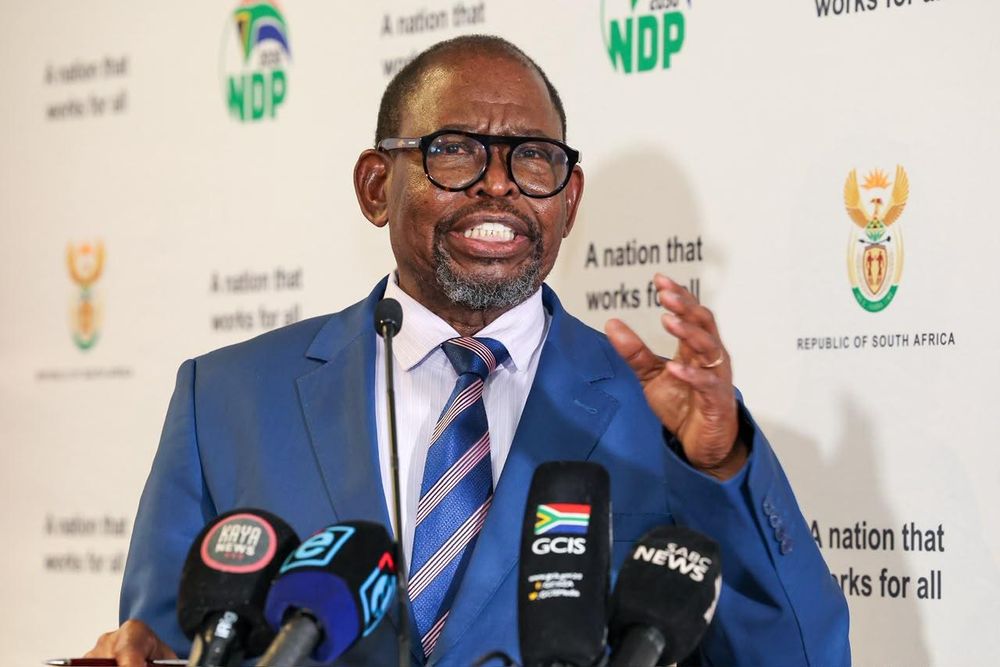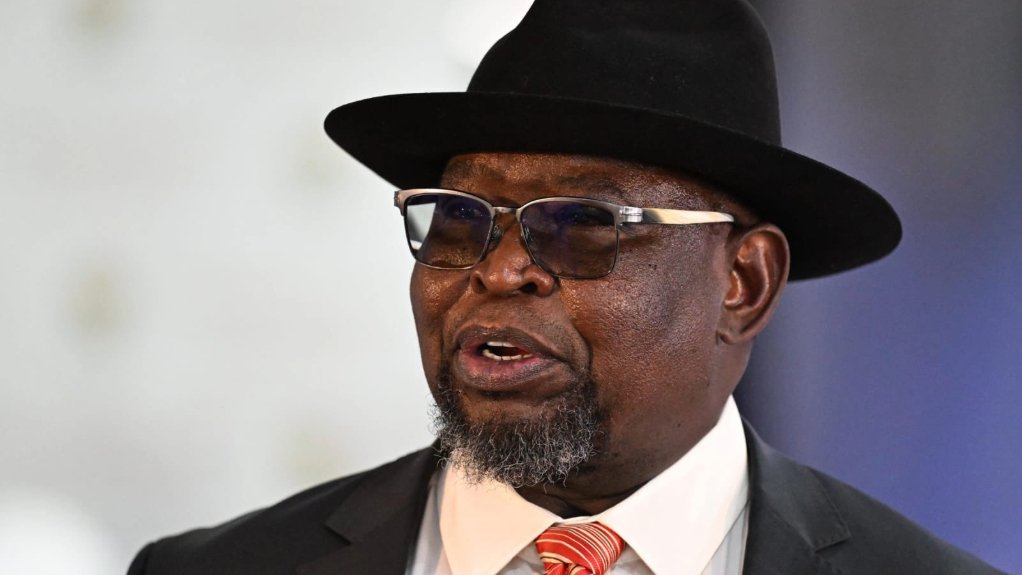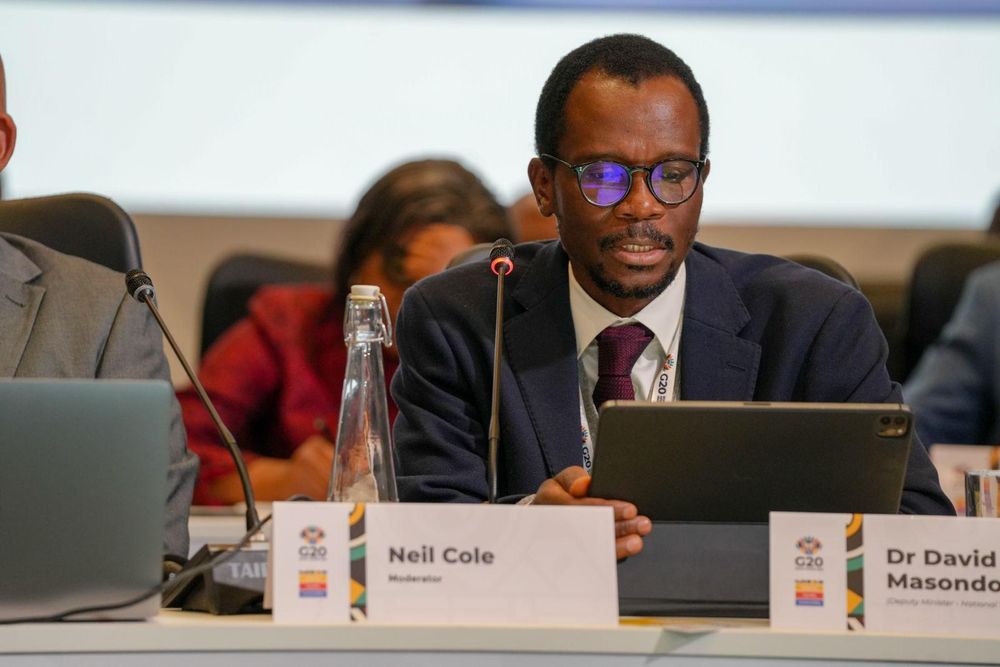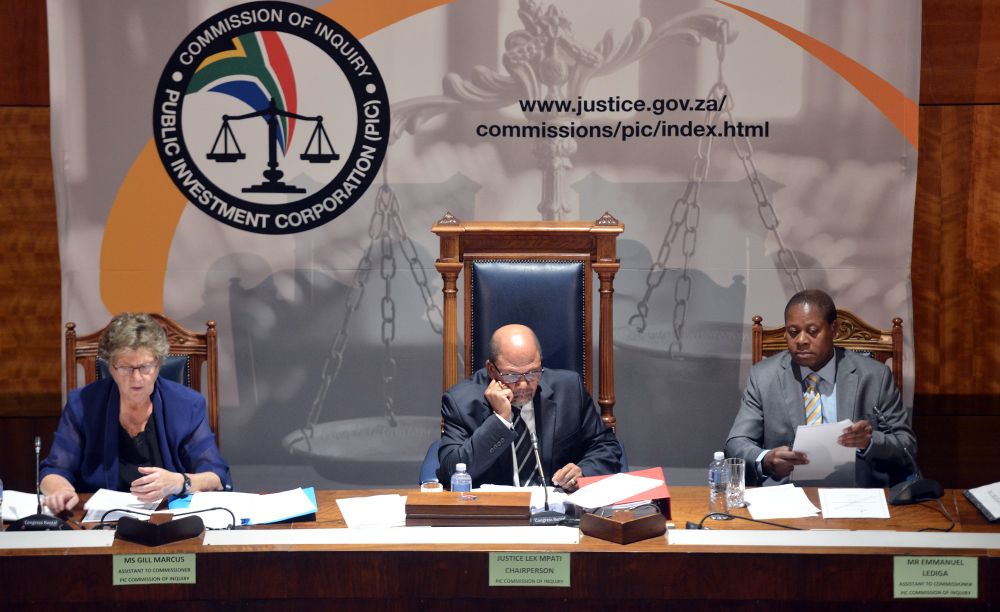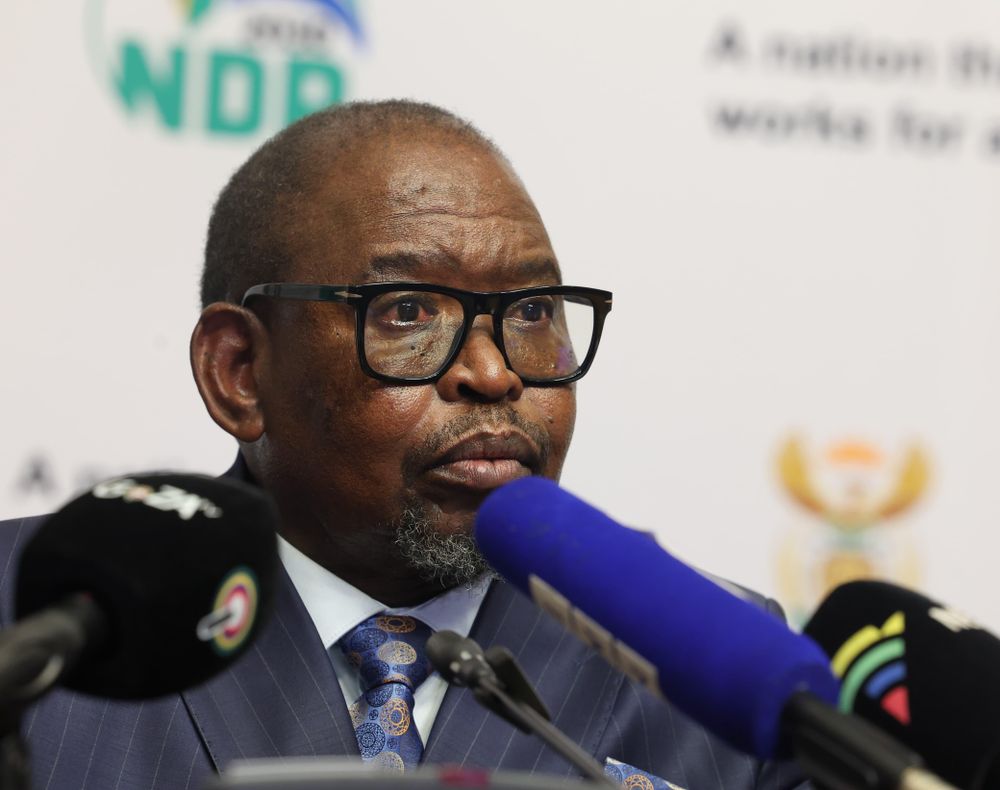
Minister of finance Enoch Godongwana has told confidantes that he would prefer the investigations now under way by the Financial Sector Conduct Authority (FSCA) and SIU into governance at the Public Investment Corp (PIC) to run their course rather than put the entity through the trauma of another commission of inquiry.“The minister has taken the view that there must be strong governance at the PIC, as it poses a systemic risk to the economy. However, another commission is not the way to go. His preference is to allow the FSCA and SIU to conclude their work and the new board to deliberate on those reports,” a source said.The source also quoted Godongwana as saying the DA’s Ashor Sarupen, one of two deputy finance ministers, is not a shoo-in to replace the other deputy minister, David Masondo, who fell on his sword this week as the minister moved to dissolve the PIC board.Since the PIC was incorporated 21 years ago, the role of chair has been held by a deputy minister of finance, with the exception of a two-year stint served by Reuel Khoza following the Mpati commission of inquiry into malfeasance at the asset manager, which today marshals about R3.7-trillion in assets.Business Times understands that Seiso Mohai, the deputy minister of planning, monitoring & evaluation, has emerged as a dark horse to replace Masondo. Mohai, a former Free State finance MEC, has served as chair of the select committee on appropriations and co-chair of the joint standing committee on financial management. Masondo this week yielded to pressure from Godongwana to resign amid a welter of governance issues at the PIC. There was a mass exodus of non-executive directors after the suspension of the CEO, Patrick Dlamini, last week.The PIC is currently facing an investigation by the FSCA, which last week expressed concern at media reports about whistleblower allegations of wrongdoing in the highest echelons of the organisation. One of the whistleblower reports the FSCA is looking into, which Business Times has seen, says there have been governance lapses in the appointment of the investment committee and that key members of the committee lack relevant experience to preside over important transactions.The whistleblower report urges the FSCA to review the composition of the committee and ensure all roles align with the Financial Advisory & Intermediary Services Act.“The investment committee as currently constituted lacks fit-for-purpose capability to exercise informed investment judgment,” it says. “Private markets investment decision-making requires applied transaction experience, including the ability to structure, evaluate, and execute complex investments under uncertainty. These capabilities are developed through direct participation in transactions and cannot be substituted by general financial or risk management experience. The absence of such capability within the investment committee represents a fundamental design flaw. The absence of such capability within the investment committee represents a fundamental design flaw— PIC whistleblower report“More fundamentally, the composition of the investment committee is structurally deficient, in that members collectively responsible for the allocation of public funds do not possess fit-for-purpose capability to discharge fiduciary investment responsibilities,” the report says.One committee member singled out in the report is August van Heerden, who was acting chief investment officer from October until last week. Business Times has it on good authority that Van Heerden’s tenure was brought to an abrupt halt after the Government Employees Pension Fund (GEPF), on whose behalf the PIC manages assets, objected to his appointment.The FSCA and the SIU are also looking into the R430m that the PIC paid Acapulco after their dispute over a loan — granted to Acapulco in 2013 to buy a stake in Lanseria Airport — went to arbitration. The payment went ahead despite Acapulco being in arrears to the PIC to the tune of about R600m.The arbitration process last year found that the valuation of the assets conducted by accounting firm Crowe, which put the stake at R1bn, was legitimate. Dlamini roped in professional services firm PwC to look into the transaction. PwC listed what it said were several questionable decisions involved in the payment. Among them was the PIC’s agreement, at the behest of Acapulco, to terminate the mandate of accounting firm BDO, which had found the stake was valued at about R330m.Crowe was introduced to the PIC by Acapulco, PwC found. PwC further found the PIC presented a weak case at the arbitration, essentially giving Acapulco a blank cheque. One of the issues the incoming board faces is the plethora of executive positions being held in an acting capacity, including those of CEO, COO, chief investment officer and chief risk officer. Independent analyst Khaya Sithole said Godongwana needs to appoint a board with people of integrity and capacity.“The PIC Act provides for three labour representatives selected by labour at the public service co-ordinating bargaining council to be appointed. We expect that to be respected by the government; it is key that the current investigations at the PIC, including the issues raised by the whistleblower report, be expedited and not interfered with,” Sithole said.He said President Cyril Ramaphosa “needs to task the SIU, auditor-general and Hawks to investigate all PIC investments, listed and unlisted. The culture of political interference in PIC operations needs to end. The culture of officials at the PIC, politicians, and their families and tenderpreneurs looting at the PIC must end.”As a parting shot, Masondo, in his statement announcing his decision to resign, said he hoped the whistleblower report and the Acapulco saga woud not be “swept under the carpet”.“For the sake of transparency and accountability, it is important that these issues be determined by the courts and brought to their proper legal conclusion, despite the resignation of the previous board,” he said.Cosatu spokesperson Matthew Parks said the appointment of PIC directors was essentially a deployment process involving the National Treasury, the GEPF and big unions, which meant that the PIC was denied the opportunity to scan the market comprehensively for the skills required to govern an entity of its stature and structure.“The legacy of this board is that they have also presided over the hollowing out of the executive wing, as it was under their leadership that a chief information officer exited and a CEO was suspended. This creates a leadership and governance paralysis that significantly impacts the daily decision-making at the PIC,” he said.“Core to the problem is the eternal confusion about the lines of authority across the four decision-making pillars — the CEO, the board, the GEPF and the shareholder minister. The confusion around veto rights and decision-making discretion will continue to affect the PIC."Business Times
Enoch Godongwana determined to fix PIC governance
Minister of finance believes SIU and FSCA probes now under way should run their course before any new commission of inquiry is considered, source says
1,085 words~5 min read