James Emejo writes on the recent decision by the Central Bank of Nigeria to retain all key monetary policy parameters
The renewed conflict in the Middle East has emerged as the biggest external threat confronting monetary authorities worldwide. Higher crude oil prices, supply chain disruptions and renewed inflationary pressures have forced several central banks to reassess earlier expectations about inflation and interest rates.
For Nigeria, these developments have complicated the CBN’s own inflation projections.
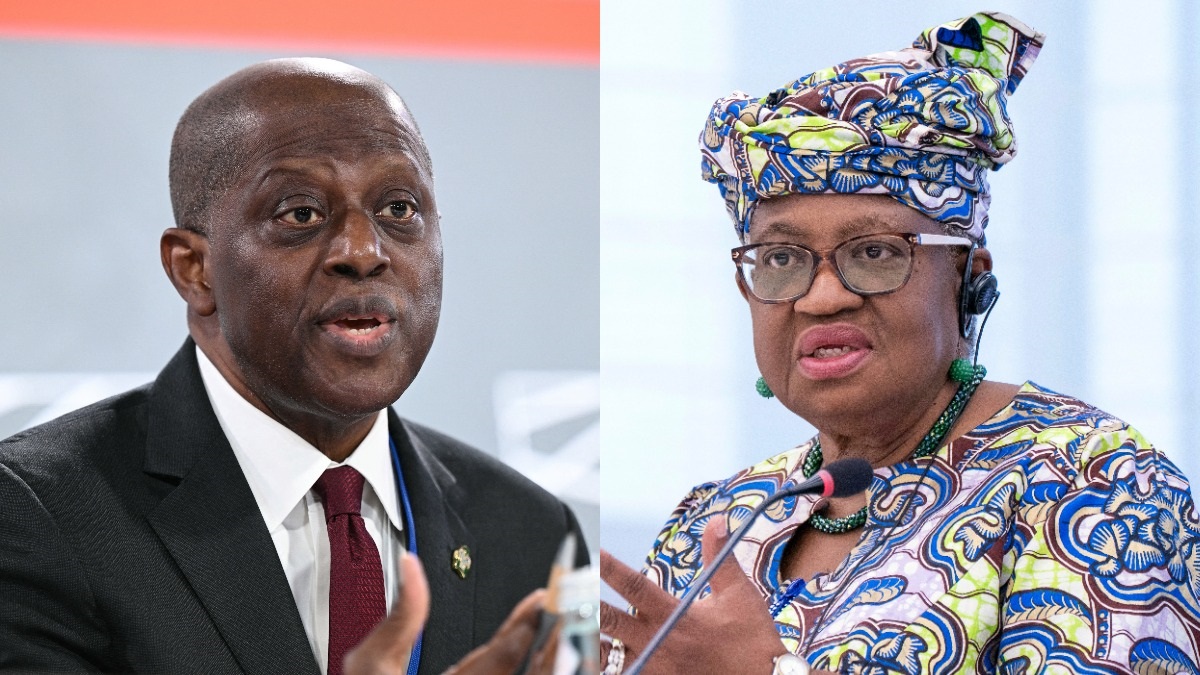
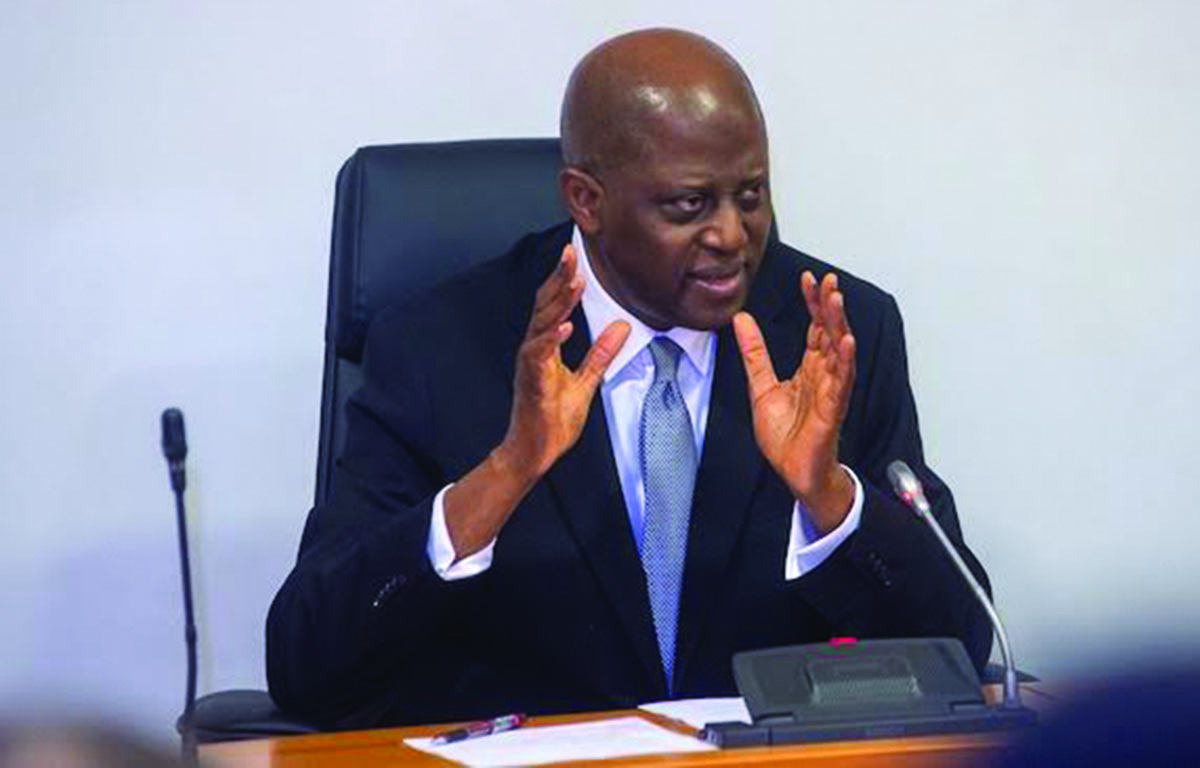
Cardoso admitted that the bank had expected inflation to be firmly on course towards single digits by early 2027 after recording 11 consecutive months of disinflation.
That trajectory, however, was interrupted by shocks that neither Nigeria nor most global policymakers anticipated.