The Central Bank of Nigeria (CBN) is widely expected to keep its benchmark interest rate unchanged through the rest of 2026 as persistent inflation risks linked to global oil prices, domestic energy costs and pre-election fiscal spending outweigh calls for monetary easing, economists have said.
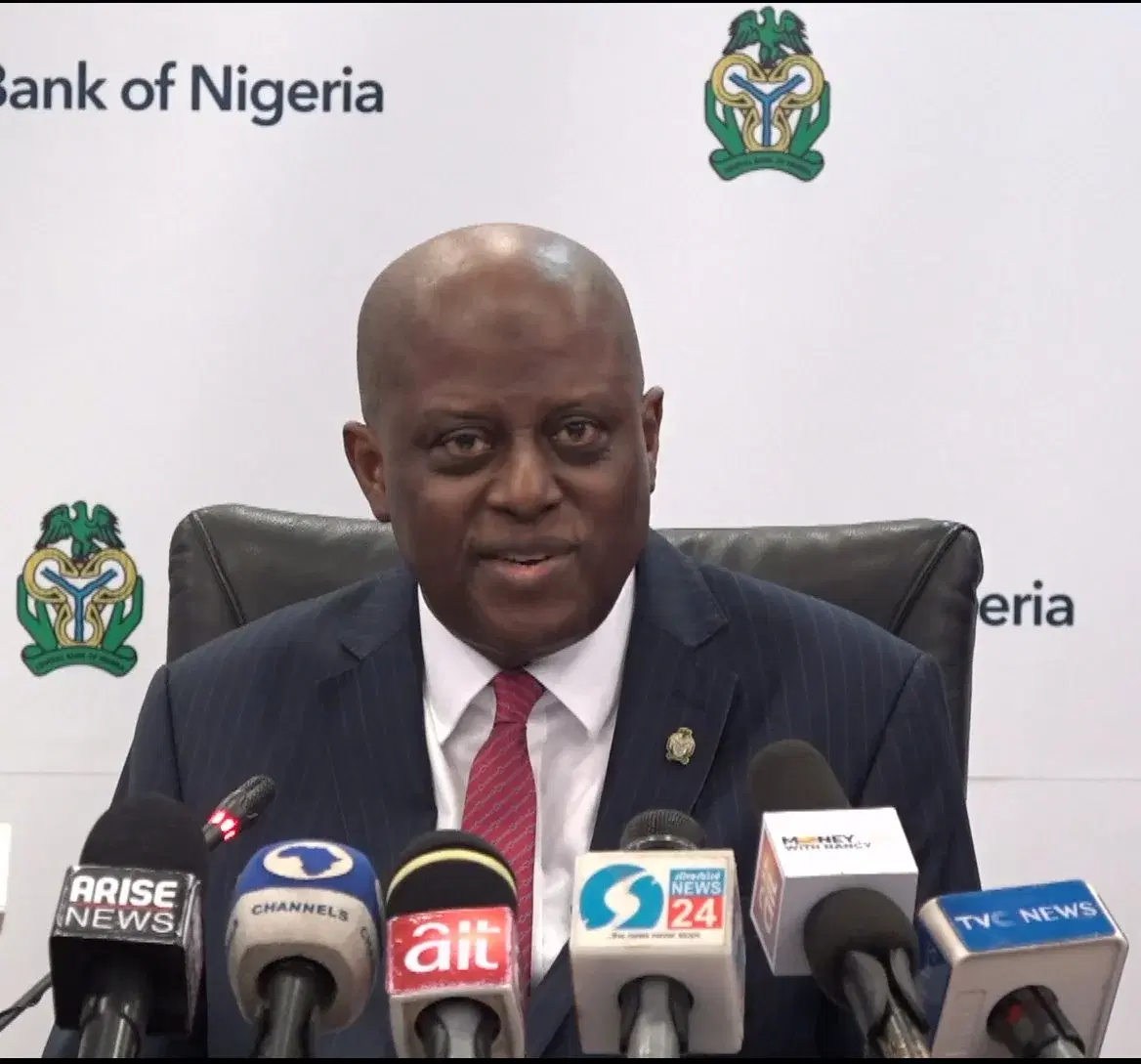
The expectation follows last week’s decision by the Monetary Policy Committee (MPC) to leave the Monetary Policy Rate (MPR) unchanged at 26.5 percent for a second consecutive meeting, underscoring policymakers’ cautious approach despite signs that inflation is gradually moderating.
Most analysts believe the central bank will prioritise price and exchange rate stability over supporting growth, warning that cutting rates too early could reverse recent gains in disinflation, weaken the naira and erode foreign portfolio inflows.
Ken Ife, a development economist and macroeconomic analyst, said the balance of risks remains firmly tilted towards keeping monetary policy tight, citing renewed geopolitical tensions in the Middle East, higher crude oil prices and mounting domestic cost pressures.
According to Ife, Brent crude prices climbing above $100 per barrel have pushed up shipping and insurance costs, while the escalation of tensions in the Strait of Hormuz has added fresh uncertainty to global energy markets. At the same time, Nigeria is facing increased pressure on foreign exchange from a sharp rise in refined petroleum imports.