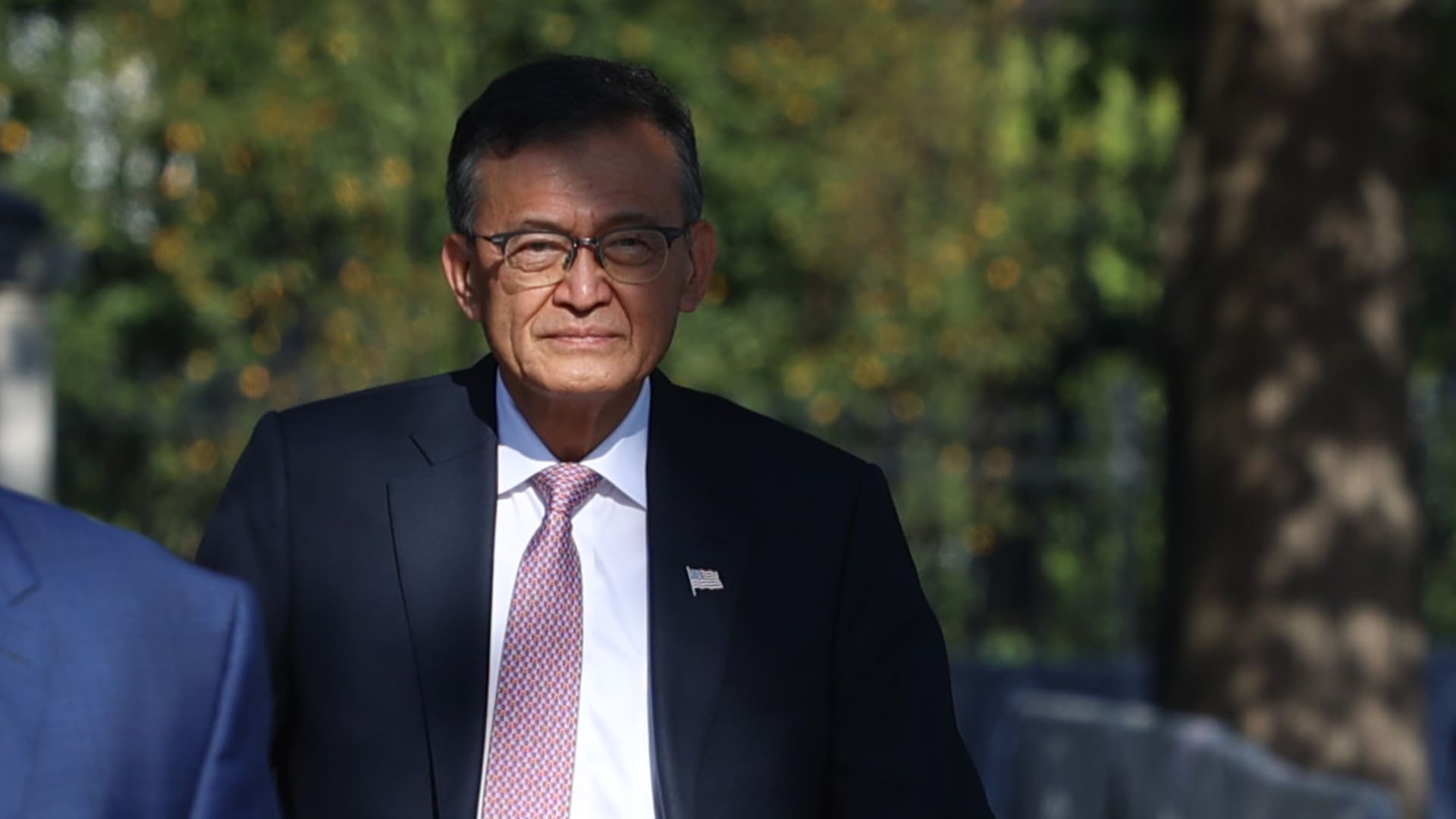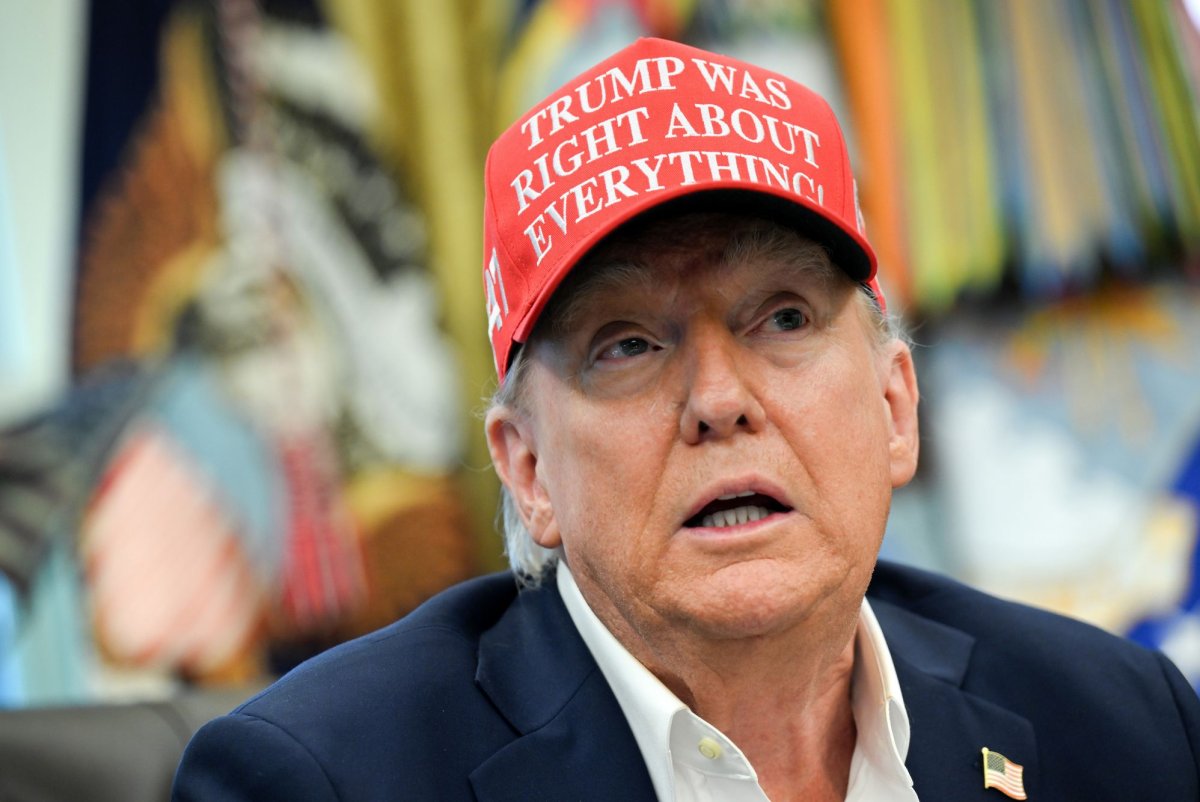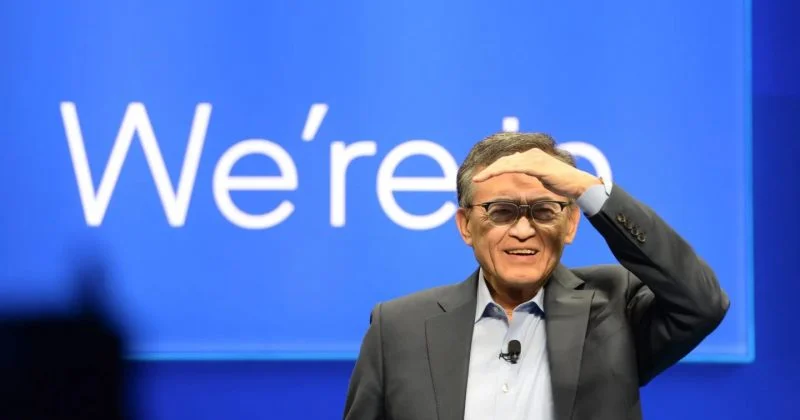
A year ago, the Trump administration took a nearly 10% equity stake in Intel in exchange for about $9 billion in grants it received from the CHIPS Act under President Joe Biden. And now, Intel’s earnings are stronger than ever: The U.S.-based chip maker reported sales jumped by 25% last quarter, the largest increase in more than 15 years. It’s quite the turnaround for the company: once a titan of the industry that helped put the “silicon” in Silicon Valley, but which had fallen behind in the last decade. And as Intel’s run of strong earnings continues, the U.S. government’s stake in the company has grown to about $40 billion. A lot of factors have played into Intel’s comeback, according to Tufts historian Chris Miller, the author of “Chip War: The Fight for the World’s Most Critical Technology.” There’s the years-long overhaul of corporate and manufacturing structures and government support, but most importantly:“The demand for the CPU chips that the company produces has surged because of AI,” said Miller. “That's the primary reason that Intel's revenues have increased and its stock price has done very well.”The humble Central Processing Unit that powered Intel’s dominance in personal computing had been overshadowed by GPUs from NVIDIA early in the AI boom. “But over the last year, as AI workflows have changed and as companies have relied more on agents, they found that pairing CPUs with GPUs provides better performance,” Miller explained.Plus, having the federal government as an investor is helping Intel build out its manufacturing capacity, and meet that demand, according to Angelo Zino at CFRA. “It actually pushed others to also make investments, right?” Zino said. After the U.S. invested, SoftBank invested $2 billion, and NVIDIA threw in another $5 billion to help expand domestic chip production.“If you're a company like NVIDIA, if you want to position yourself in a favorable light with the U.S. government, it would make all the sense in the world to try to give Intel some of your business,” he said. Analyst Jay Goldberg at Seaport Research Partners also pointed to reports that the Trump administration has worked behind the scenes to push Big Tech companies to partner with Intel.“The Trump administration encouraged people to take a closer look, and customers found they liked what they saw enough to go start buying stuff,” Goldberg said.In the short term, according to Goldberg, the deal seems to be paying off for both parties. But going forward, it’s not a certainty.“I think there are still a lot of questions about whether or not this is good policy, what this means in the future,” Goldberg said. Right now what the government wants aligns pretty well with what the market wants — but that might not be the case forever.
Intel is booming a year after the U.S. government bought a stake. Is that a win-win?
Intel posted a 25% jump in sales in its latest earnings report. The federal government’s roughly 10% stake in the chipmaker is now worth around $40 billion.
TL;DRAI
Intel's sales jumped 25% on AI demand and CPU+GPU pairing for agents; the U.S. government's $40B stake catalyzed $7B from SoftBank and NVIDIA. For tech leadership, this signals government-backed vendor localization strategy, but policy-market alignment may fracture as geopolitical pressure mounts.
459 words~2 min read