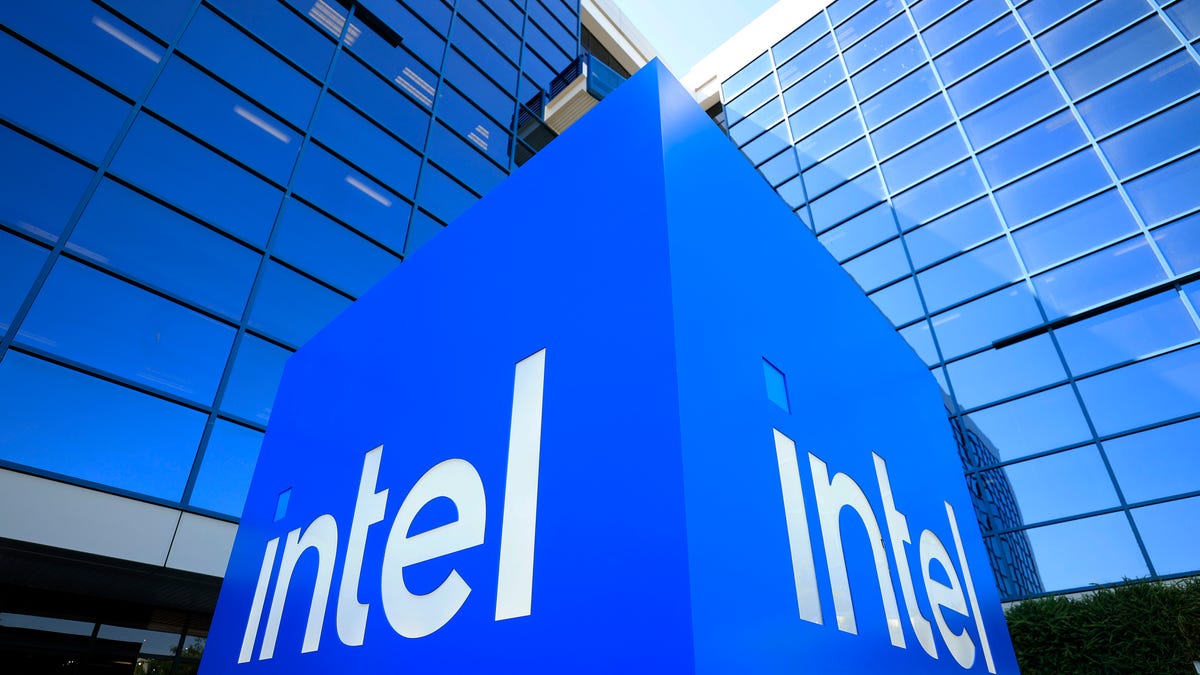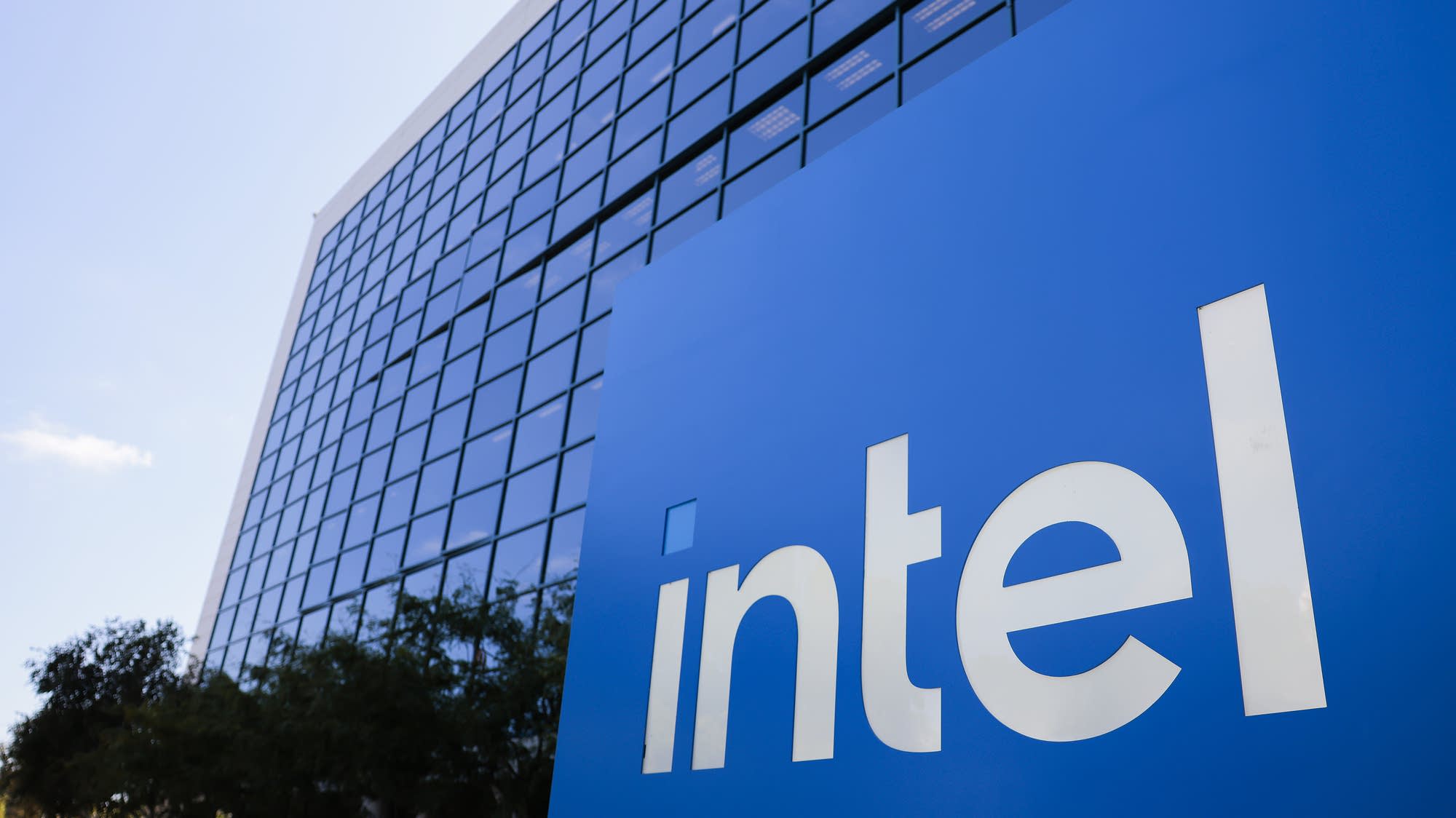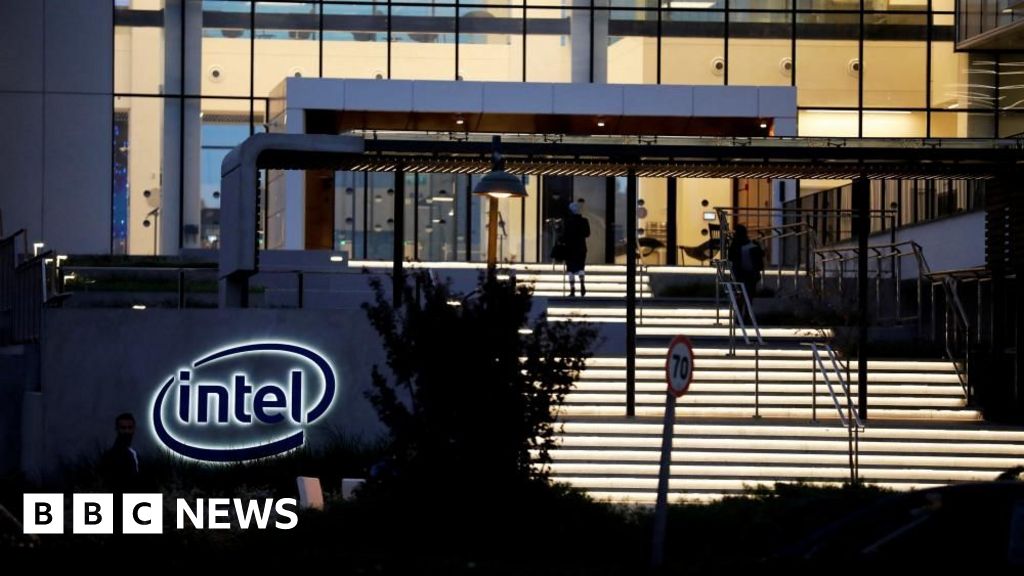
Intel just went from Silicon Valley’s most pitied company to the centerpiece of America’s semiconductor strategy. The US government now owns a 10% equity stake in the chip maker, converted from roughly $9 to $10 billion in CHIPS Act funding, and it’s actively pressuring the biggest names in tech to route their manufacturing through Intel’s fabs.
The deal structure and what’s actually happening
The arrangement works like this: the federal government converted its CHIPS Act support into direct equity ownership in Intel, giving taxpayers a meaningful stake in whether the company succeeds. On top of that 10% position, an additional $10 billion has been earmarked for investment in US-based factories.
President Trump announced on June 18 that Apple had agreed to collaborate with Intel on US-based chip design and production. The move is specifically designed to reduce Apple’s near-total dependence on Taiwan Semiconductor Manufacturing Company, which currently dominates the world’s most advanced chip fabrication.
Nvidia is also in the mix, with a reported $5 billion involvement in manufacturing partnerships with Intel. CEO Lip-Bu Tan has been working to line up several major customers, turning Intel from a company that lost the mobile revolution into one that could anchor America’s AI hardware supply chain.