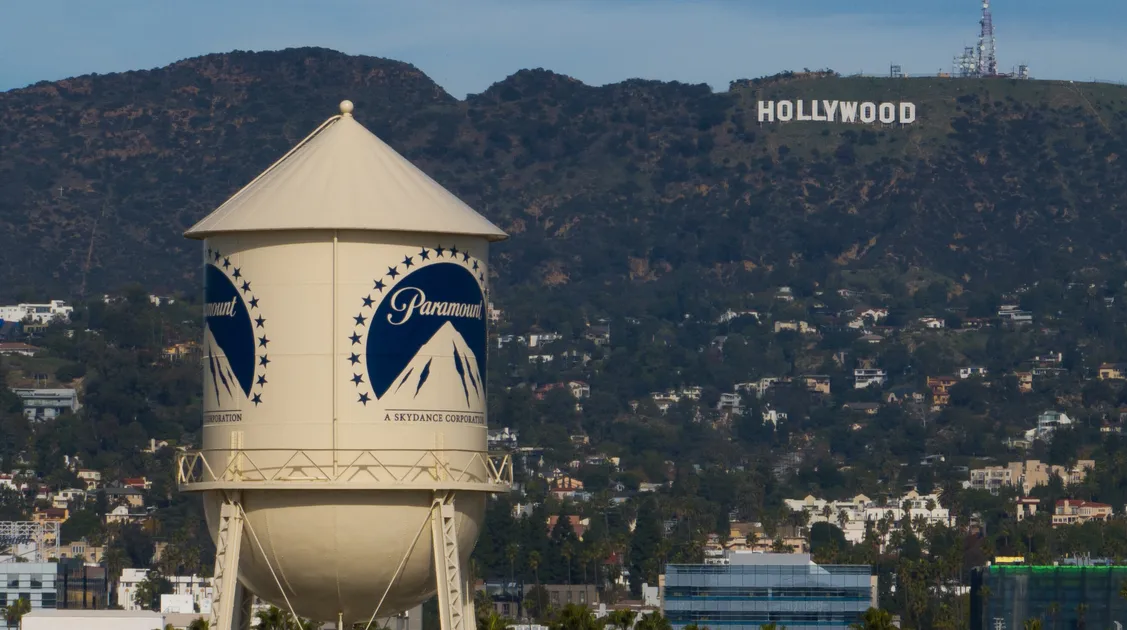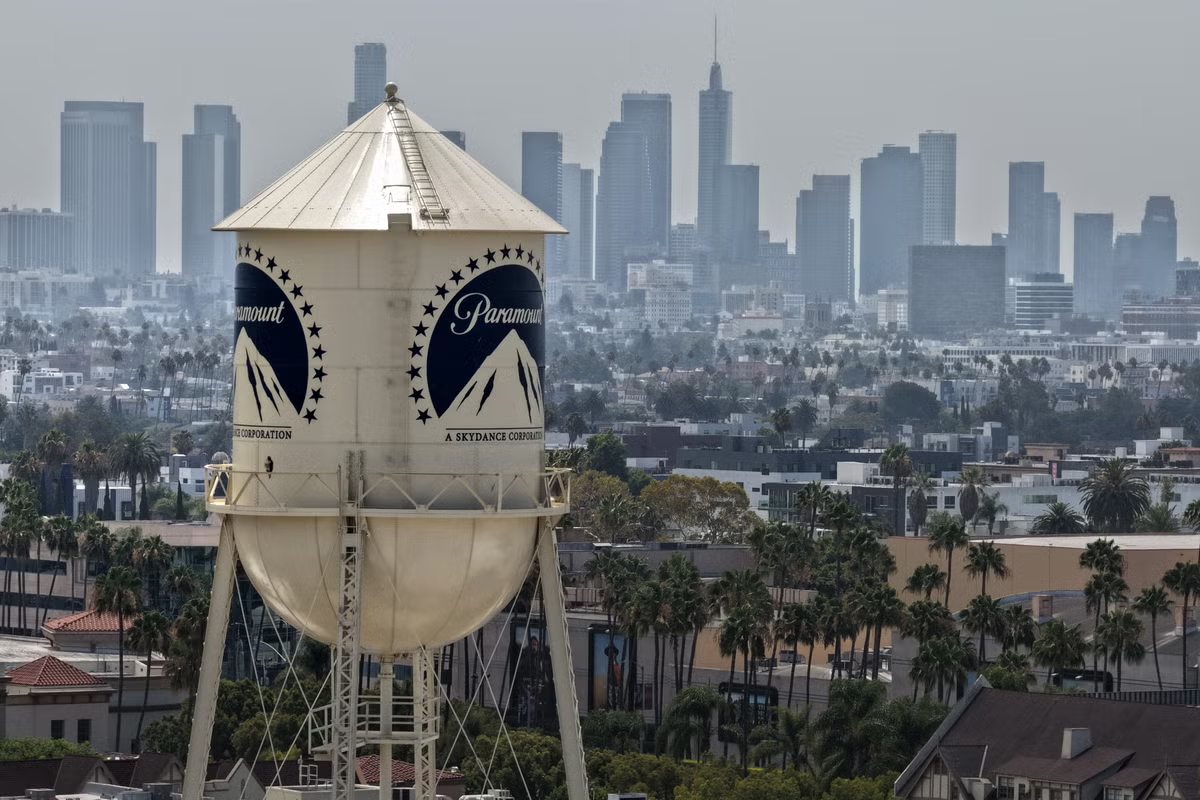
Jae C. Hong/Associated Press
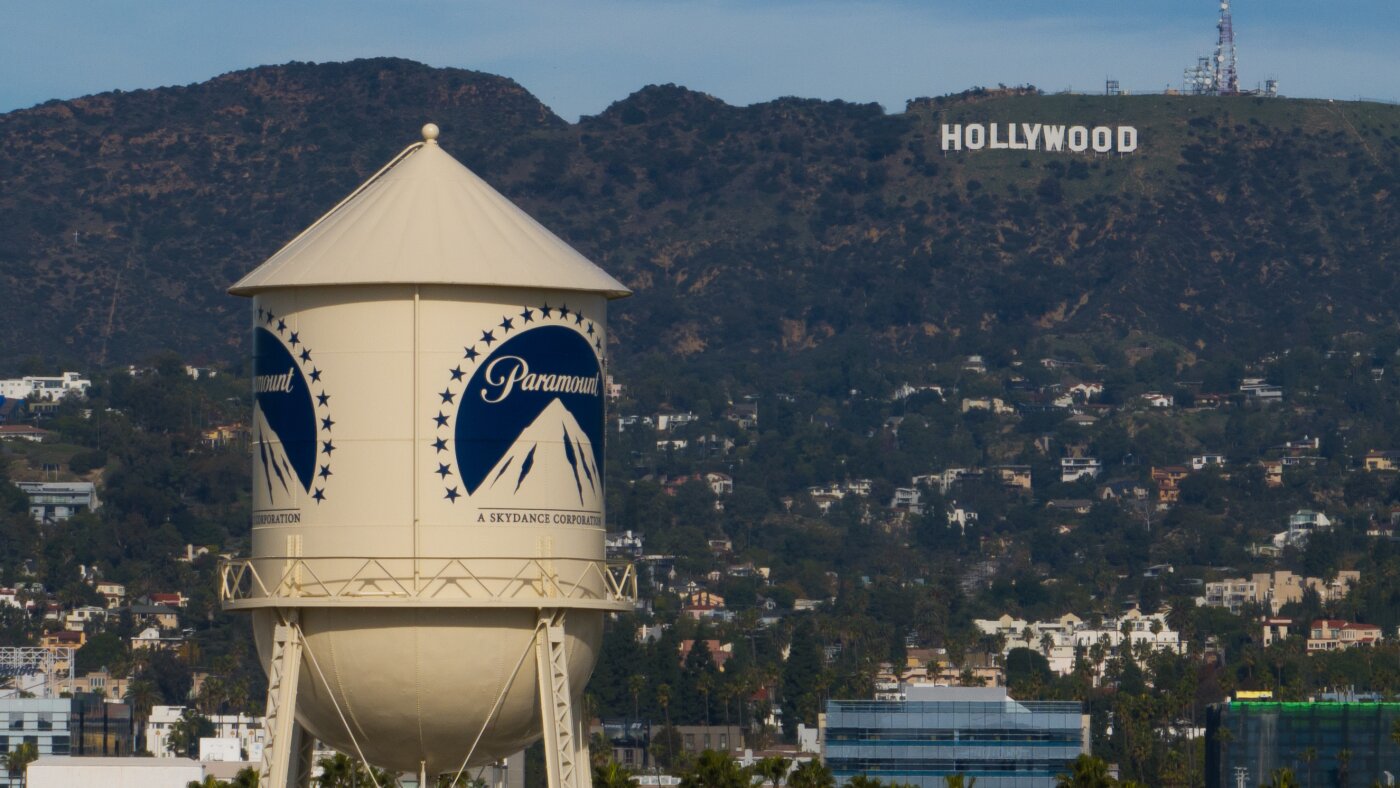
But Paramount is battling a pair of lawsuits filed by a consortium of 12 states and from the Writers Guild of America, which represents many entertainment professionals who work in Hollywood. The Democratic attorneys general and the Writers Guild allege that Paramount's purchase of Warner Bros. would reduce competition, hurting filmgoers along with TV and news consumers and especially those who create entertainment programming and the news content that the public relies on.
Earlier this week, U.S. District Judge Araceli Martínez-Olguín granted a temporary restraining order to pause the acquisition. Martínez-Olguín has yet to sign the agreement filed Friday. In a statement, New York Attorney General Leticia James wrote, "Halting this merger while our case proceeds is a critical victory in our efforts to uphold the law and protect the film and television industries." "Our argument against this illegal merger is straightforward: When too few corporations have too much power in markets central to American life, it makes things more expensive, and it makes things worse," said California Attorney General Rob Bonta. The delay will have huge financial costs for Paramount. Starting Oct. 1, Paramount has to pay Warner shareholders a "ticking consideration" of roughly $650 million for every 90 days the deal is set back. If the deal is not closed by June 4, 2027, Paramount would have to pay Warner $7 billion according to the terms of the deal that Warner shareholders approved.