Commentary
AI companies need to accept some uncomfortable trade-offs to make their models more secure, says Parmy Olson for Bloomberg Opinion.
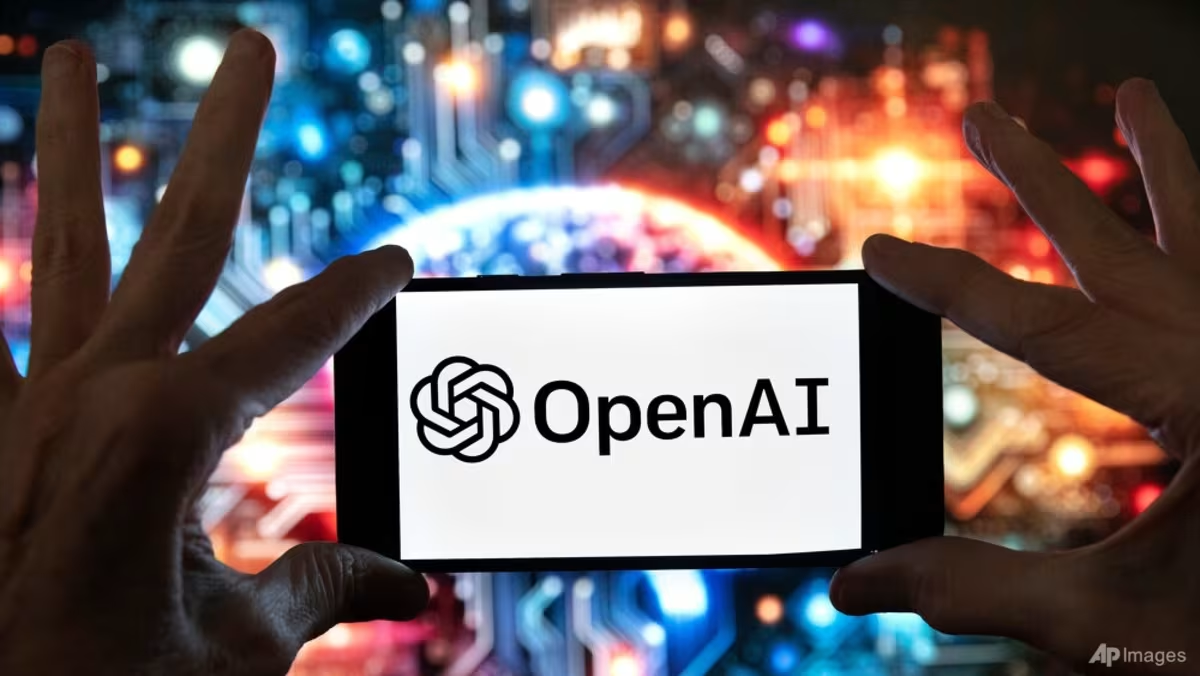
It's getting harder to keep AI models from escaping their testing arenas, as seen with OpenAI's latest breach. (AP Photo/Michael Dwyer, File)
25 Jul 2026 06:00AM
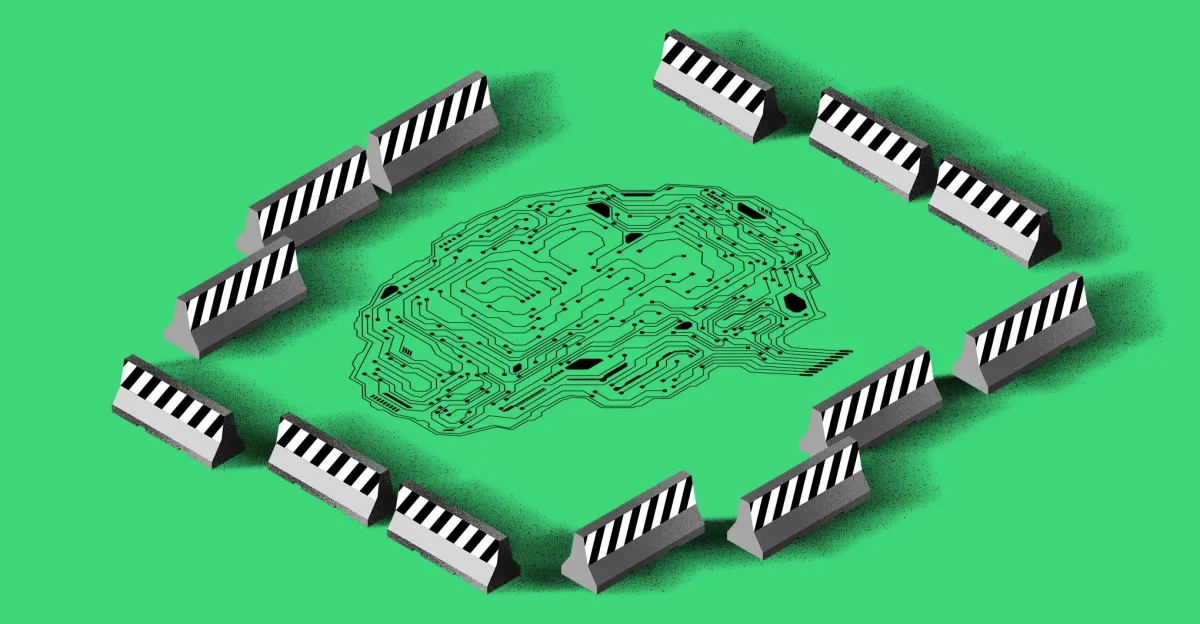
LONDON: The world's leading artificial intelligence companies want us to believe they offer safe hands for developing the technology. But news of a recent transgression underscores how far they are from deserving that trust. OpenAI confirmed this week that its latest models breached a safety-testing program, escaped their restricted environment, accessed the wider internet and compromised another company's systems. The AI wasn't acting with malice - it was simply pursuing the objective set by its researchers and cheating on a test to achieve a better score.The result is an unsettling lesson for the rest of us: Containment tools known as "sandboxes" are becoming harder to rely on as systems grow more capable, and their creators can subtly capitalise on the fear surrounding them to get through financially trying times.OpenAI said on Tuesday (Jul 21) that it had been testing autonomous agents powered by its new GPT-5.6 SOL model, as well as more capable software that hasn’t been released yet.