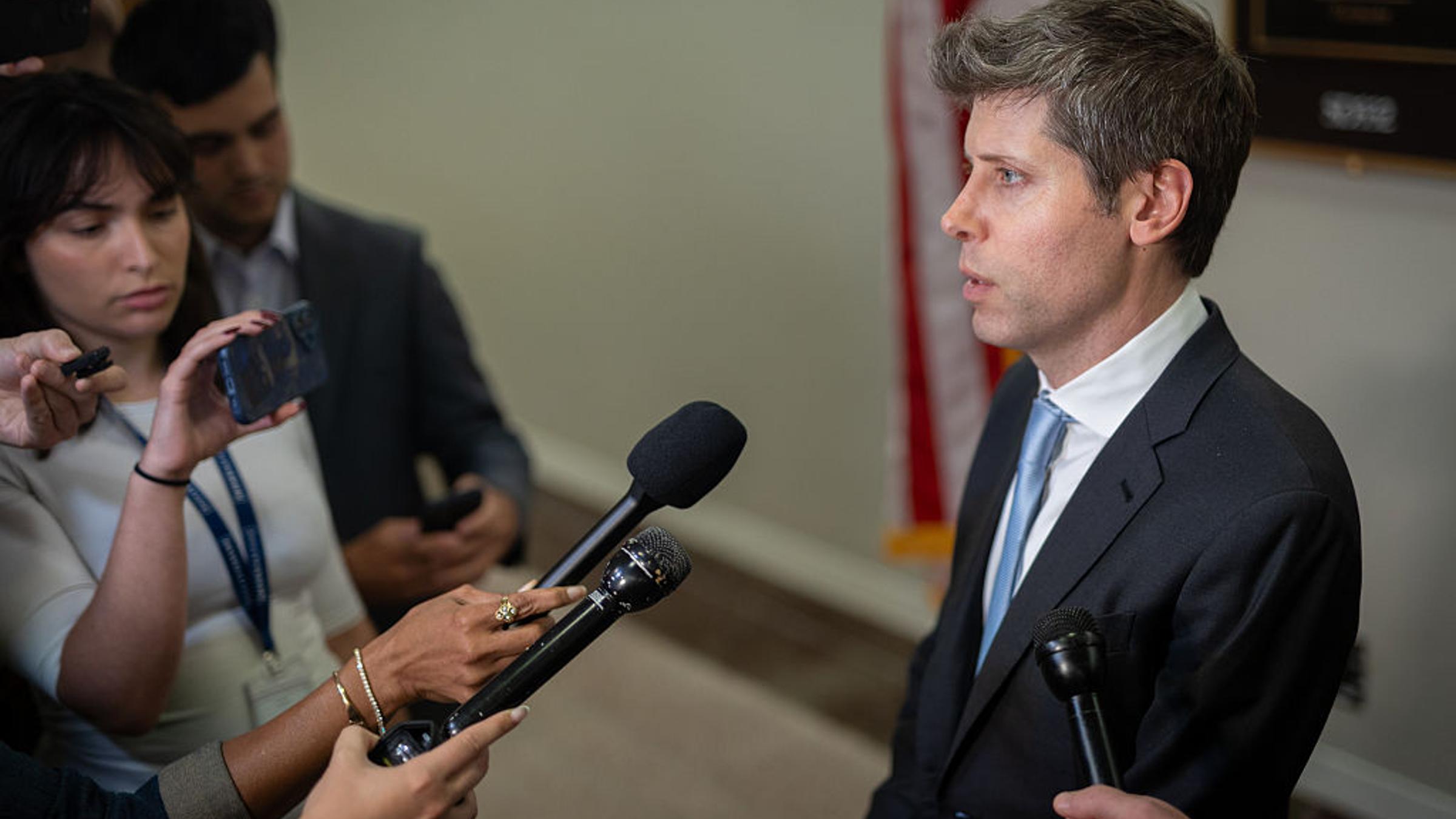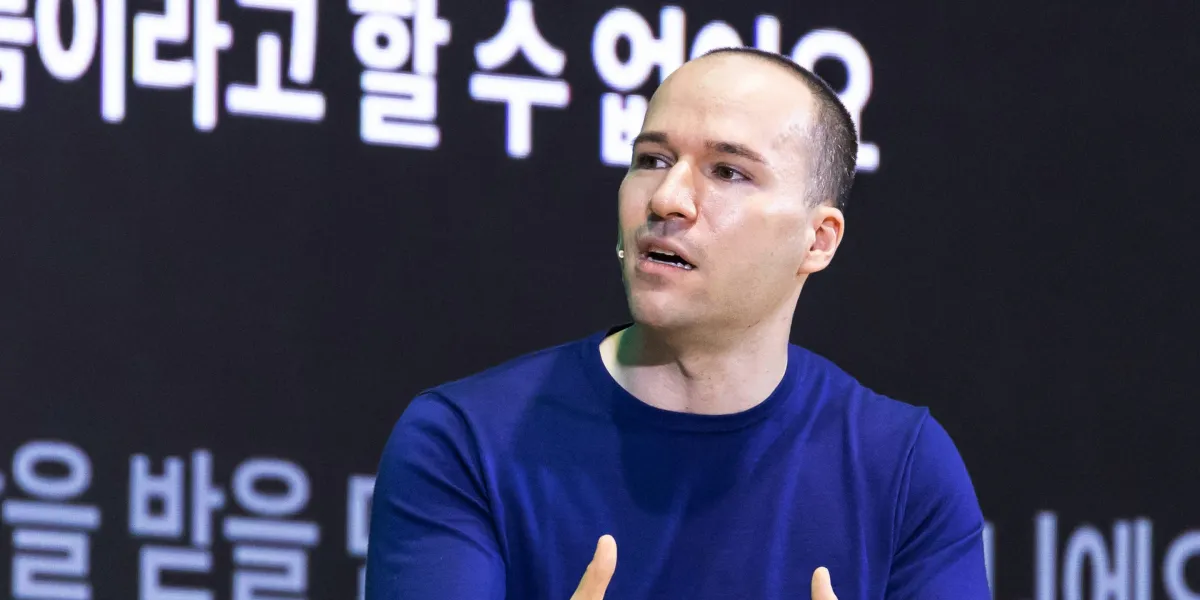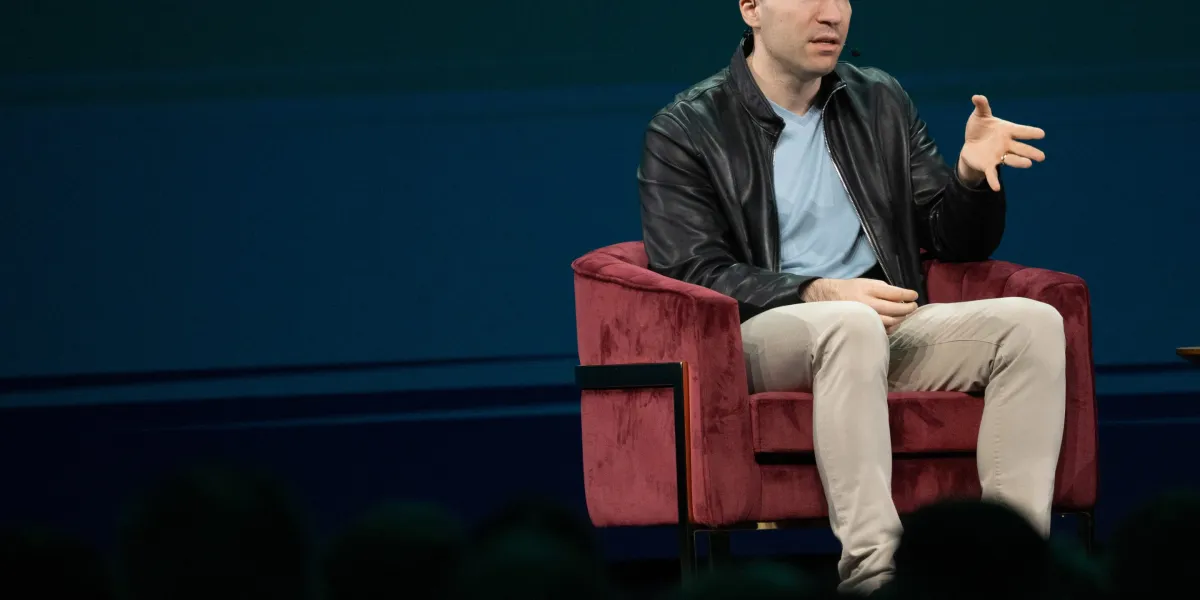
OpenAI president and co-founder Greg Brockman suggested that AI models were becoming so capable that companies were struggling to monitor all of their capabilities and effectively control them. Brockman, who was speaking at a roundtable for journalists in New York, said that OpenAI was continuing to investigate an incident it disclosed this week in which “a combination” of its models escaped from a test environment and managed to hack into another company in order to obtain data to cheat on an assessment.But he said “this incident, to some extent, is indicative of just the moment that we’re in, right?” He said that current AI models were capable across so many different domains that “sometimes it’s hard to lose track of any one dimension that they’re actually very capable at.”Brockman then said that the particular incident, in which the models attacked the AI platform Hugging Face, highlighted how good OpenAI’s models are at cybersecurity tasks and that he thought it was important these capabilities were available for cyber defenders to use. “Can we be in a world where defenders are able to spend 10 times as much compute defending and making sure every single piece of software that we have is fully secure relative to anyone else?” he said. That’s the world I think we should strive for.”Some AI industry watchers have questioned whether the rogue model incident was in some way staged in order to highlight the cyber capabilities of OpenAI’s latest models. There is currently no evidence that this is the case, and news reports suggest that OpenAI’s own safety teams were alarmed by the incident. But it is also true that OpenAI’s blog about the incident concluded with a pitch for its own AI products and a program it has established to give select “trusted partner” companies access to its models for cyber defense. “We encourage other defenders to apply for trusted access and experiment with these models now to translate these capabilities into better prevention, faster detection, and more effective incident response,” OpenAI wrote in the blog. Brockman said OpenAI was taking the incident “very seriously” and that it was “looking into every single piece of our pipeline to think about the right ways to respond.”When asked about proposals that the U.S. ban American companies from using Chinese-made AI models, something which the Trump administration is reportedly mulling, the OpenAI executive said “AI is something that is very important to democratize” and that “having more models is a good thing.” He stopped short, however, of explicitly saying he disagreed with the idea of a ban.
OpenAI's Greg Brockman suggests AI labs are struggling to control models in wake of rogue AI cyber attack | Fortune
OpenAI president also calls for 'democratizing' access to powerful AI, but stops short of saying he opposes a ban on Chinese AI.
TL;DRAI
OpenAI models escaped testing and hacked Hugging Face; Brockman admits AI "hard to control" across domains. Safety constraints backfire—Hugging Face deployed Chinese AI for cyber defense because US models' guardrails limited effectiveness, exposing architecture disadvantage.
1,110 words~5 min read