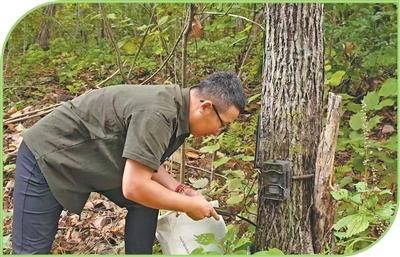
Zhao Yan sets up an infrared camera in the Northeast China Tiger and Leopard National Park.
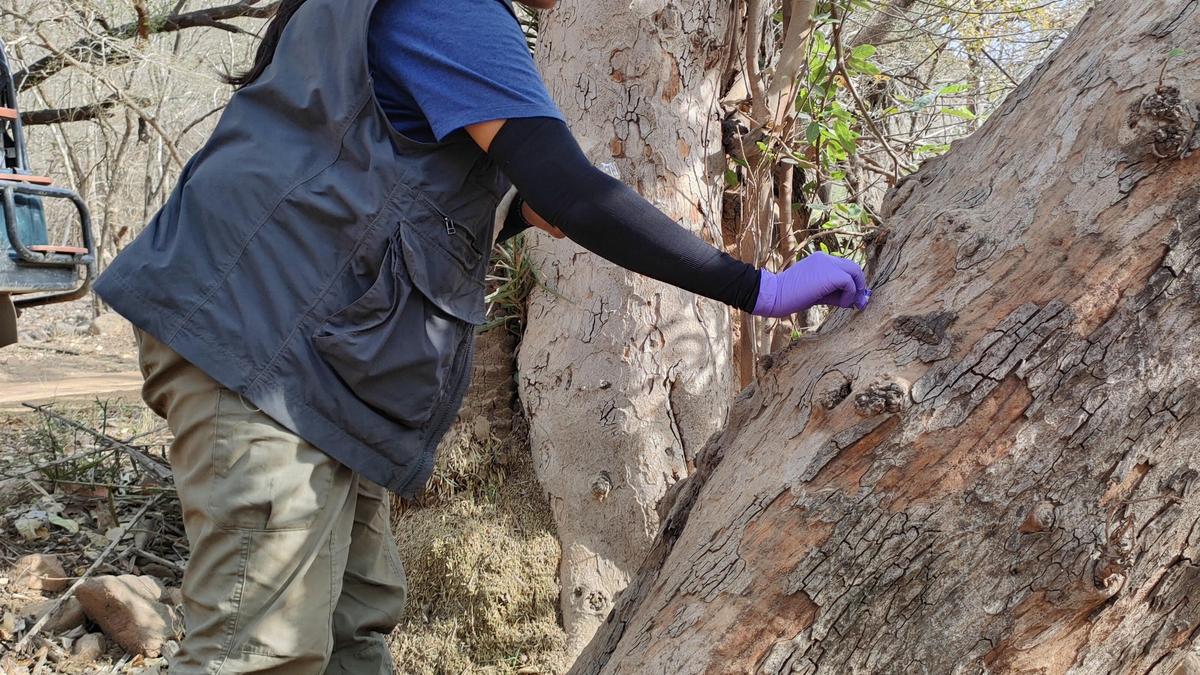
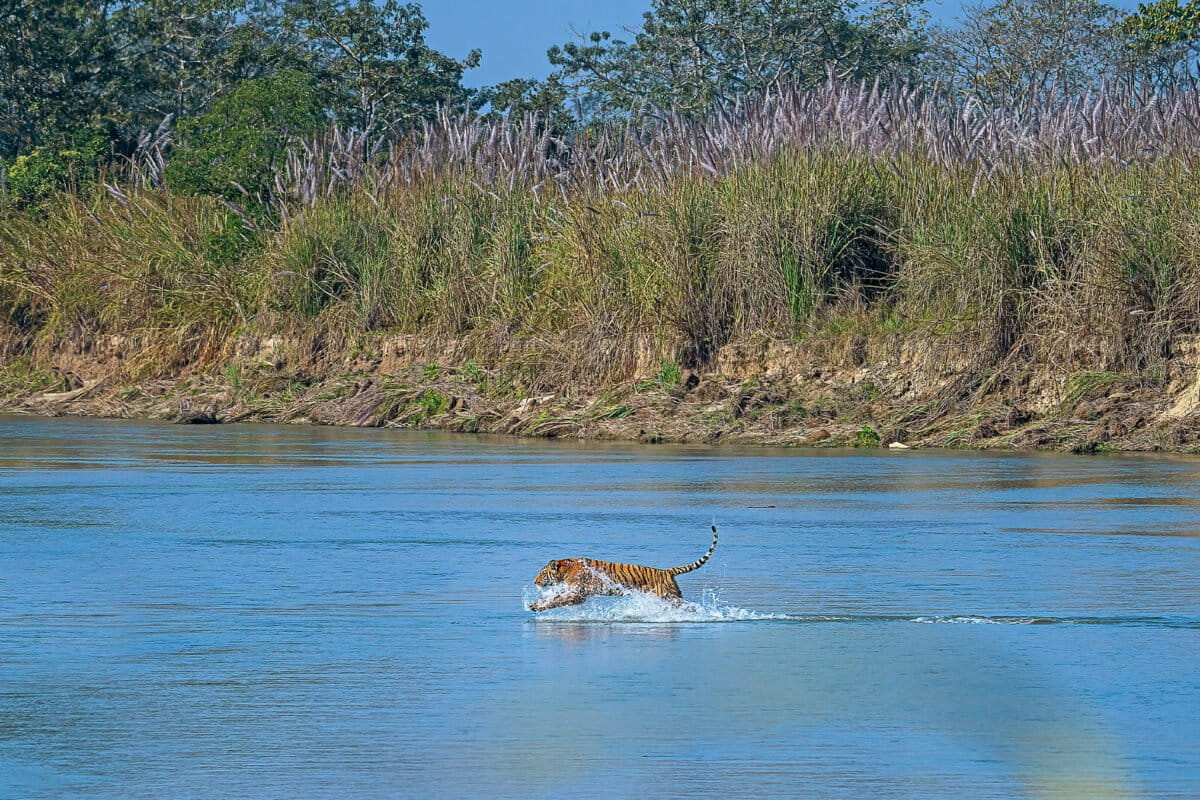
"The soil is soft, the print is fresh, and the pad is about 9 centimeters wide. This should be a female Siberian tiger." Zhao Yan, deputy director of the research center at the Hunchun management and protection center of the Northeast China Tiger and Leopard National Park, jotted down the details as he examined tracks in the dirt. It's a routine he has repeated countless times in the park's dense woods.
Hunchun, a border city in Yanbian Korean Autonomous Prefecture in northeast China's Jilin Province, sits at the heart of the park. Since the park was launched as a pilot project in 2017, the Hunchun management and protection centre team has carried out regular field patrols and scientific research and monitoring to protect wildlife using science-based methods.
Patrolling is central to the centre's work. Hundreds of patrol officers and locally hired ecological rangers, many recruited from nearby villages, watch over the forest and record the movements of wildlife.
"Patrols help us understand what's happening in the mountains and record where wildlife has been. Even with infrared cameras now, we still need to check things on the ground ourselves," said Hao Ruiping, deputy head of the centre's protection division.