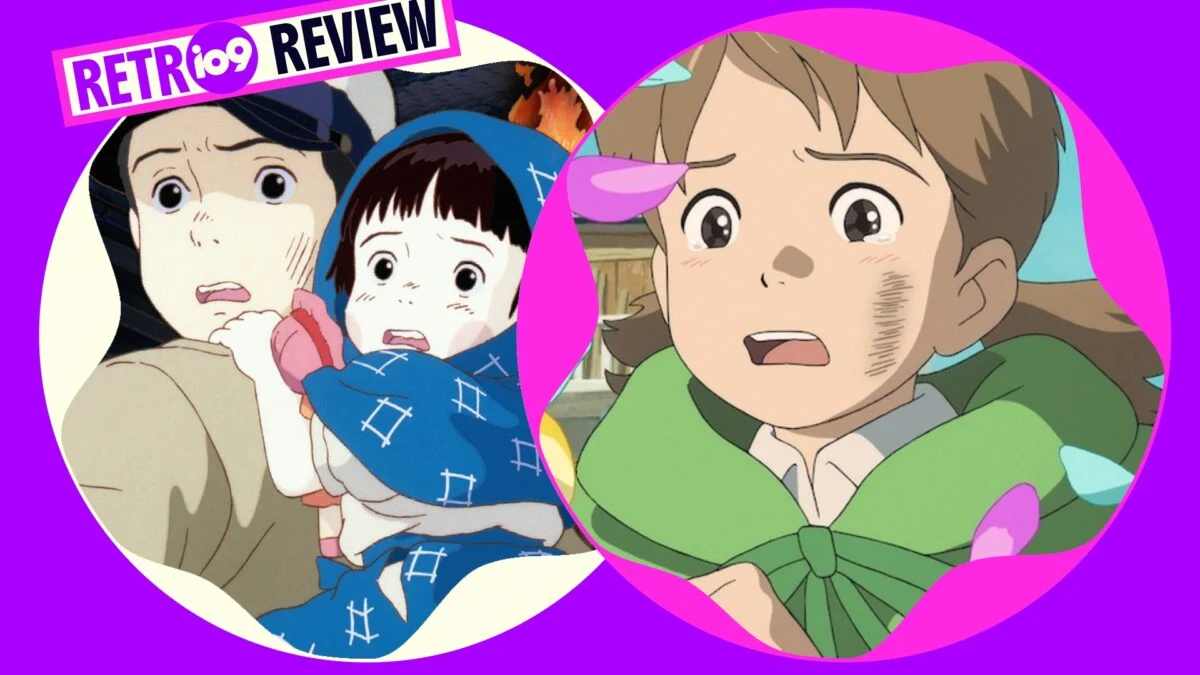
I have the uncanny ability to match-make the most devastating film double features. I’ve watched Celine Song’s Past Lives and Park Chan-wook’s Decision to Leave on a long flight from Chicago to Los Angeles and barely survived the double dose of emotional despair, and I’ve watched Takashi Miike’s gnarly Ichi the Killer and Audition in one sitting before wisely deciding to save Kim Jee-woon’s I Saw the Devil for another day. What can I say, I’m a sicko who loves watching films back-to-back that complement each other.
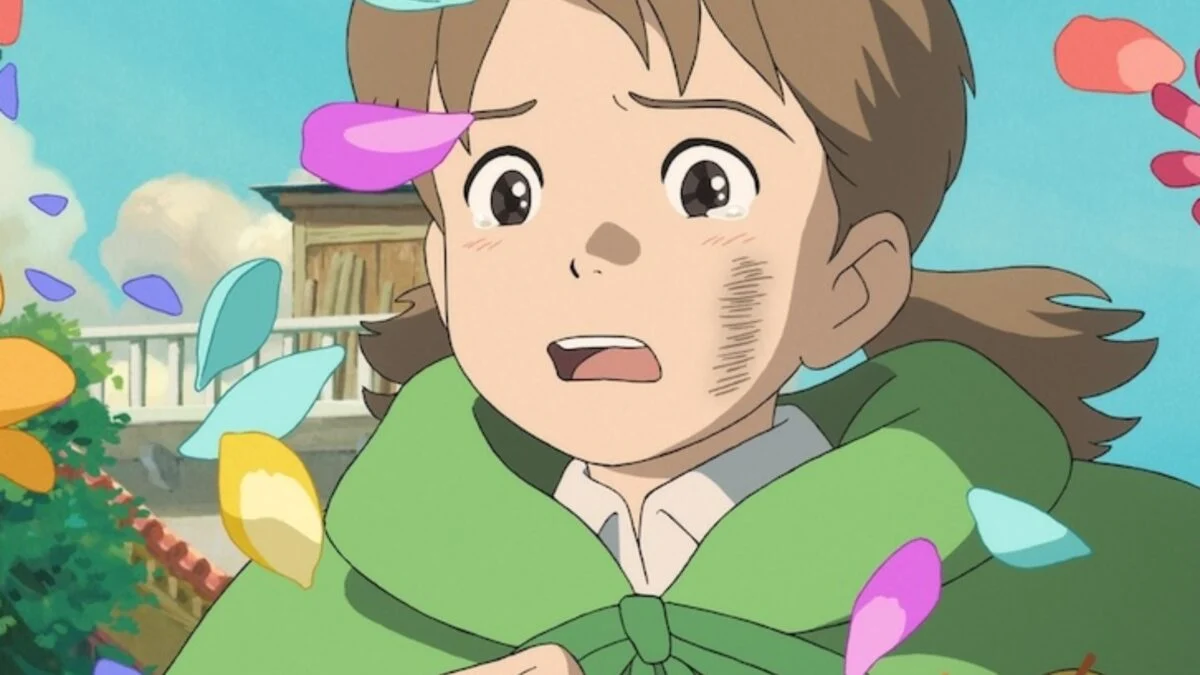
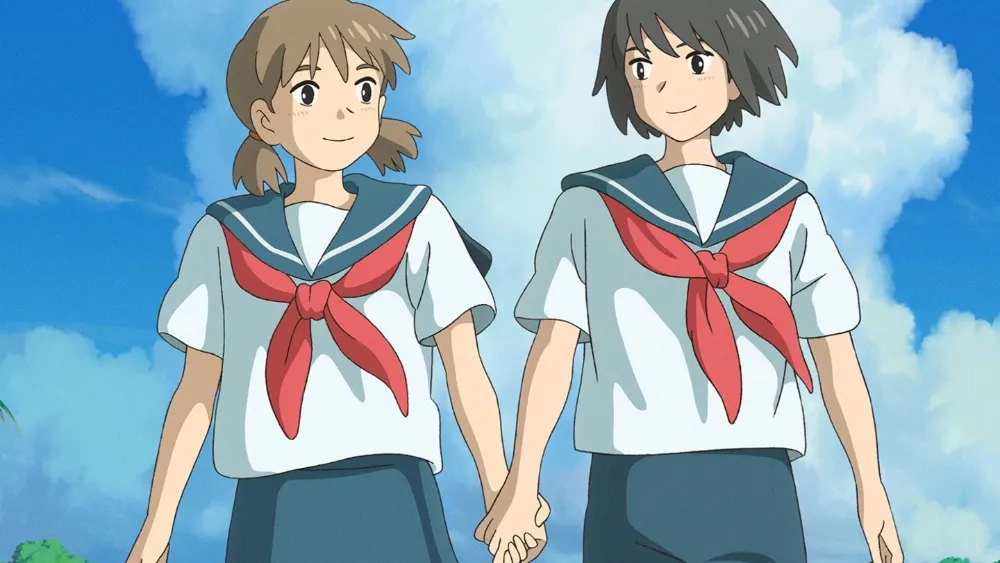
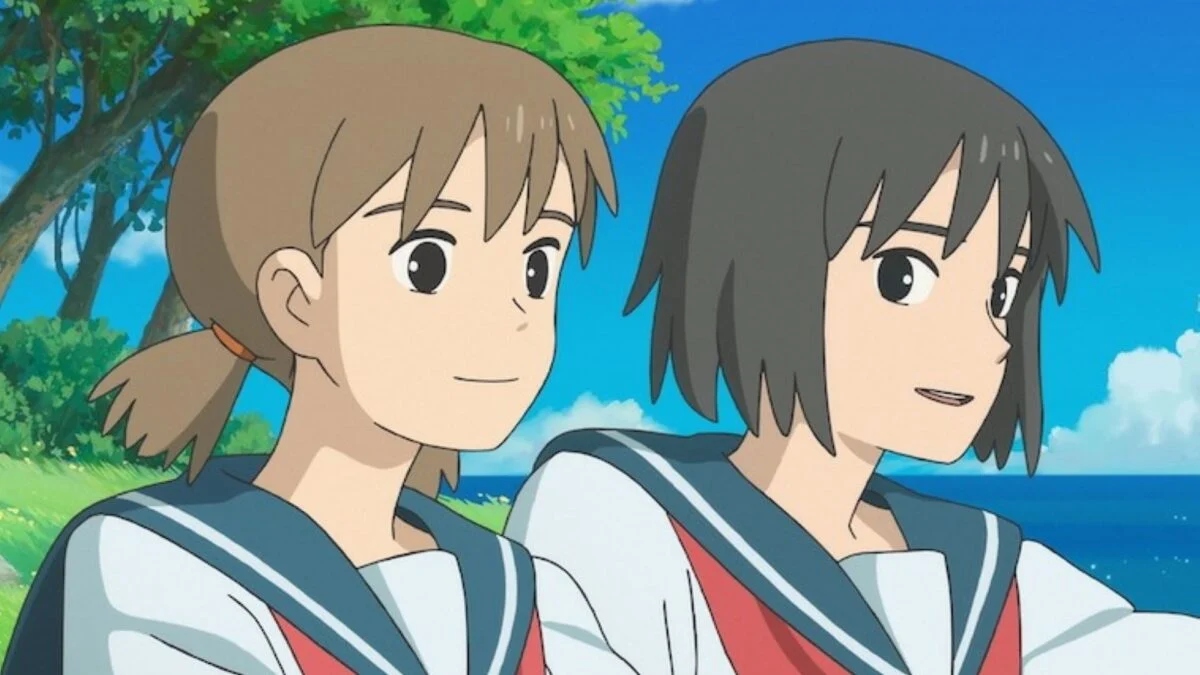
So when I saw that GKIDS announce it was bringing Studio Ghibli alums Sasayuri’s anime adaptation of mangaka Machiko Kyo’s wartime manga, Cocoon—One Summer of Girlhood—a manga that wrecked me—to the U.S., that same compulsion led me to pregame the anime by finally watching my steelbook of Ghibli’s 1988 World War II film Grave of the Fireflies, which I’ve been saving for a rainy day when I had the emotional fortitude to weather the storm of its reputation as a remarkably tragic movie. PSA: Don’t repeat my actions unless you’re prepared to ugly cry. Directed by Isao Takahata, Grave of the Fireflies is nothing short of a hand-drawn masterpiece, offering an unflinching snapshot of the gruesome effects of World War II on Japanese civilians trying their damnedest to reclaim an iota of normalcy amid its dense fog of war. To set the scene, the film introduces two siblings: an older brother named Seita (JP: Tsutomu Tatsumi, EN: J. Robert Spencer) and his little sister Setsuko (JP: Ayano Shiraishi, EN: Emily Neves). The film wastes no time establishing that the orphans’ gruesome fates are all but assured the moment they’re first introduced. But rather than fixating on the tragedy of their end, Takahata and fellow writer Akiyuki Nosaka draw out Ghibli’s innate ability to depict tranquility in the eye of a storm through the siblings’ struggle to survive in a war-torn Japan, at a time when self-preservation far exceeds empathy. Grave of the Fireflies is as disarmingly melancholic as anime circles’ word of mouth says it is. Whether it is the film’s sound design, which captures the distinctive terror of an airplane engine’s low roar overhead as a precursor to the volley of bombs guaranteed to destroy anything in its wake; the crude surgeries in makeshift hospitals on patients delaying the inevitable; or the silent killer of malnutrition degrading the bodies of survivors forced to walk past their embalmed neighbors, Grave of the Fireflies is a cinematic Murphy’s Law of everything that could go wrong, unfolding over its tight 90-minute runtime. It never comes off as torturously grim and indulgent in its portrayal of the real-life atrocities of World War II. It’s honest. Amid the havoc as Seita shields his sister from the horrors encircling them, they find an alcove, albeit fraught, sequestered in the Japanese countryside. There, the siblings do their best to make sense of an insane world. © Studio Ghibli/ GKIDS © Studio Ghibli/ GKIDS © Studio Ghibli/ GKIDS © Studio Ghibli/ GKIDS Despite their dire circumstances as homeless orphans fighting off starvation and disease, the ever-present danger of an air raid, and the apathy of adults dried up on kindness, Seita and Setsuko find a comforting glow in each other’s company, and that of the swarm of fireflies dancing around their makeshift home inside an abandoned bomb shelter. Struggle meals comprised of rinsing out candy tins and drinking from the remnants of their sweet residue, selling clothes for grains of rice, and making supply runs during bombings are hardships made all the more worth it. But in the lag time, the hope the two foster together in their day-to-day and the moments of levity they find in each other’s company goofing off and prolonging the inevitable are what make the bleak Ghibli film so powerful.