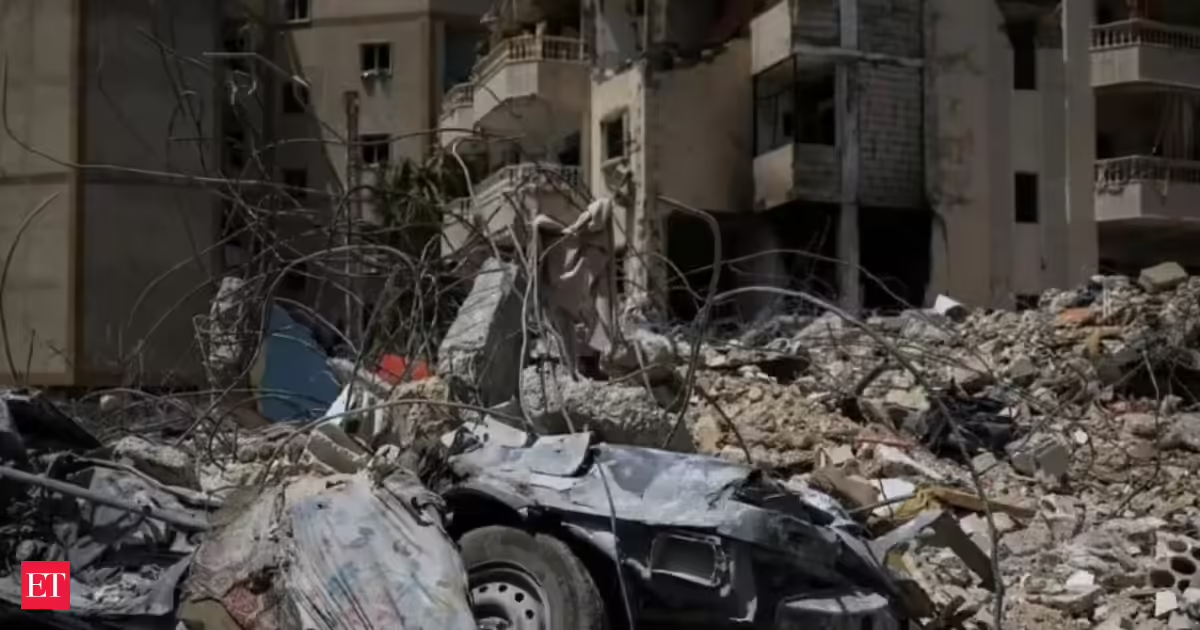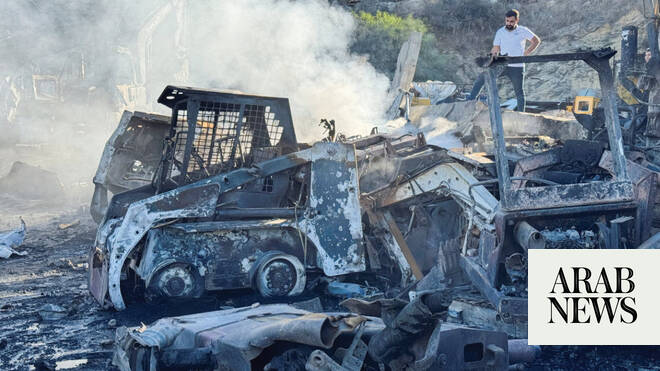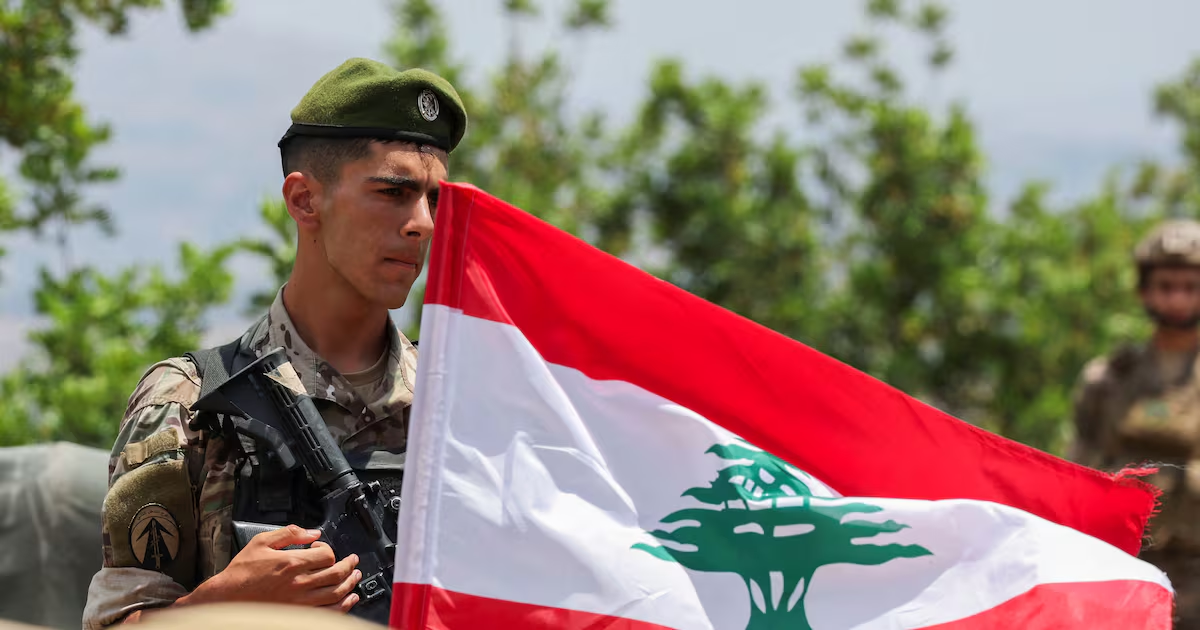
Optimism and foreign policy should not go hand in hand. This is certainly true in the Middle East, a part of the world where final peace agreements are often temporary and wars are always being waged. And it is perhaps more true in Lebanon than anywhere else.For more than half a century, Lebanon has been controlled by terrorist groups and hostile foreign powers. From its creation a mere eight decades ago, the tiny Levantine country has been riven with internal divisions.But hope springs eternal.
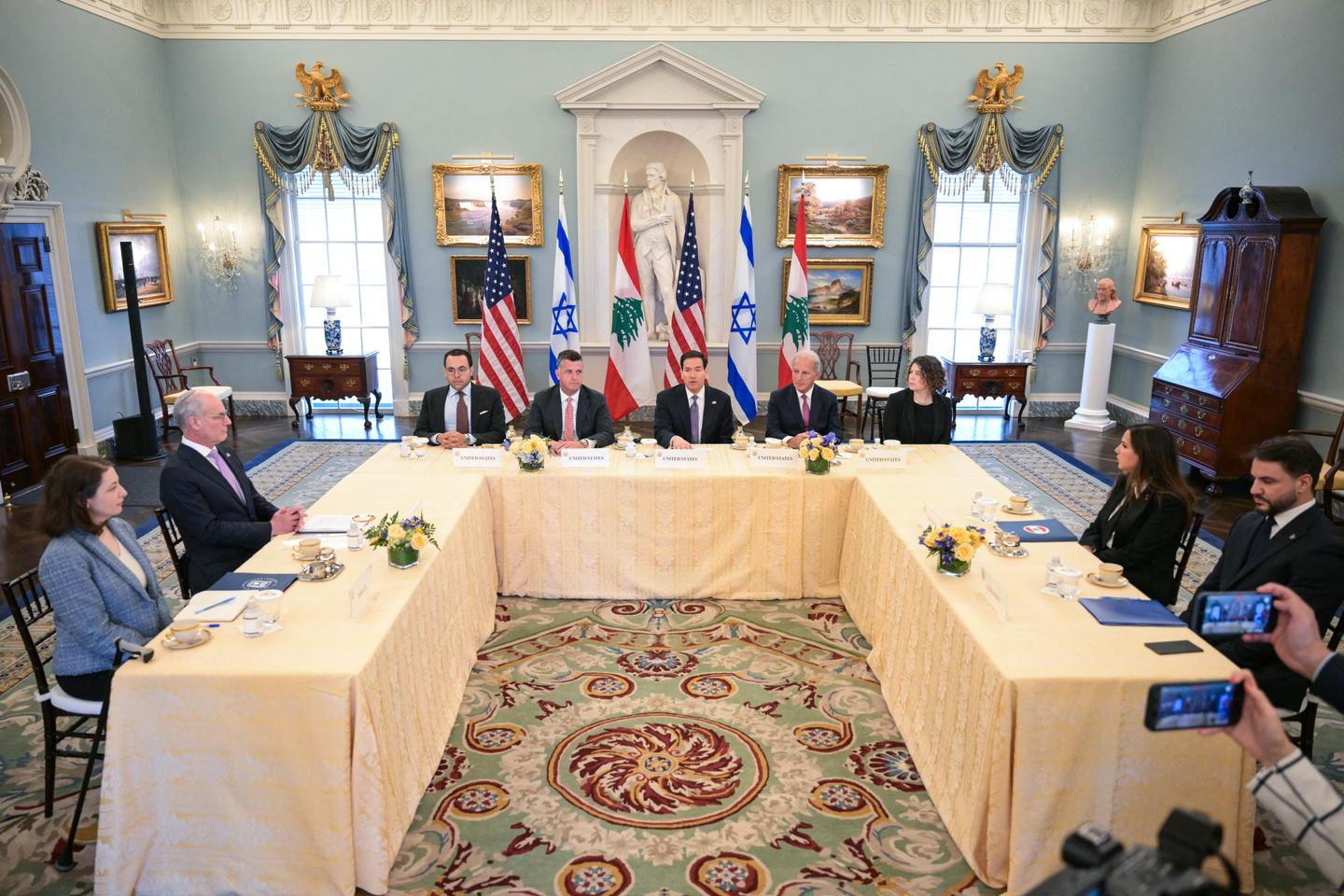
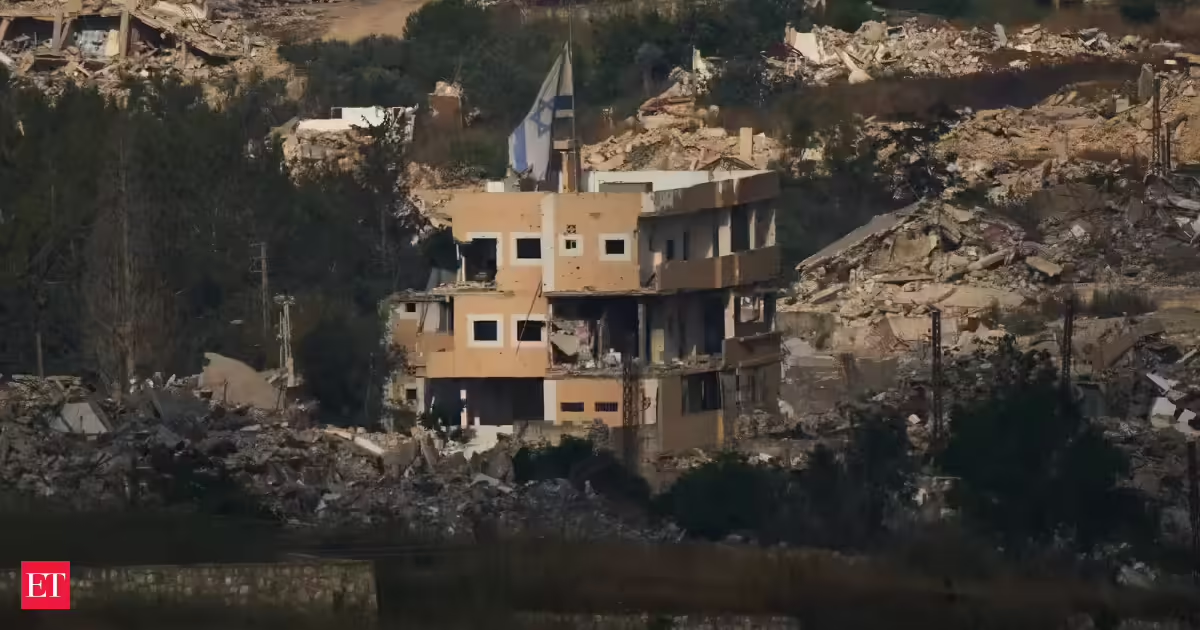
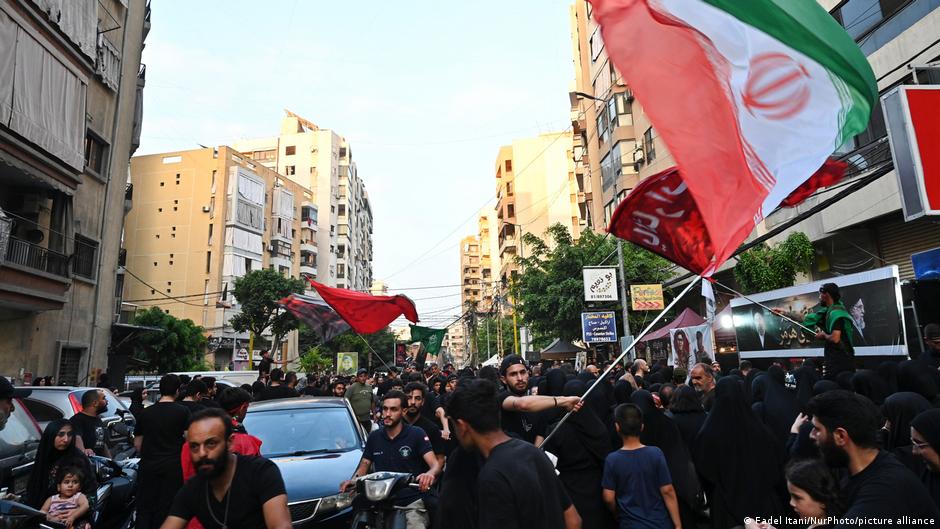
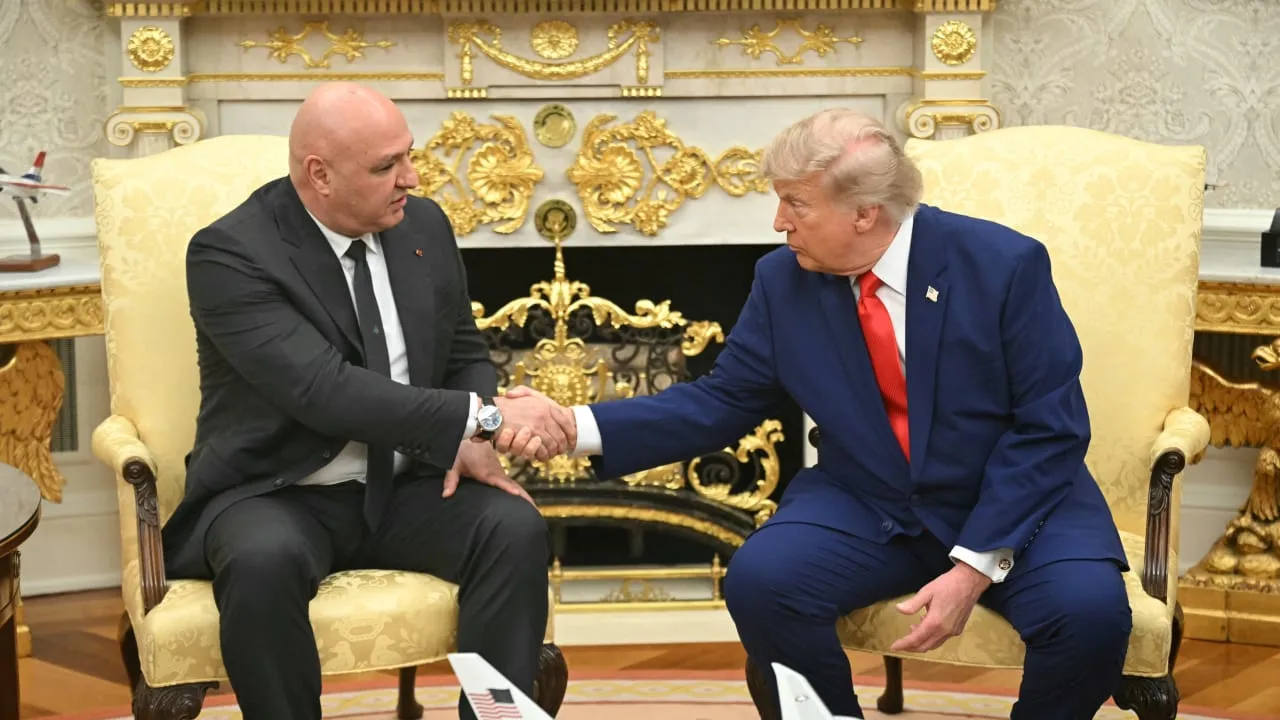
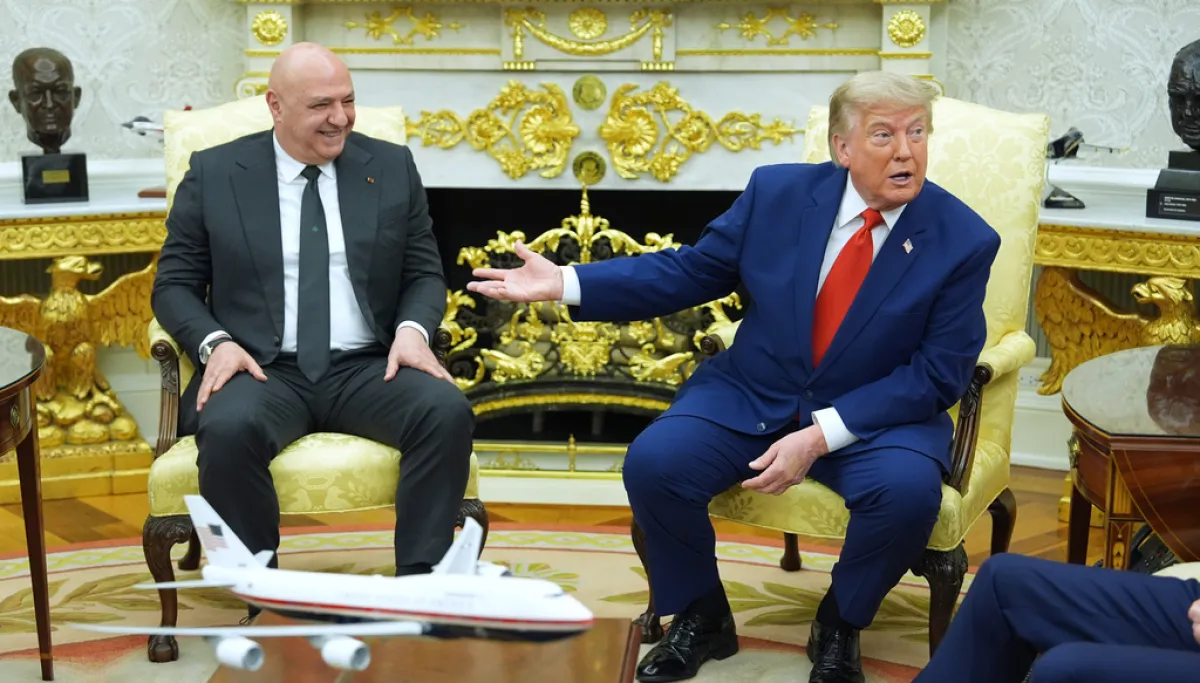
On Tuesday, President Donald Trump met with Lebanon’s president, Joseph Aoun, at the White House. The last time an American president hosted a Lebanese president was 2009, and Trump seemed keen to make Aoun’s visit historic, even unexpectedly inviting the press for what was originally a closed-door bilateral meeting.Lebanon, Trump said, has been a “very mistreated country for a very long time.” Lebanon has a lot of problems, he noted. But “we’re going to solve them.”Trump told reporters that Israel had begun withdrawing forces from southern Lebanon. He touted the recently signed Trilateral Framework Agreement between Israel, Lebanon, and the U.S. that prompted the move. Full Israeli withdrawal from the area is contingent on the Lebanese Armed Forces removing Hezbollah, the Iranian-backed terrorist organization that is the de facto ruler of the country.As part of the bid to achieve peace, Trump said that a ban on U.S. flights to the country would be lifted “immediately.”The goal? To end hostilities between Lebanon and Israel. This, of course, is a laudable objective. But it’s unlikely to be fulfilled, and for a very simple reason.The Lebanon that you often hear and read about doesn’t exist. At best, it is a figment of someone’s imagination. At worst, it’s part of a cynical sales pitch to get Western aid.Lebanon is not a sovereign state in any real sense of the term.Once just a small portion of the Ottoman Empire, Lebanon has always loomed large in the Western imagination. The area was a focal point for Arab nationalism, which itself grew out of a desire by Arab Christians and other minorities to avoid persecution from the Muslim majority. When the empire collapsed after World War I, new countries were formed from its ashes. Originally ruled as a mandate by the French, Lebanon achieved independence in 1946. The government that was set up was confessional, with power tenuously divided between the country’s Christians, Sunni Muslims, and Shia Muslims.The country was combustible from its inception.Lebanon had hosted and funded efforts to destroy the fledgling state of Israel since the 1947 conference in Aley, where forces, the Muslim Brotherhood among them, marshaled to plot the Jewish state’s annihilation. In 1958, President Dwight D. Eisenhower deployed U.S. troops to prevent its inherently fragile political and religious makeup from boiling over. In 1969, Egyptian dictator Gamal Abdel Nasser brokered a deal that allowed the Palestine Liberation Organization autonomy to use southern Lebanon as a base for terrorist operations against Israel. Just as they had in neighboring Jordan, the PLO became a “state within a state.” Their presence helped light the fuse for both a bloody 15-year civil war and two major Israeli military incursions into the country to root out and remove the terrorists. During these wars, the PLO threatened and bribed journalists, outright lied about civilian deaths, and hid their munitions, fighters, and command centers among the local population. Israel did eventually manage to oust the PLO, but a new monster sprang up in its place. And its successor would replicate their tactics.Hezbollah was wholly created by the Islamic Republic of Iran, whose own vanguard had been trained by Force 17, the elite bodyguard unit that protected PLO chieftain Yasser Arafat, in the 1970s in Lebanon’s own Bekka Valley.Like the PLO, Hezbollah slowly built a “state within a state” in Lebanon. Iran’s Islamic Revolutionary Guard Corps would continue to use the Bekka Valley to train terrorists, including Islamic Jihad, Hamas, al Qaeda, and others.Hezbollah, meanwhile, consolidated its hold on power. As with the PLO, various domestic factions within the state made themselves amenable, and in some cases indispensable, to the terrorist group’s rise.In theory, Lebanon has its own sovereign military: the Lebanese Armed Forces. Among other things, the LAF is tasked with enforcing United Nations Security Council Resolutions 1559 and 1701, both of which call for Hezbollah to be disarmed.As David Daoud and Tyler Stapleton of the Foundation for Defense of Democracies noted in the Washington Examiner, the U.S. has provided the LAF with more than $3 billion over the years “without producing meaningful progress toward Hezbollah’s disarmament.” The U.S. has given money to the LAF for years, but without result. Indeed, copious amounts of evidence, compiled by veteran analysts such as Daoud, Lee Smith, and Tony Badran, among others, have shown that the LAF has even actively collaborated with the terrorist group.Unfortunately, this hasn’t stopped Washington from giving aid, as it’s doing once more. And it hasn’t stopped Lebanon’s various leaders from asking for money. Joseph Aoun’s predecessor in office, Michael Aoun, once declared that Hezbollah’s growing arsenal is “not in contradiction with the state.” Perhaps this Joseph Aoun is different, but some skepticism seems warranted.Unsurprisingly, Hezbollah amassed more than 150,000 precision-guided missiles in the years prior to the current war. It did so right under the noses of the LAF. The reason is simple and was most succinctly described by Badran years ago: “Hezbollah, in fact, is Lebanon.”TRUMP’S HISTORIC PEACE DEAL WITH LEBANONHezbollah controls Lebanon’s various ports and has a documented presence at its airports, which it has also used to store munitions in contravention of international law. This latter fact, coupled with Hezbollah’s long history of taking Americans hostage, makes Trump’s statement about opening flights to the country problematic at best.In the Middle East, whoever holds the gun holds the power. History is clear: That power doesn’t reside with the LAF, which for decades has refused to tackle the terrorist groups that have obliterated what remained of the nation’s sovereignty.Peace in Lebanon is certainly possible. But it isn’t likely.