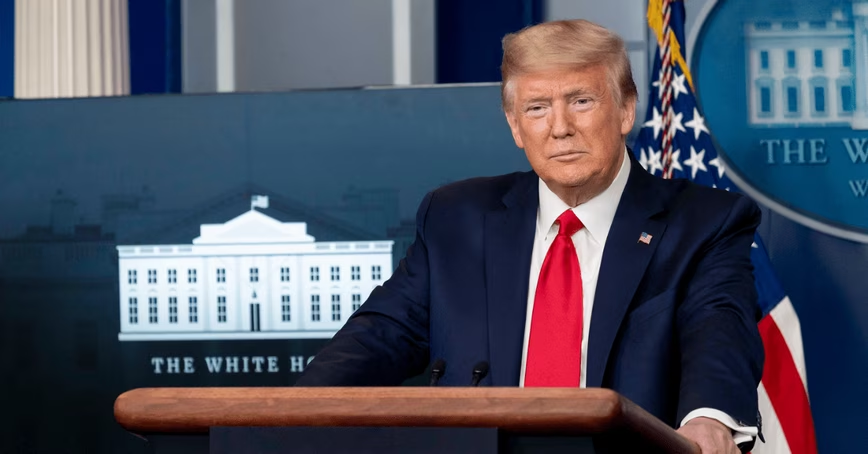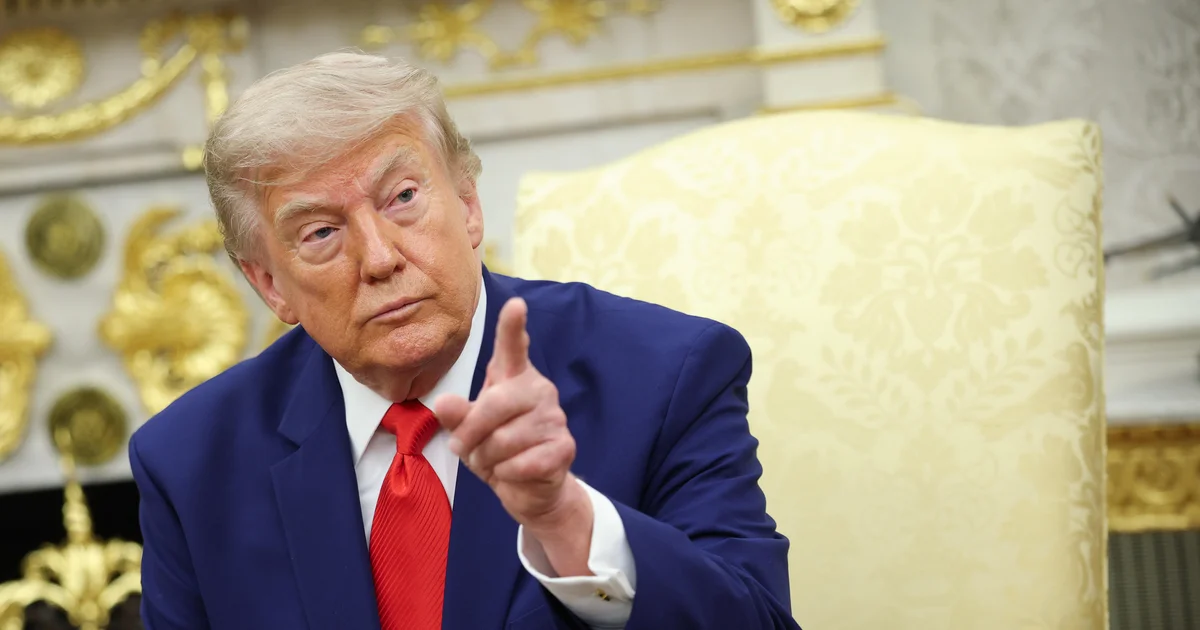
Twenty-five Republican lawmakers sent a formal letter to President Donald Trump on July 21, 2026, urging him to open a Section 301 investigation into two of the European Union’s most consequential digital regulations. The target: the Digital Markets Act and the Digital Services Act, a pair of sweeping EU laws that have cost American tech companies billions in fines and forced significant changes to how they operate in Europe.
The core argument from the lawmakers is straightforward. The EU’s regulatory framework, they contend, functions less like a neutral rulebook and more like a competitive weapon, one aimed squarely at American companies while leaving European and Chinese rivals relatively unscathed.
The fine print, and the fines
The numbers behind this dispute are not small. By April 2026, cumulative EU penalties against tech firms had crossed $7 billion. That figure includes a €500 million fine against Apple and a €200 million fine against Meta, both issued in April 2025. In July 2026, Google received an additional €890 million penalty under DMA enforcement.
Section 301 of the Trade Act of 1974 is the legal mechanism the lawmakers want deployed here. It gives the US Trade Representative the authority to investigate foreign trade practices deemed unfair or discriminatory, and to respond with tariffs or other restrictions.