AI is reshaping biotech from discovery to clinical success: 9 Insights from the cutting edge
AI is rapidly moving from the edges of biotech into its core, reshaping how companies discover, design and de-risk new medicines. After years of investment and impressive laboratory breakthroughs, the industry is now focused on what it takes to turn computational power into approved therapies — from raising the probability of clinical success to building the data infrastructure that can support the next generation of medicines.
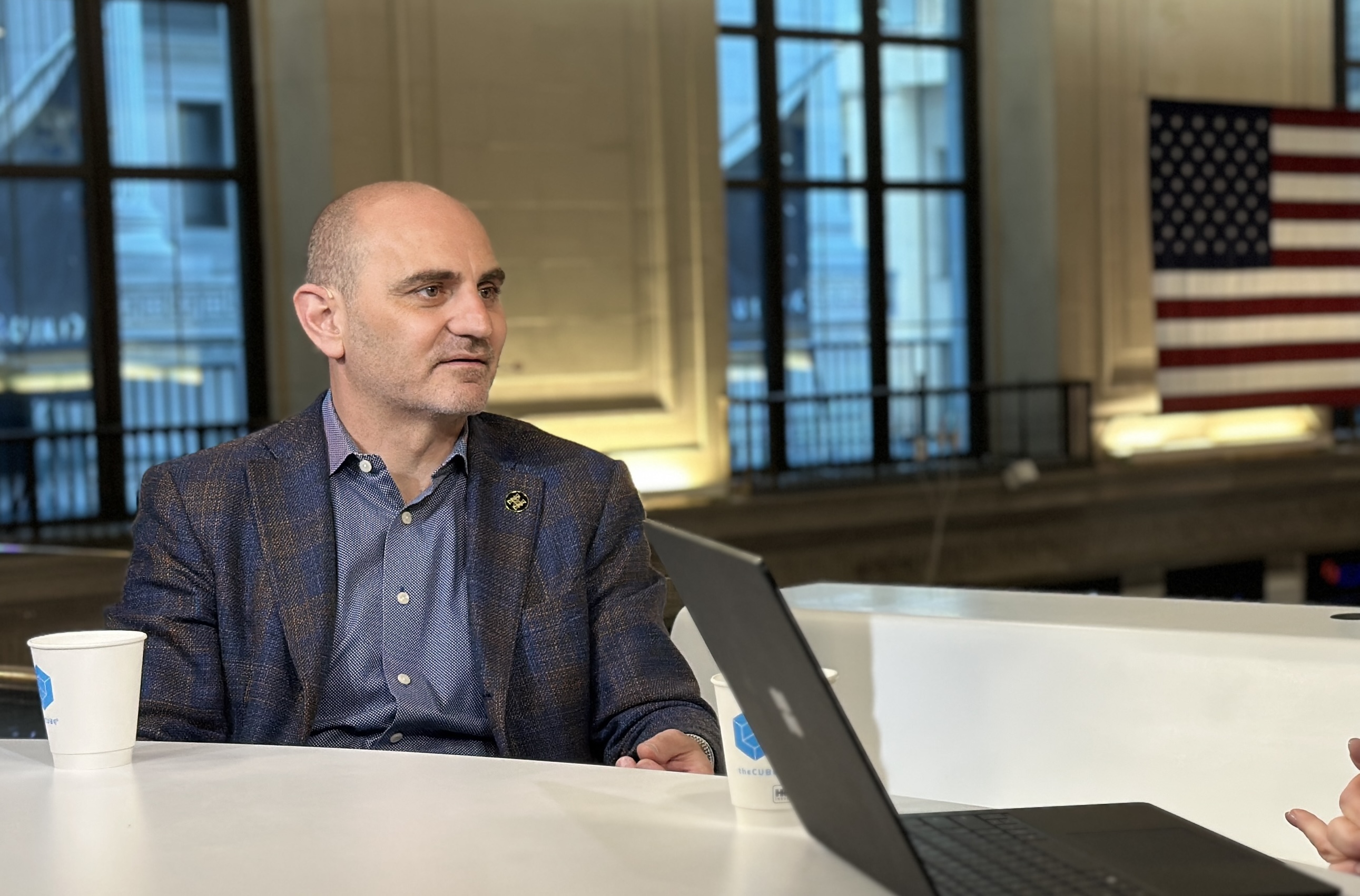
“Most drugs fail in the clinic because we don’t know which patients are most likely to benefit,” said Ron Alfa (pictured), co-founder and chief executive officer of Noetik Inc. “If we can train these models to understand patient biology and increase the probability of success, that’s really the real bottleneck in getting new drugs to patients.”
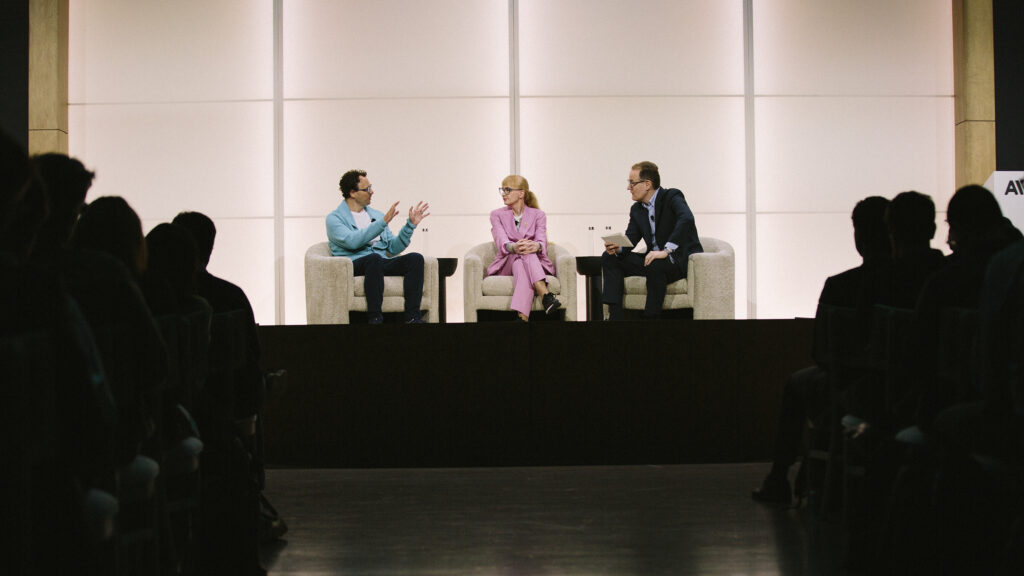
Alfa and other industry experts spoke to theCUBE’s Gemma Allen in a series of exclusive interviews at theCUBE + NYSE Wired: AI in Bio event. The conversations revealed a biotech industry that is becoming more precise, more data-driven and more collaborative than ever before. The new focus is on raising the probability of clinical success and building the infrastructure that can support the next generation of medicines.