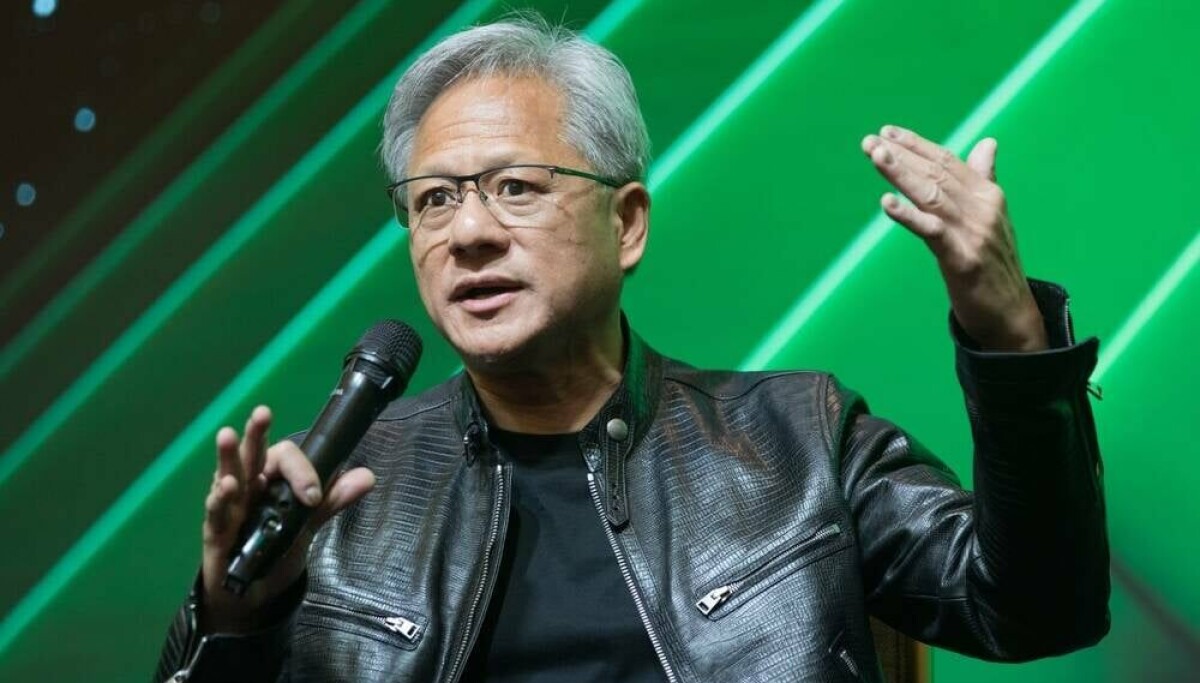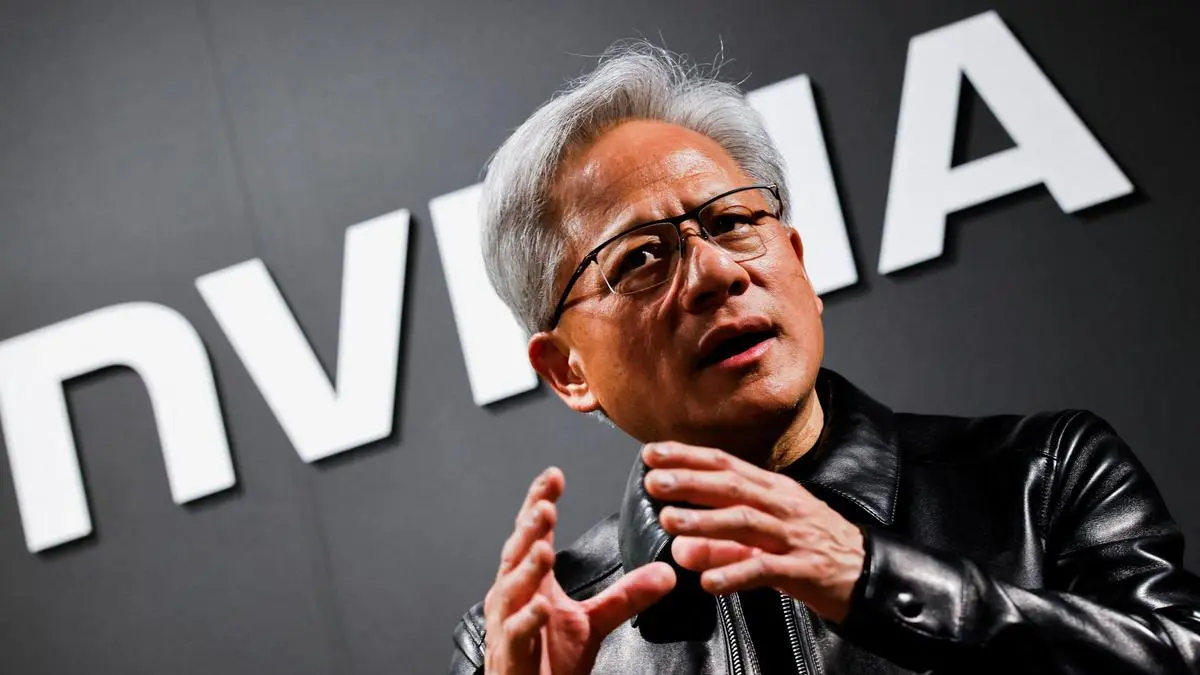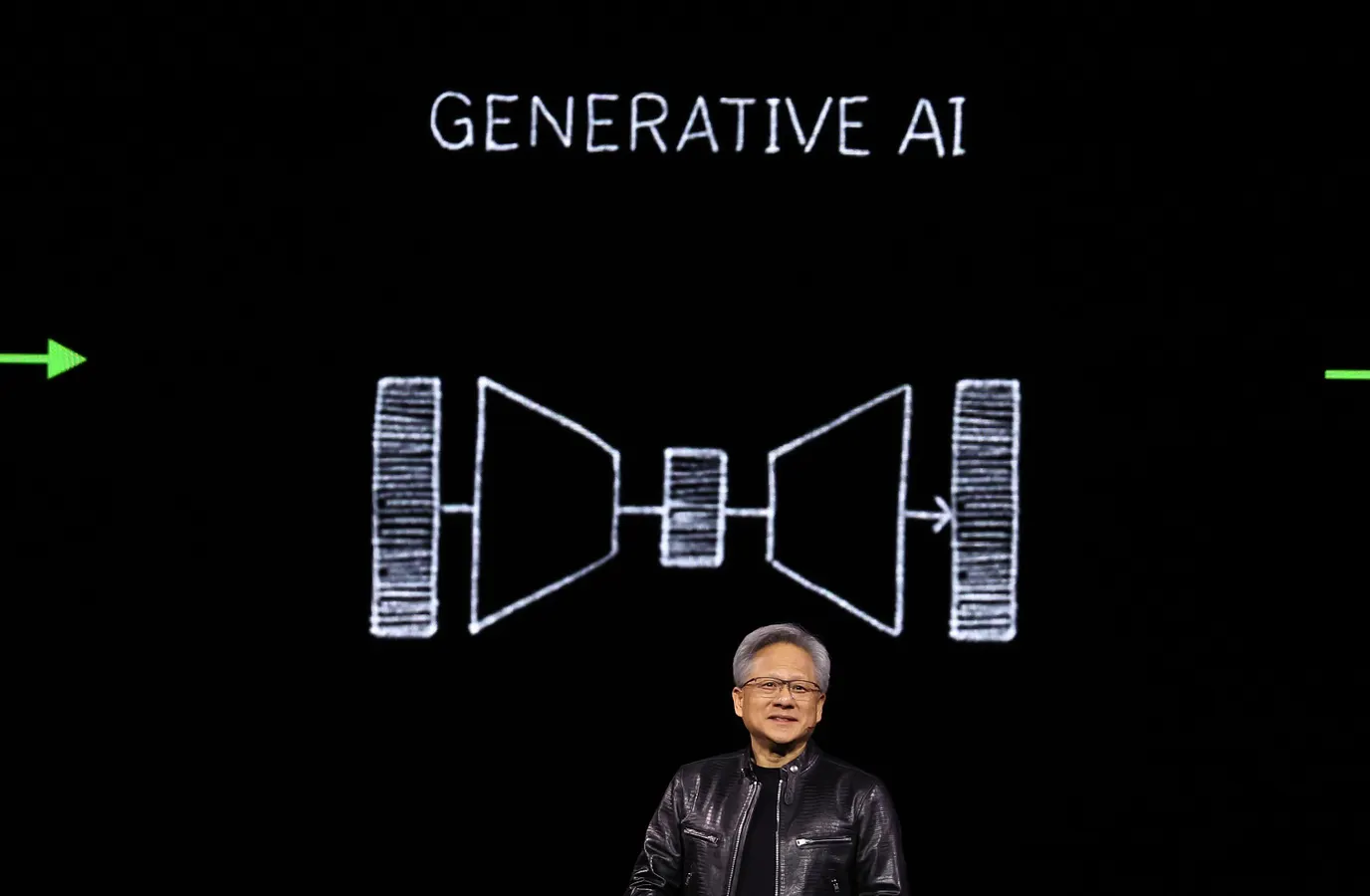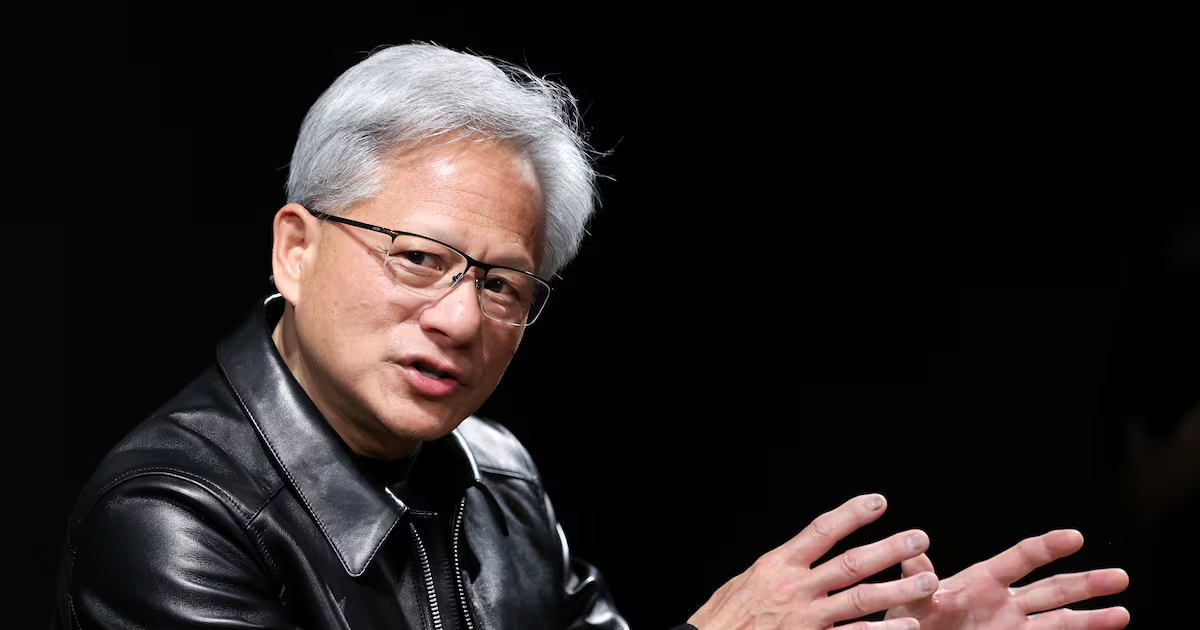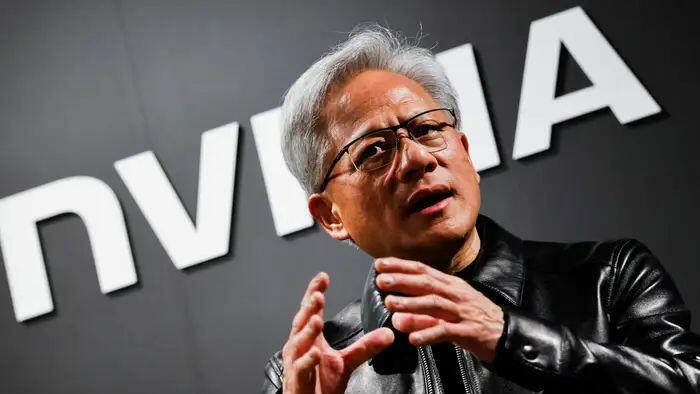
Nvidia CEO Jensen Huang just made his first post on social media - a letter signed by 25 companies and institutions (Open Weights and American AI Leadership) which argues that America's AI future depends on models anyone can download, inspect, modify, and run on their own hardware - aka 'open weights.' For my first post, I’m sharing a letter @NVIDIA signed on why open models matter.
AI will transform every industry, power every company, and be built by every country.
Open models strengthen safety and cybersecurity, accelerate innovation and diffusion, and enable sovereignty.… pic.twitter.com/t02bi51N4C
— Elon Musk (@elonmusk) July 24, 2026The obvious objection is that two of those abstainers publish open models themselves, which complicates any neat sorting. The answer is that releasing a small open model is a product decision, while signing this letter is a policy position - a request that Washington rule out restrictions on open releases in general. Gemma and gpt-oss are products. This is a lobbying position, and on that question the split is clean.Every company whose business depends on owning the best model declined to sign. Every company that profits when models become a commodity signed.The Real ContestAs we noted on Wednesday, tech strategist Julio Rivera says that the real contest is not which model is best but which model everyone builds on top of. Qwen has 180,000 derivative versions in 119 languages, pulling the world's developers into a Chinese ecosystem. American labs are optimizing for subscription revenue while China optimizes for becoming the default. The conclusion: America has to out-open China. Rivera wants American open models to beat Chinese ones. Huang, on the record with Axios, thinks openness is good no matter where it comes from, and that American companies should run Kimi if Kimi is the best tool. Those are not the same position - one is economic nationalism, the other is a hardware company that profits either way.A letter that named China would have had to pick one, and it would have lost signatures either way. Leaving China out is what allows both camps to sign the same page. Whether a nationalist op-ed and a corporate coalition letter landing a day apart is coincidence or coordination, readers can judge for themselves - though the Little Tech letters went out the same week from the same investors.The requests are specific: no executive order making companies liable for running Chinese models, no Commerce blacklist of Chinese labs, no enforcement doctrine treating distillation as theft, no mandatory federal review of open-weight releases, and a public recommitment to the AI Action Plan from a year ago.In exchange, the industry offers nothing. No promises to release models, no shared safety standards, no commitments of any kind. For investors, the timing is the tell. In the same week the market decided that free Chinese models might destroy the economics of AI computing, the companies that sell AI computing published their answer: free AI means more usage, which means more data centers, which means more demand for chips. That argument is aimed at shareholders as much as at Washington - because the competing view, which we have been documenting for months, is that AI usage has already stopped tracking anything useful, and that the premium on frontier models was the collateral holding up the entire spending boom.Things to watch. Bessent said enforcement could come within days or weeks; an Entity List designation would move markets. The proposed disclosure requirement for companies running Chinese models would be quieter but potentially bigger. Watch whether federal review of open releases stays voluntary. Watch how OpenAI and Anthropic explain the value of exclusive models to IPO investors while half the S&P's technology companies tell Congress that models should be free. And watch the standoff over Anthropic's restricted Mythos models, which Huang has already suggested should simply be sold as a service - every week the most capable AI sits behind a government dispute is another week the letter's argument about dangerous concentration makes itself.Both things can be true at once. The letter's arguments about competition, access and lock-in are real arguments, and every signature on it belongs to a company that profits if those arguments win. The letter is titled "Open Weights and American AI Leadership" - yet the models it is actually defending are Chinese.