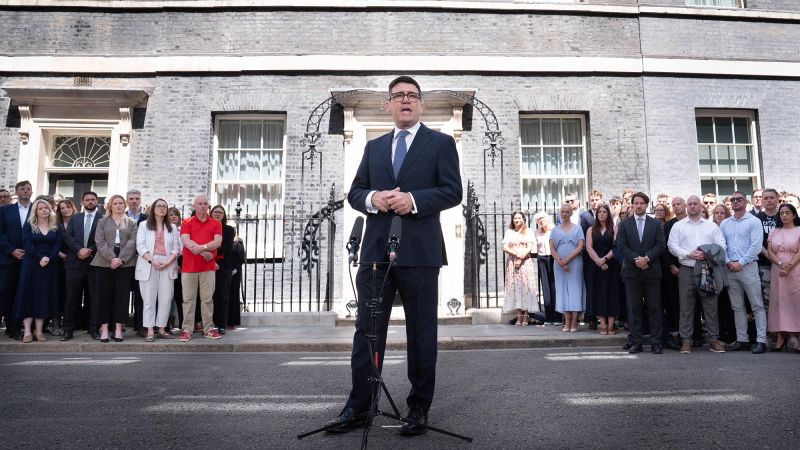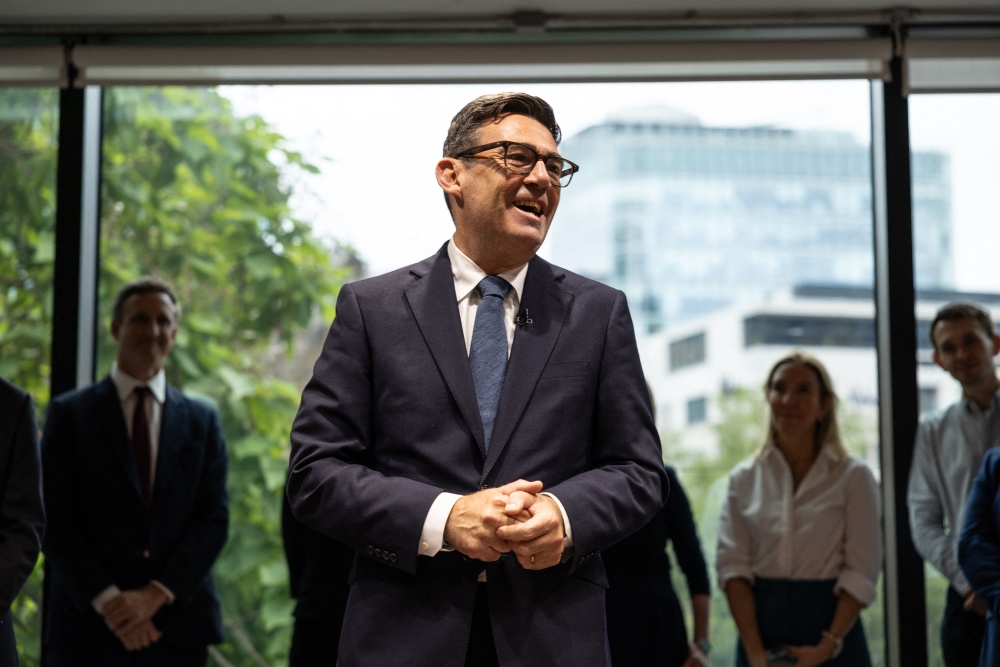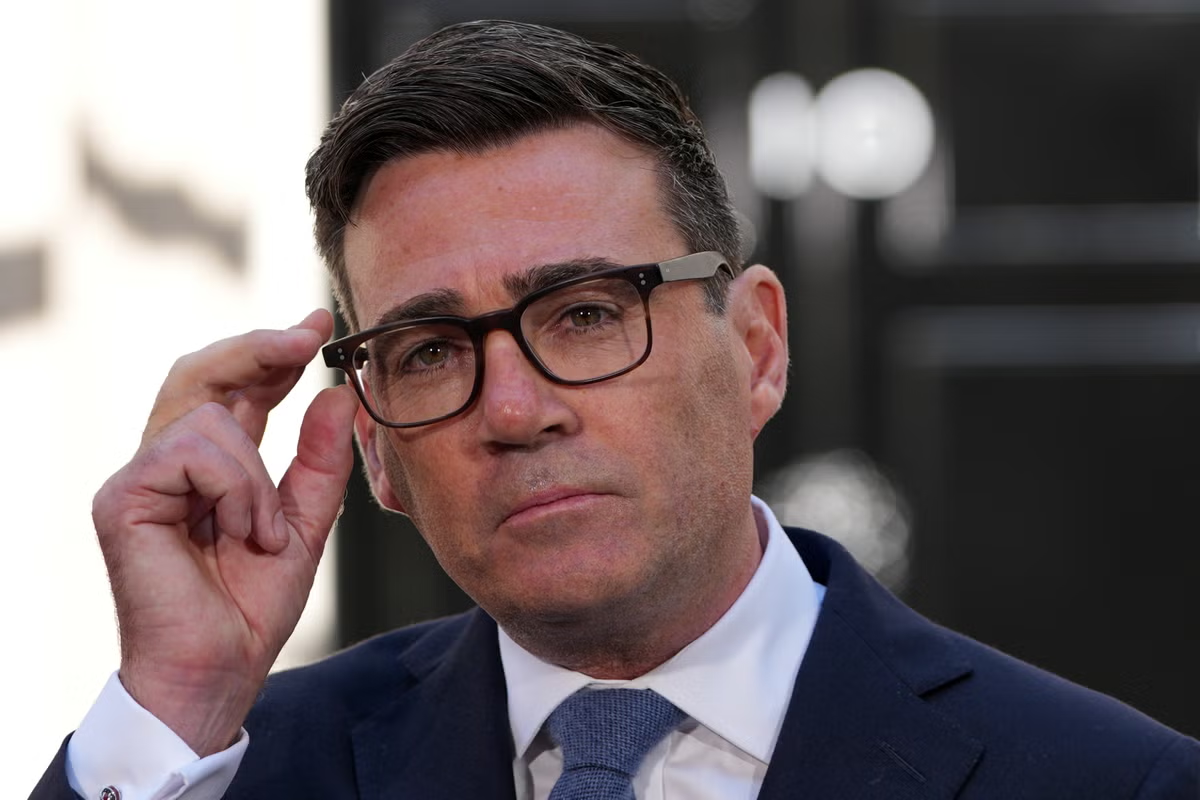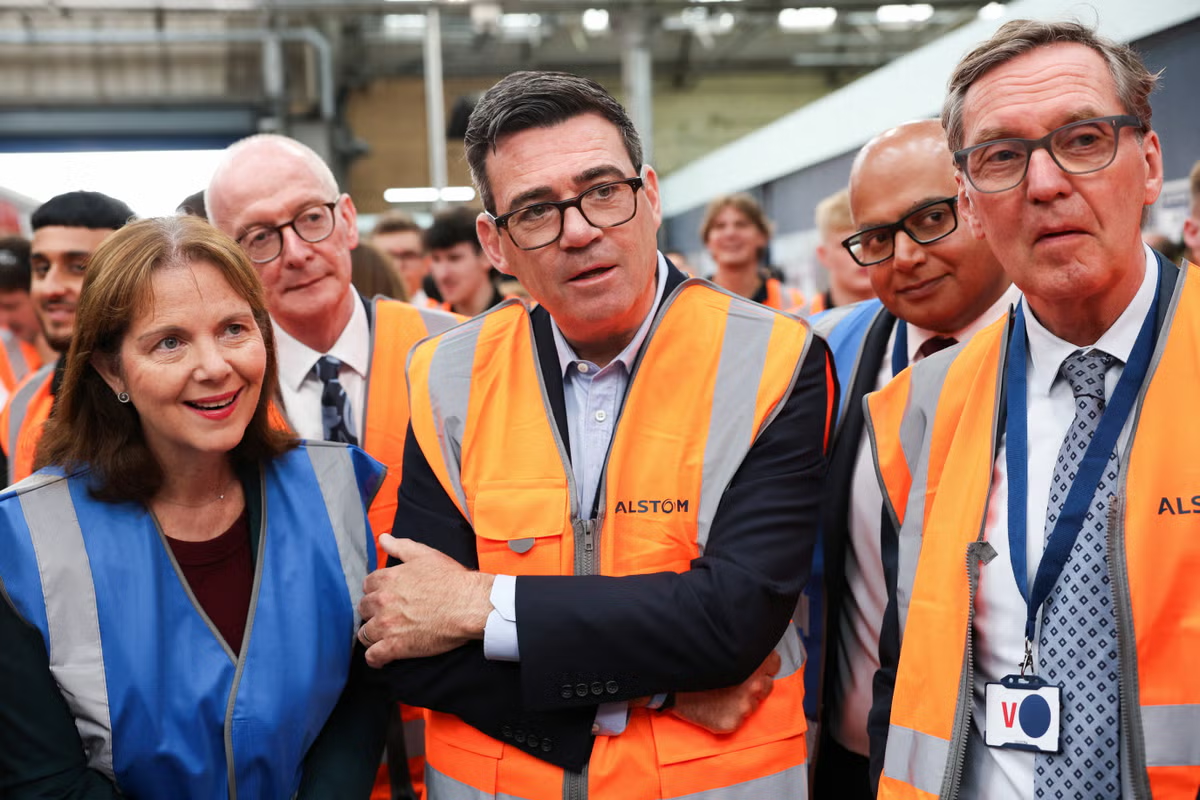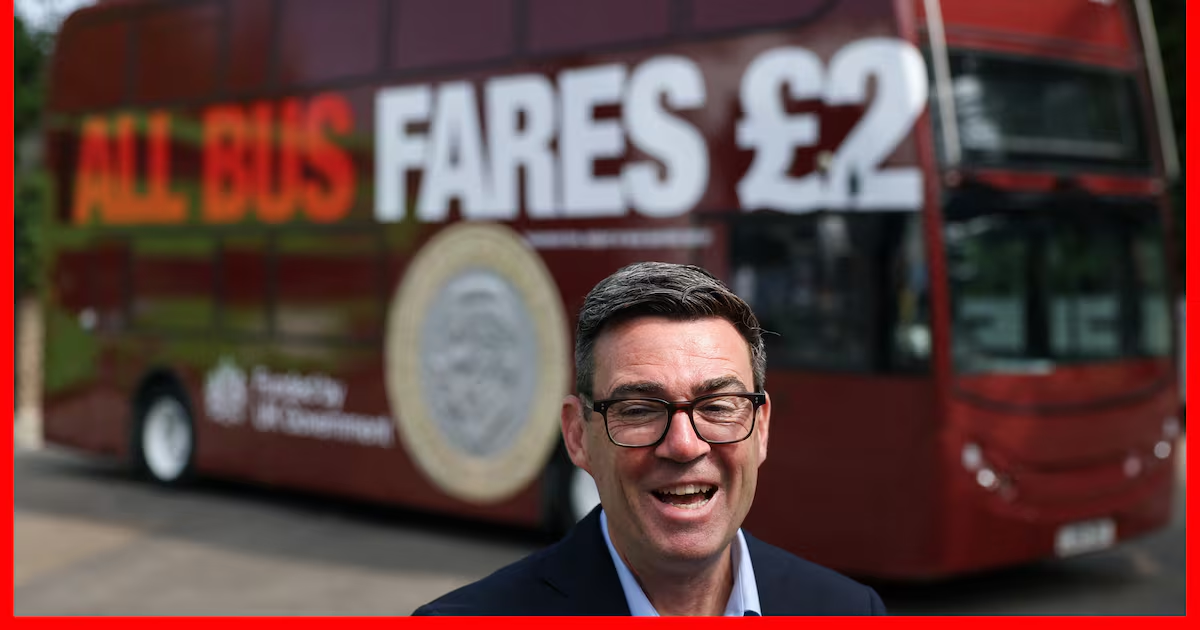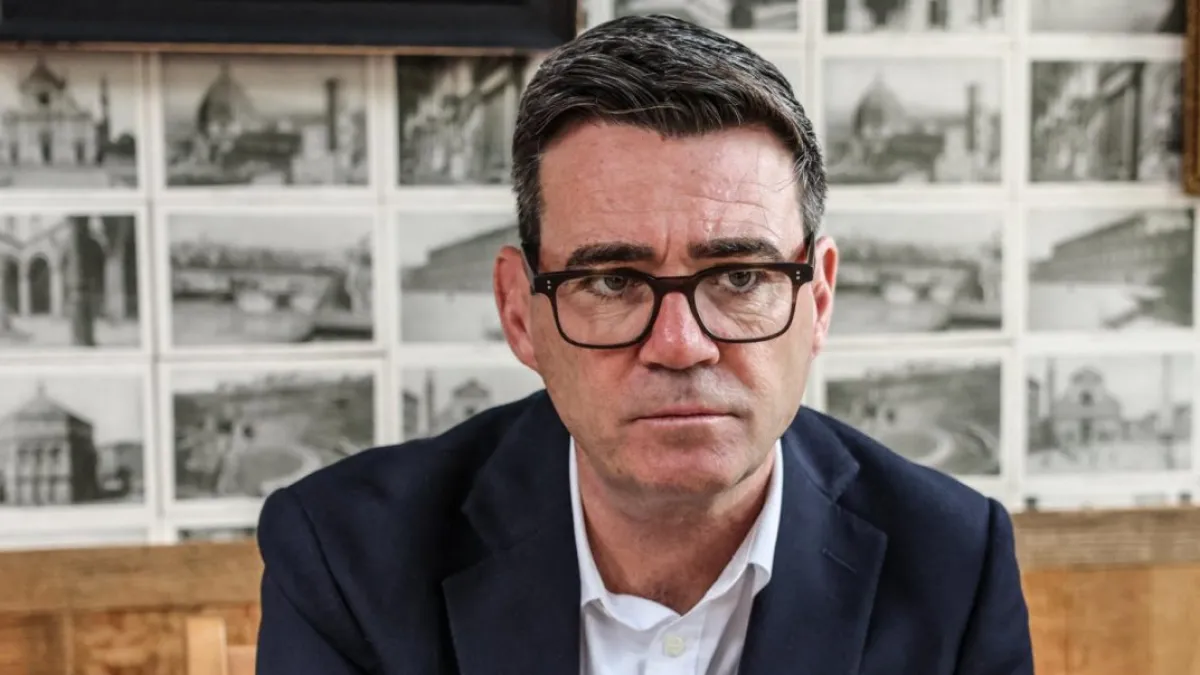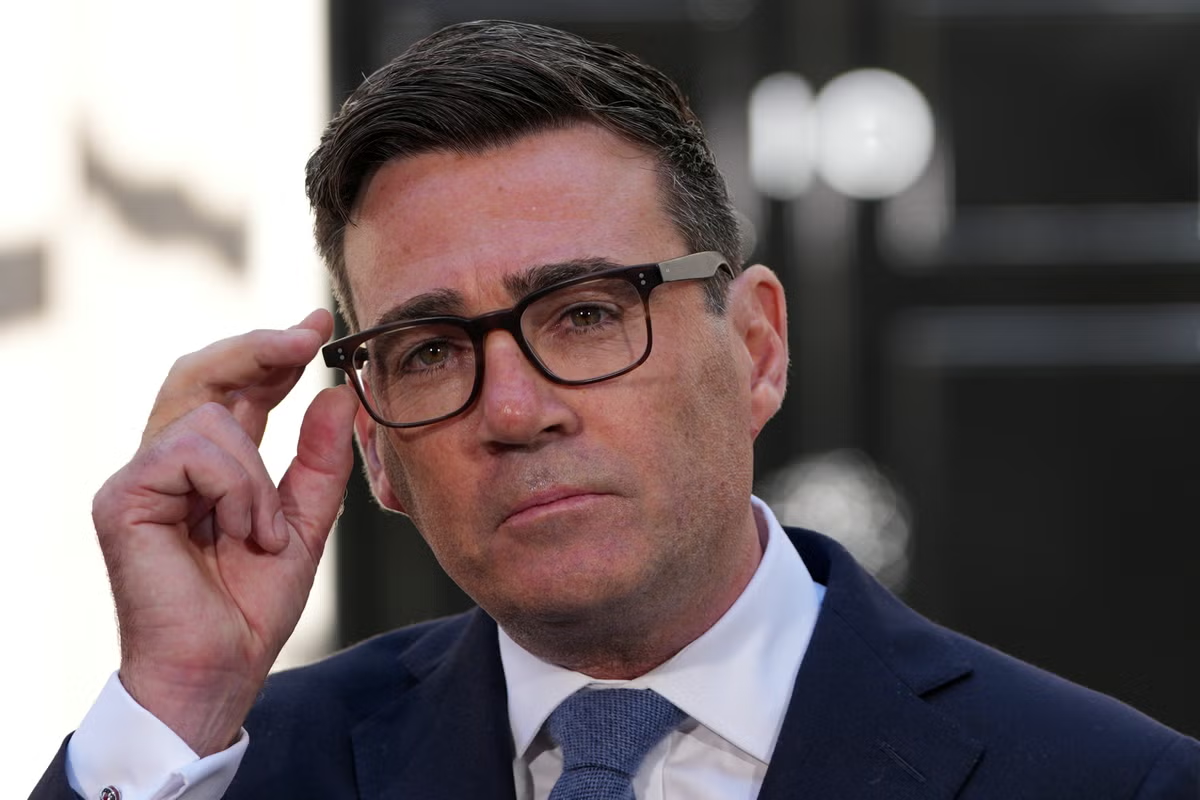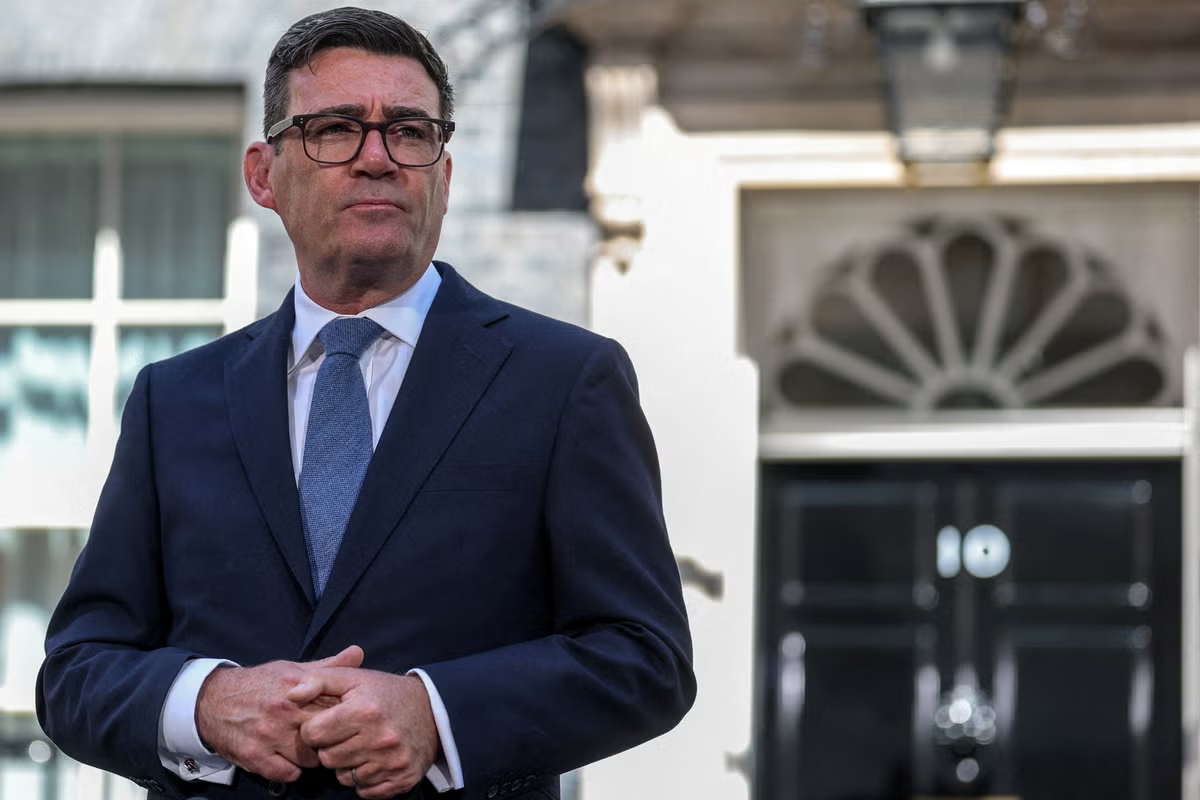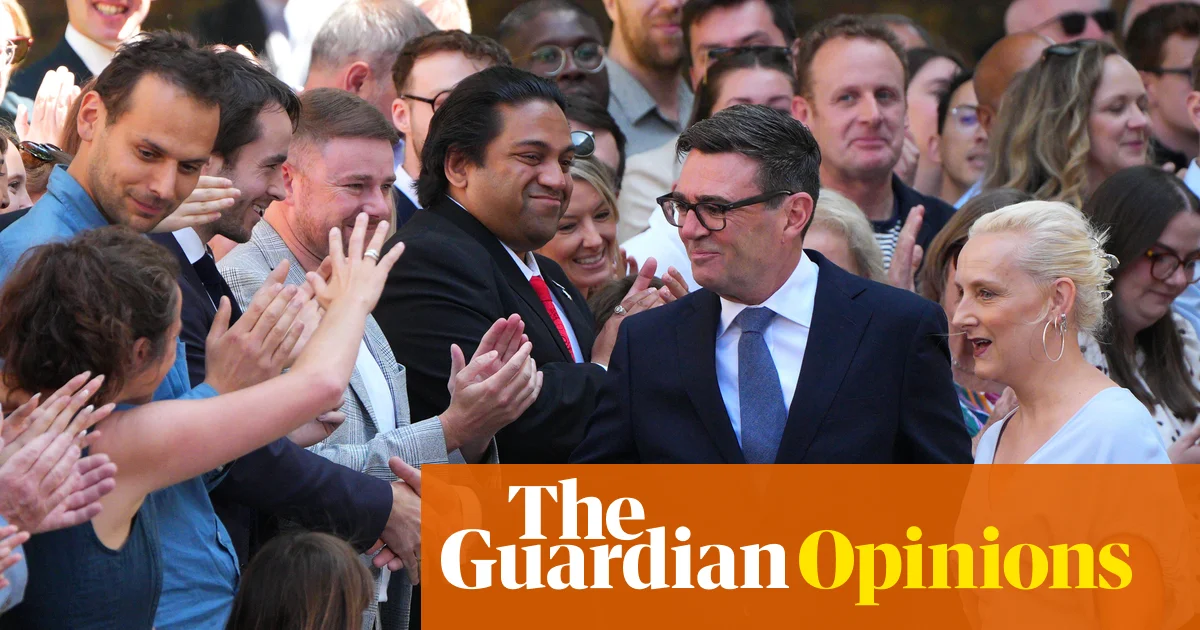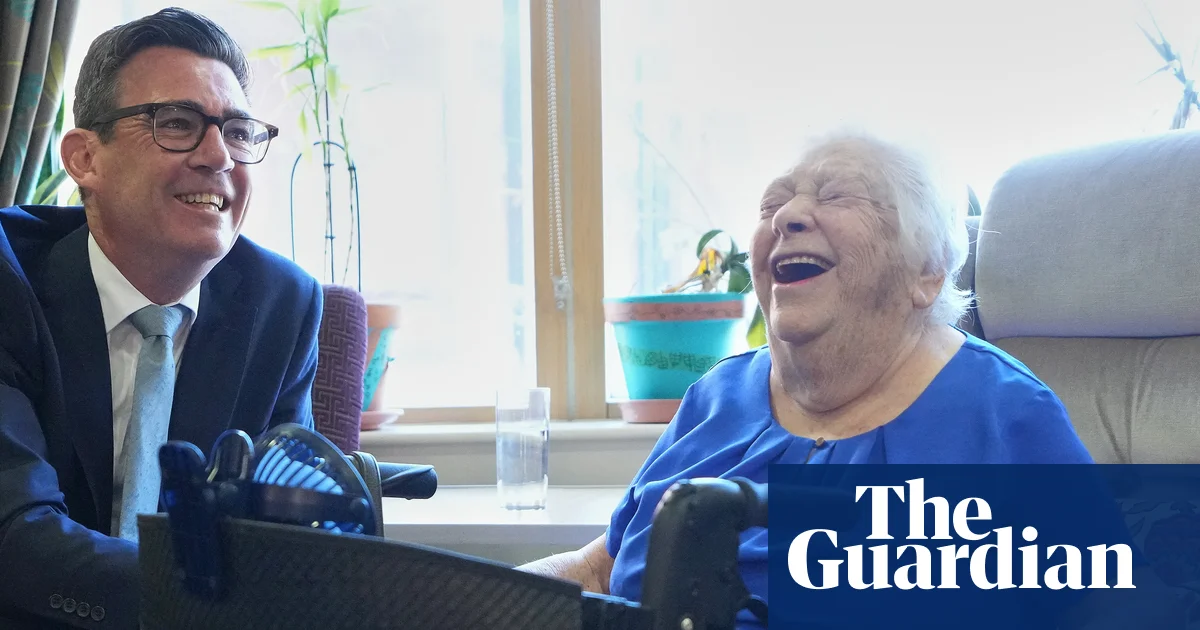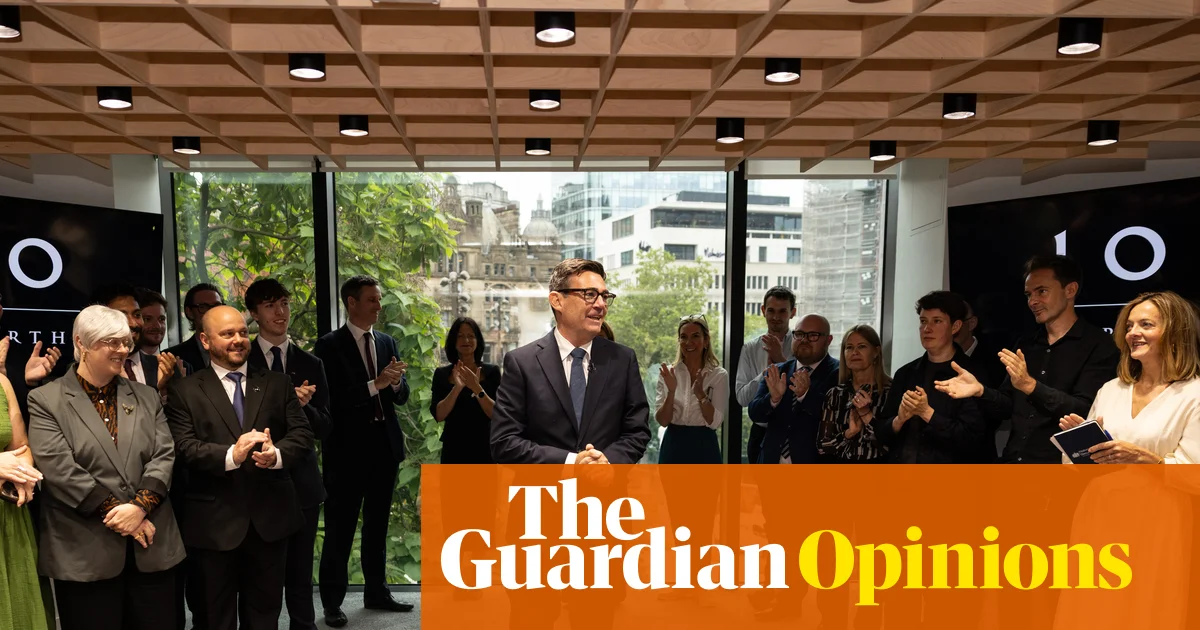
Appropriately enough, Andy Burnham ended a week of political signalling and first impressions back in Manchester on Friday. At the offices of the new No 10 North – where the prime minister hopes to work at least one day a week – regional mayors sat alongside ministers in an example of Burnhamism at work. It was an early statement of intent, ahead of what Mr Burnham bills as “the biggest rebalancing of power our country has seen”.The same could be said of the series of cost of living measures fired out during the new government’s first few days in office. A £2 cap on bus fares, a cut in VAT on electricity, and some business rates relief for pubs, clubs and smaller music venues were all modest moves. But they were cleverly indicative ones, nodding empathetically to people’s need to have the chance to enjoy themselves as well as pay the bills.They also sent a distinctively optimistic message to the public, compared to the Starmer government’s fateful early decision to cut winter fuel payments. Mr Burnham needed to sound and act differently from the off. In short order he has demonstrated the political sure-footedness so sadly lacking in his predecessor.Chancellor of the Exchequer John Healey. Photograph: Chris J Ratcliffe/ReutersGiven the relatively small scale of the spending involved, the eagerness of sections of the media to locate Liz Truss-style “unfunded commitments” has been faintly risible. There will, of course, be much more of that to come in the autumn, as Mr Burnham’s surprise choice of chancellor, John Healey, puts together his first budget. But with parliament now in recess and Nigel Farage distracted by a political farce of his own making in Clacton, the prime minister and his team will feel they have navigated the opening act of his premiership with some aplomb.The more difficult work begins now. Recent polling, as Mr Burnham prepared to take office, pointed to an exasperated and impatient electorate which will give him only a limited window of opportunity. He intends to use the summer to visit constituencies identified as losers from a 40-year political settlement in which “power was centralised, economic power was privatised and communities were deindustrialised”. But having arrived in No 10 after a quicker handover than he may have preferred, and without the scrutiny of a contest, the coming weeks will also be crucial in refining the strategy for reform on all three of those fronts.As economic headwinds continue to blow from the Middle East, and fiscal caution is urged upon the new government from the usual quarters, it will need to be bold. Mr Burnham’s analysis of the flawed political economy which has ill-served Britain in recent decades is the right one. But from radical devolution to public control of utilities and launching the biggest public housing programme since the Attlee government, his prescriptions for change will challenge entrenched orthodoxies. The viability of the 10-year plan that the prime minister intends to unveil later this year will depend on his government’s ability – and willingness – to successfully take them on.As England progressed to the semi-finals of the men’s World Cup this month, it looked at one point as if Mr Burnham might move into No 10 the day after football finally came home. Lionel Messi and Argentina denied him that “lucky general” moment. But the prime minister’s first week has been upbeat and politically polished. Trickier tests are yet to come.
The Guardian view on Andy Burnham’s first week: polished politics allow an upbeat start | Editorial
Editorial: With a flurry of cost-of-living measures and a day in Number 10 North, the new prime minister has hit the right early notes
610 words~3 min read