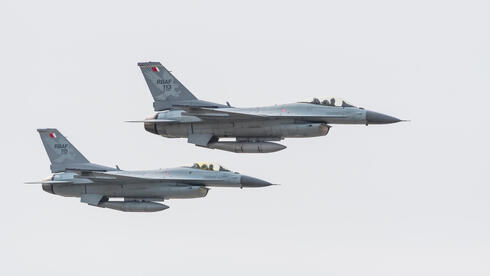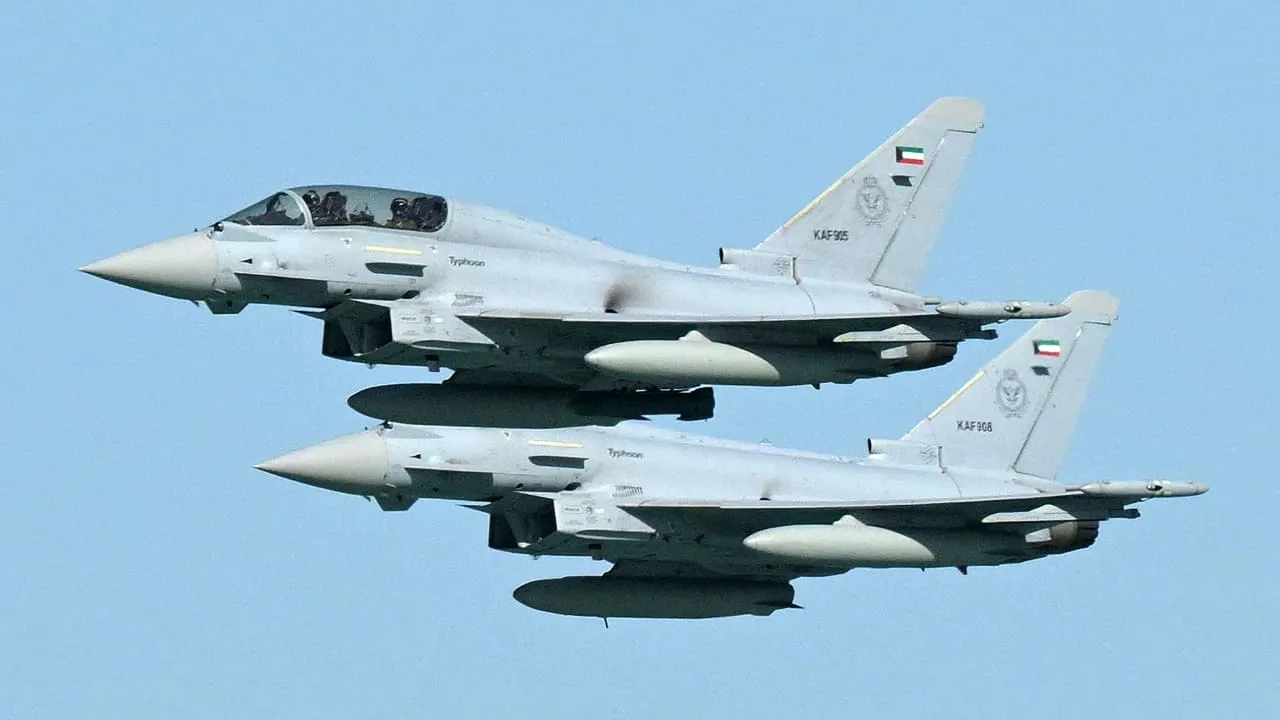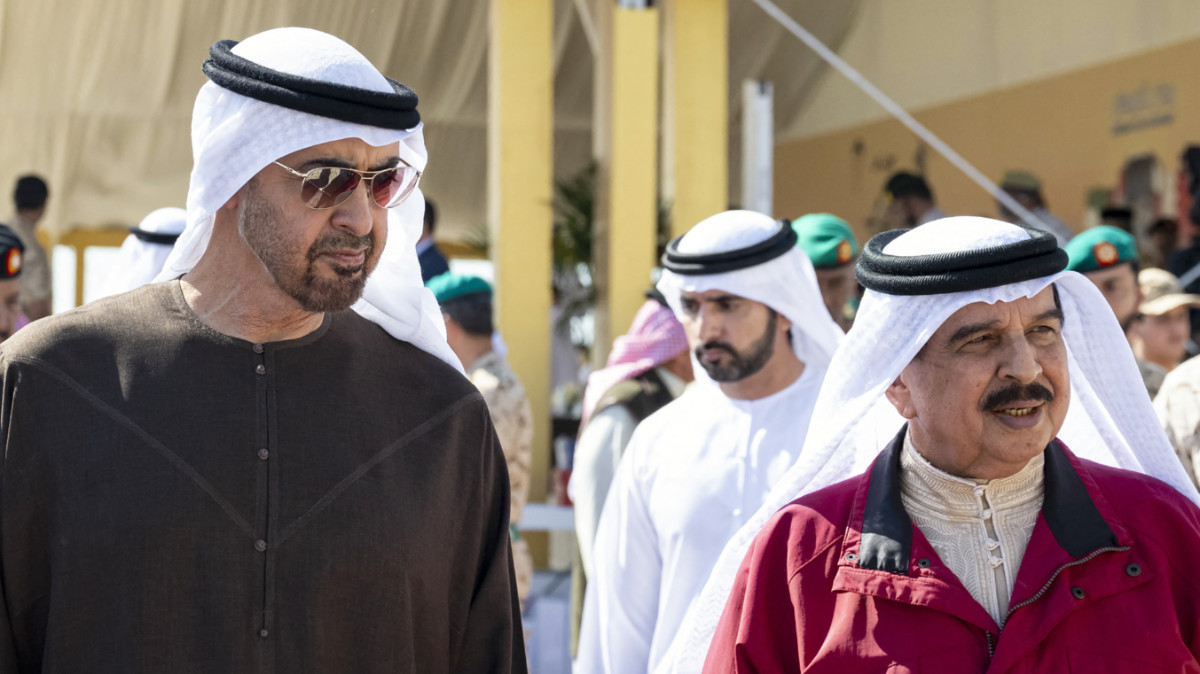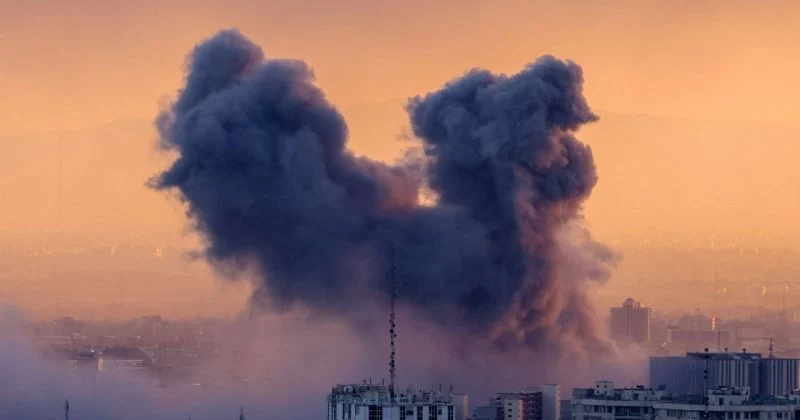
The Gulf just got a lot more complicated. Bahrain and Kuwait conducted direct military strikes against Iranian targets in July 2026, marking the first time either nation has launched offensive action against Iran during the ongoing conflict. The Wall Street Journal reported the strikes on July 24, 2026, describing them as a significant departure from the proxy-war playbook that has defined regional conflict for decades.
What happened and why now
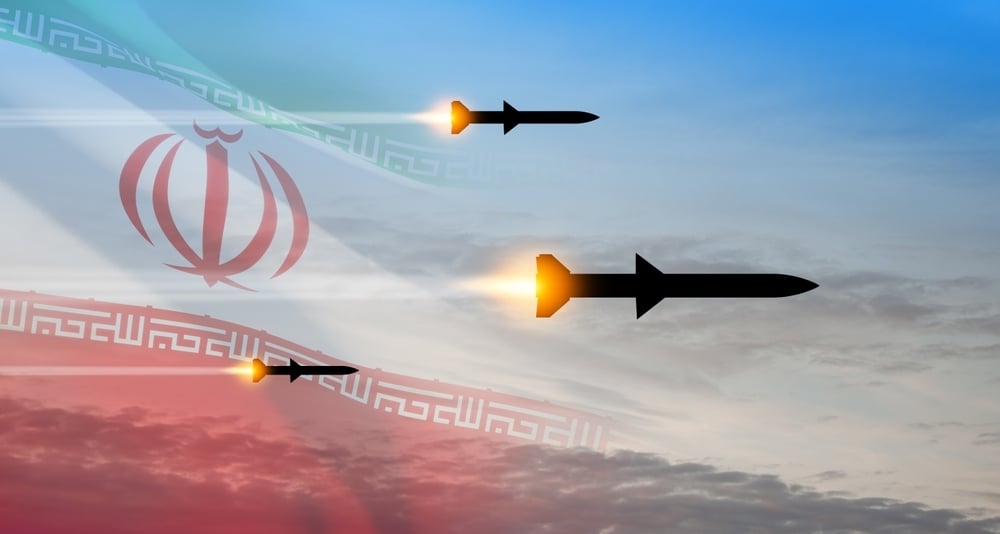
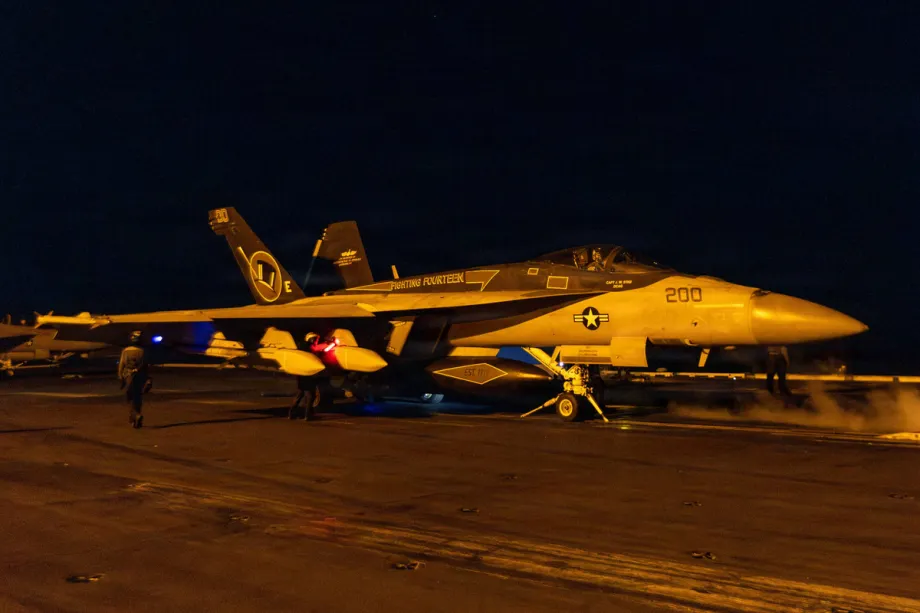
Iran had been conducting missile and drone attacks targeting both Bahrain and Kuwait, with the strikes linked to each country’s hosting of U.S. military forces. Tehran was treating Gulf bases that house American troops as legitimate targets, and Manama and Kuwait City decided they were done absorbing the hits without hitting back.
These strikes occurred earlier in July before the WSJ report on July 24, suggesting the governments held the information close while assessing Iranian responses and managing the diplomatic fallout internally.
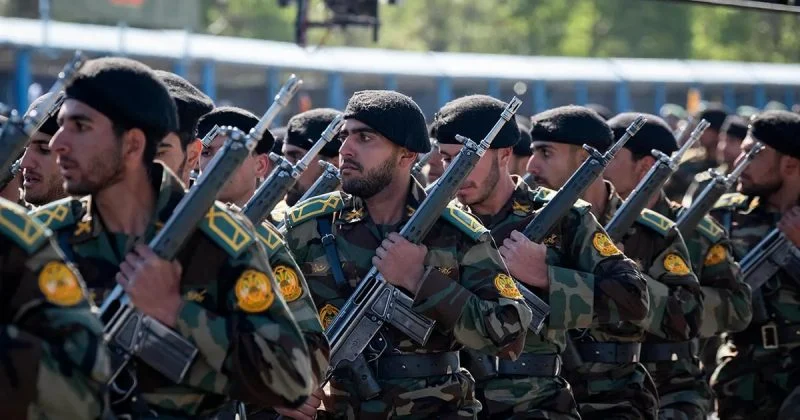
Iran’s strategy of targeting Gulf states that host American military infrastructure has been a consistent pressure tactic throughout the broader conflict. The underlying logic from Tehran’s perspective is that making those host countries pay a price could fracture U.S. coalition support in the region. Bahrain and Kuwait’s response suggests that strategy has produced the opposite effect, hardening resolve rather than encouraging accommodation.