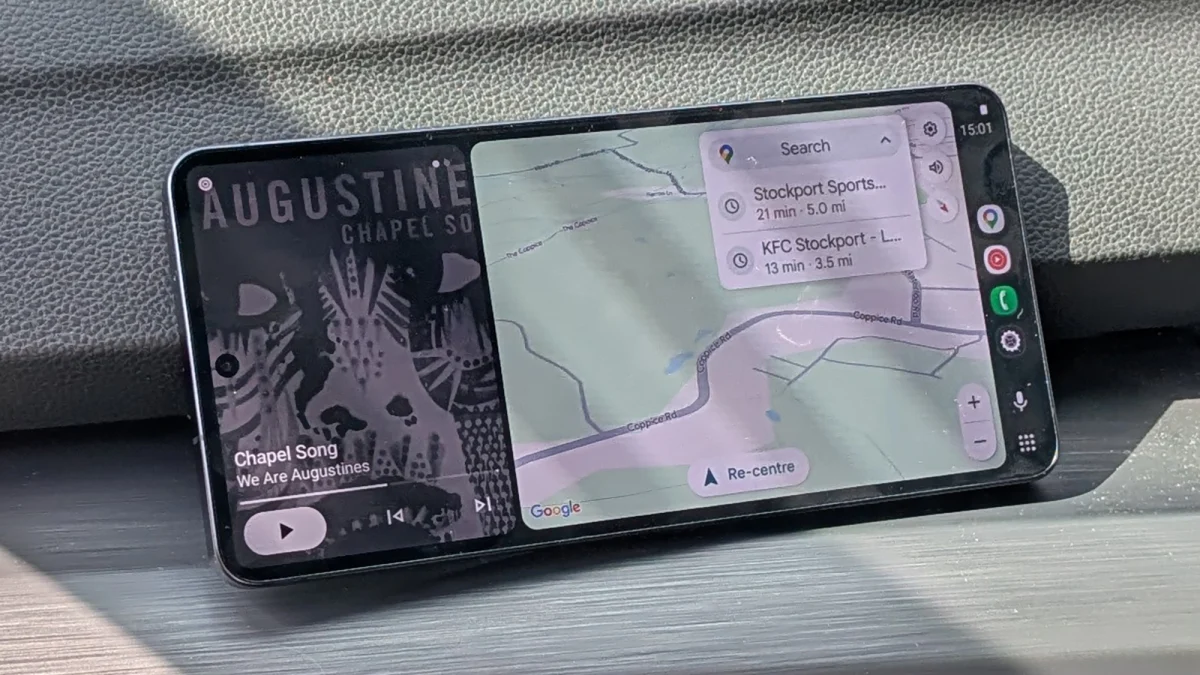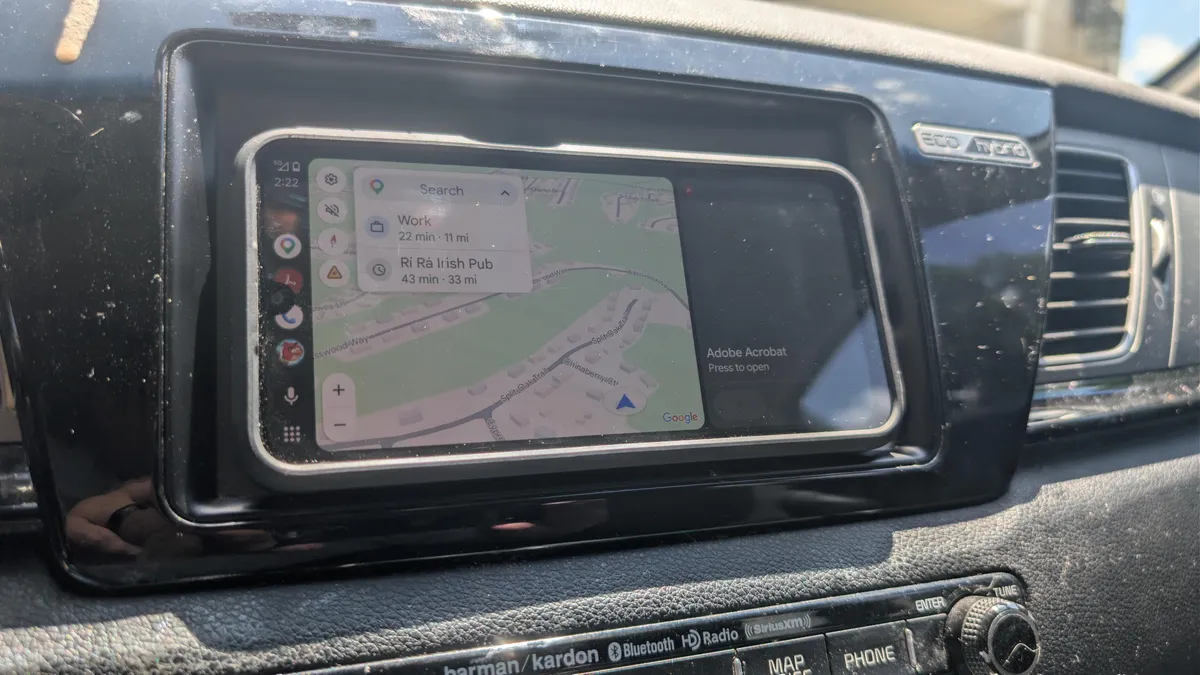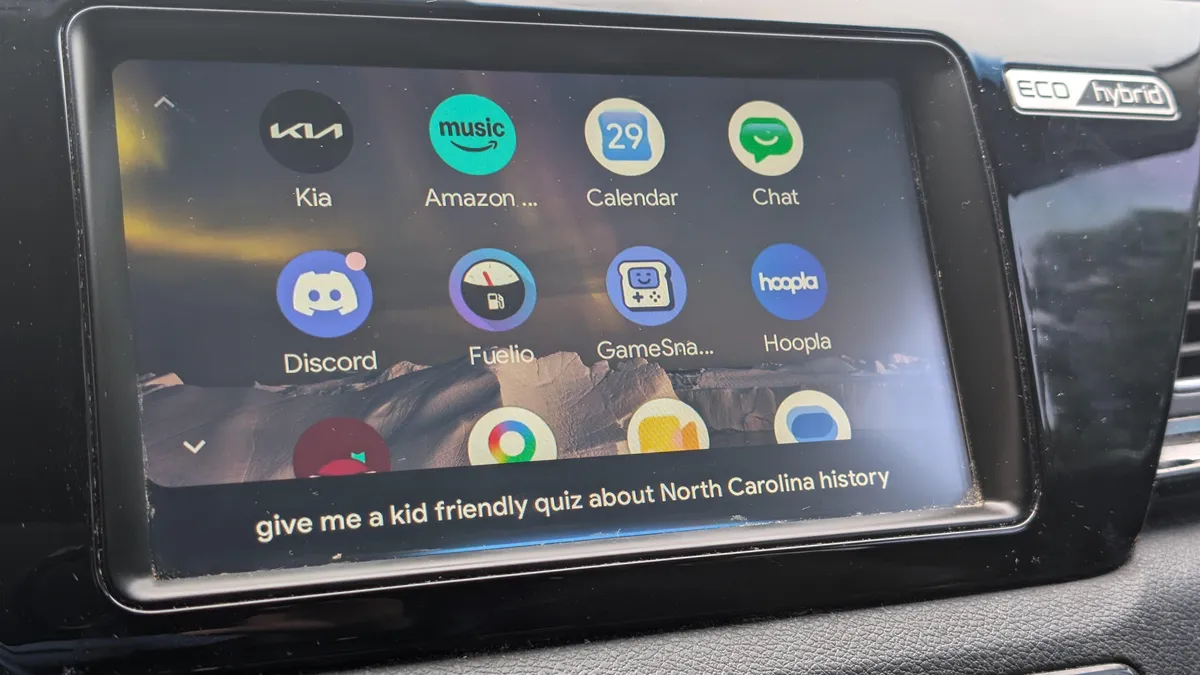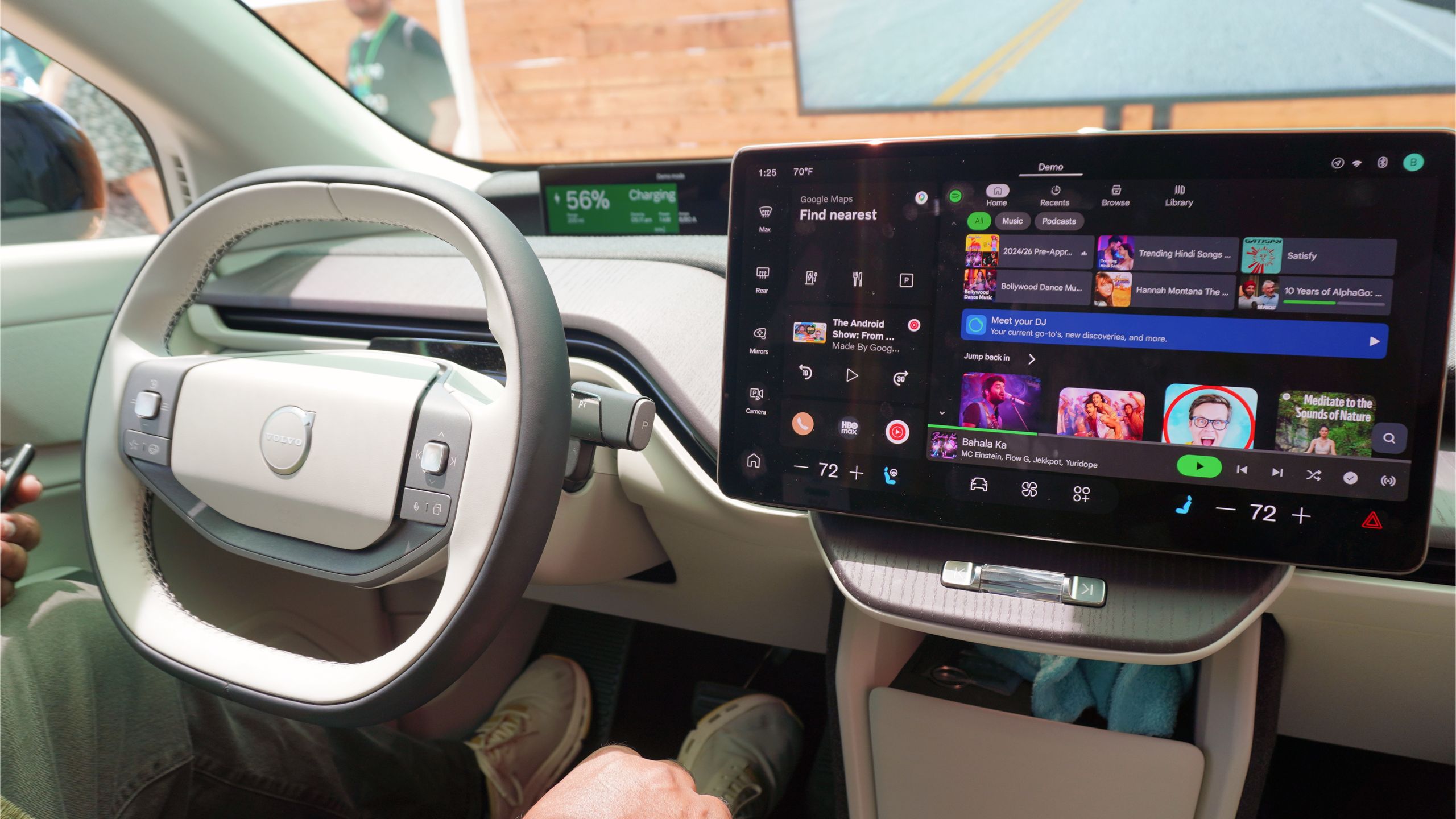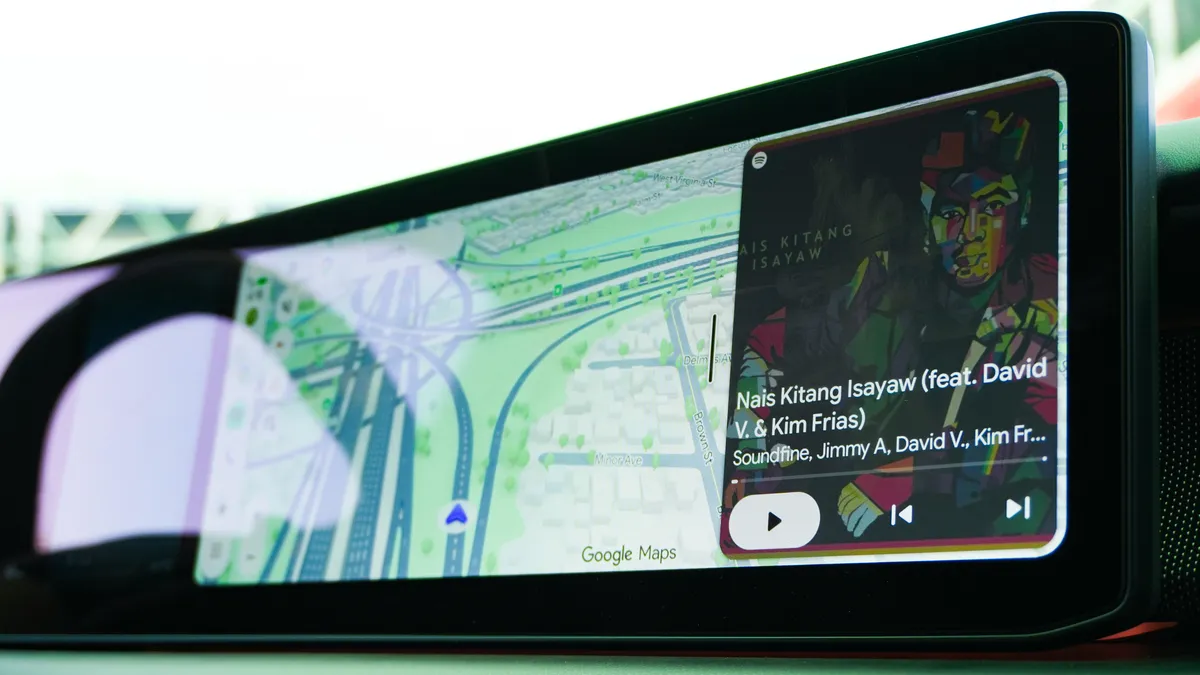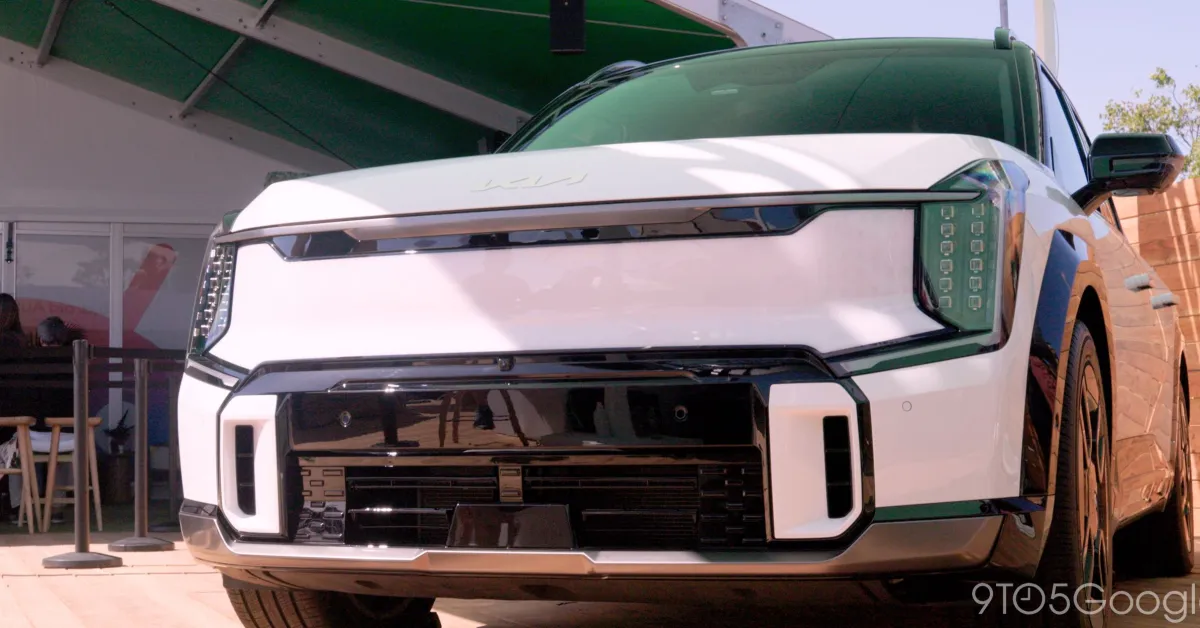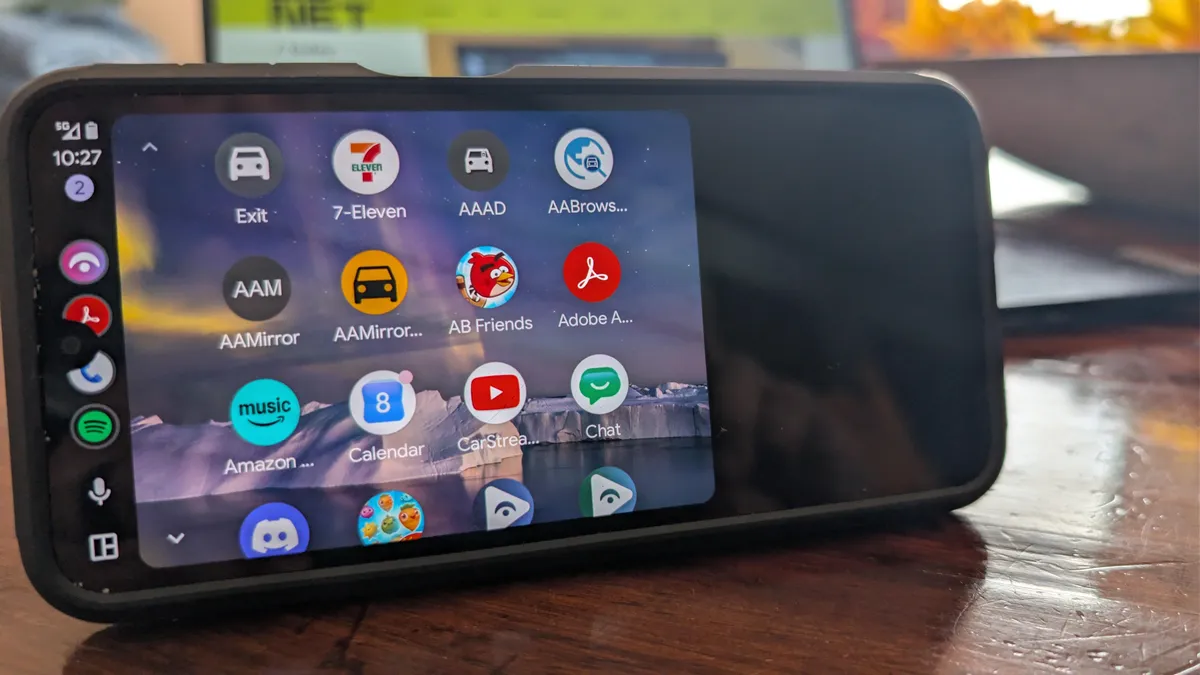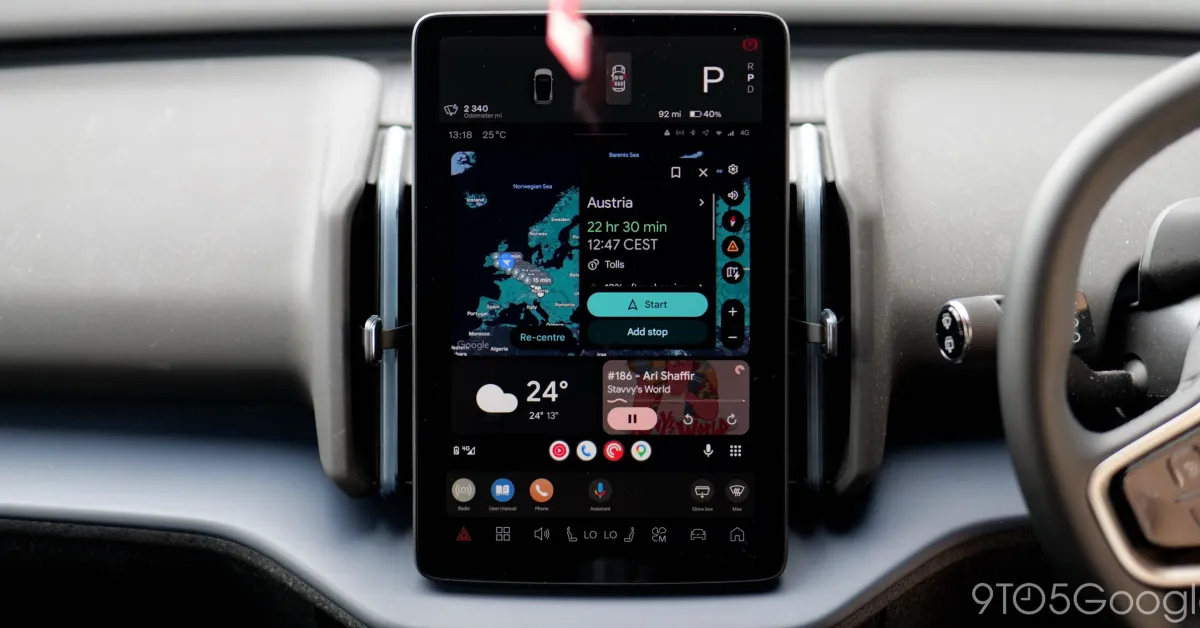
I’ve been lucky enough to have a car that has Android Automotive for the better part of five years, and in that time, it made me realize just how much better Android Auto is for most people despite its problems, bugs, and foibles.
After switching from an ICE vehicle to an EV around 2020, I was in love with the idea of Android Automotive as the core experience. It might now be “Google built-in,” but it’ll always be Automotive to me for what it’s worth.
As much as it was a novel experience and does make your phone feel like an extension of your phone, it’s still limited by how many updates come from carmakers, the visuals, and the integrations, which ultimately limit how seamless it feels. I guess one of the side benefits is that Android Automotive has reminded me of the early days of Android on phones because there are so many variations, shapes, sizes, and connotations. I’m certainly a sucker for that.
The thing is, for 99.9% of people, Android Auto is a better overall experience, and that’s before we get into the potential “hardware obsolescence” question marks with many modern Automotive-powered vehicles. Short story: your phone likely will get more powerful while the processor in your car ages. I had this with the Polestar 2. It ran fine in 2019, but within 18 months, it was a slow, sluggish, crawling mess, and thankfully, Android Auto support arrived to gloss over the poor interface performance.