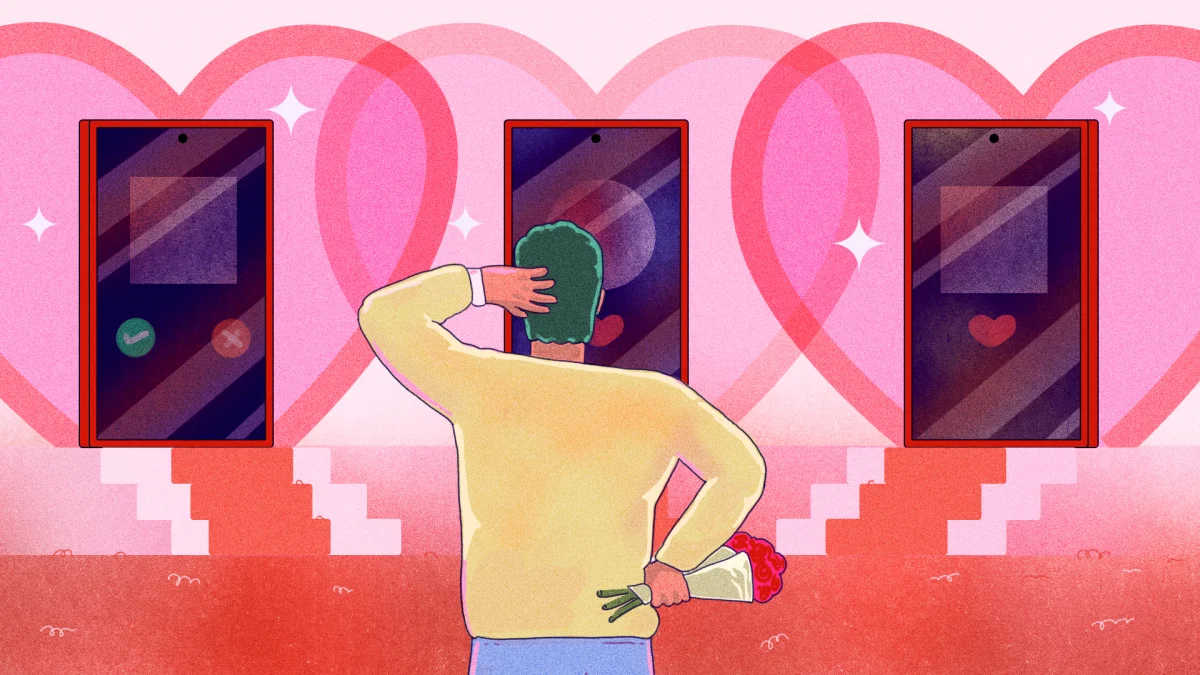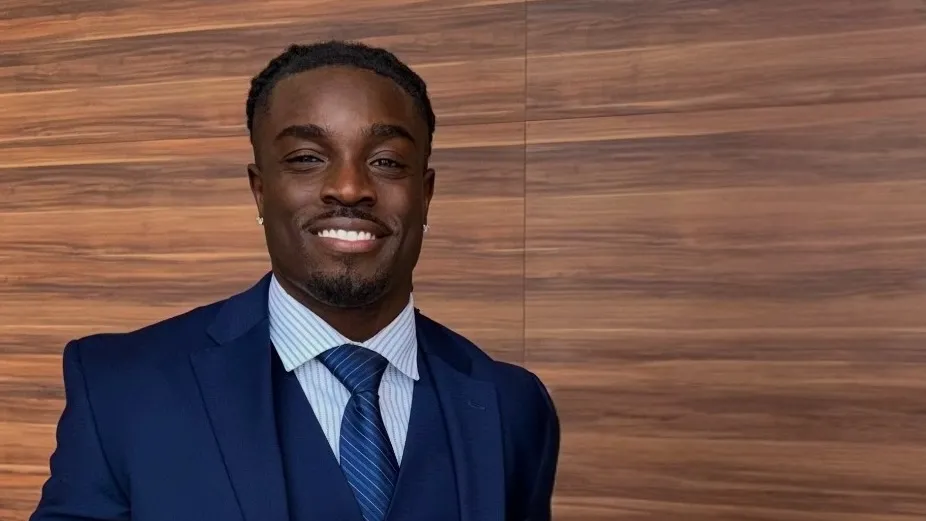
The Miami doctor wasn’t supposed to feel this invisible. On paper, he was the type of man dating apps were supposed to reward: he was tall with a stable, prestigious job and living in a bustling city. But he never felt truly seen. He struggled to hold conversation with his colleagues. On dating apps, messages stalled out before they ever made it to a first drink. When he came to Michael Asibuo, a 30-year-old dating coach in Montreal who specializes in “confidence transformations” for “high-performing men,” he didn’t come with the bitterness you might hear online from men who feel left behind by modern dating. “He truly felt defeated,” Asibuo recalls. “He didn’t come to me with ‘I hate women’ or any of that spiel. He just said, ‘I just want to do better because I feel like I’m doing something wrong.’ ” Asibuo's work is part of a growing trend of men seeking out ways to improve their prospects in the dating world. But unlike some of the controversial routes gaining traction – like dangerous manosphere content or unregulated supplements and injections – Asibuo's approach is more constructive. And it's working − he's gained a large online following and has a booming business to show for it. Are makeovers the antidote to the manosphere?The manosphere – a digital collection of websites, videos and online communities that promote male supremacy – has become increasingly mainstream. Creators like Andrew Tate (a self-proclaimed "misogynist" charged with rape and human trafficking) and streamer Sneako, who once said “a woman’s worth is what she looks like and a man’s worth is your masculinity,” have amassed millions of followers across social media platforms, providing a pipeline for men seeking advice about romantic rejection and physical self-esteem to fall into radical misogyny instead. Even the now-popularized term “looksmaxxing” originated in the manosphere; it first emerged on incel message boards in the 2010s, and is often associated with claims that most women are attracted to men based on superficial qualities like looks, money and status. But the term has transcended its toxic roots to also represent wholesome self-improvements, such as with “baldmaxxers” like Harry James, who offers guidance on self-optimization and “embracing baldness” to over 250,000 YouTube subscribers. Asibuo’s work falls in this realm of men’s makeover and “confidence transformation” trends, where the focus falls on improvement from within, rather than the controversial narratives that form in the manosphere. "Now this is what the men need. Less red pill more makeovers," a commenter wrote on Asibuo's now-viral video of the Miami doctor's transformation. Another commented, "Love that you’re promoting/helping men grow their confidence without putting down women to do it."The problem wasn’t the men. It was how they presented themselvesAsibuo’s first transformation was on himself. It started with personal fitness – turning to weight training to match his physique to the bigger guys on his high school football team. “I was getting rag-dolled. I was getting bullied on the field. I was like, ‘Oh, it can’t be like this for me,’” he says. At age 16, he gained 25 pounds to “become a better version” of himself, and promptly noticed the rewards. Football became much easier. People were more attracted to him. His self-esteem improved. In 2017, he started working as a personal trainer. His clients would open up about their dating lives, which were often floundering. He couldn’t understand why; these clients were already in the best shape possible. Until they showed him their dating profiles.“That’s where I saw the gap of like, 'Oh, the person I see in front of me is not the person that is on this profile.' Like, it’s night and day,” he recalls. He helped his clients tweak their style and photos, which he says would “blow up their dating profile and results.” In 2020, he started posting his work online. In tightly edited Instagram Reels, the work looks simple: the transformation consists of new clothes, a fresh haircut that complements their natural features and elevated dating app pictures. But behind the scenes, Asibuo adheres to a strict five-phase system that also teaches emotional intelligence and conversational skills while aiming to build self-confidence."The antidote to the whole 'red pill' movement, for me, is just not blaming anyone but yourself," Asibuo says. "If we're not happy where we're at, we can do something about it."Asibuo charges $5,000 for his services, guaranteeing men who complete the program over 100 matches on dating apps within 90 days.Most of his clients are "high-skilled professionals," he says, such as doctors, lawyers, executives, and co-founders, where their line of work "requires them to look very sharp and have a good presentation."The makeover is just the beginning Asibuo doesn’t pay much attention to what other creators are doing. He says he’s “heard of the Andrew Tates of the world,” but chooses to avoid any online negativity. His goal has always been to “help people that want to be helped.”“I want my guys and myself to be able to provide financially, emotionally, spiritually, physically,” he explains. “Be greedy in how much you want to provide for your partner, because you're giving the best version of yourself, and you would hope that you can get the same back in return.”Asibuo himself is single, but he brings the lessons he teaches at work back to his own dating life. That is, when he can fit in dates between meeting clients in Montreal or across the world. “I would like to have a long-lasting relationship myself and be able to have a family, marriage, all of it. I am 30 years old and it is something I’m working on having,” he says. “So I try to take some time for it.”
Are male makeovers the antidote to the manosphere?
Michael Asibuo is giving men dating app makeovers. Some say it's the key to keeping men away from red pill content.
952 words~4 min read