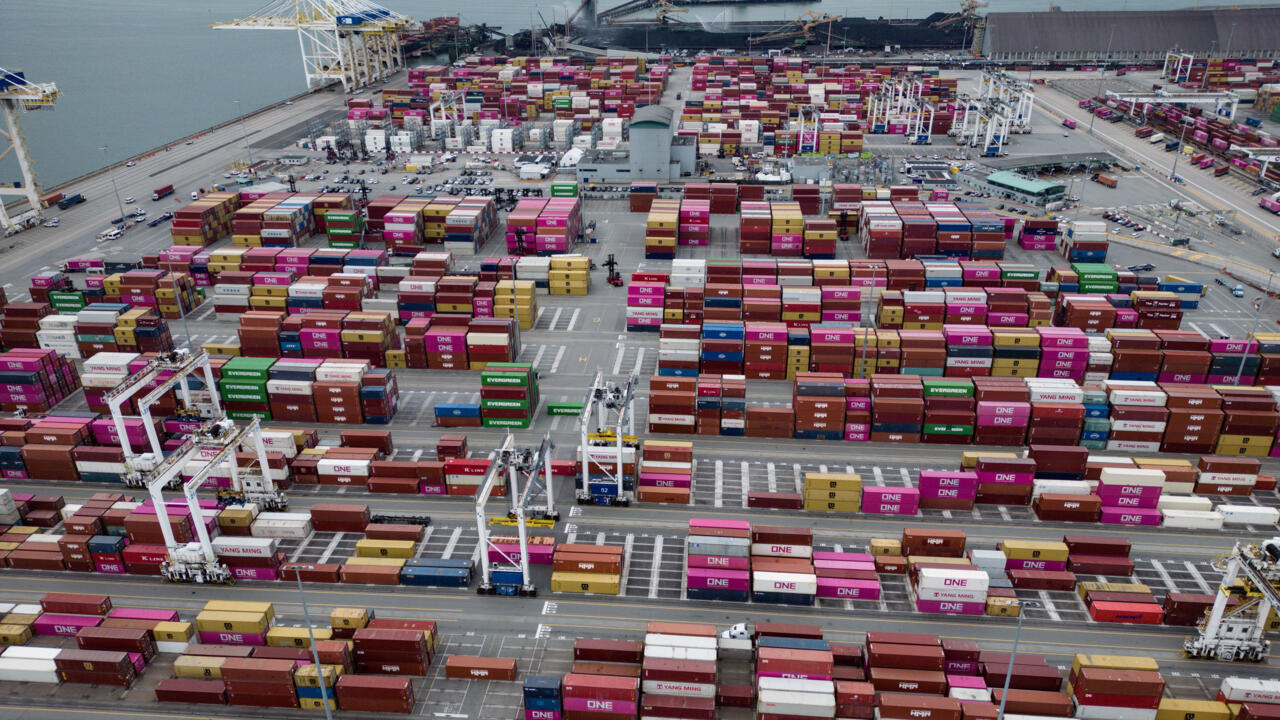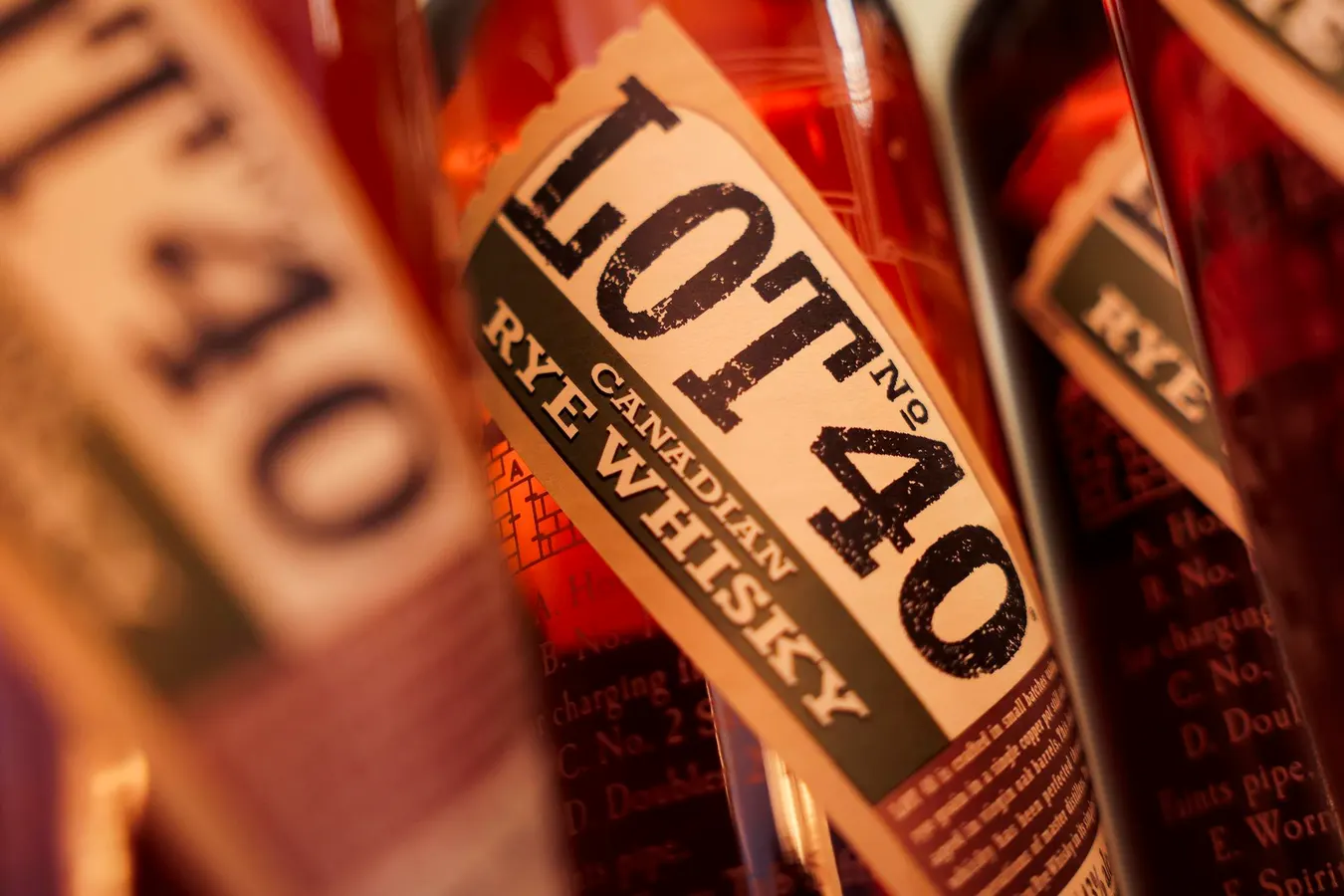
SAN FRANCISCO, CALIFORNIA - JULY 21: Lot 40, a Canadian whiskey, is displayed for purchase on a shelf at The San Francisco Wine Trading Company on July 21, 2026 in San Francisco, California. President Donald Trump imposed 50% tariffs on most Canadian goods including alcohol that will go into effect in the next 30 days. (Photo by Heather Diehl/Getty Images)Getty ImagesThe White House has imposed sweeping new Section 301 tariffs on 60 countries, covering nearly all U.S. imports, in a move that shifts billions in costs onto domestic companies and consumers while setting up the administration’s next major legal test.These new tariffs are more legally sturdy than the expiring temporary 10% Section 122 tariff and the earlier International Emergency Economic Powers Act tariffs the Supreme Court struck down 6-3 in February 2026, CNBC reported.U.S. importers pay the duties (not foreign exporters), and analysts estimate they impose economic pain on households. The broader tariff regime costs the average household between $550 and $1,500 a year and raises consumer prices by about 0.4% to 1.1% — mostly due to higher prices of apparel, footwear, metals, electronics and autos, according to the Yale Budget Lab. the Section 301 architecture could raise up to $166 billion annually, the Atlantic Council noted.The new tariffs will create winners and losers. For example, domestic steel and aluminum makers (Nucor, Cleveland-Cliffs, Steel Dynamics, Century Aluminum) are the clearest winners, while automakers (GM, Ford), retailers and import-reliant consumer brands (Nike, Apple) are the clearest losers.What The Tariffs Do And When They HitActing through the Office of the U.S. Trade Representative, Ambassador Jamieson Greer imposed the tariffs ostensibly to penalize countries that make goods using forced labor. Countries that adopted or committed to import bans on goods made with forced labor face duties of 10%, while those that have not face 12.5%, CNBC reported.MORE FOR YOUCountries paying the higher tariff include China, Japan and Switzerland. By contrast, the U.K., the European Union and — after last-minute enforcement commitments — India dropped from 12.5% to 10%, Spectrum News wrote.Oil, gas and fertilizer are exempt, as are anything already hit by the 50% steel and aluminum tariffs; the new duties do not stack on Section 232 metal tariffs, CNBC reported. This is part of a longer string of tariffs, as the White House recently imposed 25% tariffs on Brazil and 50% on a range of Canadian goods.Why The New Tariffs Are More Legally DefensibleThe new tariffs are more legally defensible than the ones the Supreme Court struck down in February. In his first term, Trump tariffs against China using Section 301 of the Trade Act of 1974 did survive court challenges. While more legally defensible, challengers may argue that tariffing 60 countries at once stretches a tool built for targeted disputes. Treasury Secretary Bessent’s earlier admission that combining Section 122, 232 and 301 would leave tariff revenue "virtually unchanged" gives opponents ammunition to argue the outcome was predetermined. Who Pays And How MuchU.S. importers pay the duty at the border and pass much of it to consumers. Roughly 90% of the economic burden falls on U.S. firms and consumers, according to Federal Reserve Bank of New York estimates. The U.S. Trade Representative could not estimate the revenue the new tariffs will raise — but tariffs generated $264 billion in net revenue in 2025.The consumer price impact of the tariffs are about 0.4% — adding about $550 a year per household. The most rigorous estimates come from the Yale Budget Lab, which puts the consumer price impact of current-law tariffs at about 0.4%, or roughly $550 a year per household — doubling to about $1,100 if the Section 301 tariffs take full effect.The pain is uneven: tariffs fall hardest on apparel, leather goods like shoes and handbags, electronics and motor vehicles, the Yale Budget Lab notes.WinnersDomestic metal producers are the biggest winners, shielded by the separate 50% steel and aluminum wall. When those metal tariffs doubled, Cleveland-Cliffs surged 33% and Nucor 14% in a single day. Steel executives from U.S. Steel, Nucor and Cleveland-Cliffs have publicly backed the tariffs. U.S.-based consumer companies also gain: Anheuser-Busch, which brews 99% of its U.S. beer in the country, is bullish about the tariffs.LosersImport-dependent manufacturers will suffer the most. Automakers such as GM and Ford run large assembly footprints in Mexico and depend on cross-border parts flows; consumer-brand names like Nike face margin pressure, and Apple — which still assembles most iPhones in China — remains exposed. History suggests economic harm could follow the tariffs. The Peterson Institute found the 2018 steel tariffs cost roughly $650,000 in higher prices for every steel job saved, and one analysis tallied about 1,000 metals jobs created against 75,000 lost in steel-consuming industries.There is significant uncertainty about how the new tariffs will play out. But for now, importers will pay, consumers will absorb the pass-through and Washington will wait for the next courtroom.
Trump’s Forced Labor Tariffs Hit 60 Countries As Importers Brace For Higher Costs
Trump’s new Section 301 forced labor tariffs hit 60 countries, raising costs for U.S. importers and consumers while reshaping winners, losers and the legal fight ahead.
812 words~4 min read