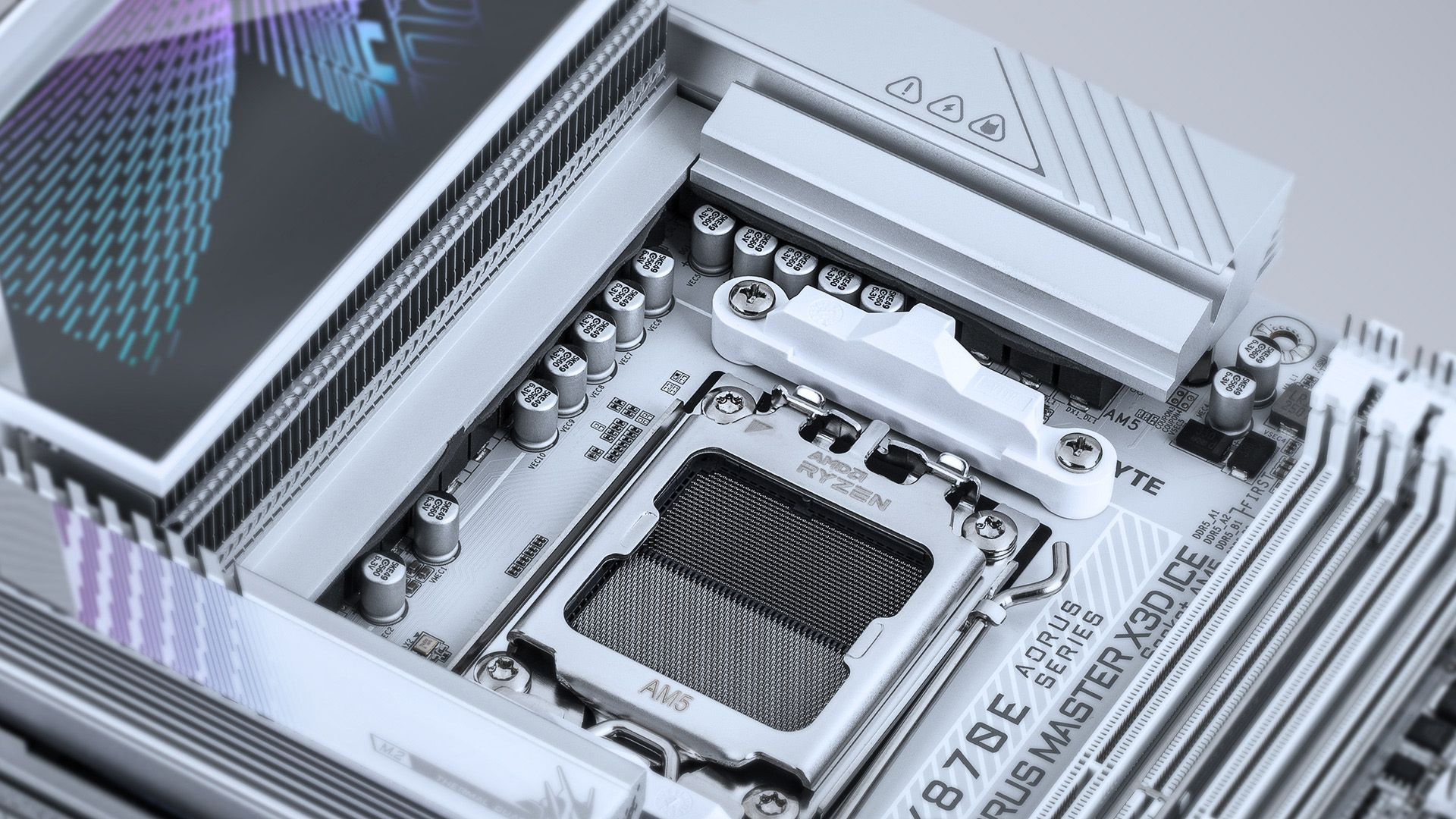
(Image credit: Gigabyte)
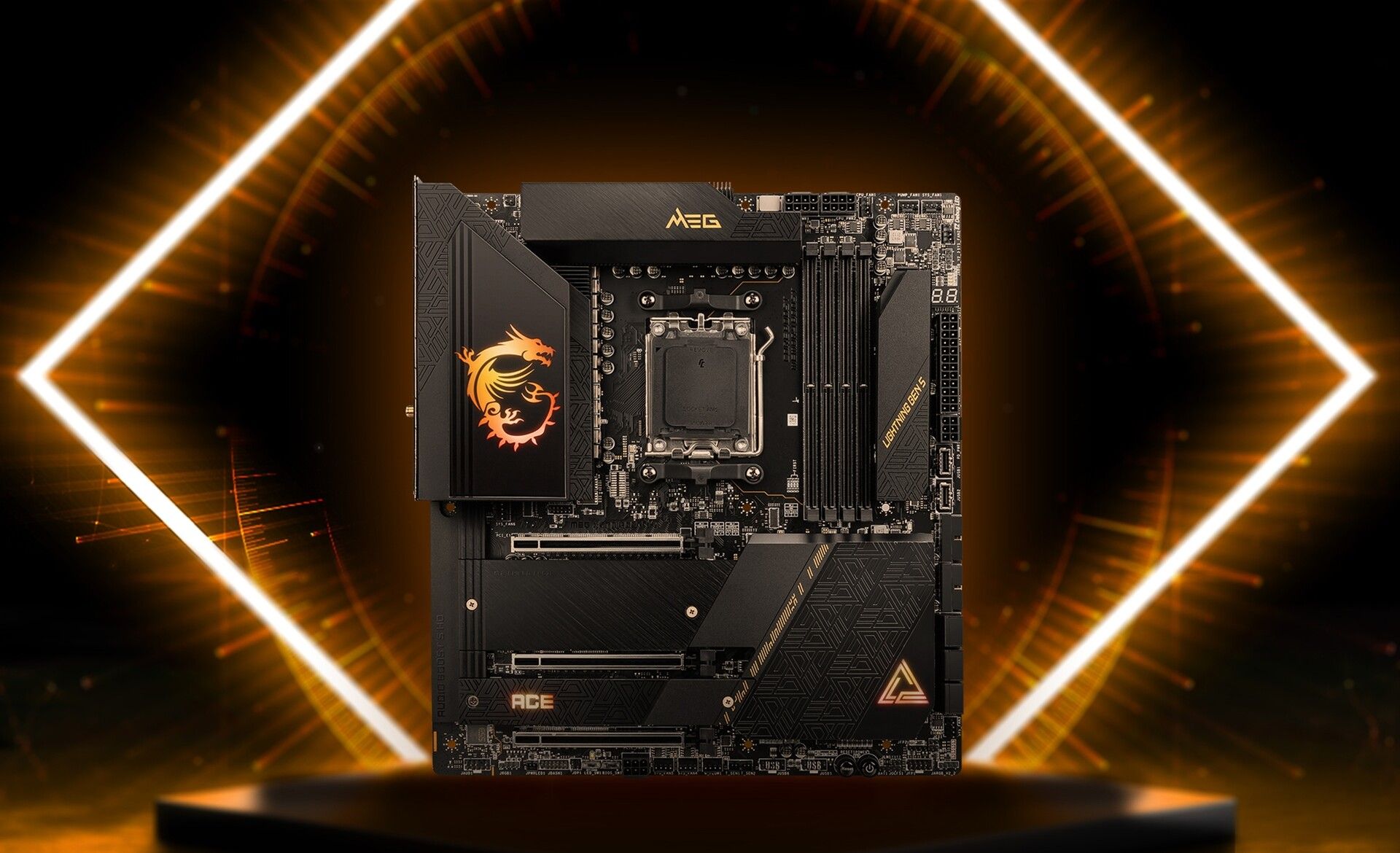
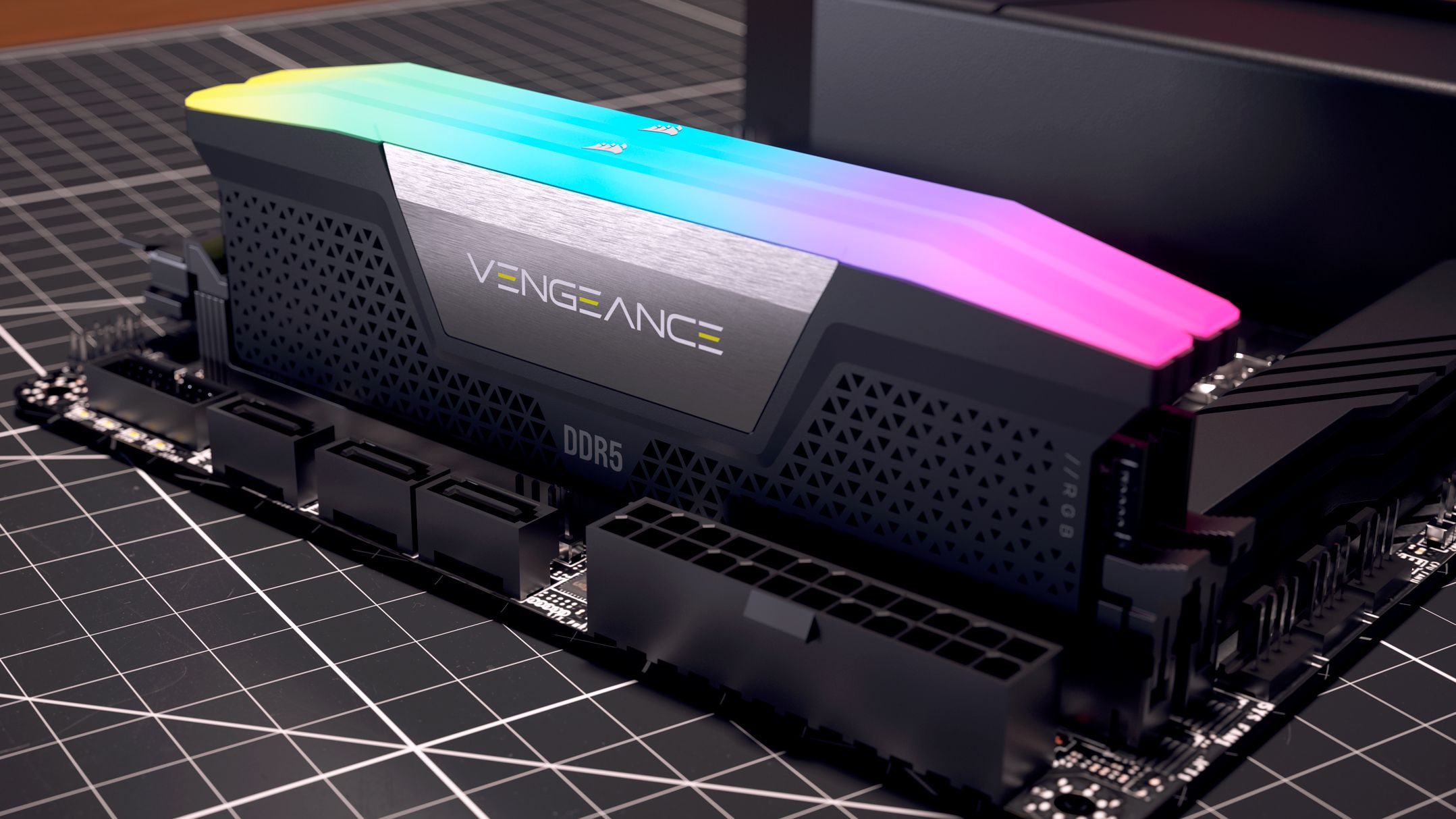
You're probably already well aware of the three largest memory vendors: South Korea's SK hynix and Samsung, and the United States' Micron. There's a fourth player up and coming in the market, though, and that's China's ChangXin Memory Technologies, more commonly known as CXMT. CXMT is pumping out RAM as fast as it can to soften the effects of the RAMpocalypse on domestic (to China) consumers, and it's also expanding capacity quickly. Given these factors and the size of the Chinese market, it should come as no surprise that motherboard vendors, including Gigabyte, are advertising fresh support for the chip.MSI appears to have been the first major motherboard vendor to publicly promote BIOS optimizations specifically for CXMT DDR5 memory, initially through China-market BIOS releases and later with global announcements. What Gigabyte is saying is a little different: not only is CXMT RAM supported on Gigabyte motherboards for both AMD's Socket AM5 and Intel's LGA 1851, but it's supported at impressive speeds of up to 8200 MT/s on select boards.As proof, Gigabyte offers up a CPU-Z screenshot showing a pair of 16GB Lexar modules equipped with CXMT chips achieving a speed of 8200 MT/s with a CAS latency of just 40 cycles on one of its B850M FORCE motherboards. We have to remark that Gigabyte doesn't show the voltage required to hit these speeds, likely for good reason, but the firm did it without disabling the chip's integrated graphics. That doesn't prevent the chips from posting an excellent AIDA64 latency of just 65.4 nanoseconds on the monolithic Ryzen 5 8600G used for the test. For context, typical EXPO kits usually run around 80ns, JEDEC timings are more like 100ns, and LPDDR-based systems rarely come below 110-120ns.As Gigabyte says, "CXSH (CXMT) chip-based memory offers a welcome additional source of supply for consumers." (CXSH is the JEDEC manufacturer ID code for CXMT) Gigabyte specifically notes that it is modules with 16-gigabit and 24-gigabit ICs that are supported; that means 16GB and 24GB single-rank modules, or 32GB and 48GB dual-rank modules.