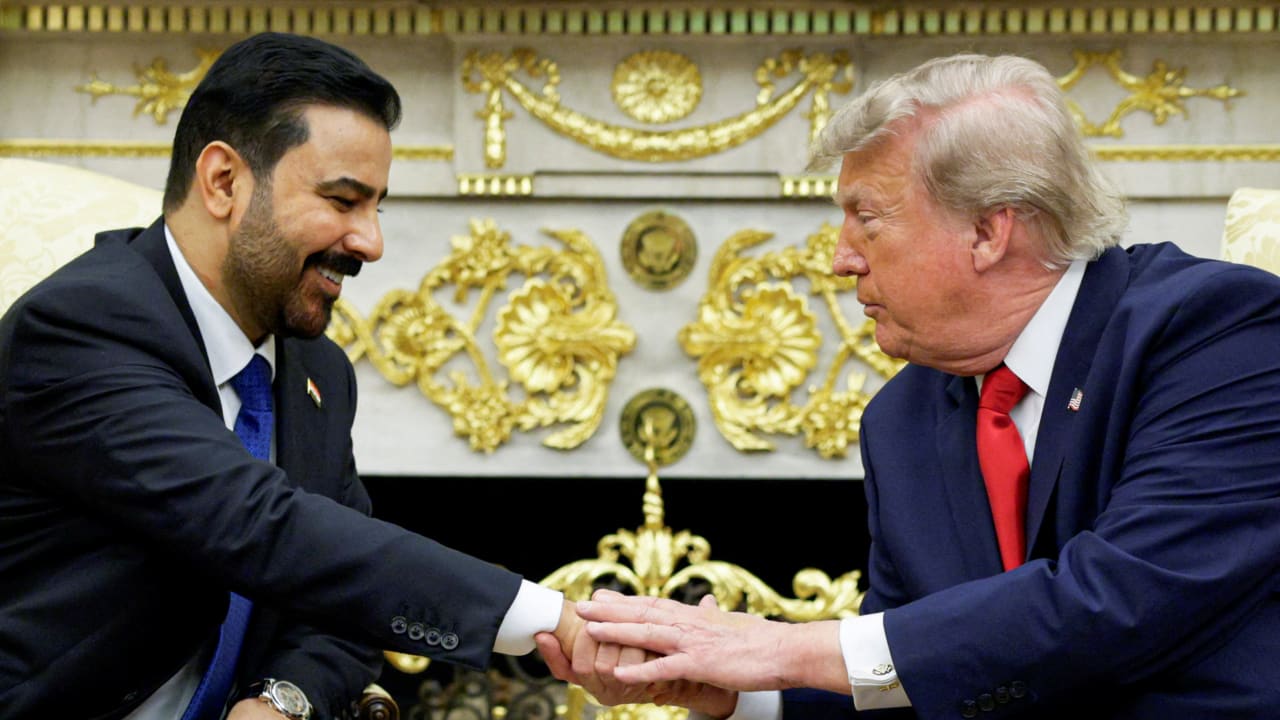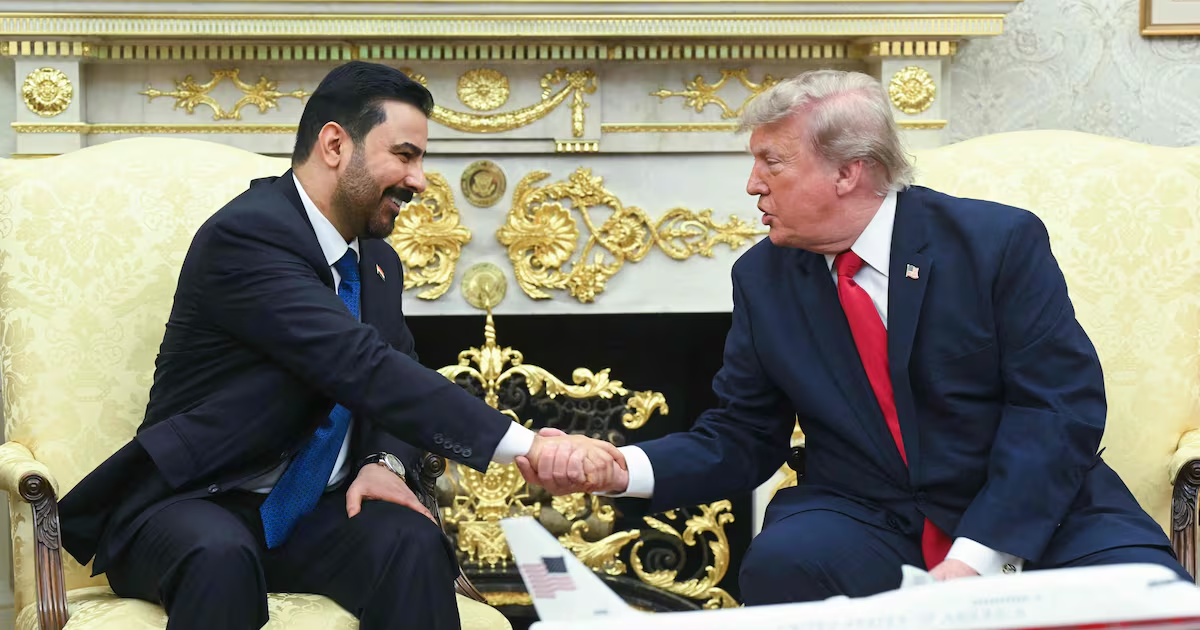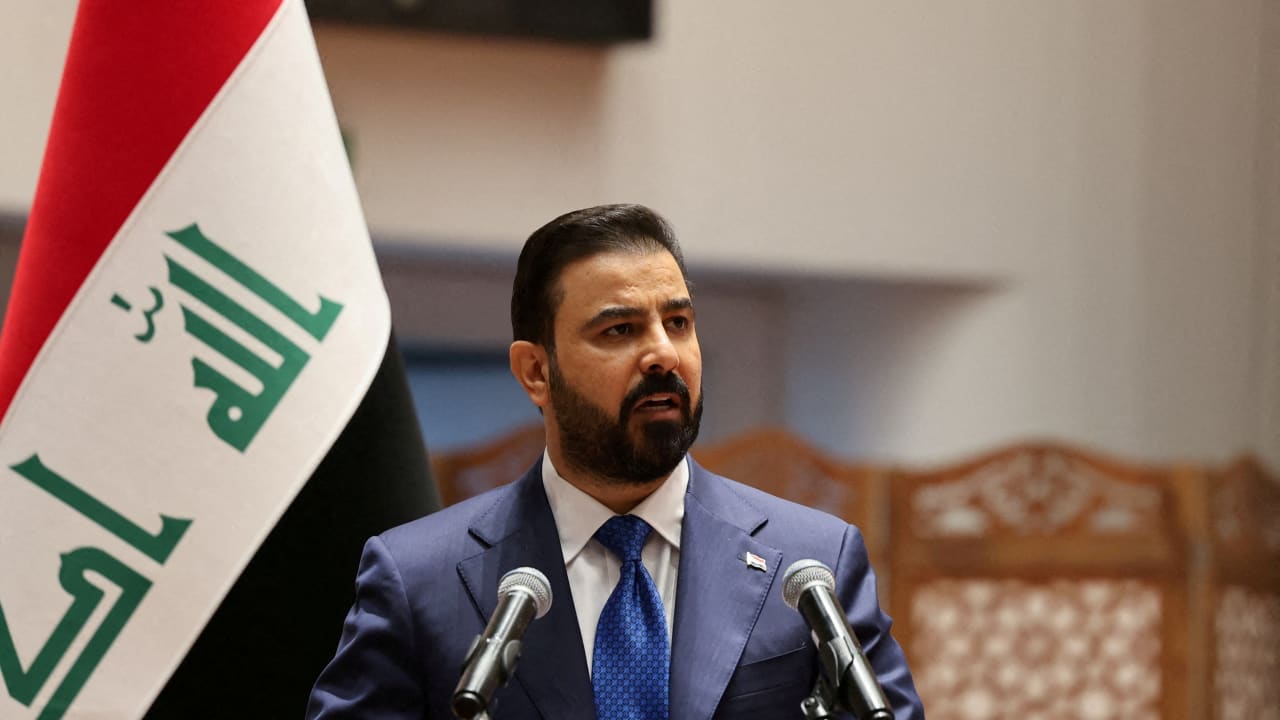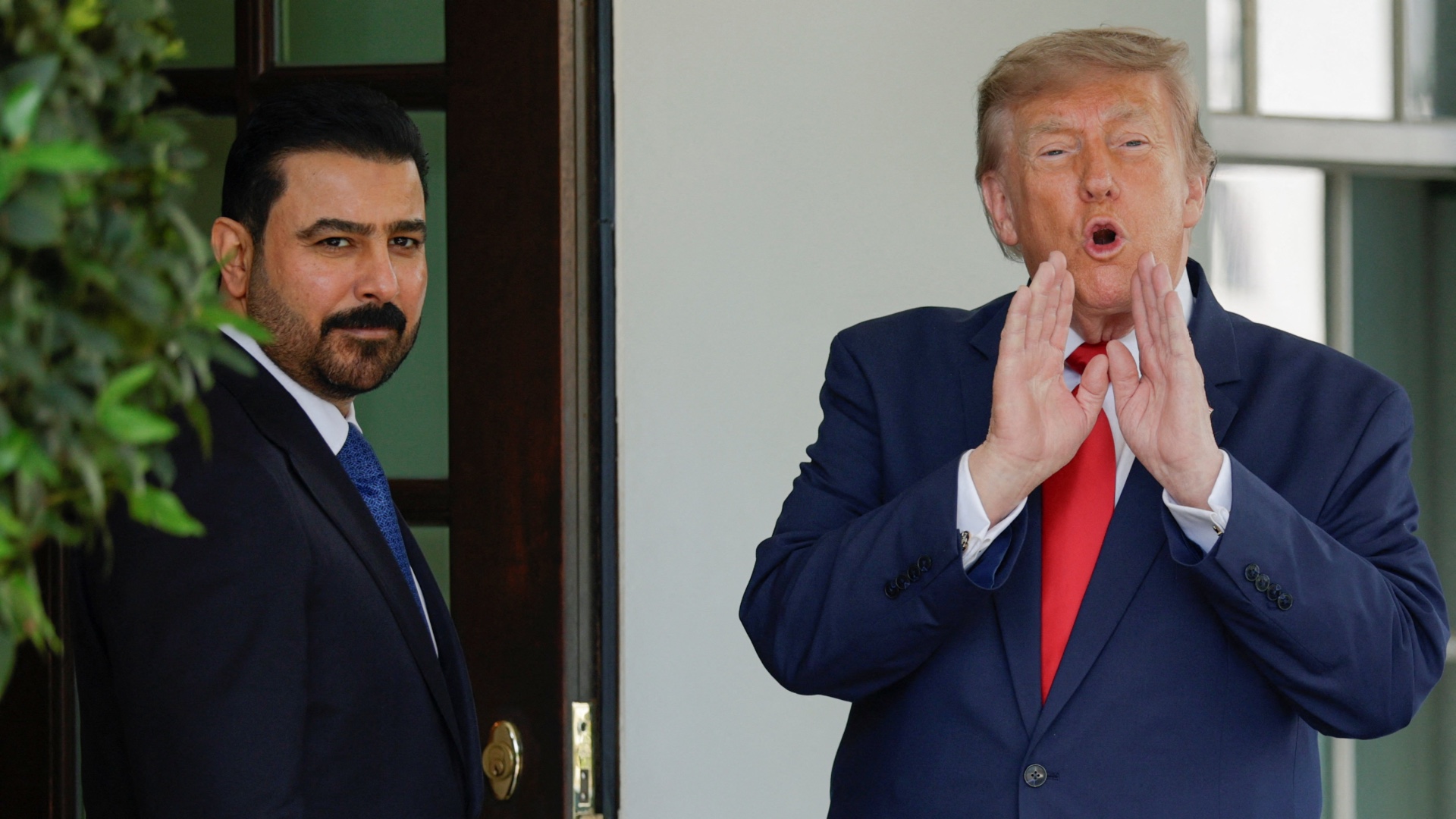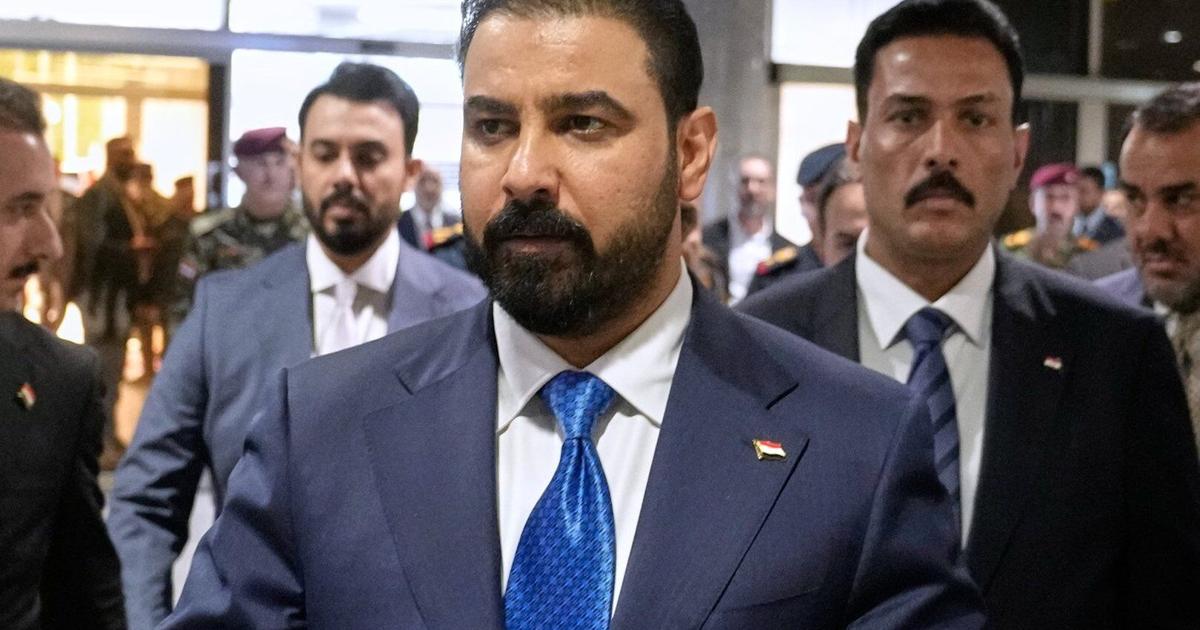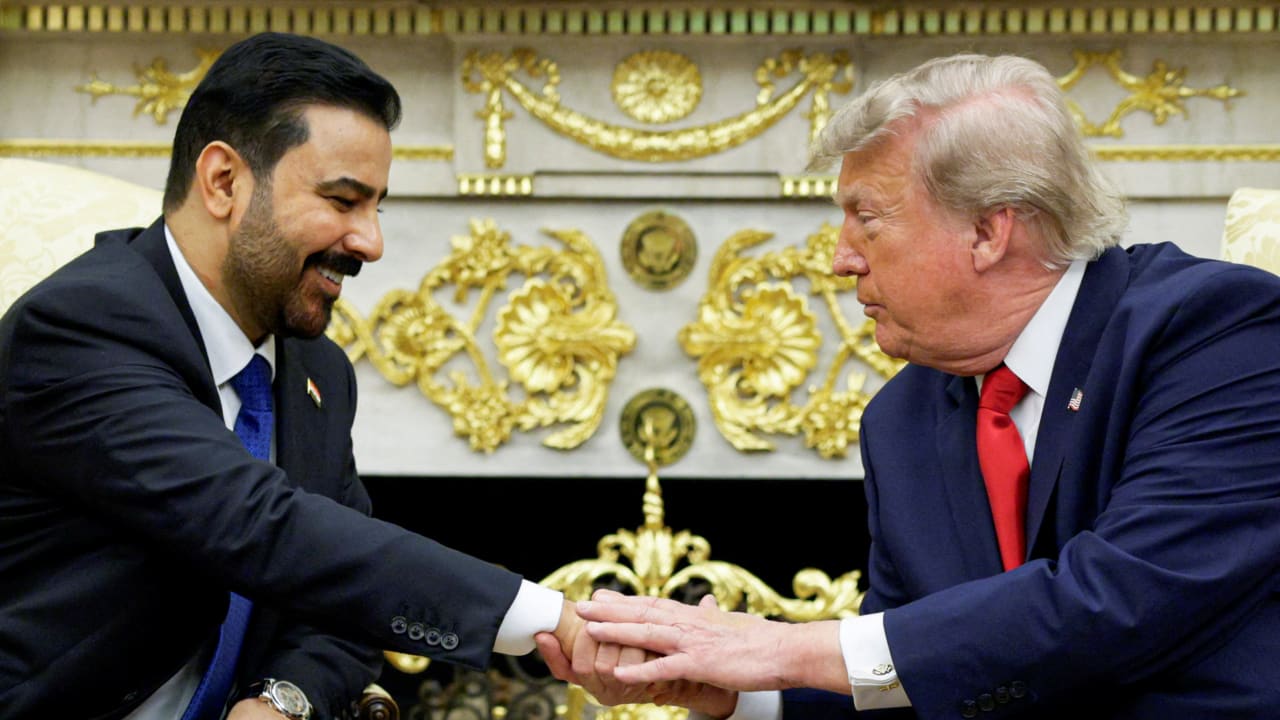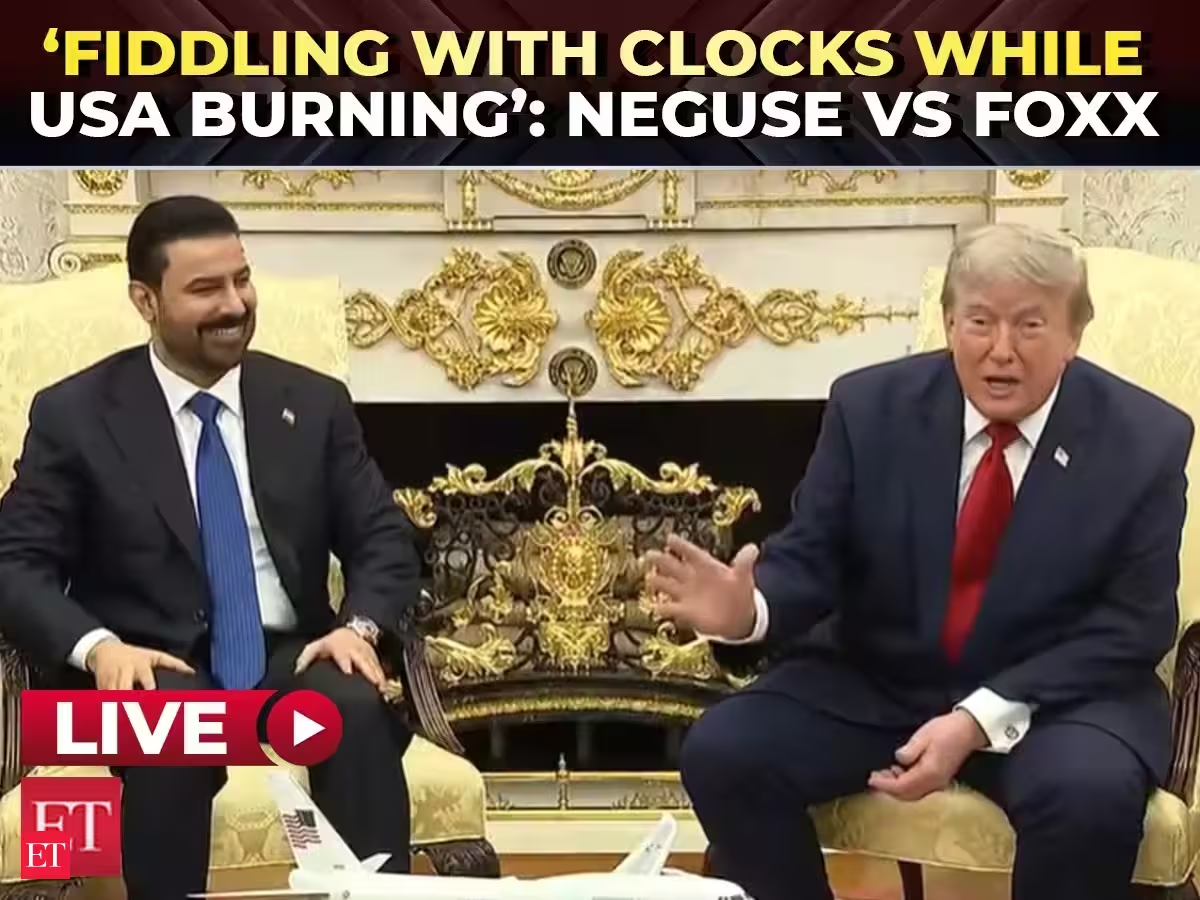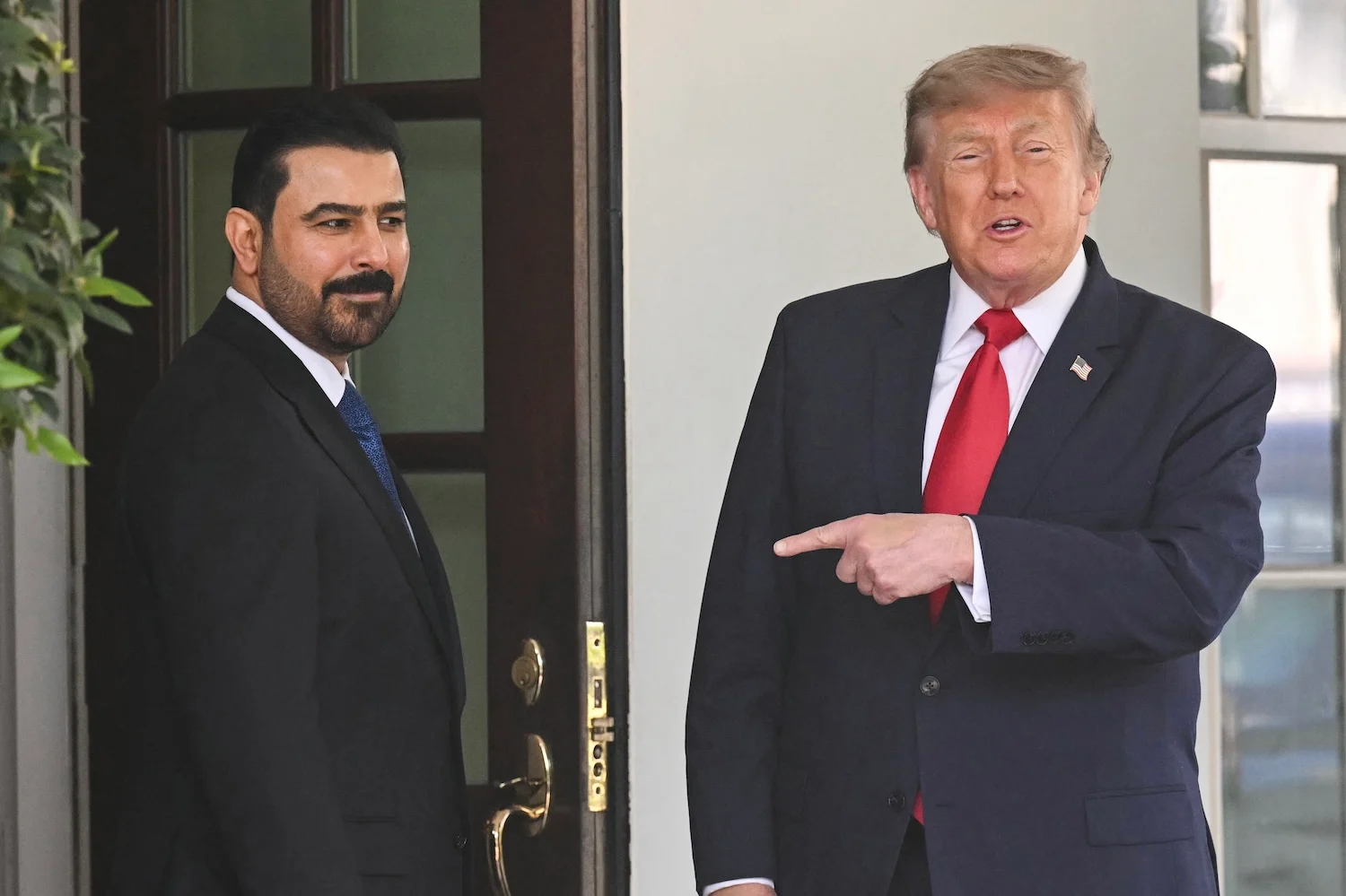
Standing beside Iraq’s new prime minister at the Oval Office in mid-July, U.S. President Donald Trump was effusive. Ali al-Zaidi had “tremendous chemistry” with him, Trump declared, going on to imply he was “good for America.” Then—twice in the space of a few minutes—Trump said Zaidi was going to be there “for a long time.” Iraq, Trump added, had “tremendous wealth, not only potential.” The president also joked that his guest was “young, and he’s handsome, which I don’t like.”
The warmth is not incidental. It reflects an emerging U.S. approach to the Levant, cultivated above all by Trump’s envoy and longtime friend Tom Barrack: Identify leaders who can centralize state power, back them personally, and then count on them to serve U.S. interests by pushing back against Iranian influence and opening their economies to American business.
Where recent U.S. governments often spoke of power sharing and negotiated political settlements when discussing Middle East governance, the Trump administration is openly wagering on strongmen. Zaidi is not an isolated case. Earlier in the summer, Trump met with Syrian President Ahmed al-Sharaa on the sidelines of the NATO summit. Saying that Syria had been “a very disjointed place,” he praised Sharaa for having “unified the country in a very short period of time.” Sharaa, Trump said, was “a strong person” and “a great leader.”