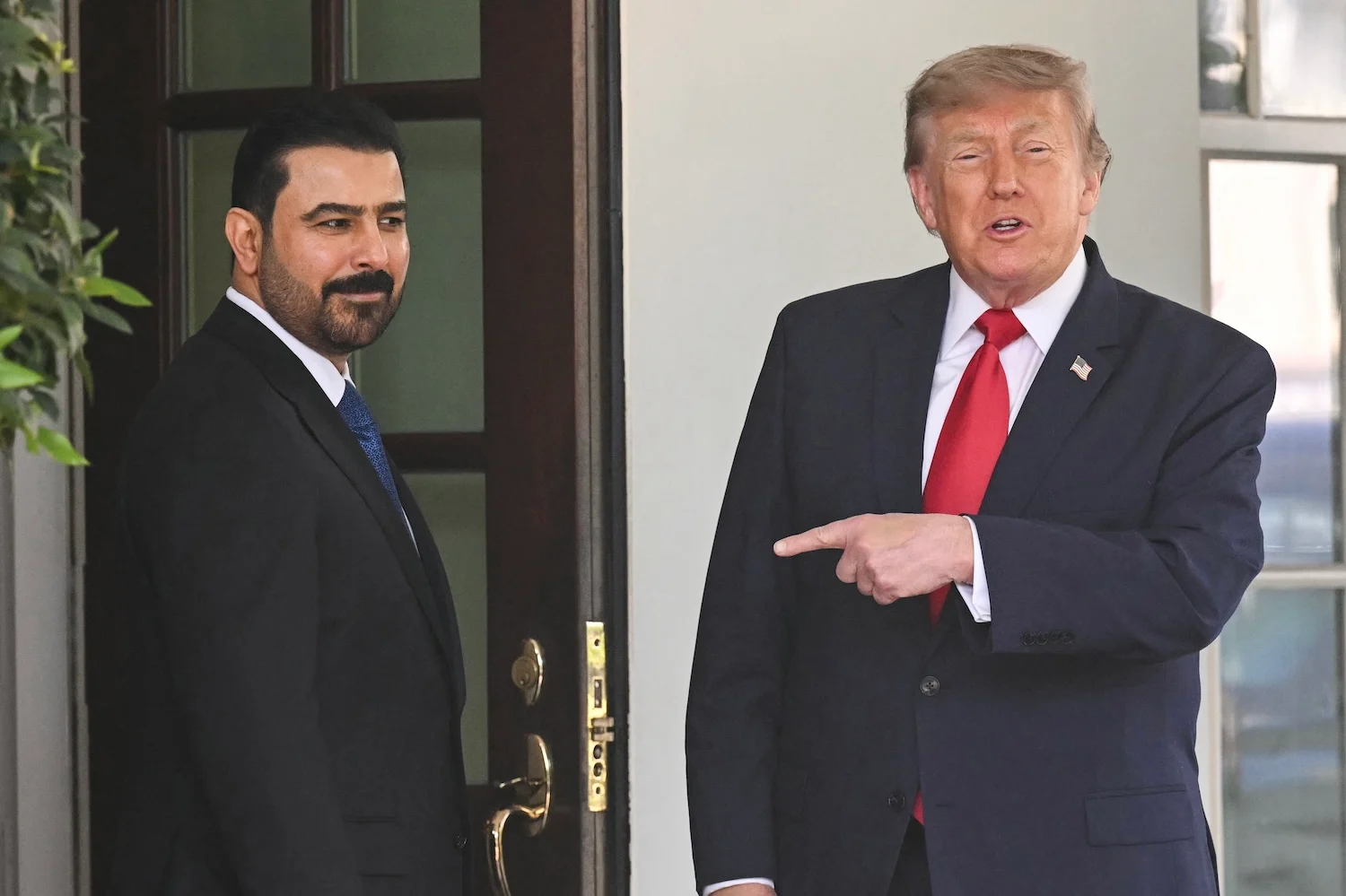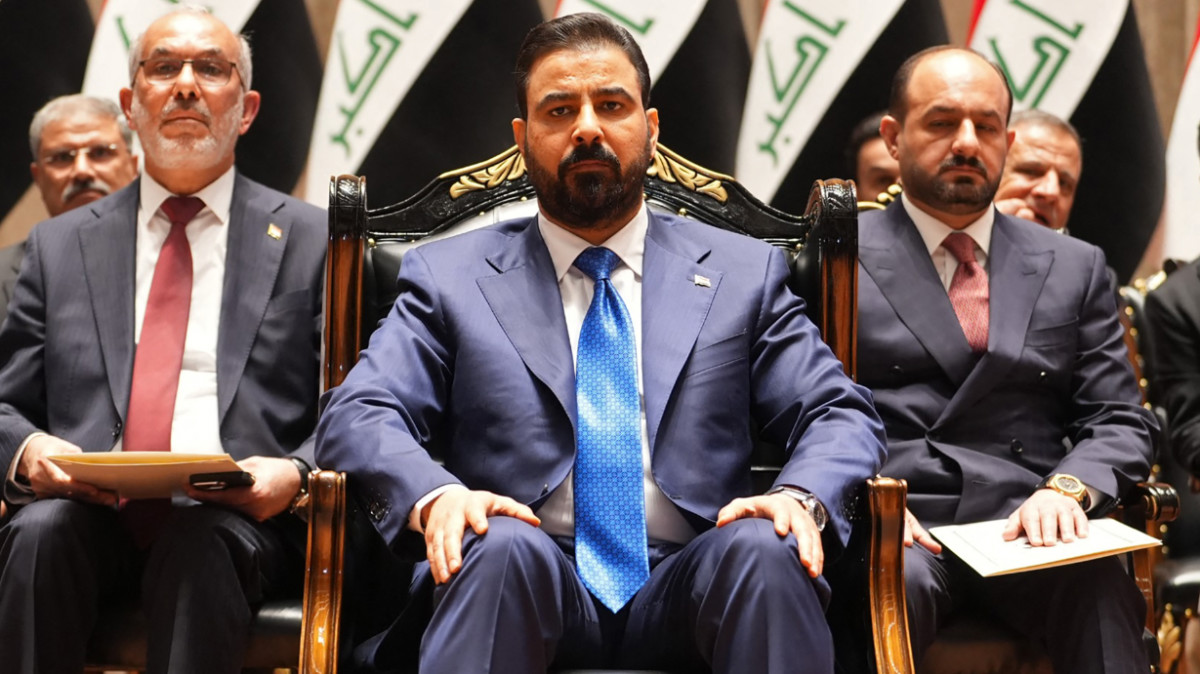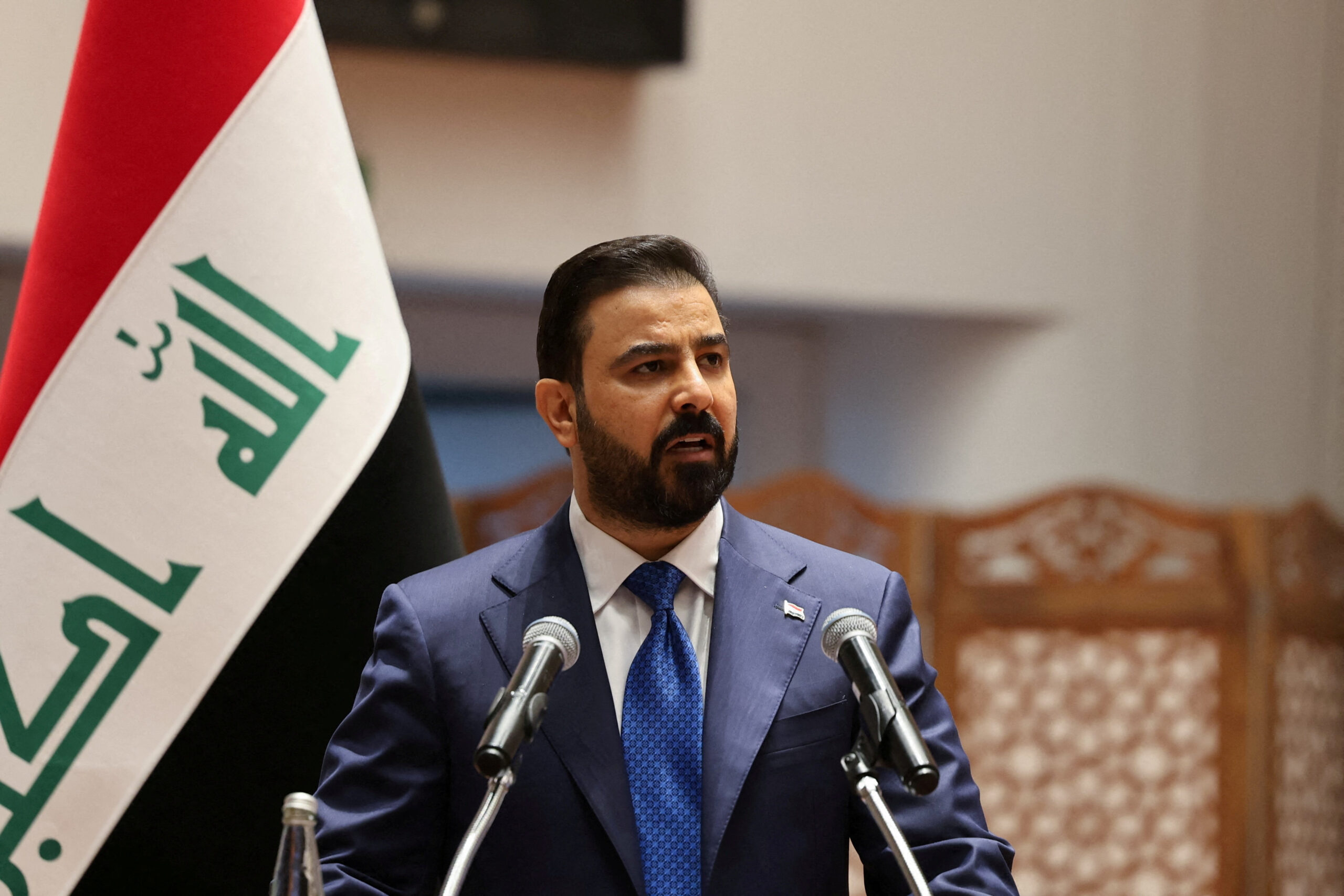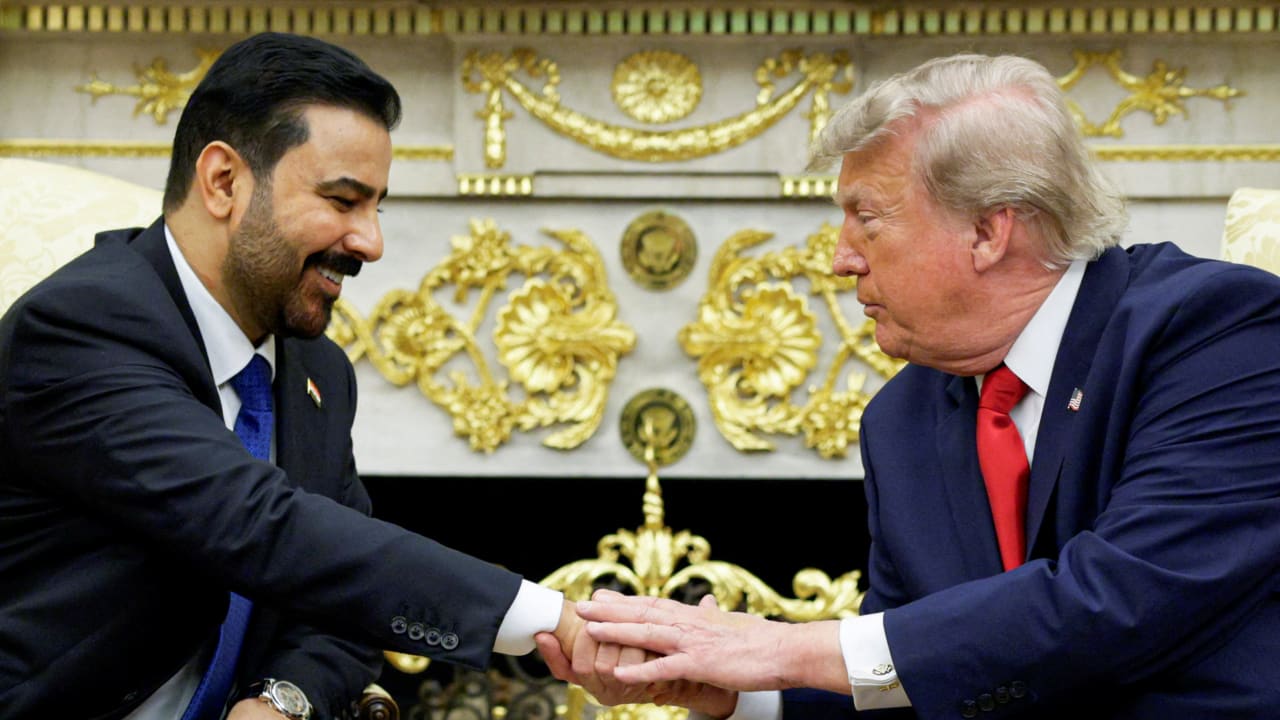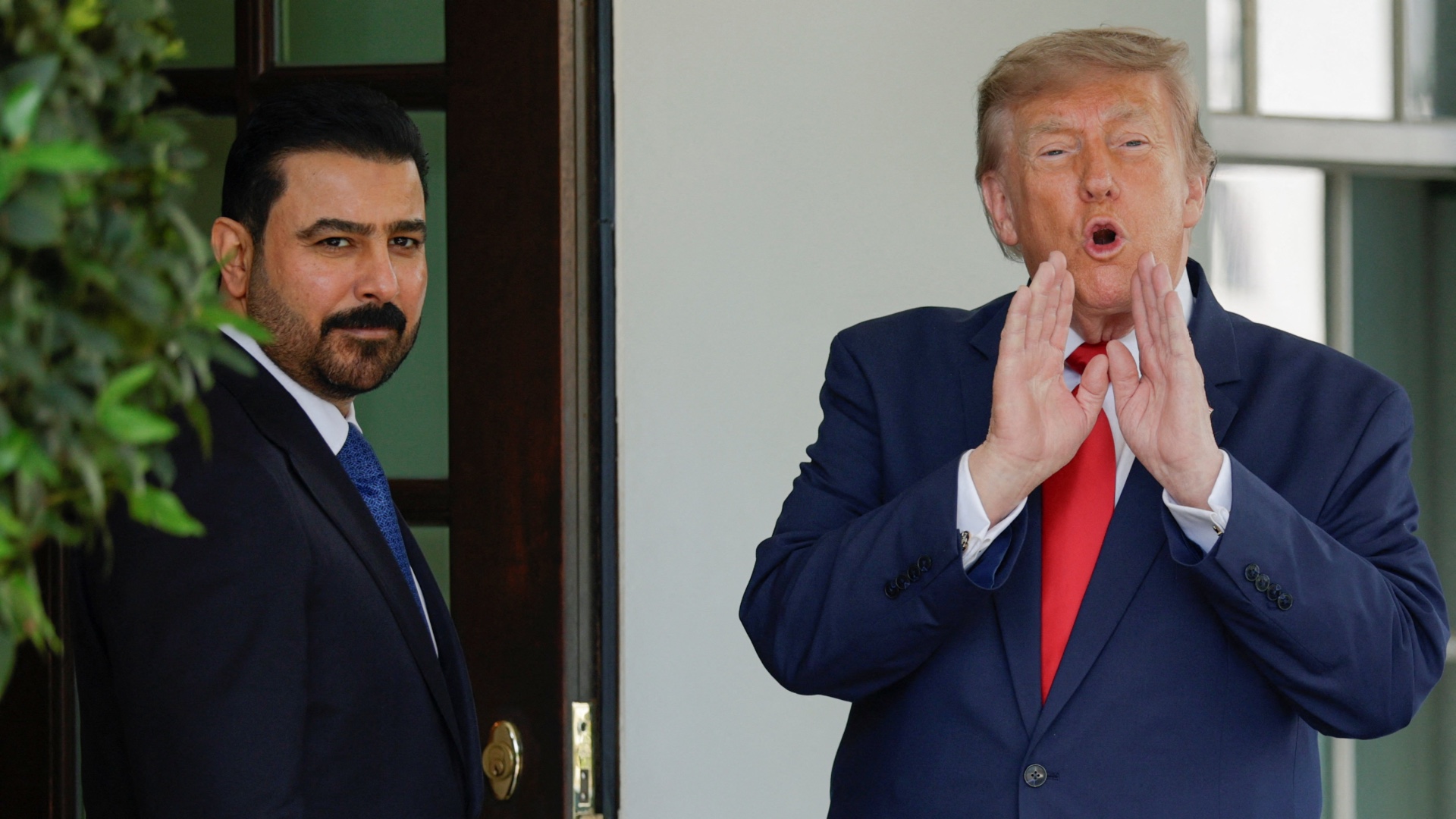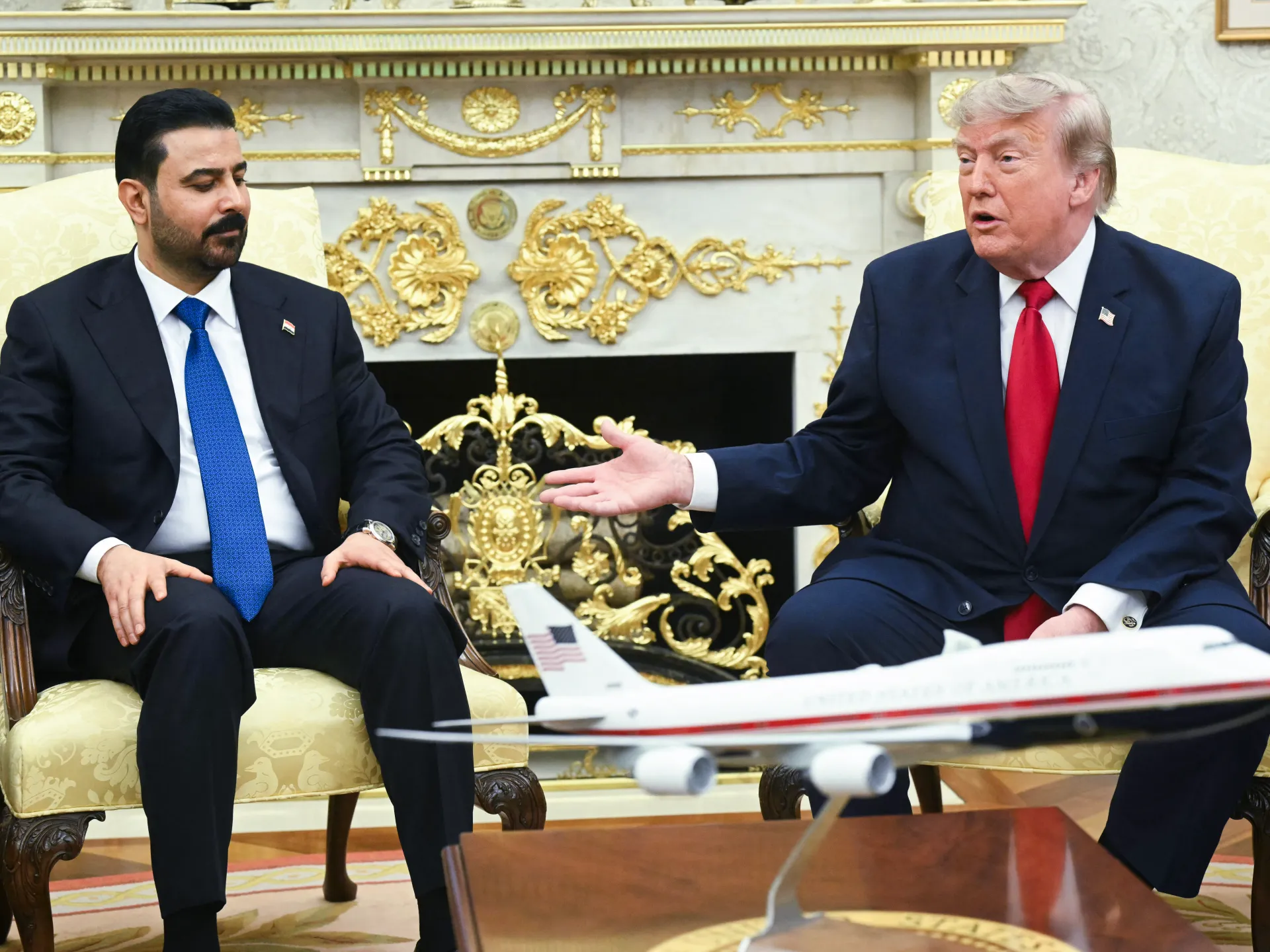
DUBAI: On April 30, US President Donald Trump congratulated Ali Al-Zaidi on his nomination to be next prime minister of Iraq, saying that he hoped the new leader would lead his country in a renewal of its relationship with the US.
“We look forward to a strong, vibrant, and highly productive new relationship between Iraq and the United States,” Trump said in a post on Truth Social.
It was the latest communication from the US president highlighting a relationship that has for decades been viewed through conflict, and more recently has become a focal point of the US conflict with Iran.
Iraq’s geopolitical position, wedged between Tehran and Washington, strategically, militarily and politically is seen by some as an asset but has caused others in the halls of Congress to question whether US interests continue to be served through its patronage.
Iraq has evolved into a central battleground where Washington and Tehran compete for regional dominance. While the US provided the framework for the post-Saddam Hussein political order and remains a critical security partner through the 2008 Strategic Framework Agreement, Tehran has successfully exploited the resulting power vacuum to exert a chokehold over Iraqi decision-making.