Subsidising high fossil-fuel prices is not sustainable, says Finance vice-minister
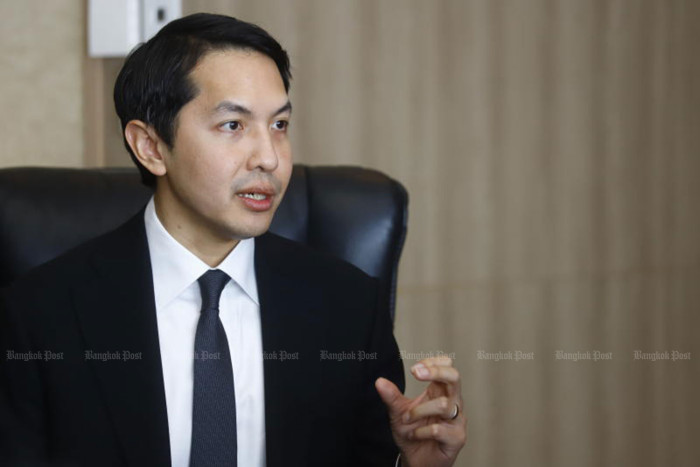
Santitarn Sathirathai, a vice-minister of Finance, says a “three-wave” economic cycle, culminating in weakened consumption and investment, could re-emerge if oil prices continue rising. (Photo: Nutthawat Wichieanbut)
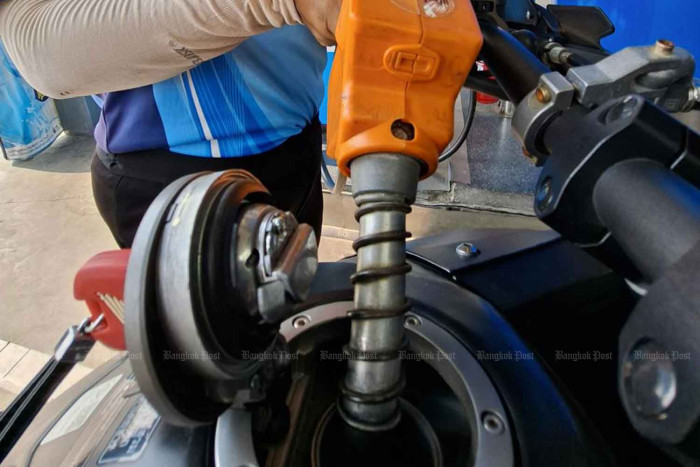
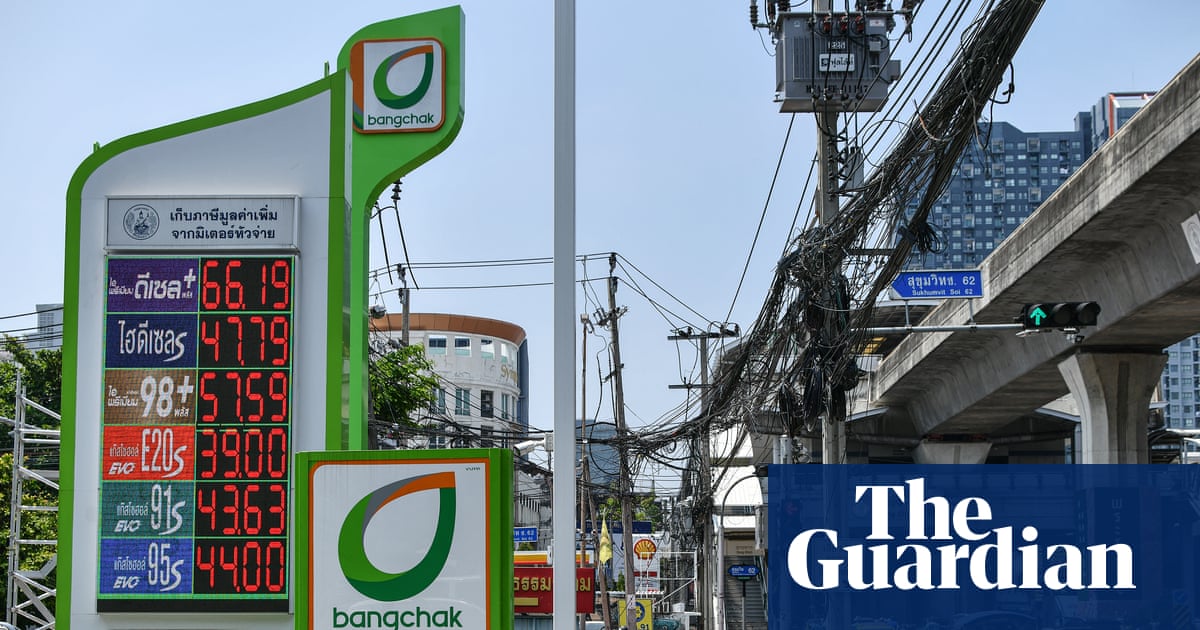
Thailand faces growing risks of another surge in global oil prices as geopolitical tensions in the Middle East threaten energy supplies, highlighting the urgent need to accelerate the country’s transition to clean energy, vice-Finance Minister Santitarn Sathirathai said on Friday.Addressing a conference on Capital Markets co-hosted by the Securities and Exchange Commission and the Stock Exchange of Thailand, Mr Santitarn said government measures such as the Oil Fuel Fund can help cushion the immediate impact on consumers, but relying on price subsidies is not a sustainable long-term strategy.
Instead, he sees an accelerated energy transition could permanently reduce costs for households and businesses while strengthening national energy security.
Mr Santitarn said uncertainty has become the new normal as conflicts in the Middle East continue to threaten critical energy supply routes, including the Strait of Hormuz and the Red Sea.