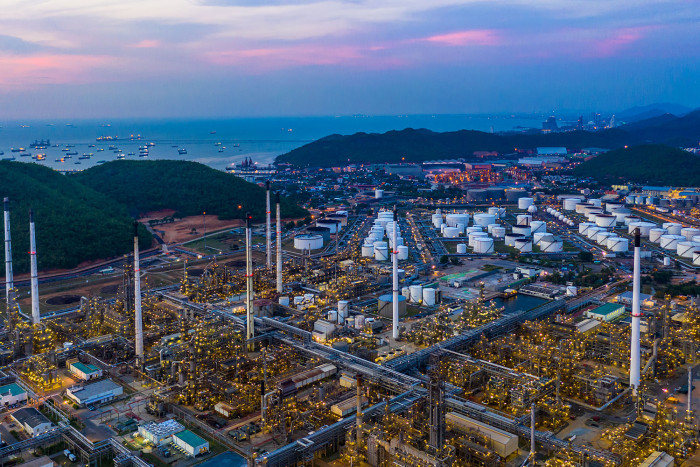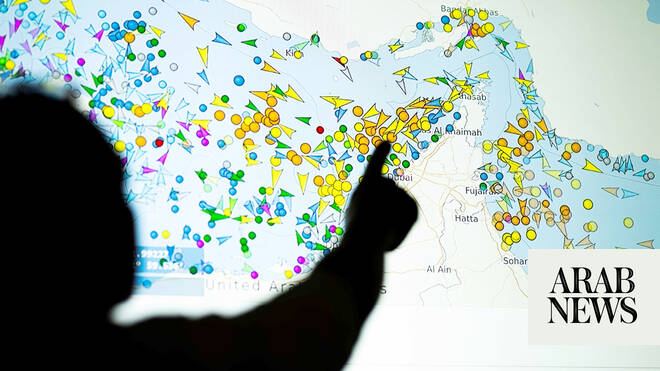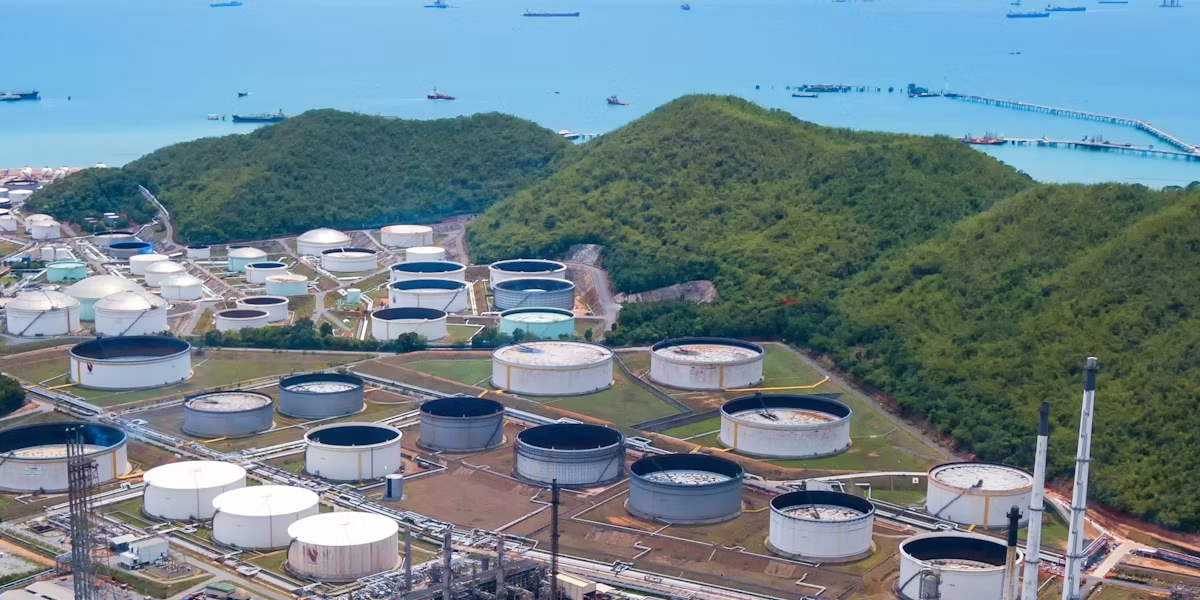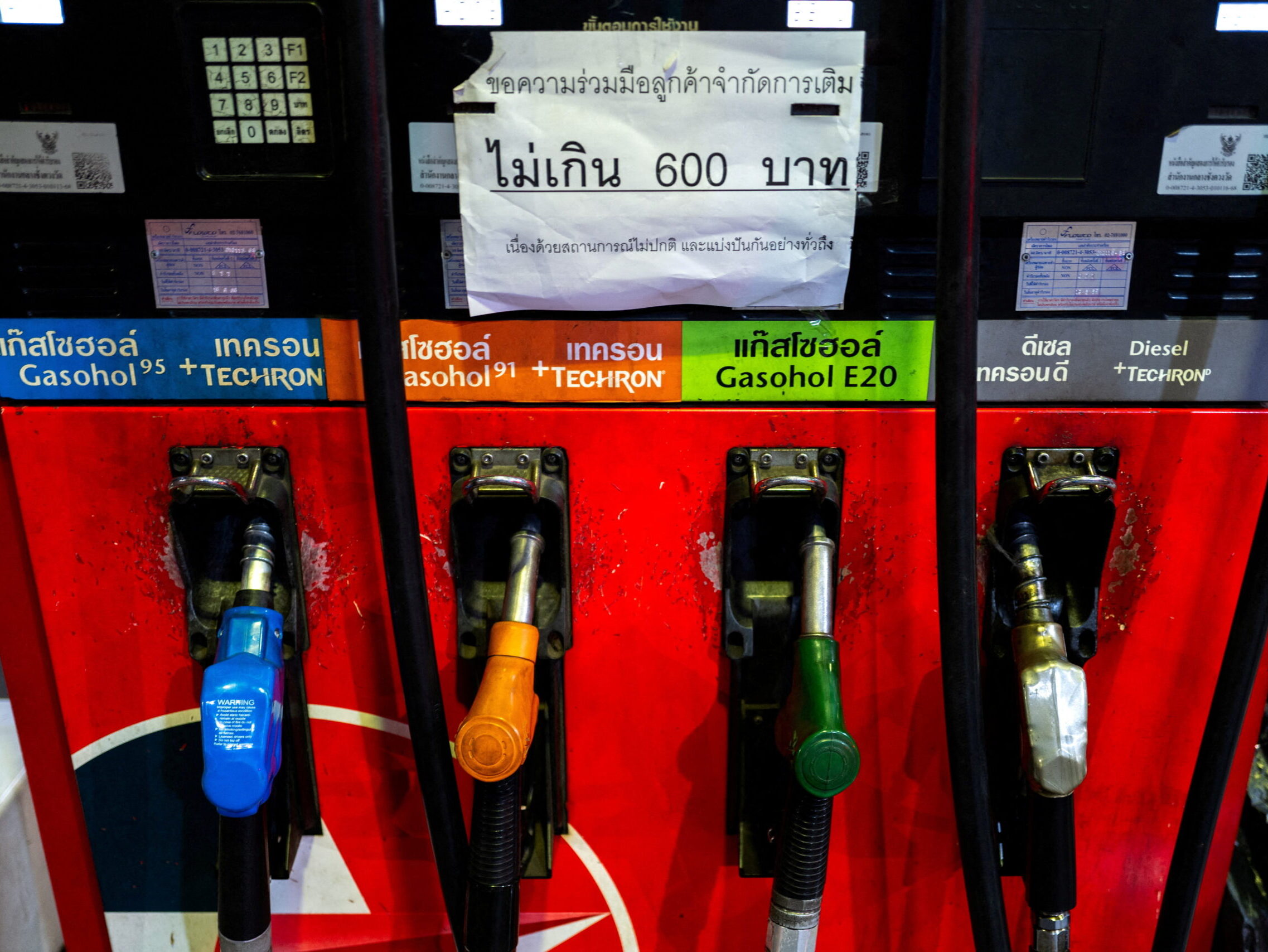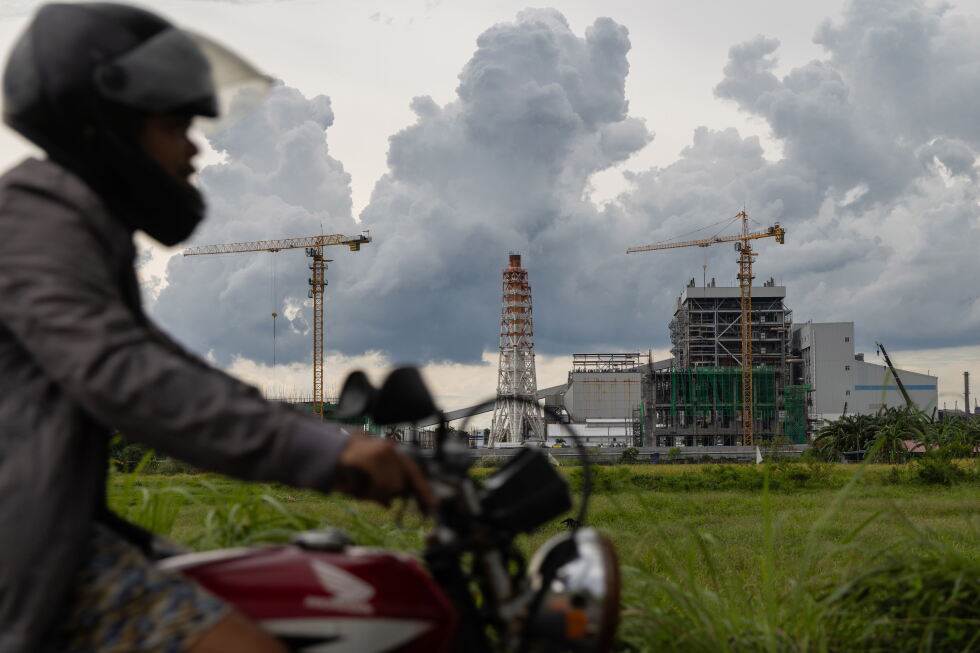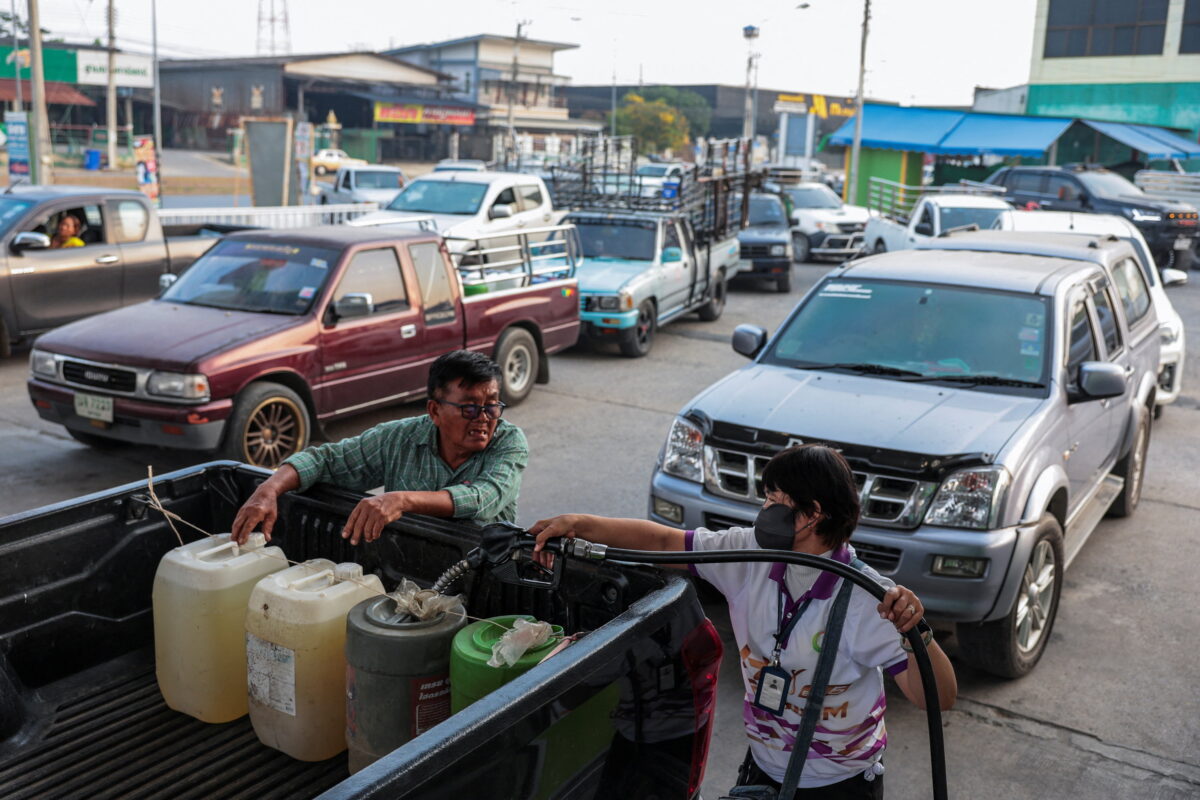
The 2026 US–Israel war on Iran and the closure of the Strait of Hormuz are posing an unprecedented challenge to Thailand’s energy security and economy. While the country has contained the immediate economic fallout to some extent, the crisis highlights the need for a coherent long-term strategy to diversify supply chains, strengthen energy security and accelerate economic restructuring.
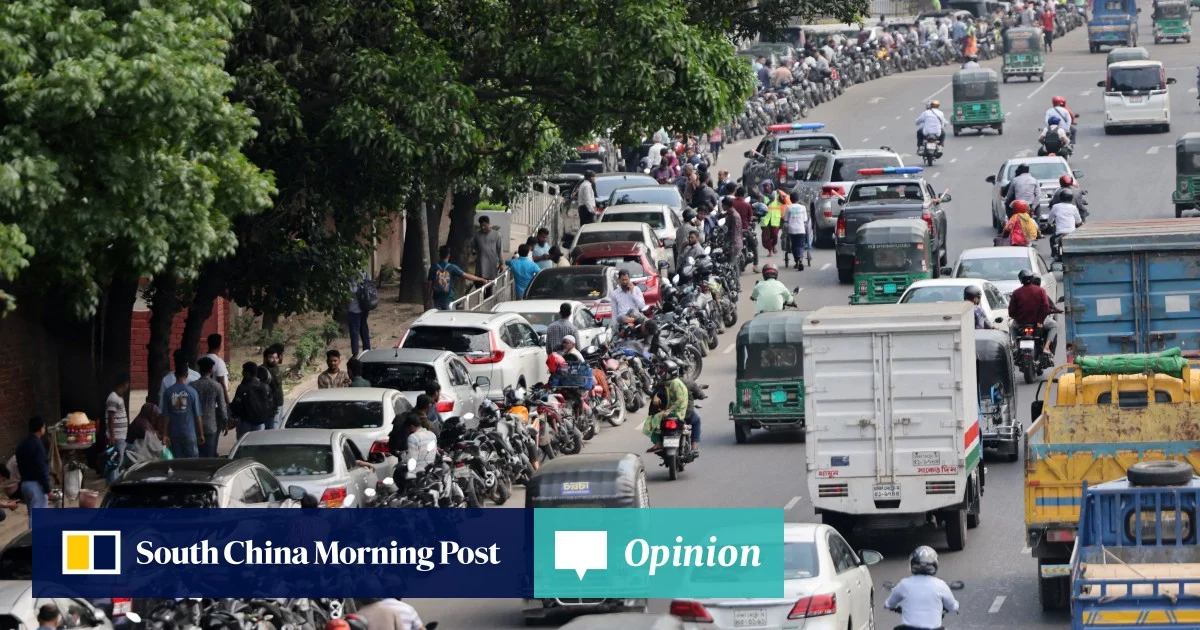
Thailand has been historically reliant on Middle Eastern oil, gas and fertilisers, with approximately 60 per cent of its crude oil imports, 90 per cent of light oils, 70 per cent of urea and 28 per cent of natural gas originating from the Middle East. Retail oil prices rose by roughly 34 per cent on average across all fuel types between January and May 2026, while domestic urea fertiliser prices surged by 50–75 per cent over the same period. Year-on-year consumer and producer price inflation reached 2.4 and 7.2 per cent respectively in June 2026, driven by price increases in transportation and communication, fuel and certain food products including rice, flour, flour products and ready-to-eat food.
Given the unpredictability of a successful agreement between the US and Iran, Thailand’s ability to mitigate the undesirable effects of this external shock most critically depends on the responses of the government and private sector.