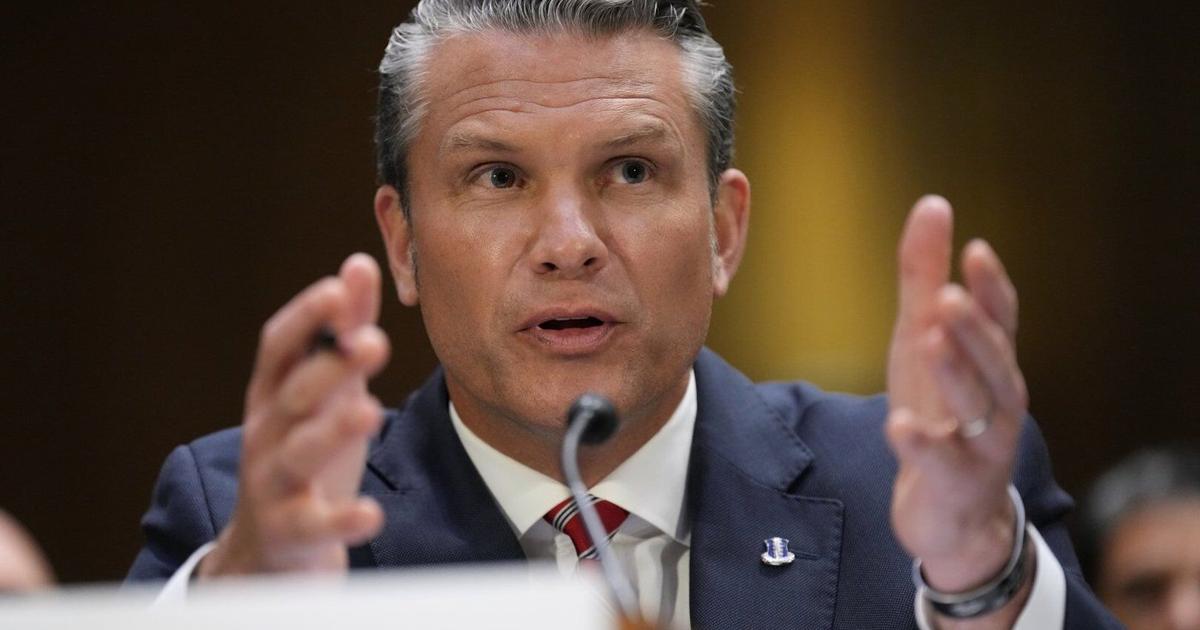
Providing continuing hormone-replacement therapy at “the High-T Department of War,” as Secretary Pete Hegseth is calling it, may prove difficult for the federal government because the department in charge of healthcare for veterans has already documented a struggle to manage service members’ hormone therapy, The Intercept has found.
A person on testosterone therapy can’t just stop it abruptly. Dr. Adrian Dobs, a professor of medicine and oncology at Johns Hopkins University School of Medicine, told The Intercept testosterone therapy can suppress the body’s natural production of the hormone and sperm, as well as create medical needs that persist after treatment stops. “We’re sort of creating a dependency on testosterone,” she said.
Under Hegseth’s new initiative, service members age 30 and older are slated for annual testosterone screening, regardless of whether they have any symptoms, while troops under 30 may request screening during their periodic health assessments. Doctors and endocrinologists warned that this proactive screening could lead to overprescription of hormone-replacement therapy for people who don’t need it. This could affect their fertility in the short term, Dobs said, because “men who take testosterone will have a reduction in their sperm counts.”