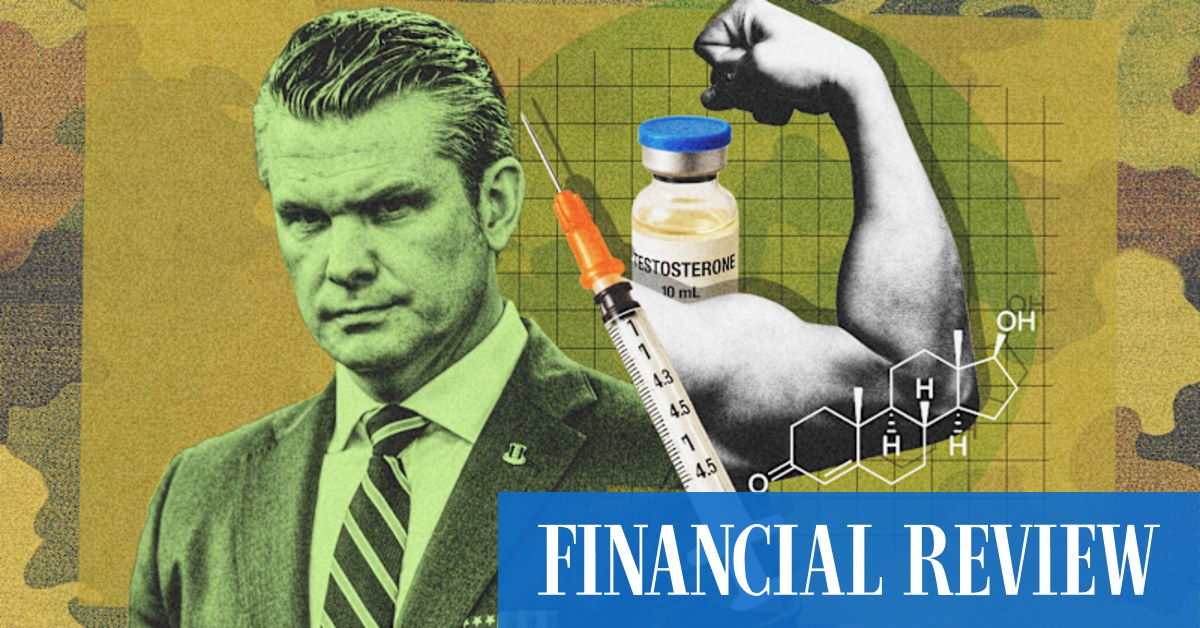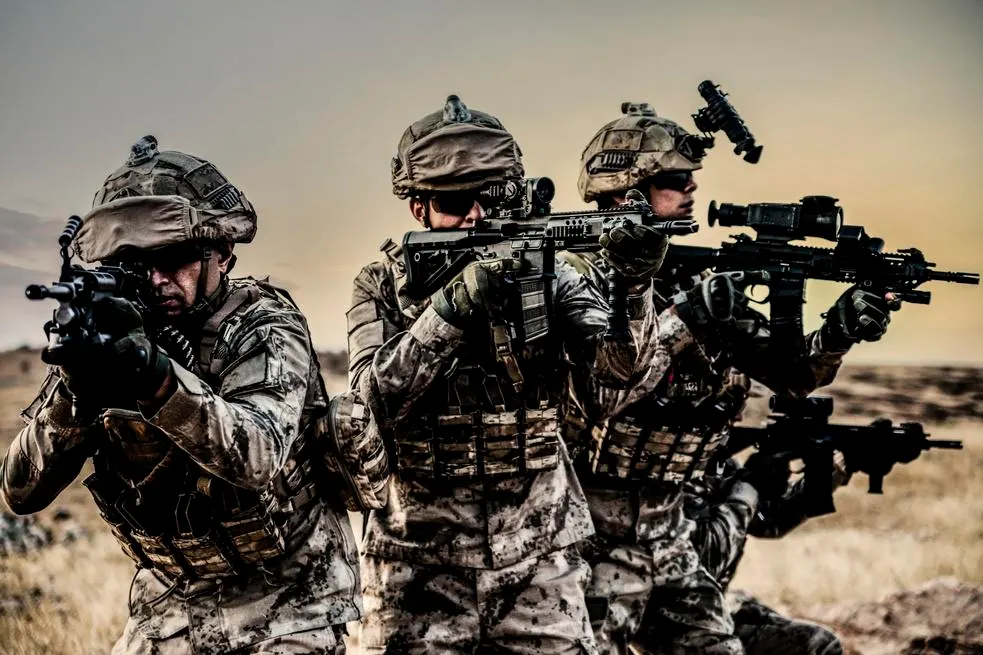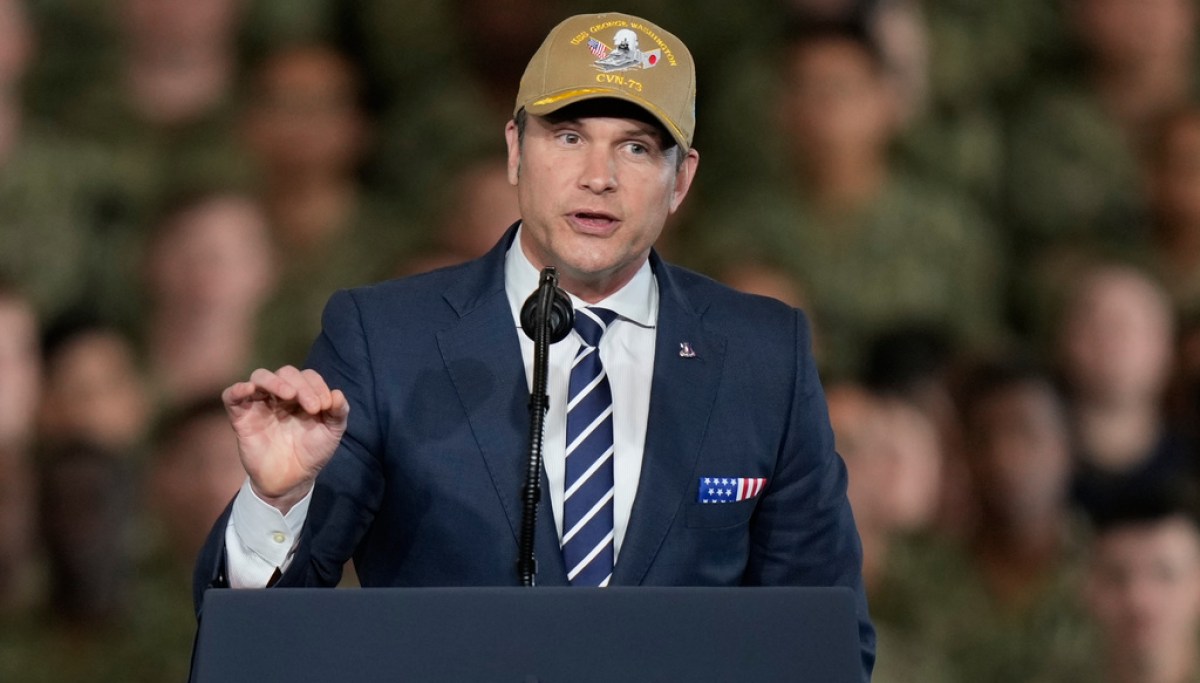
War Secretary Pete Hegseth’s plan to test military service members for low testosterone may be useful for helping special operations forces strengthen and recover from intense combat.Medical experts familiar with the toll of military service are cautiously optimistic that Hegseth’s “High-T military program” announced this month could be beneficial for the unique health conditions facing elite special forces, such as Navy SEALs and Green Berets.The plan, as outlined by the secretary, includes adding testosterone screening to annual physicals for service members over age 30 and offering optional testosterone replacement therapy when needed. Younger service members can voluntarily request testosterone screening during their mandatory physicals as well.
Hegseth’s memo on the policy says the new protocol comes from the department’s broader goal of addressing a condition commonly known as “Operator Syndrome,” a collection of symptoms experienced by special forces personnel due to the intense physiological stress experienced in combat. Symptoms of Operator Syndrome include sleep disturbances, chronic pain, anxiety, depression, and hypogonadism, the medical name for “low-T.” The American Urological Association defines hypogonadism as having a total serum testosterone level of less than 300 nanograms per deciliter and physical symptoms that negatively impact quality of life.“Operator Syndrome represents a unique convergence of health challenges that require proactive clinical intervention,” Hegseth’s memo reads. The program, however, is not solely directed toward the roughly 70,000 personnel in the U.S. Special Operations Command but rather across the entire military as part of the department’s Total Force Fitness initiative. Hegseth’s memo says, “Applying lessons learned from treating Operator Syndrome across the Total Force including target testosterone therapy directly optimizes Warfighter readiness.”While the bulk of the initiative appears to be aimed at maximizing the lethality of the fighting force, Hegseth also sees the program as improving the comprehensive wellness of the individual service member: “Taking care of your long-term health means ensuring you remain strong, resilient, and capable-not just for your next deployment, but for the rest of your life, so you can thrive long after you take off the uniform.”The Pentagon denied the Washington Examiner’s request for an interview with a health policymaker within the military on the new policy. Several outside experts who spoke with the Washington Examiner expressed concern about testosterone testing for the entirety of the military force, but were enthusiastic about treating those with severe symptoms of Operator Syndrome. Dr. Chris Freuh, clinical psychologist at the University of Hawaii and a specialist in the conditions of elite operators, told the Washington Examiner he sees potential in the new program, but that the details would matter.“It all depends on how this is medically handled,” Freuh said. “If it’s handled appropriately, then it’s about treating hypogonadism, which will have the benefits of optimizing performance as well as long-term health.”