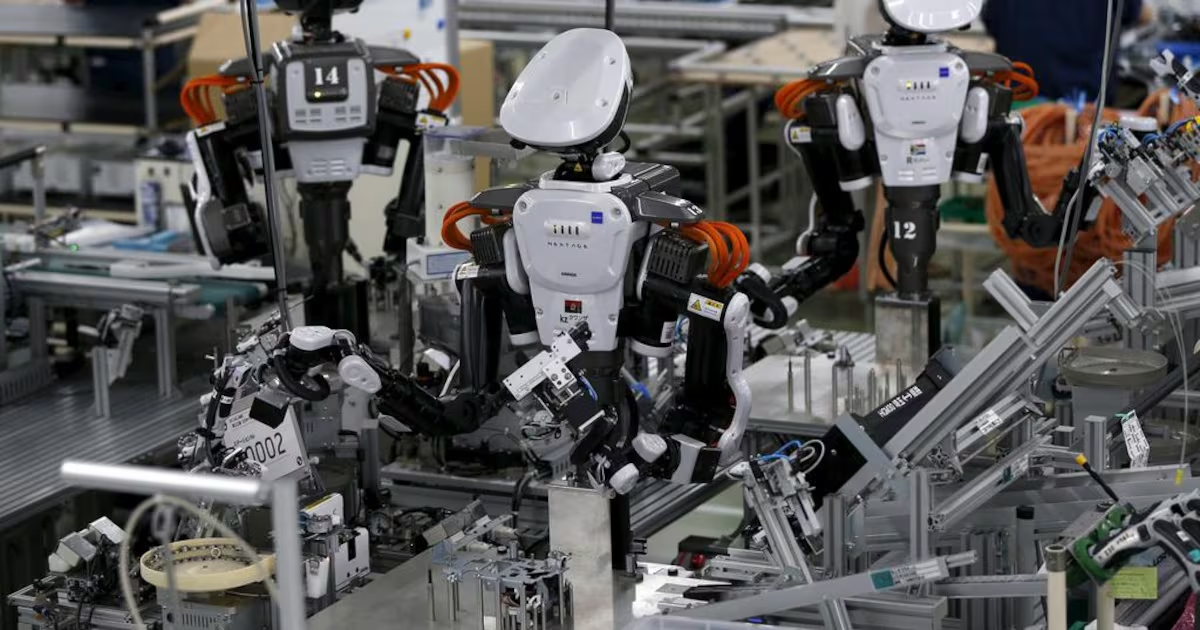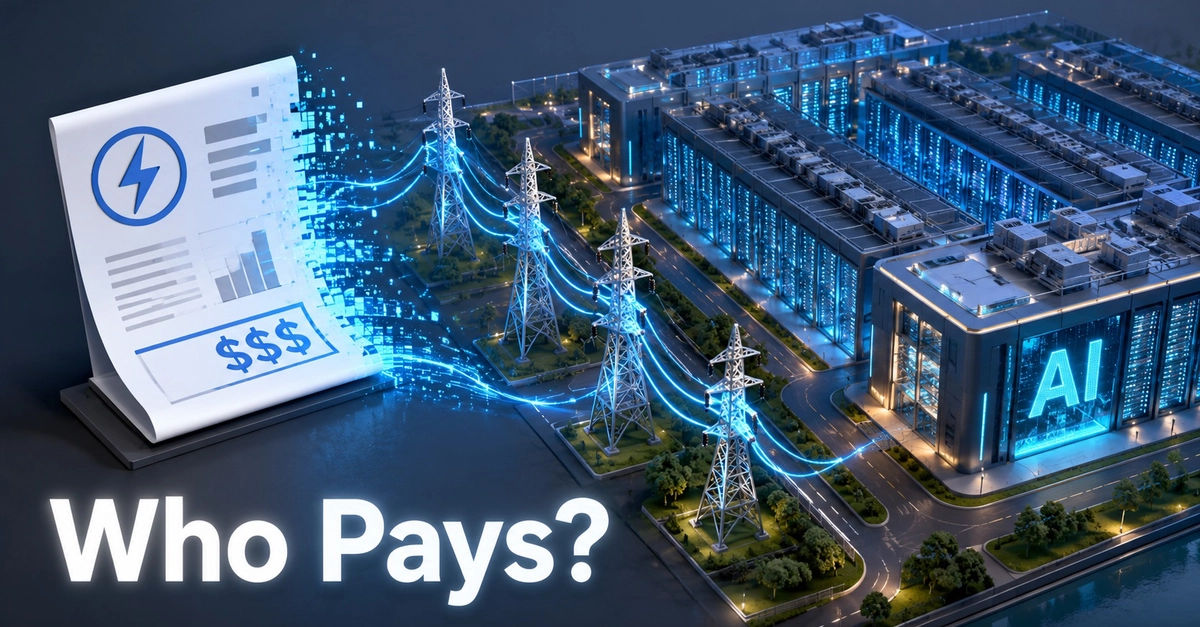
AI is embedded in everyday technologies at low or no cost to most users, but it isn’t free. As AI proliferates, so do its demands on electricity and water resources, along with broader societal challenges such as labor market disruption, privacy concerns, environmental degradation, and the spread of misinformation. Some of these hidden costs are already landing on the public. These costs are on the rise, but affected communities may not be on the hook forever.
New research from Carnegie Mellon University’s Department of Engineering and Public Policy (EPP) offers a dependable way to mitigate these costs through the tax code. In recently published work, Juliette Faivre, and incoming Ph.D. student, and Sarah H. Cen, assistant professor of EPP and electrical and computer engineering analyze how targeted taxation could promote more socially responsible AI operations.
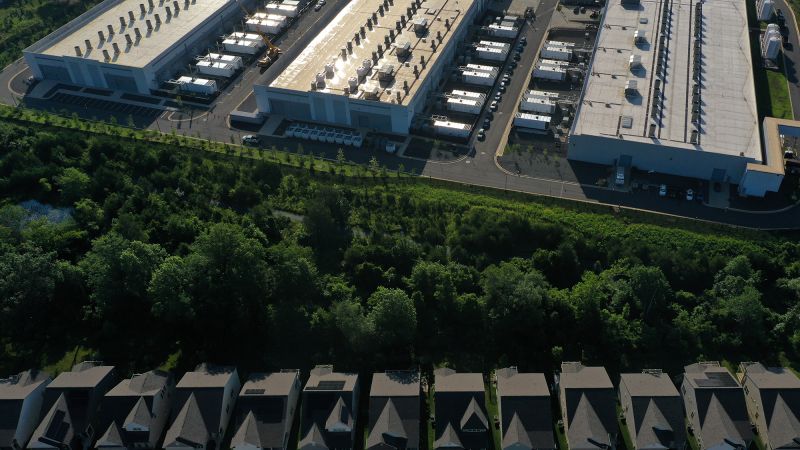
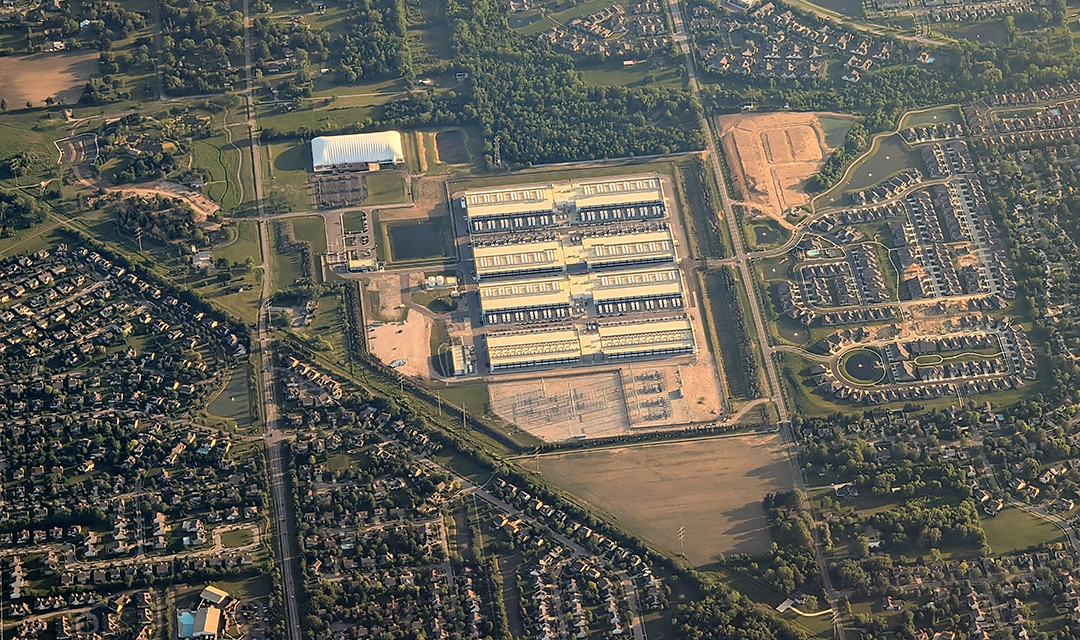
They point out a fundamental inequity: the appetite for AI is broad and diffuse, but its consequences burden specific, localized communities. Neighborhoods that host data centers have experienced water supply interruptions. AEP Ohio, the power company serving Ohio’s data center corridor, told customers to expect monthly electricity bills to climb by $27—a rate hike attributed in part to the soaring needs of the nearby tech facilities. Residents experience utility strain and increasing cost regardless of personal use.