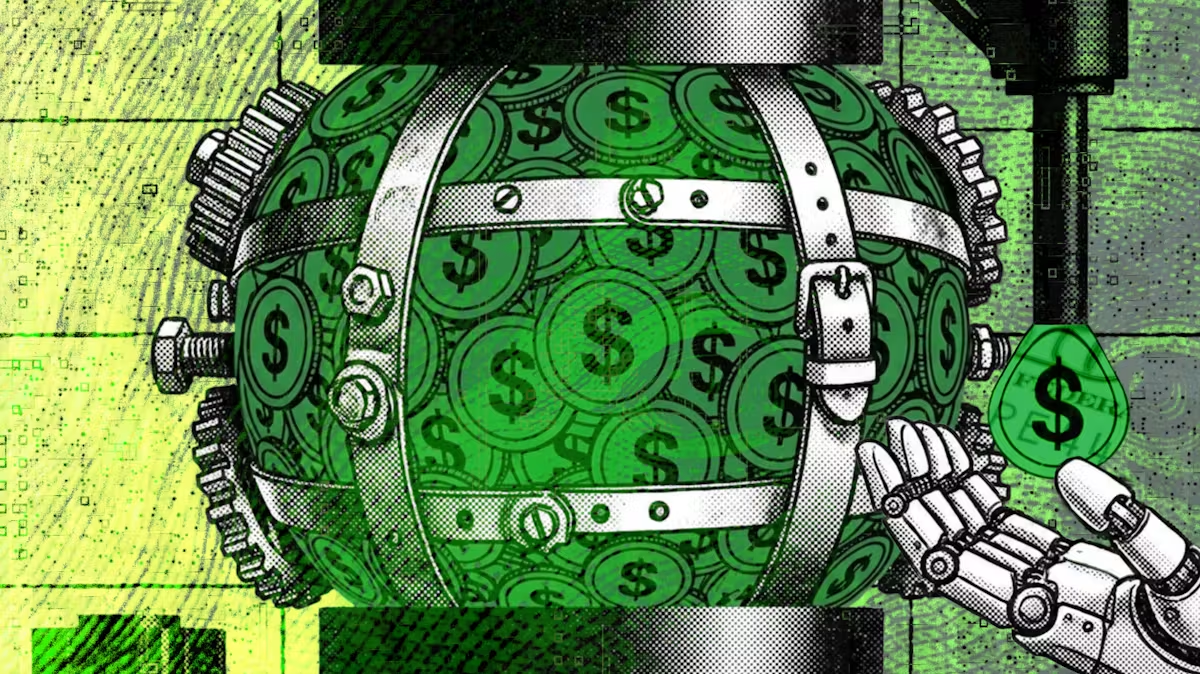
SynopsisCompanies are now understanding the real costs of AI. This is leading to smarter use and better cost management. Clients paying for AI helps regulate its growth. Investors are rushing into AI IPOs, but these are highly priced. The market will separate good AI ideas from bad ones. Smart budgeting is key as AI costs fall but usage rises.Transfer energy, computing costs to consumersCompanies using AI are beginning to appreciate the costs involved. They are either rationing its use, or deploying it to optimise costs between hiring human workers and digital agents. This turn of events is welcome. Asking clients to pay for the technology they use regulates its development and commercial deployment. When investors pick up the tab, they tend to be less discerning among the good ideas and the bad. The energy and computing costs of AI must be transferred to consumers as demand picks up in order to avoid runaway growth in capacity. Enterprise clients of AI developers will have to make the transition to a structured use of tokens so that results show up in productivity metrics.The cost of AI, like any technology that preceded it, is declining at prodigious rates. More efficient models are pushing down the cost of producing a unit of intelligence. Open source models and higher-efficiency small models are contributing to a fierce price war. Yet, AI bills are climbing because clients do not know how to extract intelligence efficiently, are not clear about the context needed, and have allowed liberal access. This behaviour will change as companies get better at deploying AI. The trick is to budget for declining costs that are more than offset by a rise in consumption.Consumers alone will not pick up the AI bill. Investors are in a tearing hurry to get in on the action. A series of giant IPOs lined up this year will give them an additional opportunity to climb on the wagon. But these listings are priced at levels that do not leave much on the table for new investors. They also come tied with big governance carveouts. Essentially, investors are being asked to bet on individuals, rather than the technology that is shaping up. The competitive intensity will leave some investors holding on to seriously overvalued stocks. Not all AI bets are likely to pay off. In other words, the wheat will be separated from the chaff, and knowing which is which will be helpful at this crucial stage. ...moreElevate your knowledge and leadership skills at a cost cheaper than your daily tea.Subscribe Now
Separate AI wheat from the chaff - The Economic Times
Companies are now understanding the real costs of AI. This is leading to smarter use and better cost management. Clients paying for AI helps regulate its growth. Investors are rushing into AI IPOs, but these are highly priced. The market will separate good AI ideas from bad ones. Smart budgeting is key as AI costs fall but usage rises.
422 words~2 min read