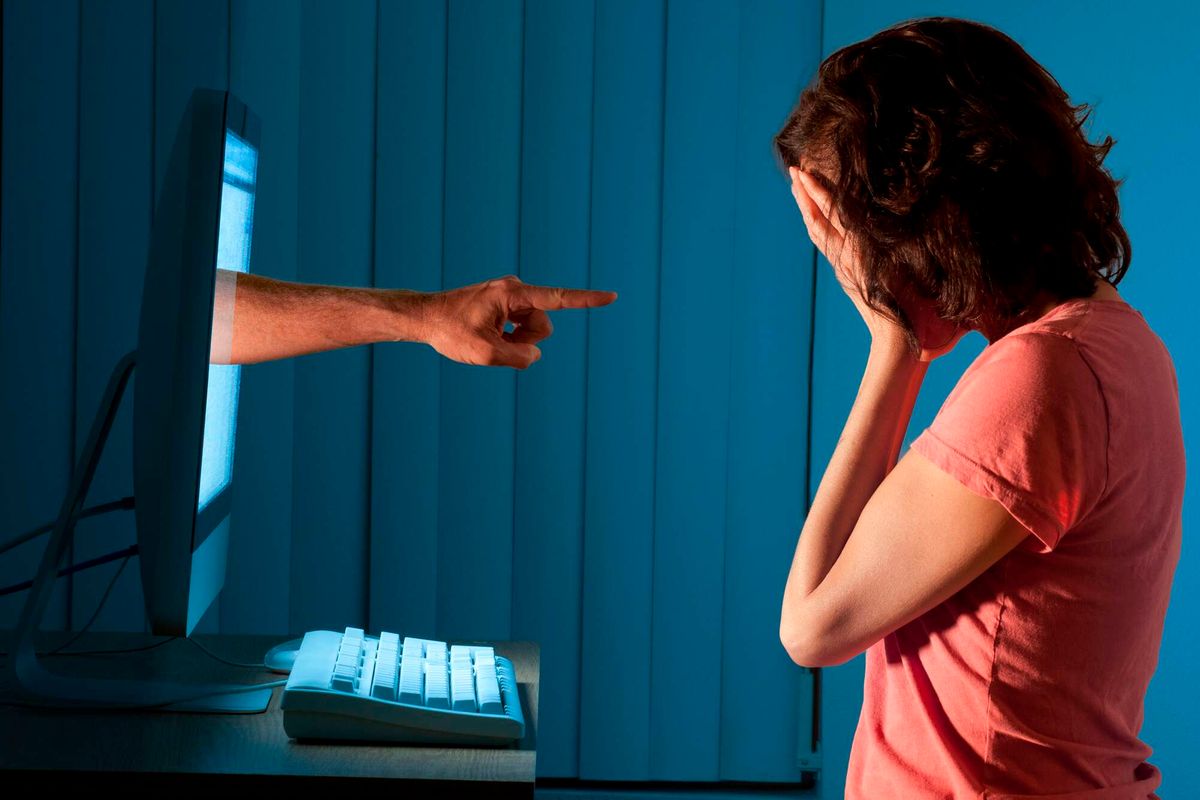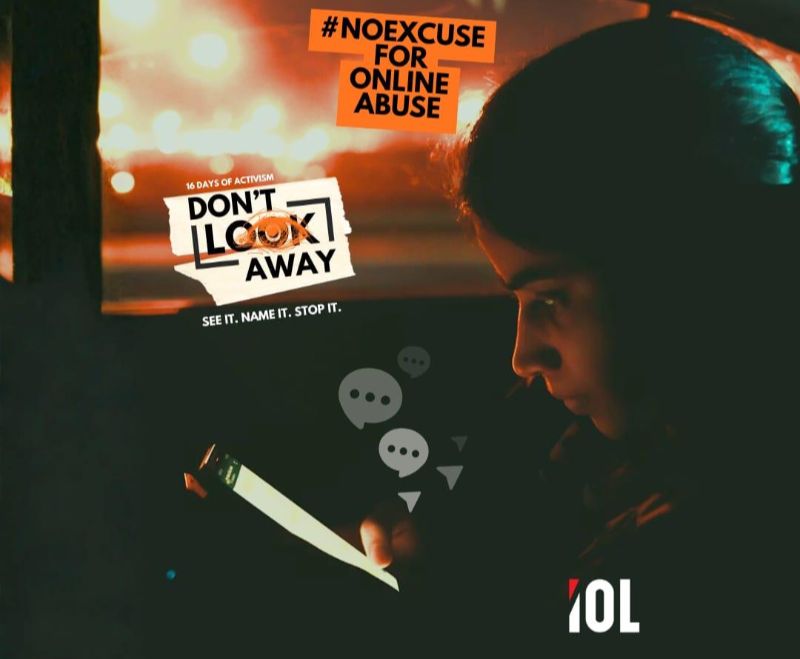
As more of our lives move online, the South African Depression and Anxiety Group (Sadag) is seeing more people exposed to harmful behaviour such as bullying, hate speech, trolling, body shaming and personal attacks.
“Social media has given people a platform to connect, but it has also made it much easier for hurtful comments to spread quickly and reach far more people than they ever could before,” said Roshni Parbhoo-Seetha, the project manager for education at Sadag.
She said the emotional impact of cyberbullying could be significant.
“We often see people experiencing increased anxiety, depression, panic attacks, feelings of shame or humiliation, low self-esteem, social withdrawal, difficulty sleeping, and struggling to concentrate at work or school. For some individuals, particularly those who may already be vulnerable, ongoing bullying can contribute to self-harm or suicidal thoughts.
“One of the things that makes cyberbullying particularly difficult is that there is often no escape from it. Unlike traditional bullying, which may stop when someone leaves school or work, online abuse can follow someone home, continue 24 hours a day and be witnessed by hundreds or even thousands of people,” she said.